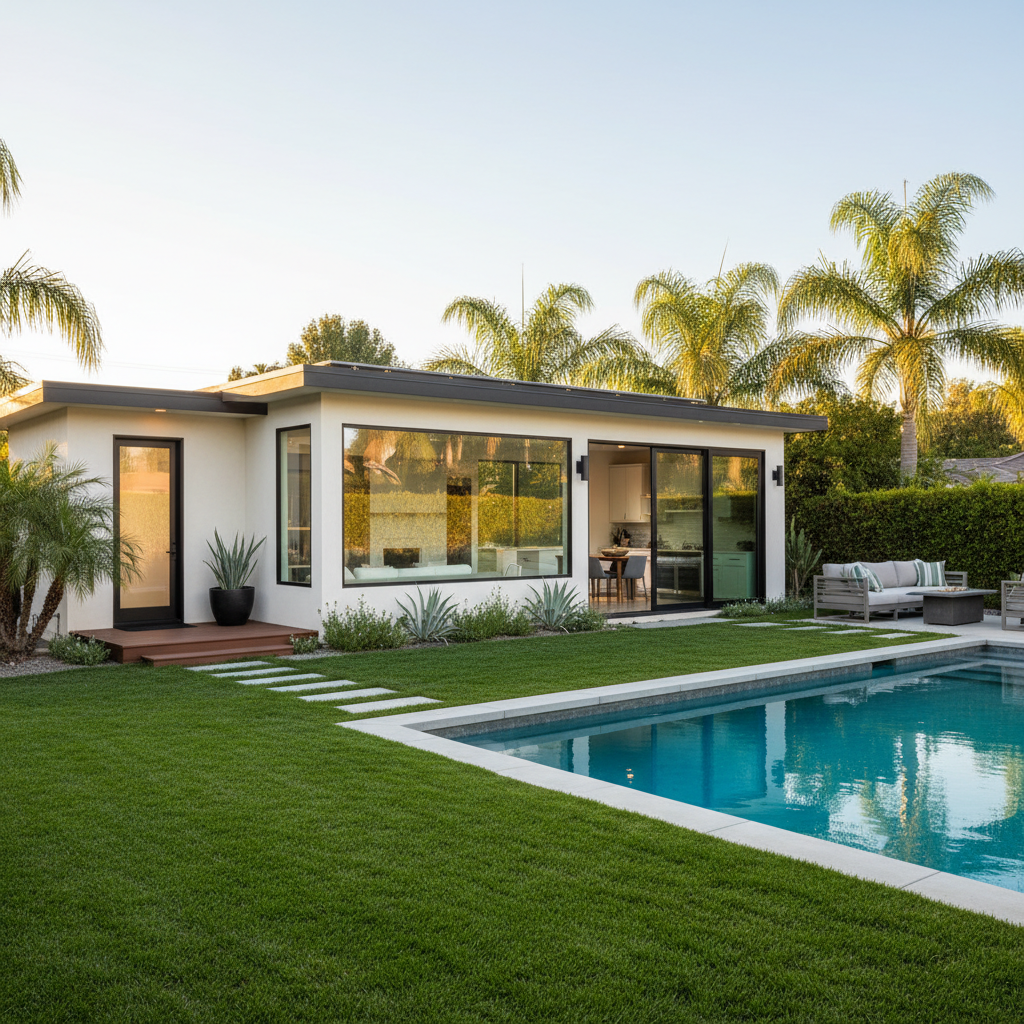
In sunny California, homeowners are constantly seeking innovative ways to maximize their property's potential. One increasingly popular solution is the Accessory Dwelling Unit (ADU), often referred to as a backyard home or granny flat. But what if you already have an existing structure that could serve this purpose? Specifically, can you convert a pool house into an ADU? The answer is often a resounding yes, but it comes with a unique set of considerations and requirements.
A pool house ADU conversion can be a brilliant strategy to add living space, generate rental income, or provide housing for family members, all while leveraging an existing footprint. However, it's not as simple as adding a bed and a mini-fridge. This comprehensive guide will walk you through everything you need to know before you embark on transforming your poolside retreat into a fully functional and legal ADU.
Why Consider a Pool House ADU Conversion?
Before diving into the nuts and bolts, let's explore the compelling reasons why converting your pool house into an ADU might be the perfect project for your California property:
- Cost-Effectiveness: In many cases, converting an existing structure can be more affordable than building a new ADU from the ground up, as a foundation, walls, and a roof are already in place.
- Speed of Construction: With much of the basic structure already present, the construction timeline for a conversion can often be shorter than new construction.
- Enhanced Property Value: A legal, well-designed ADU significantly boosts your property's market value and appeal.
- Rental Income Potential: An ADU can provide a steady stream of passive income, helping to offset mortgage payments or other expenses.
- Flexible Living Space: Whether it's for aging parents, adult children, a home office, or guest quarters, an ADU offers unparalleled flexibility.
- Utilizing Existing Space: It transforms an often underutilized structure into a highly functional asset.
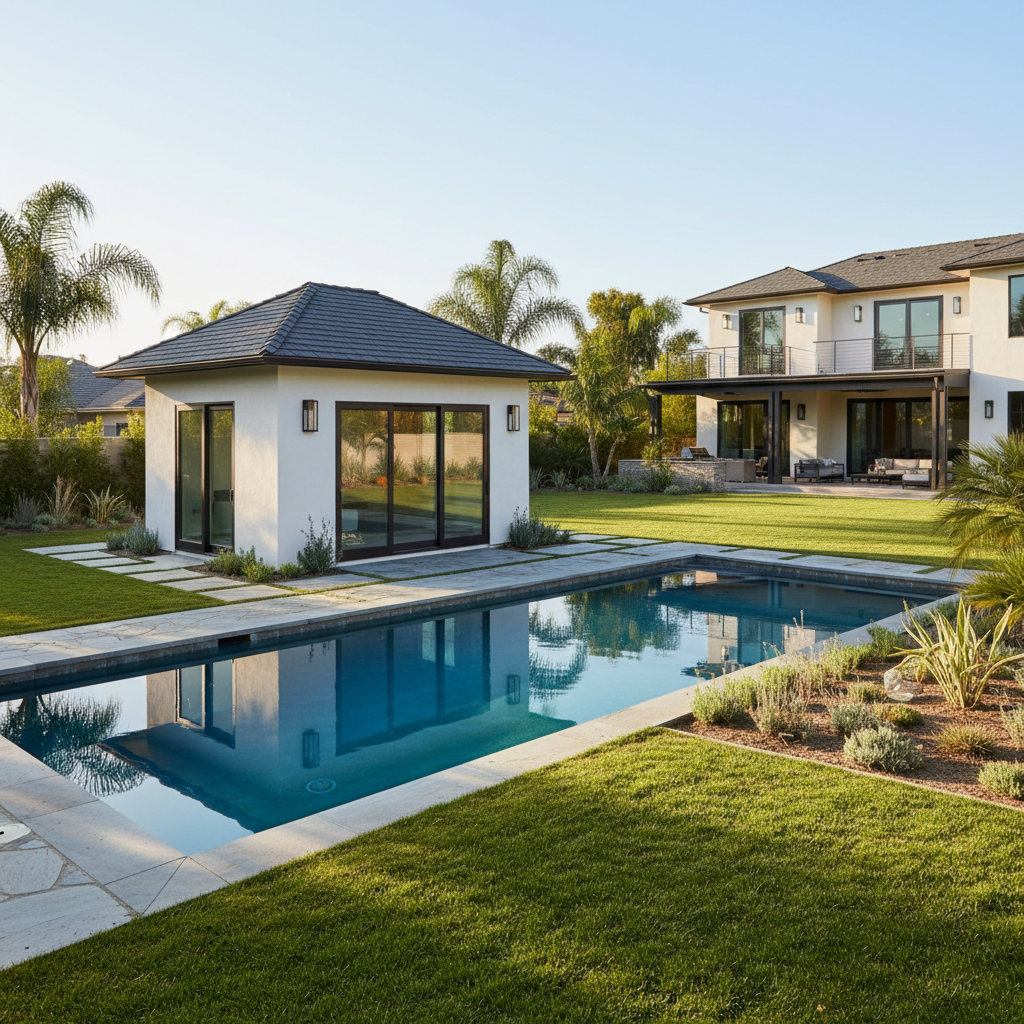 Pool House to ADU: Your Ultimate Conversion Guide
While the benefits are clear, a successful pool house ADU conversion requires careful planning and a thorough understanding of various factors. Here's what you need to know:
1. Zoning Laws and Permitting in California
California has some of the most progressive ADU laws in the nation, making it easier than ever to build or convert an ADU. However, local jurisdictions still have their own specific requirements. Here's what to investigate:
- ADU Eligibility: Does your property meet the minimum lot size and zoning requirements for an ADU? Most single-family and multi-family residential zones are eligible.
- Existing Structure Status: Is your pool house a legally permitted structure? If not, you may need to legalize it first.
- Setbacks: California state law generally allows for 4-foot side and rear setbacks for ADUs. Check if your pool house already meets these or if modifications are needed.
- Size Limitations: ADUs typically have minimum (e.g., 150 sq ft) and maximum size limits (e.g., 1,200 sq ft, or a percentage of the main dwelling). Your pool house must fall within these parameters.
- Occupancy & Use: An ADU must be a complete, independent living unit with its own kitchen, bathroom, and sleeping area.
- Owner Occupancy: While owner-occupancy requirements were previously common, recent California laws have largely removed them until 2025, offering more flexibility.
Navigating these regulations can be complex. To understand the specific requirements for your property, it's wise to consult with an ADU specialist.
2. Structural Integrity and Foundation
The existing structure of your pool house is foundational (literally!) to your conversion. A structural engineer will need to assess:
- Foundation: Is it adequate to support a fully enclosed, habitable dwelling, including potential second-story additions or heavy interior finishes?
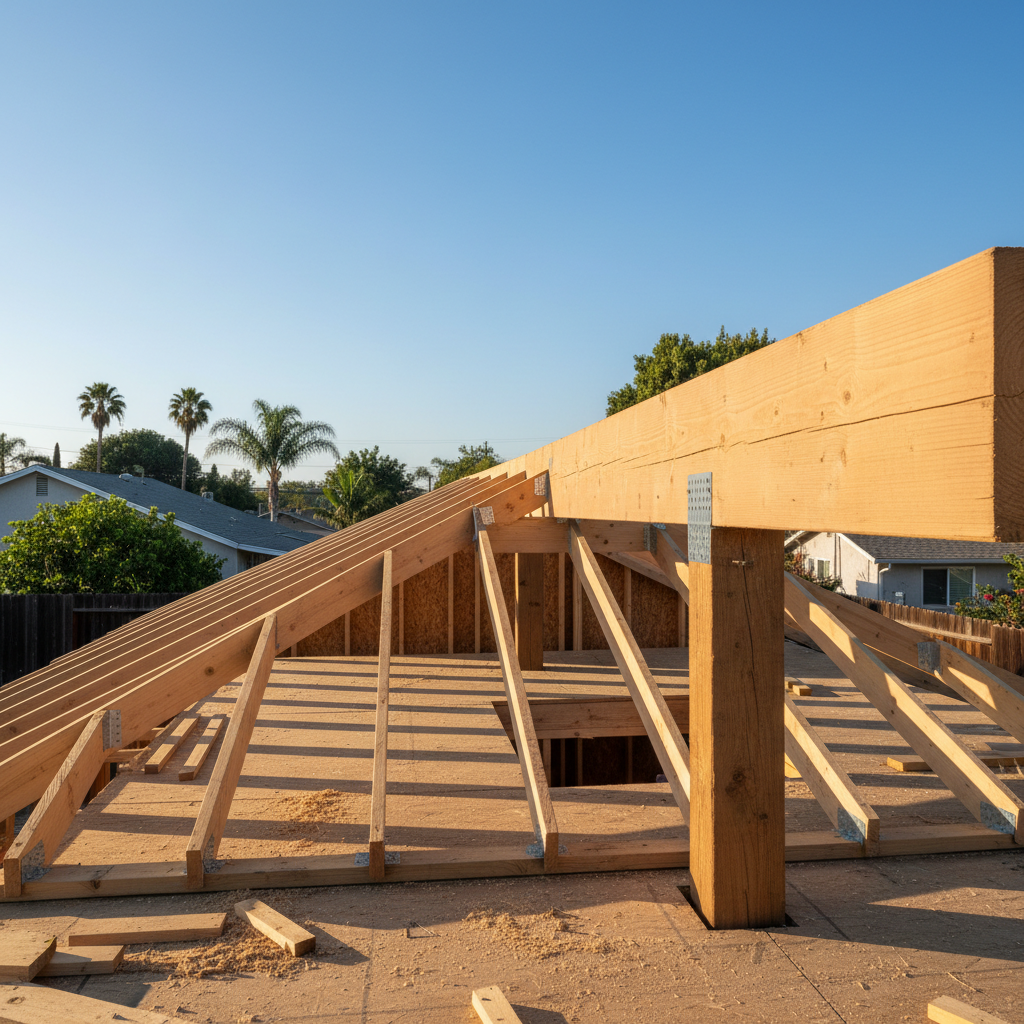
- Walls and Roof: Are they sound, plumb, and free from significant damage, rot, or pest infestation? Do they meet current seismic and building codes?
- Insulation: Most pool houses are not built to residential insulation standards. Significant upgrades will likely be needed for energy efficiency and comfort.
3. Utilities: The Biggest Hurdle
This is often where pool house conversions face their greatest challenges and costs. A legal ADU requires separate or sub-metered connections for:
- Water: For sinks, shower, toilet.
- Sewer/Septic: Connecting to the main sewer line or upgrading your septic system. This can involve significant trenching and plumbing work.
- Electricity: Ensuring adequate power for appliances, lighting, and HVAC. A new sub-panel may be required.
- Gas (Optional): If you plan for a gas range or heating, a new line will be needed.
- HVAC: Heating, Ventilation, and Air Conditioning are essential for year-round comfort.
The distance from your main utility lines and the capacity of your existing infrastructure will heavily influence the cost and feasibility of these upgrades.
4. Accessibility and Safety
ADUs must comply with certain accessibility standards, especially if intended for rental. This includes:
- Entryways: Ensuring clear, accessible pathways.
- Doorways: Wide enough for wheelchairs.
- Bathroom Layout: Sufficient clear space and grab bar provisions.
- Fire Safety: Smoke detectors, carbon monoxide detectors, and proper egress windows.
5. Design and Functionality
Converting a pool house means transforming it into a complete living space. This involves:
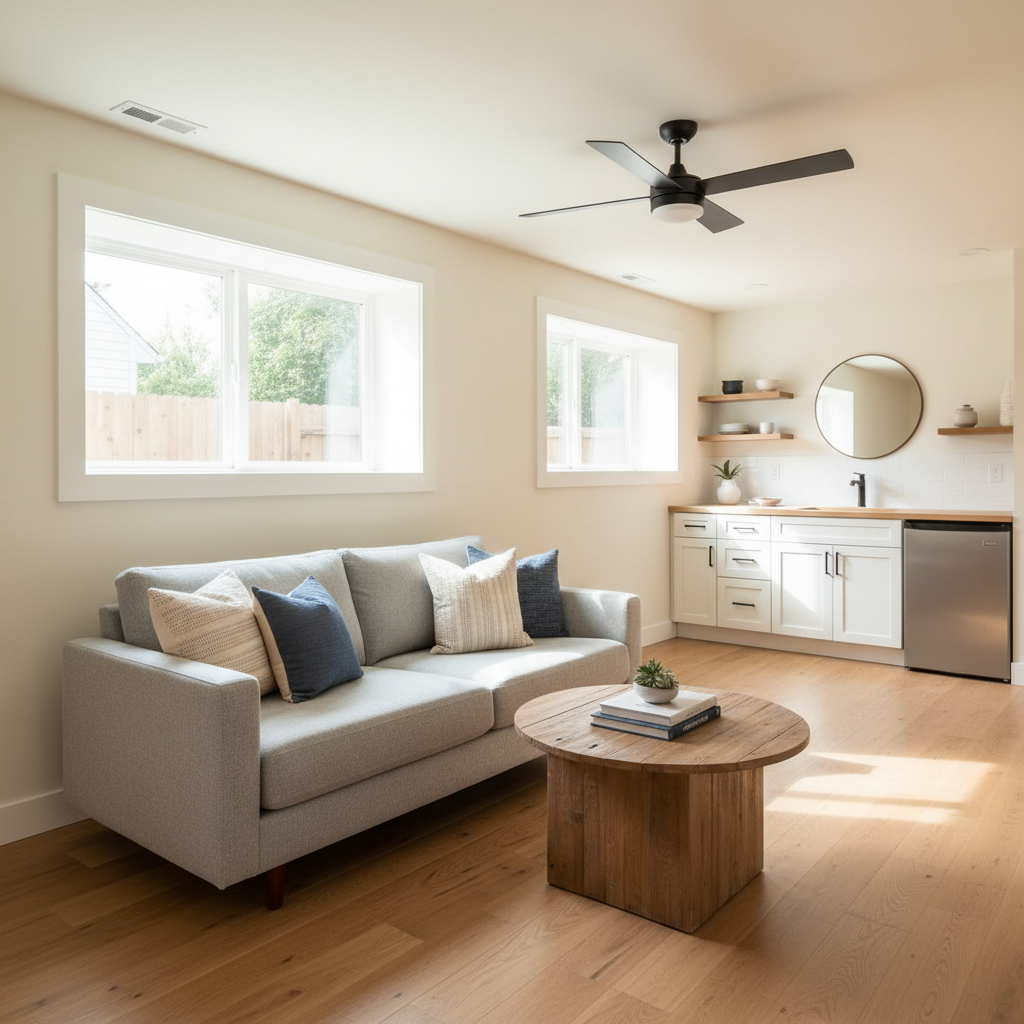
- Layout: Designing a functional floor plan that includes a kitchen, bathroom, and sleeping area within the existing footprint.
- Natural Light & Ventilation: Ensuring adequate windows and airflow.
- Storage: Incorporating clever storage solutions in a smaller space.
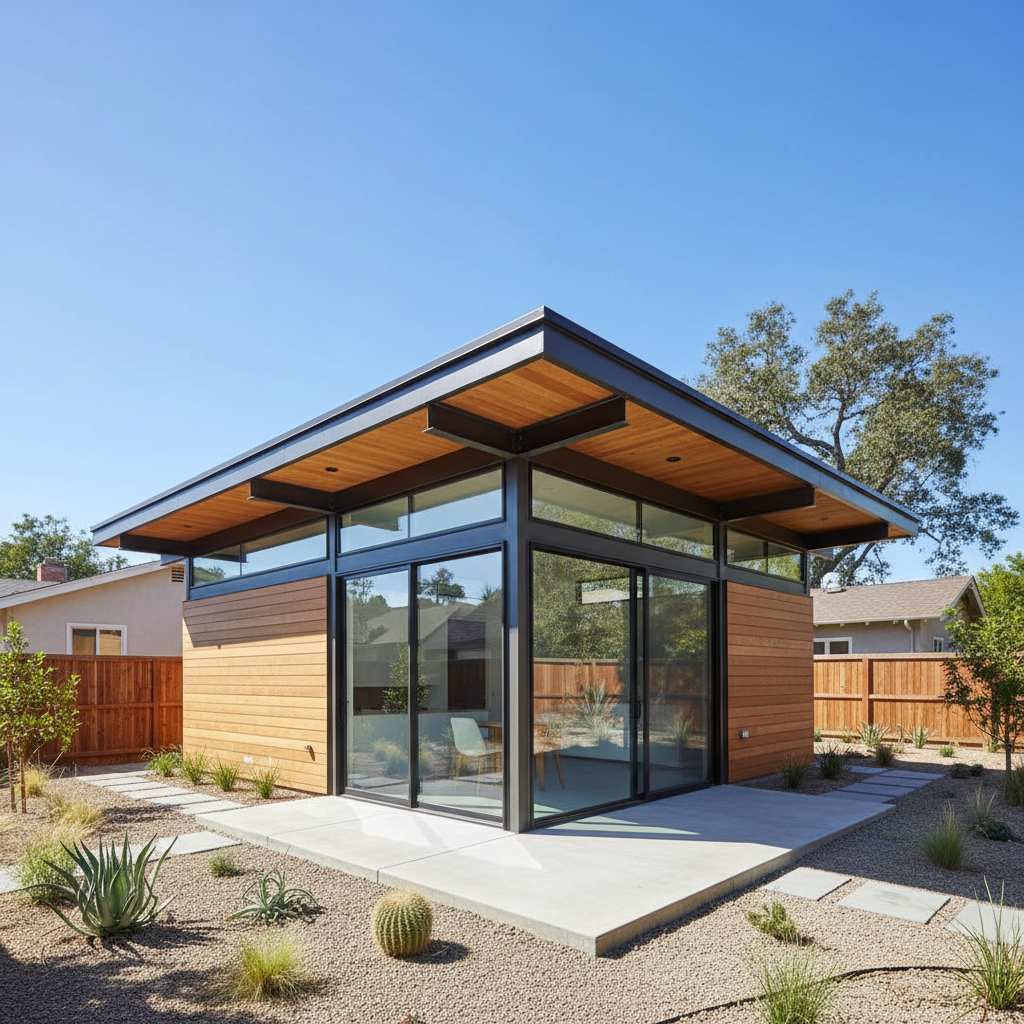
- Exterior Aesthetic: Ensuring the converted ADU complements the main house and enhances curb appeal.
While potentially cheaper than new construction, a pool house ADU conversion is still a significant investment. Costs typically include:
- Design & Engineering: Architectural plans, structural engineering reports.
- Permit Fees: Varies by jurisdiction.
- Utility Upgrades: Often the most variable and costly component.
- Construction: Framing, insulation, drywall, flooring, roofing, windows, doors, plumbing, electrical, HVAC.
- Finishes: Cabinets, countertops, appliances, fixtures.
- Soft Costs: Project management, contingency fund.
Obtain detailed estimates and factor in a contingency fund (10-20%) for unforeseen issues.
7. Homeowners' Association (HOA) Restrictions
If your property is part of an HOA, you must review their Covenants, Conditions, and Restrictions (CC&Rs). Some HOAs have strict rules regarding ADUs or exterior modifications, which may override some state laws or add additional approval steps.
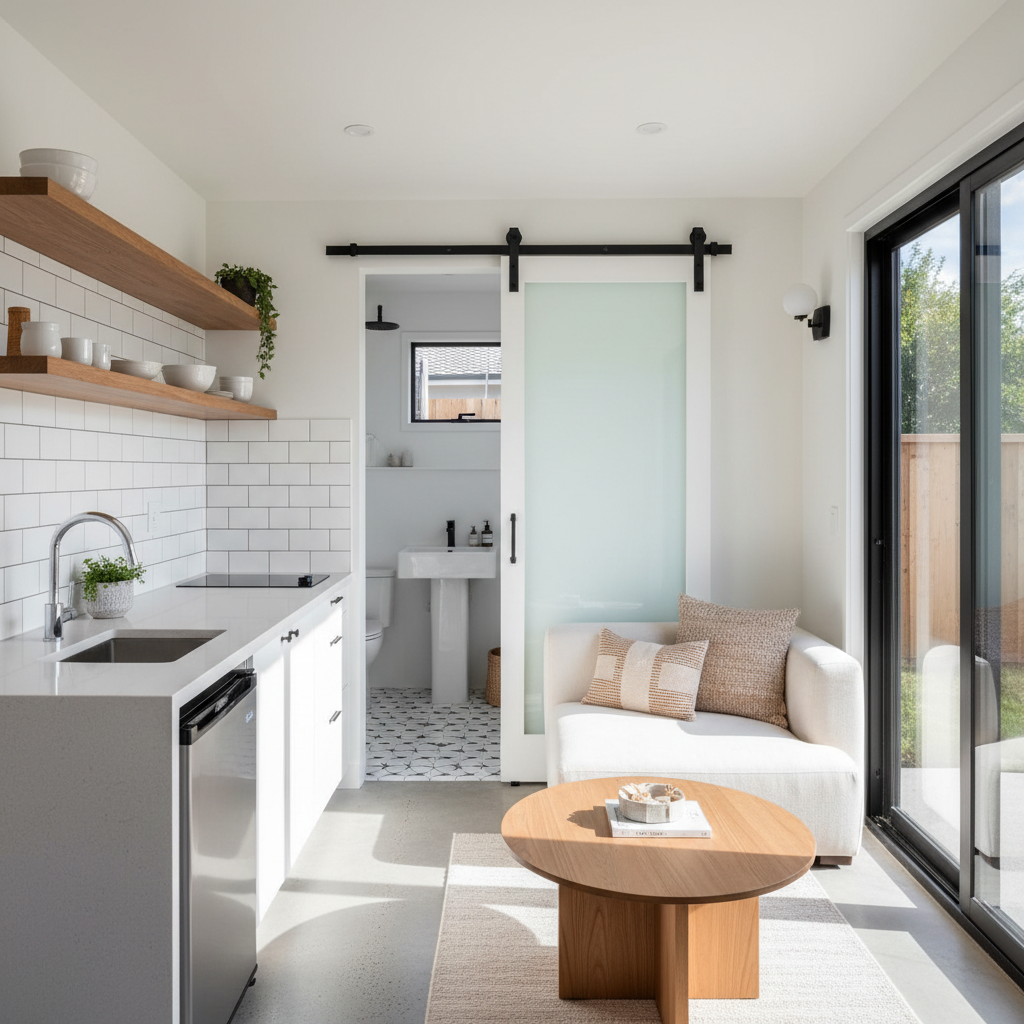
The Pool House ADU Conversion Process
Once you've considered the above factors, the conversion process generally follows these steps:
- Feasibility Study & Initial Design: An ADU specialist will assess your pool house's potential, discuss your goals, and sketch initial designs.
- Architectural & Engineering Plans: Detailed blueprints are drawn up, including structural, electrical, and plumbing plans.
- Permit Application: Submit your plans to the local building department for approval. This can take several weeks to months.
- Construction & Inspections: Once permits are issued, construction begins. Regular inspections by city officials will occur at various stages (foundation, framing, plumbing, electrical, etc.).
- Final Inspection & Certificate of Occupancy: After all work is complete and approved, you'll receive a Certificate of Occupancy, making your ADU legal and ready for use.
Ready to explore the potential of your pool house? Get a free project estimate from GatherADU.

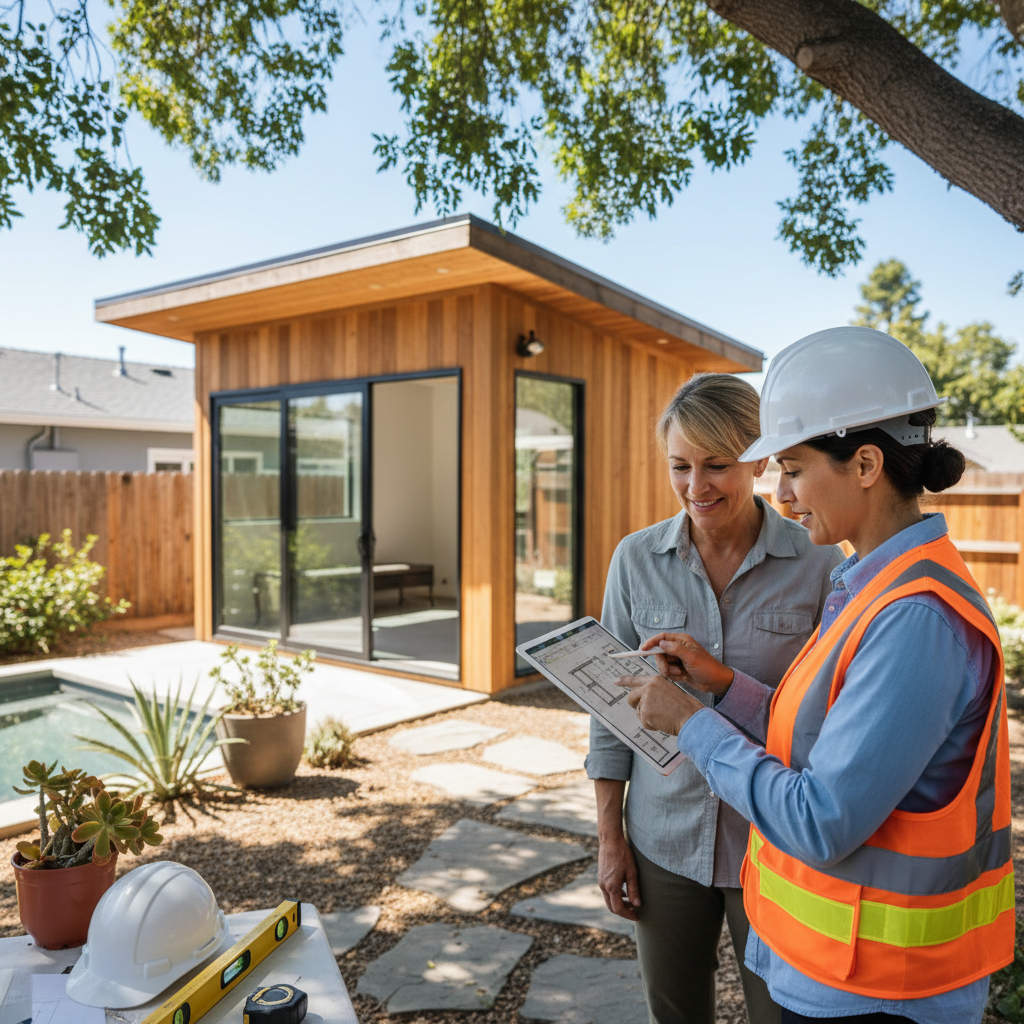
The GatherADU Advantage for Your Pool House Conversion
Converting a pool house into an ADU is a rewarding project, but it involves intricate details, from navigating California's nuanced building codes to managing complex utility hookups. This is where partnering with an experienced design-build firm like GatherADU becomes invaluable.
We specialize in California ADUs, offering:
- Expert Feasibility Assessments: We'll evaluate your pool house's potential and identify any challenges early on.
- Streamlined Design & Permitting: Our team handles all aspects of design and permit acquisition, ensuring compliance with state and local regulations.
- Efficient Construction: Our build process is optimized for quality, speed, and budget adherence.
- Comprehensive Project Management: From start to finish, we manage every detail, providing a stress-free experience.
Conclusion
A pool house ADU conversion represents a fantastic opportunity for California homeowners to add significant value, functionality, and income potential to their properties. While it requires careful planning and a thorough understanding of regulations, the benefits of transforming an underutilized structure into a modern, habitable living space are immense.
By assessing your existing structure's integrity, planning for essential utility upgrades, and navigating the permitting process with expert guidance, your dream of a backyard home can become a reality. Don't let the complexities deter you from realizing your property's full potential. Book a free ADU consultation with GatherADU today to discuss your pool house conversion project and discover how we can help you every step of the way.