Seismic Requirements for ADUs in California: What Gets Engineered and Why
Building an ADU in California means navigating seismic safety. This article demystifies the engineering behind earthquake-resistant ADUs, explaining what components are critical and why.
byGene Requiez
California, often called the "Golden State," is also famously known for its dynamic seismic activity. For homeowners considering or building an Accessory Dwelling Unit (ADU), understanding California ADU seismic requirements isn't just a regulatory hurdle—it's a fundamental aspect of safety, longevity, and peace of mind. Your ADU isn't just a structure; it's an investment, a potential home for loved ones, or a valuable rental asset. Ensuring it can withstand the forces of an earthquake is paramount. But what exactly does "seismic engineering" for an ADU entail, and why is it so crucial? This comprehensive guide will demystify the complex world of earthquake-resistant design for California ADUs, explaining what components get engineered, the principles behind them, and why working with experienced professionals makes all the difference.
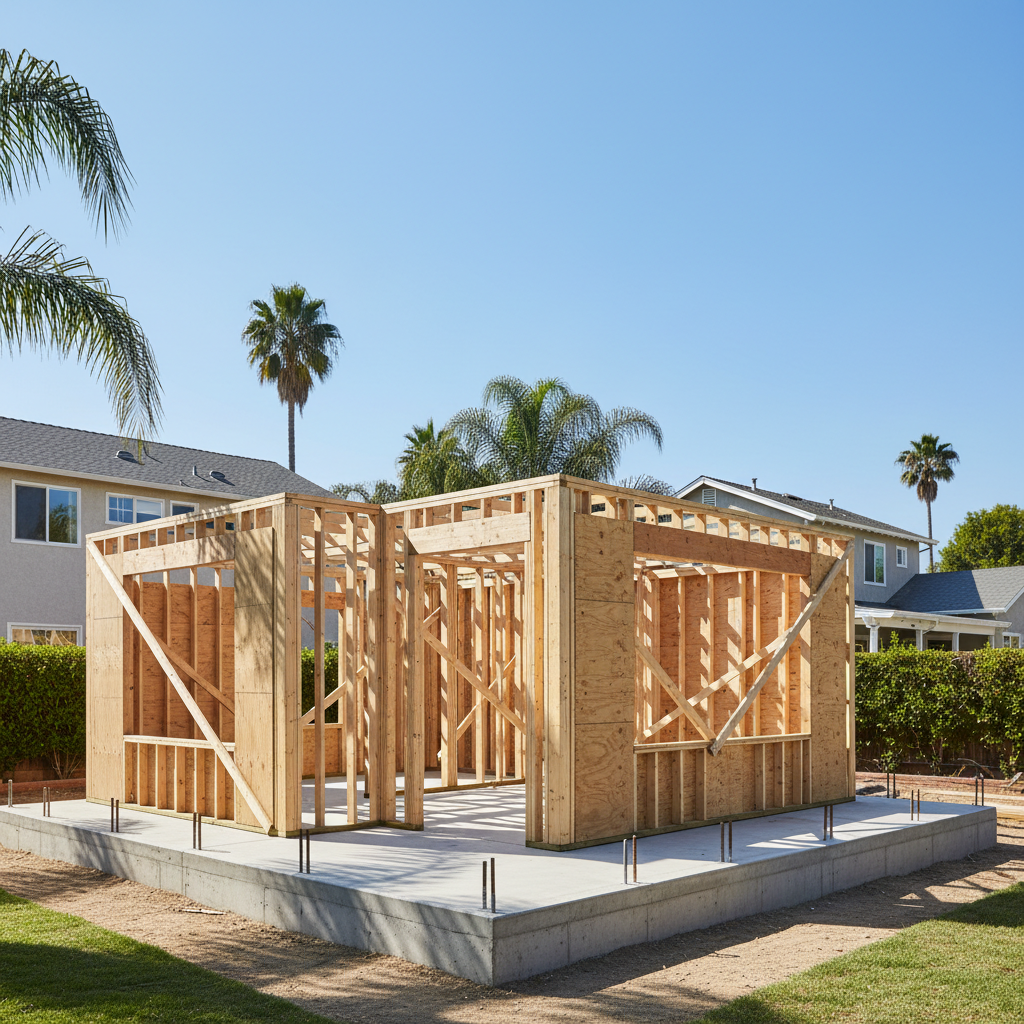
Photorealistic wide exterior shot of a modern detached ADU under construction in a residential backyard. Visible structural framing, plywood shear walls, and a
Why California is Different: The Seismic Landscape
California sits atop the Pacific Ring of Fire, a horseshoe-shaped zone of frequent earthquakes and volcanic eruptions. The state is crisscrossed by hundreds of active fault lines, most notably the San Andreas Fault system. This geological reality means that seismic events are not a matter of "if" but "when." Consequently, California has some of the most stringent building codes in the world, continuously updated to reflect the latest scientific understanding of seismic forces and engineering best practices. These codes are designed to ensure that structures, including ADUs, can resist lateral forces—the side-to-side shaking that characterizes earthquakes—and remain safe for occupants.
The Role of the California Building Code (CBC)
At the heart of California ADU seismic requirements is the California Building Code (CBC). The CBC is based on the International Building Code (IBC) but includes significant amendments specific to California's unique geological and climatic conditions. It's updated every three years, incorporating lessons learned from past earthquakes and advancements in structural engineering. For ADUs, the CBC dictates everything from foundation design and framing to material specifications and connection details, all aimed at enhancing a structure's ability to withstand seismic events. Local jurisdictions then adopt and enforce these codes, sometimes adding their own specific requirements. Adherence to the CBC isn't optional; it's legally mandated and crucial for obtaining permits and ensuring the safety of your ADU.
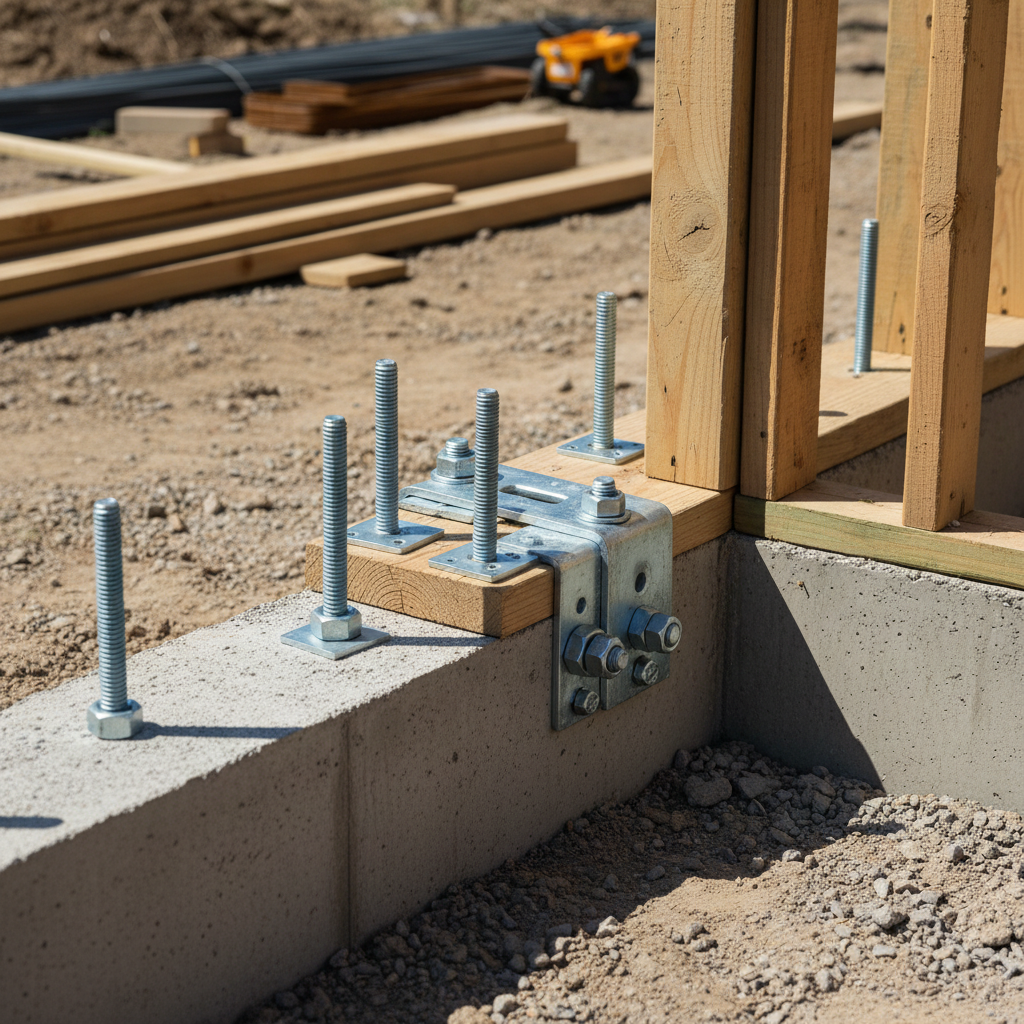
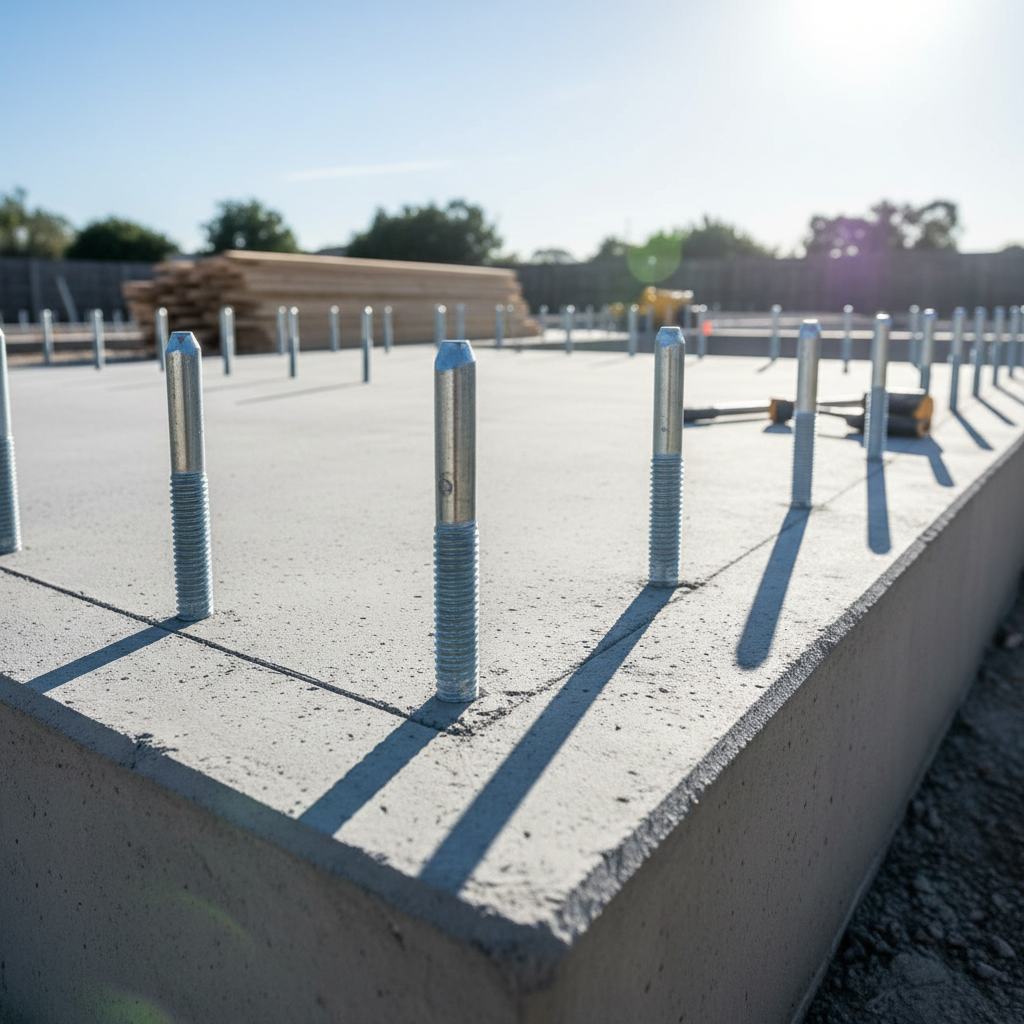
Photorealistic close-up shot of a concrete foundation with steel anchor bolts embedded in the concrete. Wood framing sits on top of the foundation with metal br
What Gets Engineered in an ADU for Seismic Safety?
When a structural engineer designs an ADU in California, they are essentially creating a robust system to resist forces that try to push, pull, or twist the building apart during an earthquake. This involves several critical components:
Foundation Design
The foundation is the bedrock of your ADU's seismic resistance. Engineers consider soil conditions (liquefaction potential, bearing capacity), groundwater levels, and proximity to fault lines. They design footings and slabs with appropriate reinforcement (rebar) to anchor the structure firmly to the ground and distribute seismic forces evenly. Strong connections between the foundation and the walls are vital to prevent the building from sliding off its base.
Shear Walls and Bracing
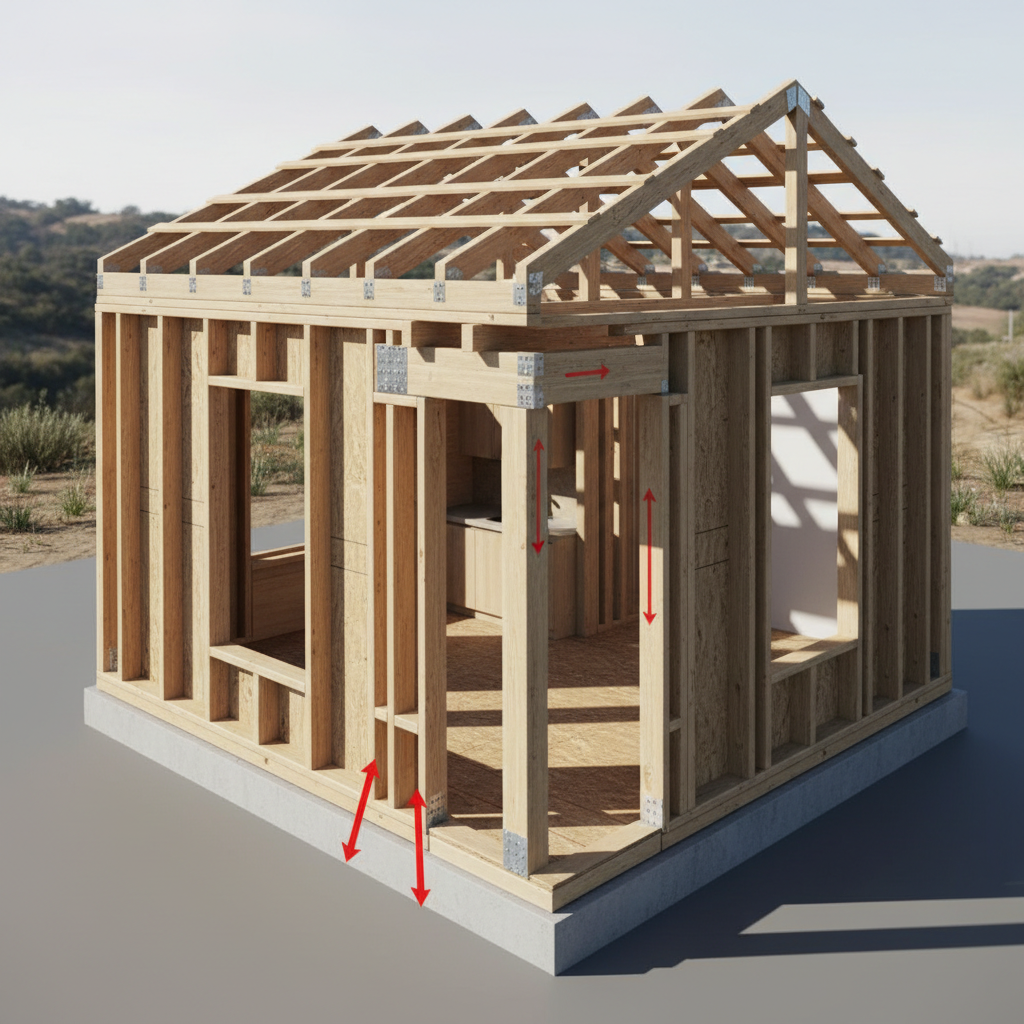
These are perhaps the most critical elements in resisting lateral (side-to-side) forces. Shear walls are specially designed walls, often made of plywood, oriented strand board (OSB), or concrete, that run from the foundation to the roof. They act like rigid diaphragms, transferring earthquake forces down to the foundation. Bracing (such as diagonal steel or wood members) serves a similar purpose, preventing racking or collapse. The engineer determines the number, location, and construction of these shear walls and bracing elements based on the ADU's size, shape, and potential seismic loads.
Diaphragms (Roofs and Floors)
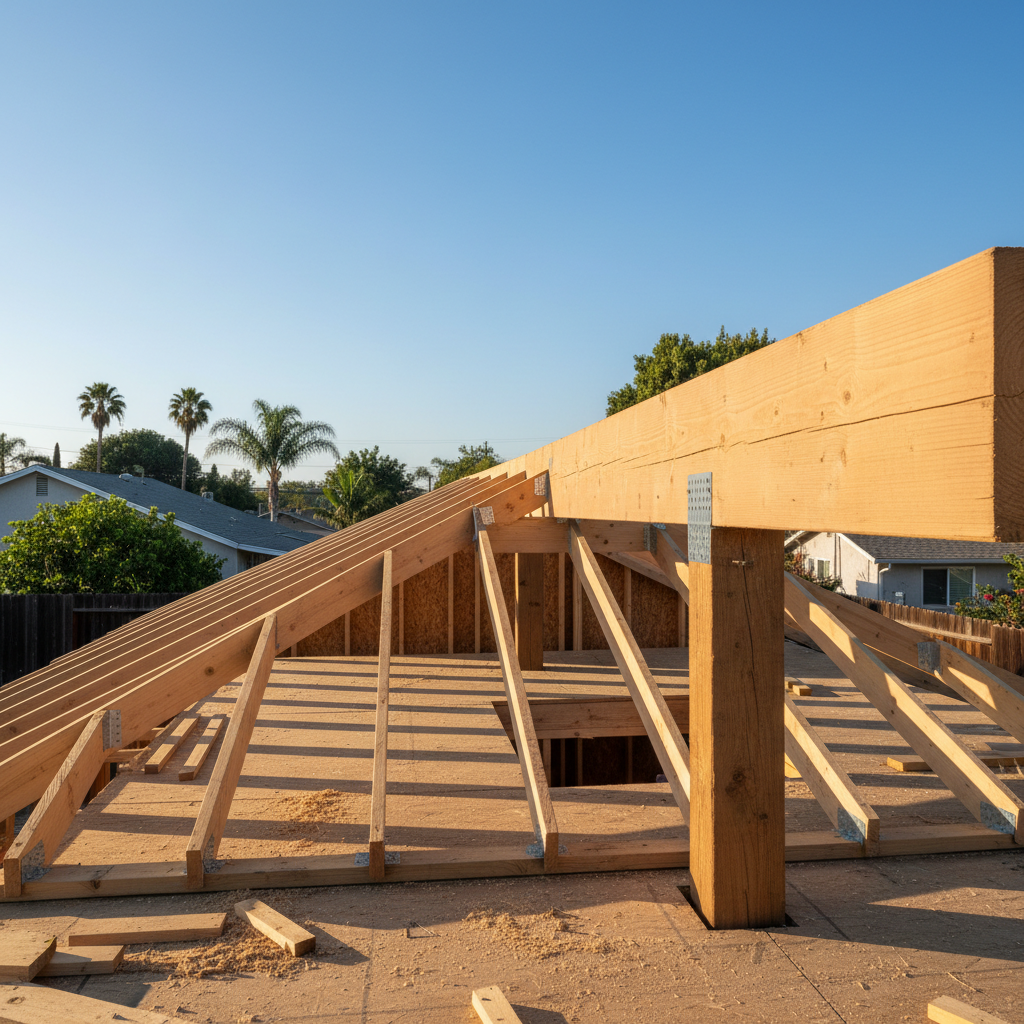
The roof and floor systems of an ADU also play a critical role in seismic design. They act as horizontal diaphragms, distributing lateral forces from the exterior walls to the shear walls below. Essentially, they tie the building together horizontally, ensuring all parts move as a single, cohesive unit during an earthquake. Strong connections between the diaphragm and the shear walls are paramount.
Hold-downs and Anchorage
These are specialized connectors, typically steel straps or bolts, that tie the ADU's walls and roof framing securely to the foundation and to each other. Hold-downs prevent "uplift" (where a wall might try to lift off its foundation) and "overturning" (where the entire building could tip over). Anchorage systems ensure that all structural components—from individual studs to entire wall sections—are firmly connected, preventing them from separating during intense shaking.
Connections and Fasteners
The strength of an ADU's seismic design is ultimately dependent on the integrity of its connections. Every joint, every nail, bolt, or screw, contributes to the overall structural resistance. Engineers specify the type, size, and spacing of fasteners to ensure that all components work together as an integrated system, transferring seismic loads efficiently throughout the structure.
Special Considerations
Beyond the standard elements, engineers might address specific site challenges. For instance, an ADU built on a sloped site might require retaining walls or specialized foundation systems. Areas prone to liquefaction (where saturated soil can lose its strength during shaking) may necessitate deep foundations or ground improvement techniques. Soft-story conditions (where a ground floor is much weaker or more open than upper floors) are less common in single-story ADUs but are a critical design consideration for multi-story units.
Navigating these intricate engineering details can seem daunting, but with the right partner, it doesn't have to be. If you're ready to explore building an ADU that meets California's rigorous seismic standards with confidence, don't hesitate to schedule a free ADU consultation with GatherADU. Our experts are here to guide you through every step.
The Engineering Process for Your ADU
The process of ensuring your ADU meets California ADU seismic requirements typically involves:
Site-Specific Analysis: A structural engineer begins by assessing your property's unique characteristics, including soil reports, topography, and seismic hazard maps. This informs their understanding of potential seismic forces your ADU might experience.
Structural Design: Based on the analysis and the proposed ADU plans (architectural drawings), the engineer designs the specific structural elements needed. This includes calculations for loads, stresses, and material capacities, resulting in detailed structural drawings and specifications.
Plan Review and Permitting: These engineered plans are then submitted to your local building department for review. Building officials, often with the assistance of their own structural engineers, scrutinize the plans to ensure full compliance with the CBC and local ordinances. Once approved, you receive your building permit, allowing construction to begin.
Inspections During Construction: Throughout the construction process, various inspections are conducted by city or county building inspectors. These inspections verify that the engineered plans are being followed precisely, particularly concerning foundation work, framing, and crucial seismic connections.
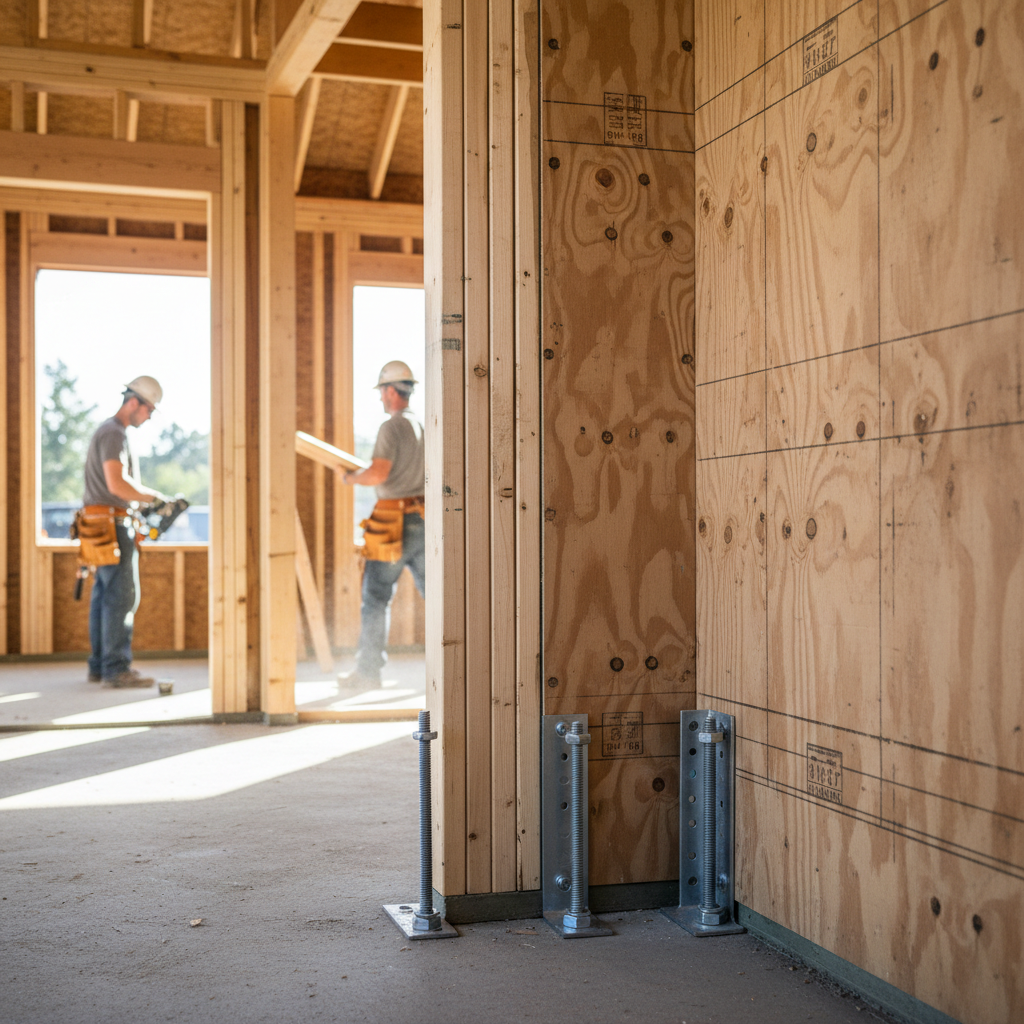
California ADU Seismic Requirements: What Gets Engineered & Why — A photorealistic interior view of an ADU wall during construction, clearly showing plywood she
Why This Matters for ADU Owners
Adhering to robust California ADU seismic requirements offers numerous benefits beyond mere compliance:
Safety of Occupants: This is paramount. A properly engineered ADU significantly reduces the risk of injury or fatality during an earthquake, ensuring the safety of your family, tenants, or guests.
Protection of Your Investment: Your ADU is a substantial financial investment. Seismic engineering protects this asset from catastrophic damage, preserving its structural integrity and value even after a major seismic event.
Long-Term Durability and Performance: Earthquake-resistant design contributes to the overall durability and longevity of your ADU, minimizing wear and tear from everyday stresses and environmental factors, not just earthquakes.
Insurance and Resale Value: Many insurance providers consider seismic resilience when determining policies and premiums. Furthermore, a well-built, seismically sound ADU can be a significant selling point, enhancing its resale value and market appeal in California.
Peace of Mind: Knowing your ADU is built to the highest safety standards provides invaluable peace of mind, especially in earthquake-prone California.
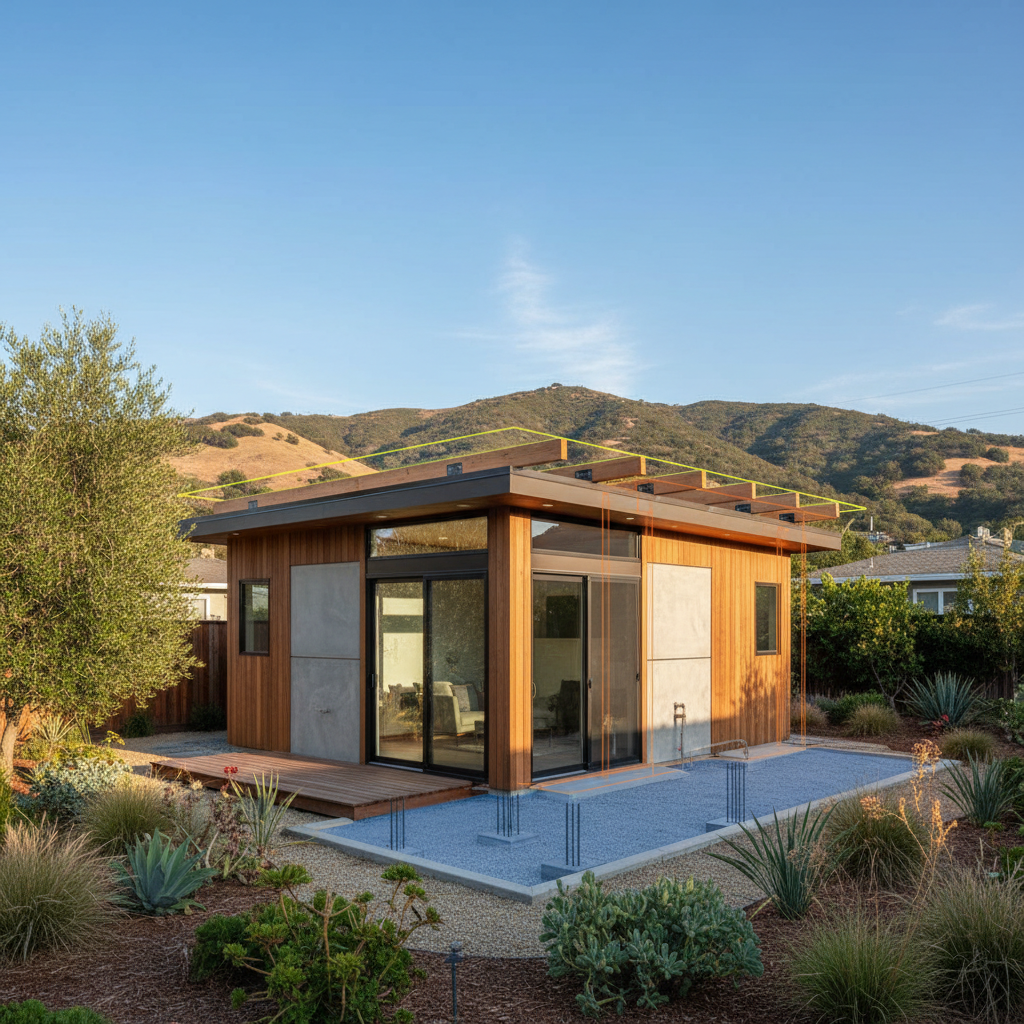
California ADU Seismic Requirements: What Gets Engineered & Why — A photorealistic architectural rendering of an ADU with cutaway views revealing the internal s
Common Misconceptions about ADU Seismic Design
It's easy to misunderstand aspects of seismic design. Here are a few common myths:
"My ADU is small, so it doesn't need much engineering." While smaller structures might experience different forces than large ones, every building in California requires proper seismic design. Size does not negate the need for engineering; it simply changes the specific calculations and detailing.
"All builders understand seismic requirements." While many builders are competent, structural engineering is a highly specialized field. Relying solely on a builder's general knowledge for seismic design is risky. A qualified structural engineer is indispensable.
"If it doesn't fall down, it's safe." The CBC aims for "life safety," meaning the building should not collapse, allowing occupants to exit safely. It doesn't necessarily guarantee the building will be undamaged or habitable after a major event, though good engineering often exceeds this minimum.
"Retrofitting older homes is the same as building new." Retrofitting an existing structure for seismic resilience involves different challenges and techniques than designing a new ADU from the ground up. New construction allows for optimal integration of seismic elements from the start.
Ensuring your ADU is built to withstand California's seismic challenges is a complex process best handled by seasoned professionals. To learn more about how GatherADU integrates cutting-edge seismic engineering into every backyard home design, explore our ADU design and build services.
Working with Experts: GatherADU's Approach
At GatherADU, we understand the unique challenges and critical importance of California ADU seismic requirements. Our integrated design-build process inherently incorporates top-tier structural engineering from the earliest stages. We partner with licensed, experienced structural engineers who specialize in residential construction in California. This ensures that every ADU we design and build isn't just aesthetically pleasing and functional, but also robustly engineered to meet, and often exceed, the state's stringent seismic safety standards. Our commitment to quality, safety, and compliance means you can trust that your GatherADU backyard home is built to last, providing a secure haven for years to come.
Conclusion
In a state as seismically active as California, building an ADU demands a meticulous approach to structural integrity. Understanding California ADU seismic requirements and the engineering principles behind them is vital for any homeowner considering this valuable investment. From the foundational anchors to the intricate network of shear walls and connections, every element plays a crucial role in safeguarding your ADU and its occupants during an earthquake. Don't leave the safety and longevity of your ADU to chance. Partner with experts who prioritize structural excellence and comprehensive seismic design.
Gene guides homeowners through their ADU journey with personalized consultations. He helps families understand their options and find the perfect ADU solution for their property and lifestyle.