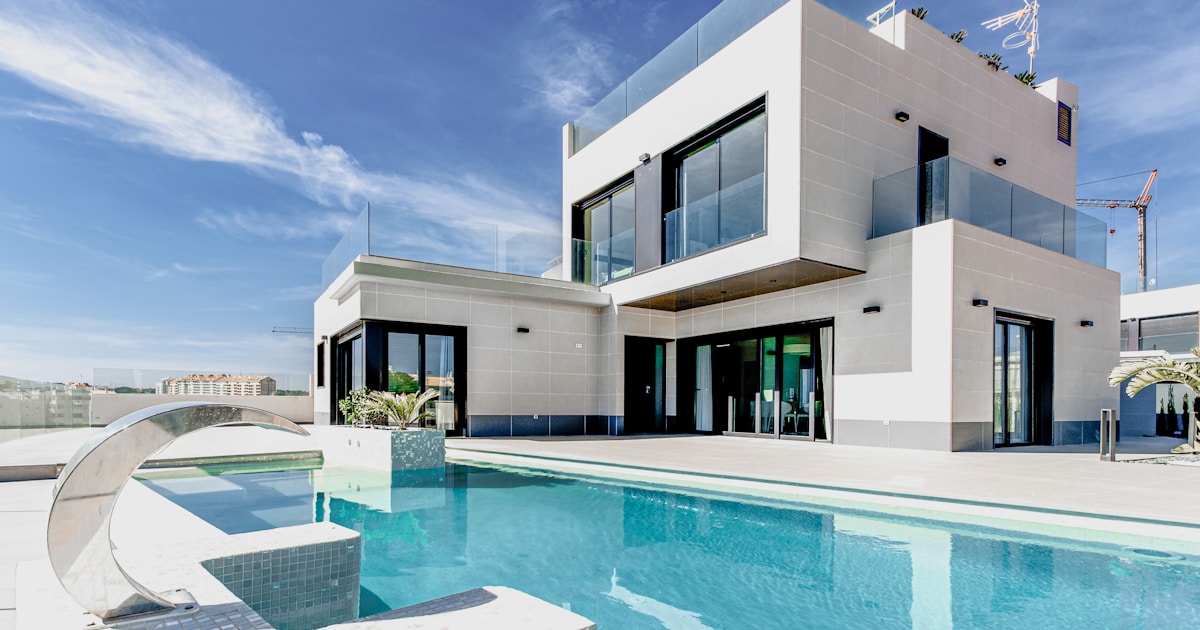

Accessory Dwelling Units (ADUs) are becoming increasingly popular in California, including in the city of Cudahy. As homeowners look to expand their property’s value, create additional rental income, or provide a separate living space for family members, ADUs offer an effective and versatile solution. However, the success of an ADU project relies heavily on the contractor you choose. Finding a qualified ADU contractor in Cudahy involves understanding legal requirements, evaluating experience, assessing costs, and planning for construction management. This guide will walk you through the top five considerations to help ensure a smooth, compliant, and rewarding ADU construction process.
1. Experience and Specialization in ADU Construction
Experience is paramount when hiring a contractor for your ADU in Cudahy. Given California’s specific regulations, finding a contractor who is both familiar with state and city codes and has completed several ADU projects in the past can make all the difference. An experienced contractor will not only know how to navigate Cudahy’s permitting and zoning requirements but will also be familiar with construction challenges unique to ADUs, such as maximizing small spaces, integrating utilities, and adhering to California’s energy efficiency standards.
Key Experience Points to Look For:
- Project Portfolio: Ask to see a portfolio of previous ADU projects. This will give you insight into the quality of work they produce, the styles they are accustomed to, and their ability to meet varying client needs.
- References and Reviews: Request references from recent clients, especially those who have hired the contractor for ADU projects in Cudahy or similar regions. Online review platforms and personal recommendations can help confirm reliability.
- Licensing and Certification: Make sure the contractor holds a current, valid contractor’s license in California. The California Contractors State License Board (CSLB) offers an online tool where you can verify a contractor’s license status and any disciplinary actions against them.
Selecting a contractor with specific ADU experience can also help you understand more about Cudahy’s particular building requirements, such as rules regarding setbacks, parking requirements, and maximum square footage for ADUs.
2. Familiarity with Cudahy’s Zoning and Permitting Regulations

ADUs are subject to California’s state regulations and local ordinances in Cudahy, which can affect everything from where the unit can be located on your property to the maximum height and square footage. An ideal ADU contractor in Cudahy should be knowledgeable about both the California standards and the local regulations in your area.
Key Areas of Compliance:
- Setbacks and Size Limits: Cudahy has zoning laws that dictate setback distances (how far the ADU must be from property lines), and often limits on ADU size based on your lot’s dimensions. An experienced contractor will know how to maximize your available space while keeping the ADU compliant.
- Utility Connections: ADUs must connect to existing water, sewer, and electrical lines. Contractors familiar with Cudahy’s regulations can efficiently plan these connections without exceeding allowable limits on infrastructure.
- Permitting Process: Permitting can be one of the most time-consuming stages of an ADU project. Contractors familiar with the Cudahy permitting office’s requirements, timelines, and documentation needs will help streamline this process, preventing unnecessary delays and ensuring a quicker start to construction.
Contractors should also be able to explain how recent updates to California’s ADU laws (such as Senate Bill 9, which eases restrictions on adding units) might affect your project in Cudahy.
Schedule a call with an ADU expert
3. Transparent and Comprehensive Cost Estimates
Budget is a critical factor when planning an ADU. A reputable ADU contractor in Cudahy should provide a transparent, detailed, and itemized cost estimate that helps you anticipate all aspects of the project. In addition to labor and materials, this estimate should include costs related to permitting, design, and any potential additional fees for utilities.
Key Financial Considerations:
- Itemized Costs: Look for contractors who break down their estimates, listing individual costs for materials, labor, permits, and other associated fees. This transparency helps you understand where your money is going and whether it aligns with your budget.
- Payment Schedules and Milestones: Avoid contractors who require a large upfront payment. Instead, reliable contractors will set payment schedules tied to project milestones, such as design completion, the beginning of construction, and final inspection.
- Contingency Budget: Construction projects can sometimes incur unexpected costs. A contractor should help you anticipate these by suggesting a contingency budget, typically around 10-15% of the total cost.
Cost estimates should also account for design flexibility. Contractors with experience in ADU construction will know where you can cut costs without sacrificing quality or compliance, as well as where splurging a little more can add lasting value to your ADU.
4. Clear Communication and Project Management
Effective communication is essential to keep your project on track and minimize misunderstandings. Choose an ADU contractor in Cudahy who offers transparent, consistent updates and is willing to address your questions at every stage.
Project Management Skills to Look For:
- Defined Roles and Responsibilities: Ensure that your contractor has a clear structure for managing the project, with designated roles for each aspect, including project management, permitting, construction, and inspections.
- Regular Updates and Meetings: Contractors should provide frequent updates and offer regular meetings, either on-site or virtually, to keep you informed of progress, delays, or potential changes.
- Problem-Solving and Adaptability: Issues can arise in any construction project. A contractor who communicates openly about potential problems and discusses solutions collaboratively will help keep the project on track without unexpected surprises.
When hiring a contractor, ask about their preferred communication methods (email, phone, or in-person meetings), and ensure they are comfortable with the frequency and type of updates you require.
5. Warranty and Post-Construction Support

Once your ADU is complete, a quality contractor will stand by their work with a warranty and offer post-construction support for any issues that might arise after move-in. Warranties protect you from unexpected repair costs due to faulty workmanship or materials.
Important Warranty Features:
- Workmanship Warranty: This covers the quality of the contractor’s work, such as construction and installation of fixtures. A standard workmanship warranty lasts between one and five years, depending on the contractor.
- Materials Warranty: Many materials, especially those supplied by the contractor, should come with a manufacturer’s warranty. Your contractor should be able to clarify what is and isn’t covered.
- Post-Construction Support: Even after the project is complete, your contractor should offer support for minor adjustments or repairs, like fixing a door or window or resolving small cosmetic issues.
A solid post-construction support policy demonstrates a contractor’s commitment to customer satisfaction and adds peace of mind for any issues that might emerge once the ADU is in use.
Schedule a call with an ADU expert
Cudahy ADU rules to check before you sign a contract
Cudahy's ADU rules are in Cudahy Municipal Code Chapter 20.52, Part 20 (Sections 20.52.715 to 20.52.790), adopted by Ordinance 744 in 2024 and amended by Ordinance 760 in 2025. The code says ADUs are allowed by right with ministerial approval, which means no public hearing and no discretionary design review if your plans meet the written standards. A contractor who knows these standards can price your job accurately the first time. One who doesn't may hand you a bid for a unit the City will not approve as drawn. Use the points below to test any contractor you interview.
How many units your lot can hold
- Single-family lot: one ADU (new construction, a conversion inside the house, or a conversion of an accessory structure) plus one junior ADU.
- Lot with two or more attached dwellings: two detached ADUs, or ADUs converted from existing non-livable space (such as storage, attic, or garage areas) up to 25% of the primary units on the lot.
- Lot with three or more detached homes: two detached ADUs or conversions up to the same 25% share, with limits on converting parking structures for the second unit.
Cudahy's text still cites the old Government Code Sections 65852.2 and 65852.22. Since 2025, those state rules have been renumbered into Government Code Sections 66310 to 66342, and state law controls where the two differ. A good contractor knows both sets of numbers and can tell you which one a plan checker is relying on.
Size, height, and setback numbers for a new ADU
Table 20.52-3 in Section 20.52.760 sets these standards for new or expanded ADUs:
- Floor area: at least 350 square feet. The maximum is 850 square feet for a studio or one-bedroom, 1,000 square feet for two bedrooms, and 1,200 square feet for three or more bedrooms. Garage area is not counted in the ADU's size.
- Attached ADUs: also capped at 50% of the floor area of the largest dwelling they attach to.
- Height: 25 feet for an attached ADU and 18 feet for a detached ADU. An ADU built on top of a garage can reach 28 feet, but no more than two stories.
- Setbacks: four feet from side and rear lines for an ADU up to 18 feet tall. A taller unit follows the base zone's setbacks. Front setbacks follow the base zone, but they cannot block an 800-square-foot, 16-foot-tall "statewide exemption" ADU with four-foot side and rear setbacks if there is no other feasible spot on the lot.
- Spacing: at least five feet between buildings.
Ask each contractor to show you, on a quick site sketch, where the unit fits within these numbers and which height bracket it falls into. A three-bedroom, 1,200-square-foot plan is legal in Cudahy, but it changes your setbacks if it goes over 18 feet.
Design matching and entrances
Cudahy's objective design standards are specific. The ADU must use the same architectural style and exterior materials as the primary home. Its base color must match a base or secondary color of the house, and its accent color must match the house's accent or secondary color. Its roof pitch can differ from the main roof by no more than 1:12. The entrance must be separate, "minimally visible from the street," and the ADU cannot stick out past the street-facing wall of the front home. If the entrance is a staircase, it has to be enclosed inside the structure, unless you are converting an existing exterior stair.
If you want a different look, you need an ADU design variance under Chapter 20.84, Part 12. That adds a step, so it belongs in your schedule and budget before the contract is signed, not after.
Garage conversions in Cudahy
Section 20.52.770 lets you convert legally permitted existing space, including a garage, through a zoning clearance and building permit. No new setback applies to an existing structure, but the City can deny a conversion if the side and rear setbacks are not enough for fire safety. You may add up to 150 square feet only for an entry space. Space in a structure that doesn't conform to current setback, height, or lot coverage rules can still be converted, as long as you don't make the nonconformity worse. If you tear down a detached garage to build a new ADU, the demolition permit is reviewed and issued at the same time as the ADU application.
Parking, utilities, and fire sprinklers
- Parking: one off-street space per ADU, which can be tandem on the existing driveway. No space is required within one-half mile of a public transit stop with scheduled service, in a historic district, in a permit-parking area where the occupant cannot get a permit, within one block of a City-approved car-share area, or when the ADU is permitted with a new home. Converting or demolishing a garage or carport for the ADU does not require replacement parking.
- Utilities: separate utility hookups are allowed but not mandatory. Ask your contractor to price both options and explain the trade-offs.
- Sprinklers: an ADU needs fire sprinklers only if the main house is required to have them.
Deed restriction, rental term, and the 60-day clock
- Deed restriction: before the building permit is issued, the owner must record a declaration of restrictions with the county recorder, in a form the city attorney has approved. It limits the ADU to its allowed size and binds future owners. Your contractor should plan the permit schedule around this step.
- Rental term: an ADU rental must be longer than 30 days.
- Kitchen: every ADU must include at least an efficiency kitchen as the code defines it.
- Review timeline: under Section 20.52.790, Community Development must approve or deny a complete application within 60 days when there is already a home on the lot. If the City denies it, it must list what is deficient and how to fix it, and the 60-day clock resets when you resubmit.
Contract protections every Cudahy homeowner should insist on
- License check: look up the contractor's license, its classification, bond, and workers' compensation status on the CSLB license lookup. Under Business and Professions Code Section 7031, an unlicensed contractor generally cannot sue to collect payment, and you lose real protections if you hire one.
- Down payment: for home improvement work, Business and Professions Code Section 7159.5 limits the down payment to $1,000 or 10% of the contract price, whichever is less.
- Payment schedule: after the down payment, progress payments should match work actually completed, such as foundation, framing, and rough inspections.
- Scope in writing: the contract should name the Cudahy items above. Who prepares and records the deed restriction? Who handles the zoning clearance? Is a design variance included or excluded? Does the price assume separate utility meters? How are plan-check corrections billed?
- Lien releases: ask for conditional and unconditional lien releases from subcontractors and suppliers with each payment, so a supplier who isn't paid can't file a mechanics lien on your property.
Questions to ask in the first meeting
- Which height bracket and setback rule will my design use, and why?
- Does my lot qualify for any parking exemption in Section 20.52.780?
- Will the plans match my home's materials, colors, and roof pitch, or will we need a design variance?
- Who records the deed restriction, and when in the schedule does it happen?
- What happens to the price and schedule if the City sends correction comments?
If you'd like a second opinion on a bid or a site plan, book a free consultation. GatherADU has completed over 127 ADU project designs with a 95% on-time rate, and we can tell you quickly whether a Cudahy plan fits the code.
Conclusion: Making the Right Choice for Your ADU Contractor in Cudahy
Building an ADU is a significant investment, but finding the right contractor can make the process more efficient, compliant, and financially rewarding. By focusing on experience, understanding of local regulations, transparency in pricing, effective communication, and reliable post-construction support, you can be more confident in your choice.
Cudahy’s specific requirements and California’s evolving ADU laws mean that the right contractor must be well-versed in local codes, prepared to offer clear and honest estimates, and committed to excellent workmanship and support. Make sure to do your due diligence, ask questions, check credentials, and prioritize clear communication and accountability when choosing your ADU contractor.
Whether you’re building an ADU to increase property value, create a rental income, or provide an independent space for family, the right contractor will be an invaluable partner in making your vision a reality. Taking the time to research your options and carefully vet potential contractors will set you on the path to a successful, lasting ADU that meets all your goals and enhances your property for years to come.