When planning or building an Accessory Dwelling Unit (ADU) in California, you'll encounter a myriad of specialized construction terms. Among the most critical, yet often overlooked by the casual observer, is the concept of a beam pocket in ADU construction. Far from a minor detail, a properly designed and executed beam pocket is fundamental to the structural integrity, longevity, and safety of your new backyard home.
At GatherADU, we understand that a strong foundation is the bedrock of any successful ADU project. This article will demystify beam pockets, explaining what they are, why they are indispensable for ADUs, and how they are meticulously detailed to meet stringent California building codes and ensure your ADU stands strong for decades to come.
What Exactly is a Beam Pocket?
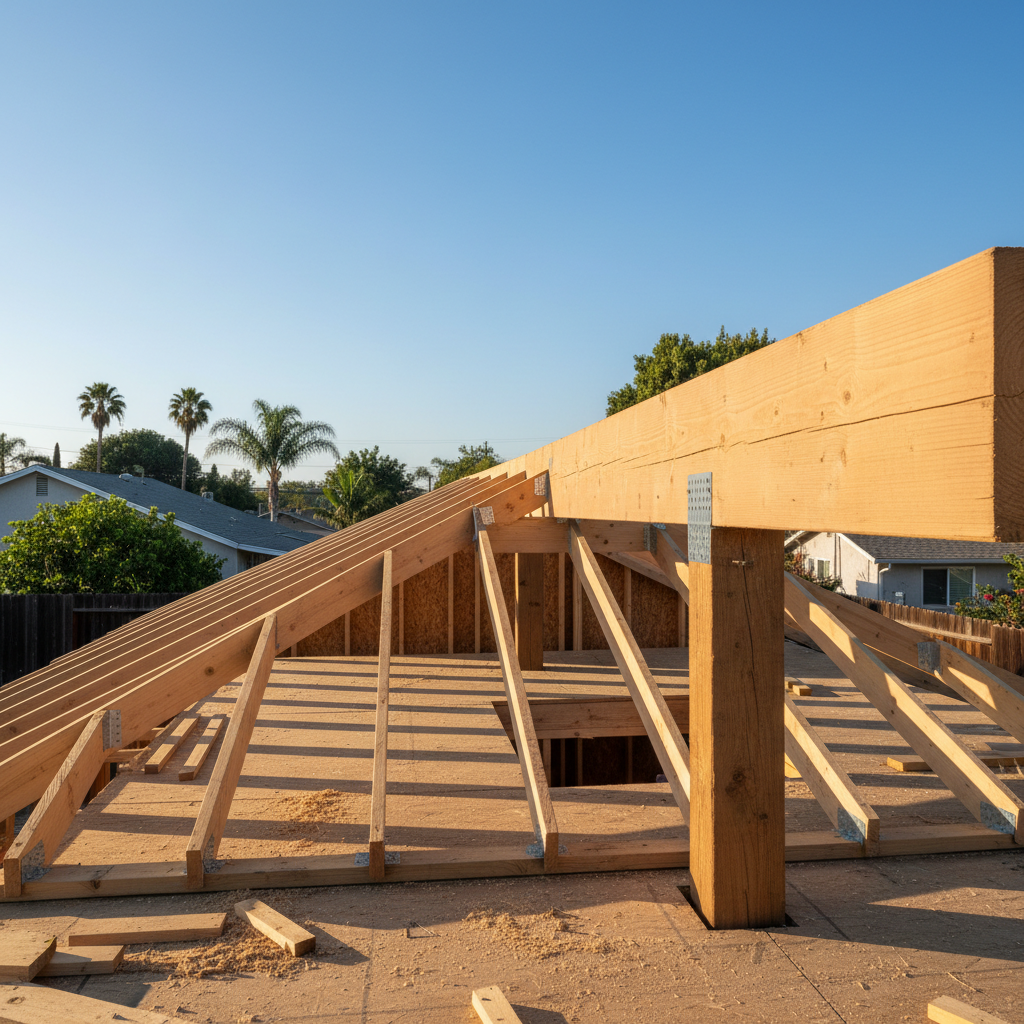
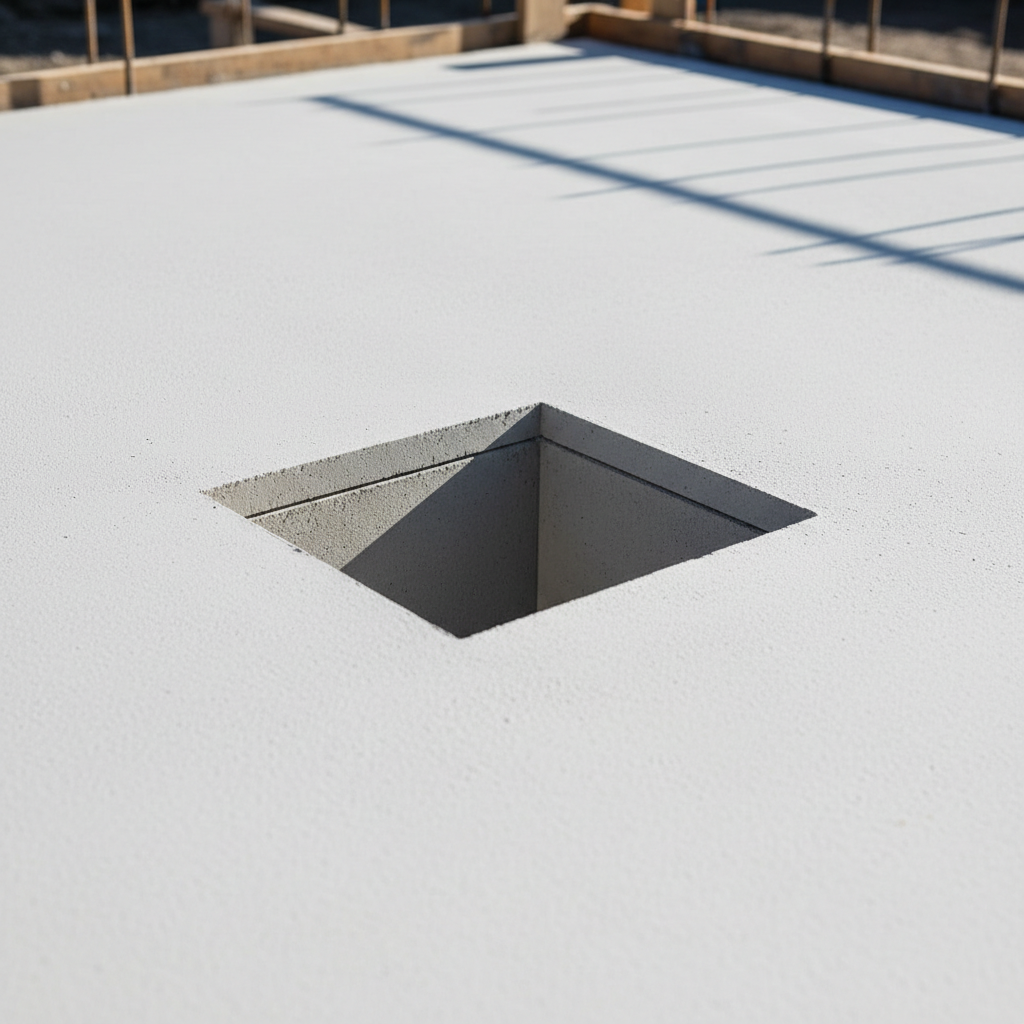
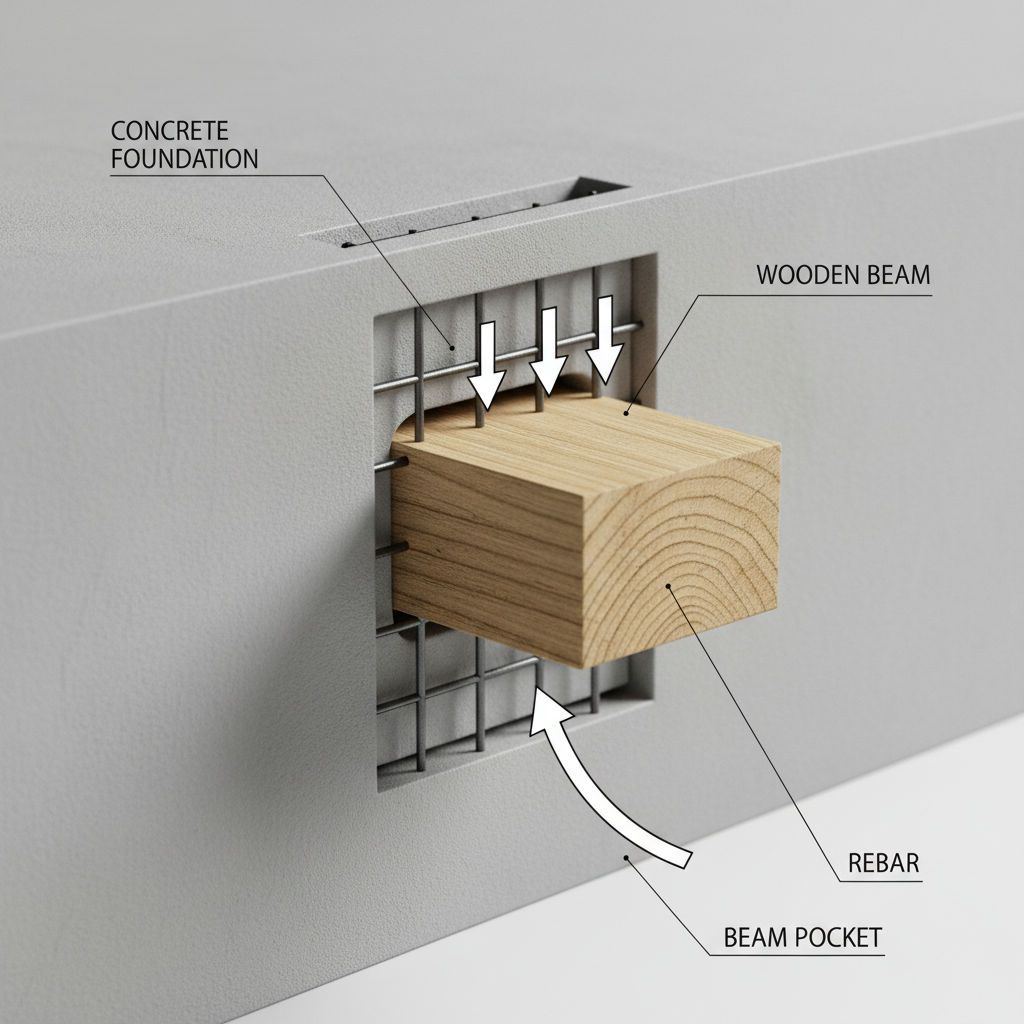
Simply put, a beam pocket is a recessed opening or notch specifically formed within a concrete foundation, wall, or slab to receive and support the end of a structural beam. Imagine a perfectly tailored glove designed to hold a beam firmly in place. Its primary function is to transfer the vertical load from the beam directly and safely into the supporting structure below, whether that's a foundation wall, a concrete pier, or a larger slab.
In ADU construction, beam pockets are most commonly found in the foundation system. They are crucial for supporting floor beams, girders, or other structural elements that carry the weight of the floor, walls, and roof of the ADU, distributing these loads evenly to the ground.
Why Beam Pockets are Indispensable for ADUs in California
The importance of beam pockets extends beyond simple load bearing, particularly when building an ADU in California. Here's why they are so critical:
- Structural Integrity: They ensure that the structural beams are securely anchored, preventing movement, rotation, or displacement that could compromise the entire structure.
- Efficient Load Transfer: Beam pockets provide a direct and efficient path for weight distribution from the superstructure down to the foundation and into the earth. This prevents localized stress points that could lead to cracking or failure.
- Seismic Resilience: California's seismic activity makes robust structural connections paramount. Properly detailed beam pockets, often reinforced with rebar and securely tied into the foundation, contribute significantly to an ADU's ability to withstand earthquake forces by maintaining continuity in the load path.
- Compliance with Building Codes: California building codes, especially those related to seismic design, mandate specific requirements for structural connections. Beam pockets are a key component in meeting these rigorous standards, ensuring the safety and legality of your ADU.
- Durability and Longevity: By providing stable support and preventing structural movement, beam pockets contribute to the overall durability and extended lifespan of your ADU, reducing the likelihood of costly repairs down the line.
The Anatomy of a Beam Pocket: Key Components
A well-engineered beam pocket isn't just a hole in the concrete. It's a carefully designed structural element comprised of:
- The Recess: The precisely dimensioned opening in the concrete designed to snugly fit the beam.
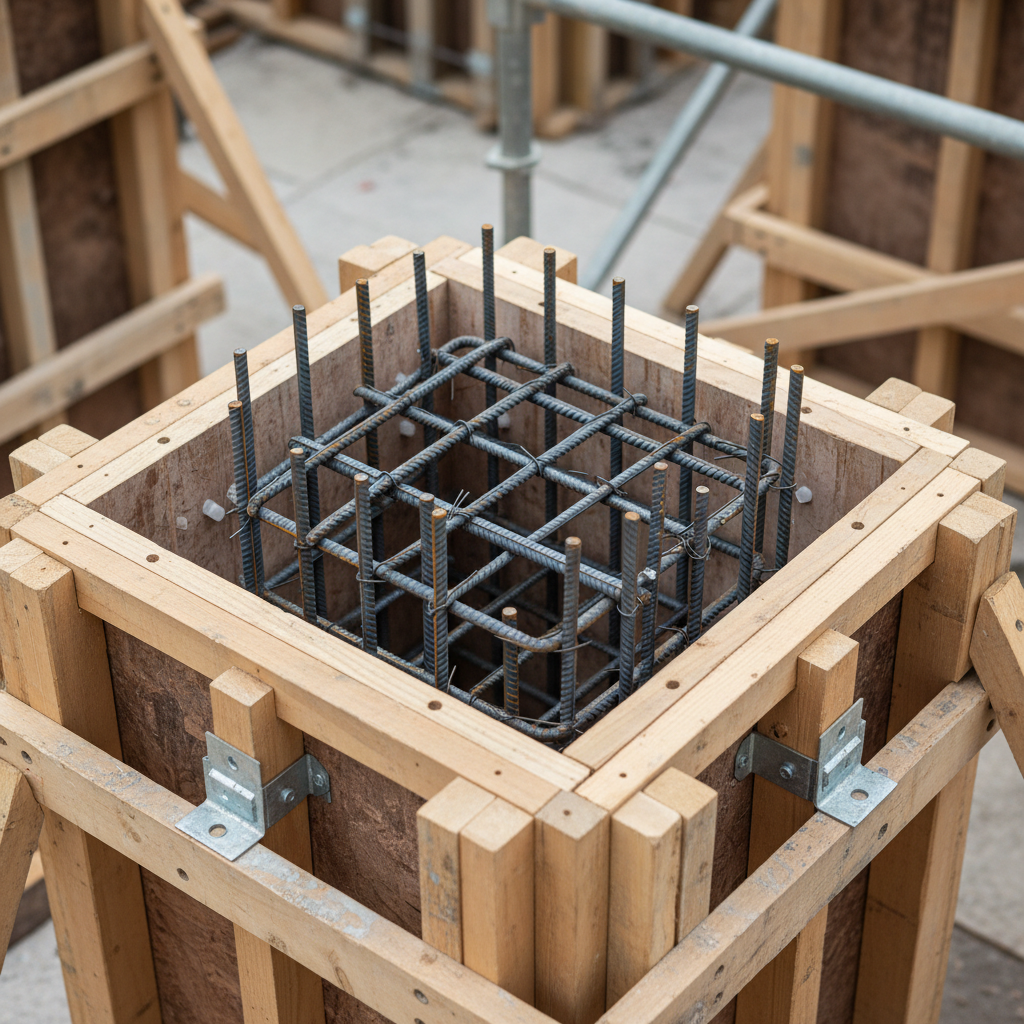
- Reinforcement (Rebar): Steel reinforcing bars (rebar) are strategically placed within the concrete around the pocket. This rebar ties the pocket into the main foundation structure, enhances its tensile strength, and prevents cracking, especially under seismic loads.
- Bearing Surface: The bottom surface of the pocket upon which the beam rests. This must be level and capable of evenly distributing the beam's load.
- Grout/Epoxy: Once the beam is installed, the remaining gaps around it within the pocket are often filled with non-shrink grout or structural epoxy to ensure a complete, tight, and load-bearing connection.
The precision involved in creating these components is paramount. Any deviation can lead to structural weaknesses.

The Meticulous Process of Detailing a Beam Pocket in ADU Construction
Detailing a beam pocket is a multi-stage process that requires careful planning, skilled craftsmanship, and adherence to engineering specifications. Here's a breakdown:
1. Design & Engineering
The process begins on the drawing board. A licensed structural engineer, often collaborating with the architect, will calculate the exact loads the beam will carry. Based on these calculations, they will specify:
- The precise dimensions of the beam pocket (width, depth, height).
- The type, size, and layout of reinforcing steel (rebar) required within the pocket and how it ties into the main foundation.
- The required concrete strength.
- Any specific connection details, such as anchor bolts or hold-downs.
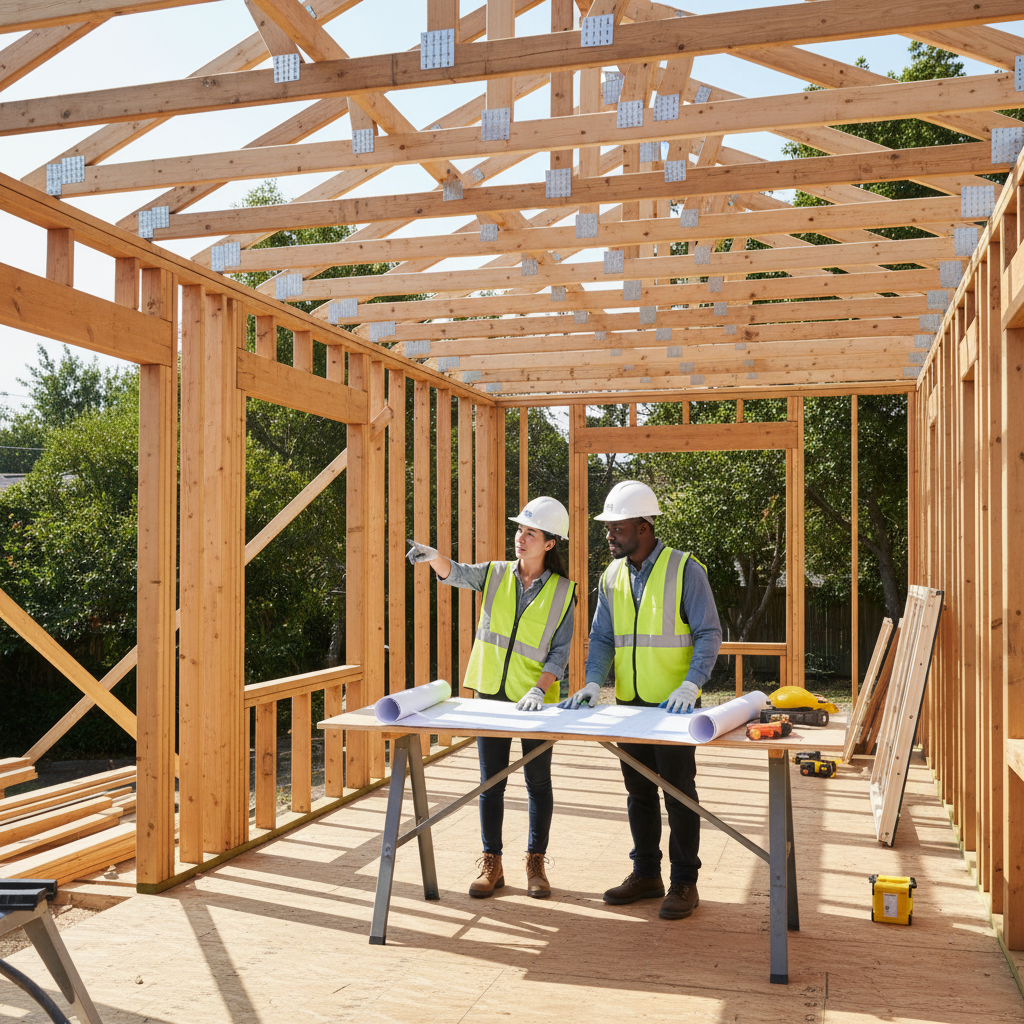
These specifications are detailed on the structural blueprints, which serve as the guide for the construction team.
2. Formwork Construction
Before concrete can be poured, temporary molds, known as formwork, are built to create the shape of the beam pocket. This formwork must be:
- Accurate: Constructed precisely to the dimensions specified in the plans.
- Rigid: Strong enough to withstand the pressure of wet concrete without deforming.
- Secure: Braced adequately to prevent movement during the pour.
Precision at this stage is critical, as any misalignment will directly impact the fit of the beam.
3. Reinforcement Placement
Once the formwork is in place, the reinforcing steel (rebar) is carefully installed. This involves:
- Cutting and bending rebar to the specified shapes and lengths.
- Placing it within the formwork according to the structural drawings, ensuring proper cover (distance from the concrete surface).
- Tying the rebar for the beam pocket securely to the main foundation rebar to create a monolithic, integrated structure.
This network of rebar provides the tensile strength that concrete lacks, allowing the beam pocket to resist bending and shear forces.
4. Concrete Pour & Curing
With the formwork and rebar ready, concrete is poured into the forms. During and after the pour, several critical steps ensure the quality of the beam pocket:
- Vibration: The concrete is vibrated to remove air bubbles and ensure it fully encapsulates the rebar and fills all corners of the formwork.
- Finishing: The top surface of the pocket is carefully leveled and finished to provide a true bearing surface for the beam.
- Curing: The concrete is allowed to cure properly, often by keeping it moist for several days. This process is essential for the concrete to achieve its designed strength and durability.

5. Beam Installation & Grouting
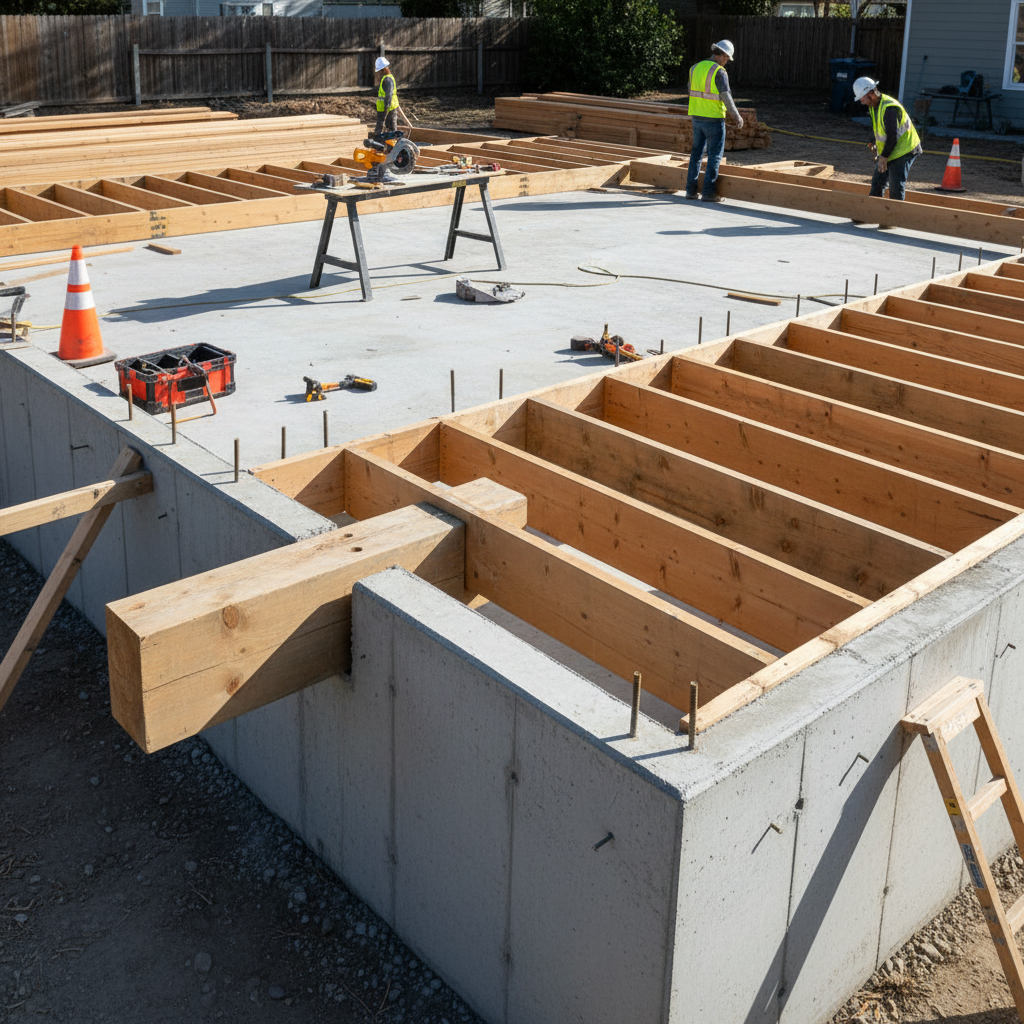
Once the concrete has cured sufficiently, the formwork is removed, revealing the finished beam pocket. The structural beam (whether wood, steel, or glulam) is then carefully lowered and positioned into the pocket. It's crucial that the beam fits snugly and rests evenly on the bearing surface.
Any remaining gaps between the beam and the concrete pocket are typically filled with a high-strength, non-shrink grout. This grout ensures that the load is evenly transferred from the beam to the entire pocket, creating a solid, integral connection.
6. Waterproofing & Sealing
For exterior beam pockets or those in areas prone to moisture, proper waterproofing and sealing are vital. This prevents water intrusion, which could lead to wood rot in timber beams or corrosion in steel beams, compromising the structural integrity over time. This step might involve applying waterproof membranes or sealants.
Common Challenges and How GatherADU Mitigates Them
Despite the clear process, challenges can arise in beam pocket detailing:
- Dimensional Inaccuracy: Even a slight error in formwork or rebar placement can lead to a beam not fitting correctly, requiring costly rework.
- Inadequate Reinforcement: Improper rebar tying or insufficient rebar can compromise the pocket's strength and seismic resistance.
- Poor Concrete Consolidation: Air voids in the concrete can weaken the pocket.
- Moisture Intrusion: Lack of proper waterproofing can lead to long-term structural damage.
At GatherADU, our integrated design-build approach and experienced teams of engineers, project managers, and skilled tradespeople proactively address these challenges. We utilize precise construction techniques, rigorous quality control checks at every stage, and a deep understanding of California's specific environmental and seismic requirements. Our commitment to excellence ensures that every structural detail, including beam pockets, is executed flawlessly.
Compliance: Navigating California's Building Codes
Building an ADU in California means adhering to some of the most stringent building codes in the nation, particularly concerning structural integrity and seismic design. Beam pocket detailing is directly impacted by these regulations:
- California Building Code (CBC): The CBC, based on the International Building Code (IBC) with California-specific amendments, provides detailed requirements for concrete, steel, and wood construction, including connection details.
- Seismic Design Categories: California falls into high seismic design categories, meaning all structural connections, including beam pockets, must be designed to resist significant earthquake forces. This often dictates more robust reinforcement and connection methods.
- Local Jurisdictional Requirements: Beyond the state code, individual cities and counties may have additional requirements or interpretations that influence beam pocket design and construction.
Navigating these codes requires expertise. GatherADU's in-house design and engineering team is intimately familiar with all relevant California building codes and local ordinances, ensuring that your ADU is not only structurally sound but also fully compliant from day one. If you're considering an ADU project and want to ensure every detail is handled by experts, we invite you to schedule a free ADU consultation to discuss your vision and our process.

The Long-Term Benefits of Expert Beam Pocket Detailing
Investing in meticulous beam pocket detailing during your ADU's construction yields significant long-term benefits:
- Unquestionable Safety: The most crucial benefit is the assurance that your ADU is structurally safe for its occupants, capable of withstanding daily loads and unforeseen events like earthquakes.
- Enhanced Durability: A robust foundation system, including properly detailed beam pockets, contributes to the overall resilience and extended lifespan of your ADU.
- Reduced Maintenance & Repairs: Structural integrity prevents issues like sagging floors, cracking walls, and uneven settlement, leading to fewer maintenance headaches and costly repairs over time.
- Increased Property Value: A well-built ADU with a solid foundation is a valuable asset, enhancing the overall worth of your property.
- Peace of Mind: Knowing that your investment is built to the highest standards provides invaluable peace of mind.
Conclusion: Building a Strong Foundation for Your ADU
The beam pocket, though a seemingly small component, is a powerful example of how critical precise engineering and construction are in building a safe, durable, and compliant ADU. Its role in transferring loads, ensuring stability, and enhancing seismic resilience makes it an indispensable element, particularly in California's unique construction landscape.
At GatherADU, we pride ourselves on our meticulous attention to every structural detail, from the largest beam to the smallest connection. Our integrated design-build approach ensures that your ADU's foundation is not just strong, but engineered and constructed with unparalleled expertise. Don't leave the structural integrity of your backyard home to chance. Partner with GatherADU for an ADU that's built to last.
Ready to start your ADU journey with confidence? Book your free ADU project estimate with GatherADU today and let our experts guide you through every step of building your dream backyard home.