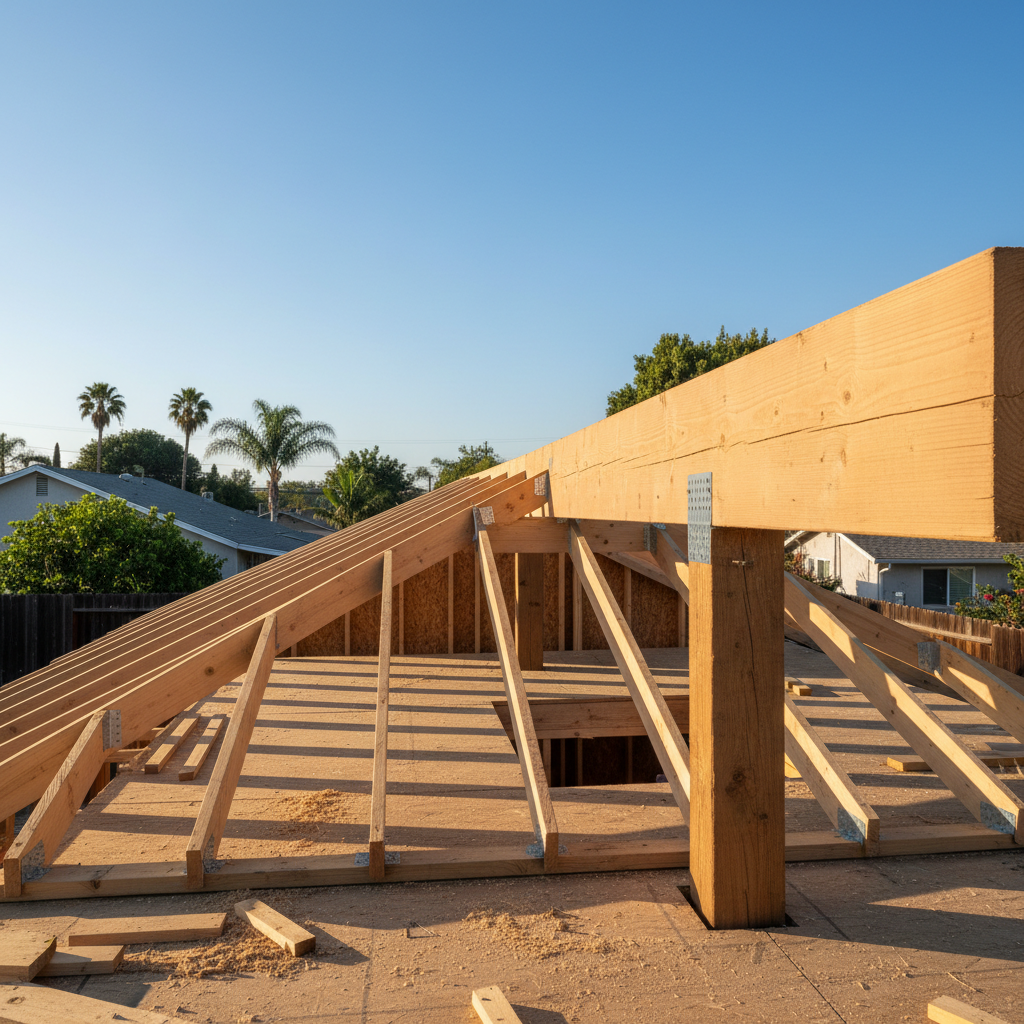
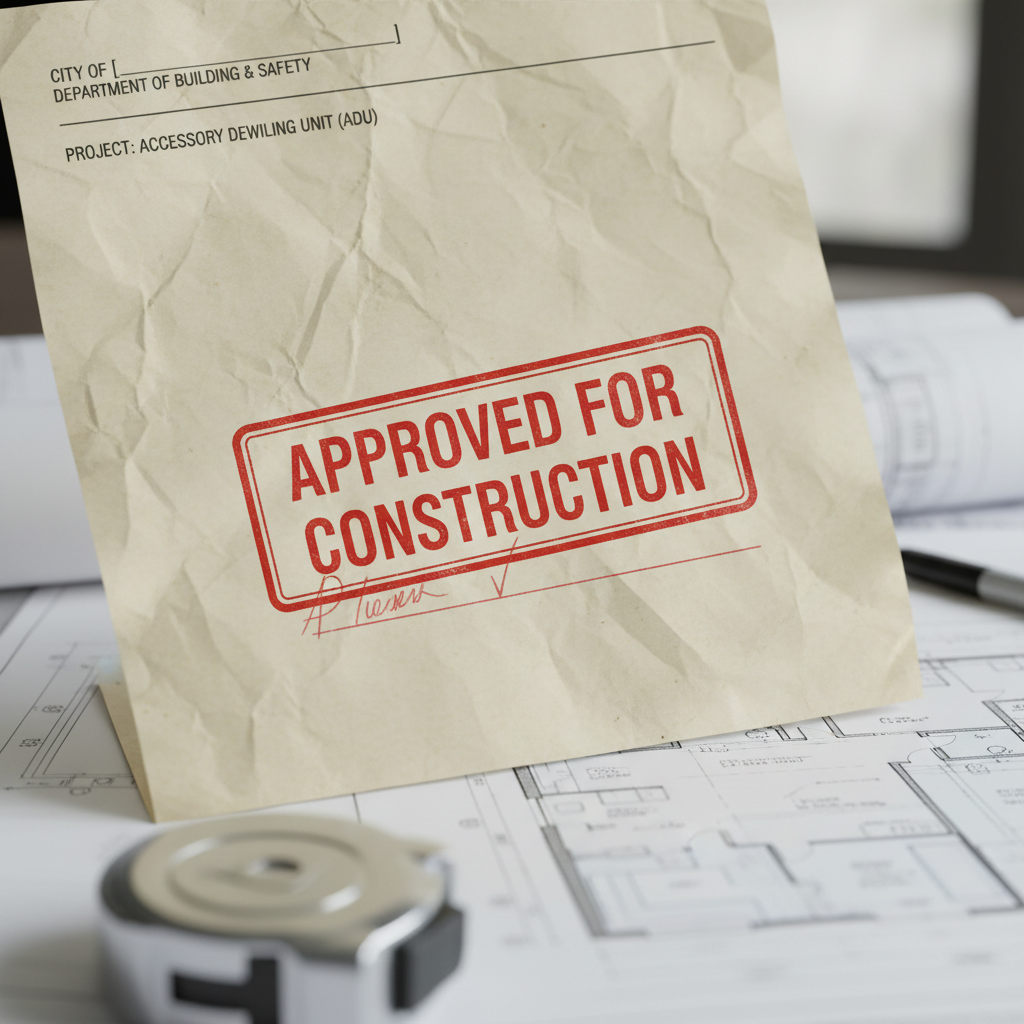
Embarking on an Accessory Dwelling Unit (ADU) project in California is an exciting venture, promising added value, rental income, or extra space for family. However, the path to permit approval often involves a few administrative hurdles. One common, and often misunderstood, step homeowners encounter is receiving a building department correction letter. Far from being a rejection, this letter is a standard part of the permit review process, indicating areas where your plans need revision or clarification before approval. Understanding what it is and how to respond effectively is crucial for keeping your ADU project on track.
At GatherADU, we guide homeowners through every phase of ADU design and construction, including navigating the permitting complexities. This article will demystify the building department correction letter, explain why it's issued, and outline the steps you should take to address it, ensuring a smoother journey to your completed ADU.
What is a Building Department Correction Letter?
A building department correction letter, sometimes referred to as a plan check correction sheet or a permit correction notice, is an official document issued by your local building department after they've reviewed your submitted construction plans. Its primary purpose is to identify any discrepancies, omissions, or non-compliance issues within your plans relative to the local building codes, zoning ordinances, and state regulations (like California's ADU laws).
Think of it not as a roadblock, but as a detailed checklist from the experts. The building department's plan checkers — architects, engineers, and code specialists — meticulously review every aspect of your proposed ADU. Their job is to ensure that your design is safe, structurally sound, and adheres to all applicable laws. If they find anything that doesn't meet these criteria, or if information is unclear or missing, they'll itemize these points in a correction letter.
For ADUs specifically, correction letters are almost universal. Given the intricate interplay of state ADU laws, local ordinances, and standard building codes, it's rare for a complex set of construction documents to pass through the initial review without any requested revisions. It's a standard part of the checks and balances designed to protect both the homeowner and the community.

Why Are Correction Letters Issued? Common Reasons for ADU Projects
Correction letters can cover a wide range of issues, from minor clerical errors to significant design flaws. For ADU projects in California, some reasons are more common than others:
-
Design and Code Compliance:
- Missing Details: Plans may lack crucial information, such as window specifications, insulation R-values, or specific material callouts.
- Building Code Violations: This could include issues with fire safety (e.g., inadequate separation from primary dwelling), ceiling heights, room sizes, or ventilation.
- Energy Efficiency: California has strict Title 24 energy codes. Corrections often relate to insufficient insulation, window performance, or HVAC system design.
-
Zoning and Permitting Issues:
- Setbacks: ADUs have specific setback requirements (e.g., 4 feet from rear and side property lines). Plans might show non-compliant distances.
- Lot Coverage/FAR: Exceeding the maximum allowable lot coverage or Floor Area Ratio (FAR) for the property.
- Height Restrictions: The ADU's proposed height might exceed local or state limits.
- Parking: Though many ADUs are exempt from new parking requirements, some local conditions might still apply.
-
Structural Engineering Concerns:
- Incomplete Calculations: Missing or insufficient structural calculations for foundations, framing, or seismic bracing.
- Load Path Issues: Problems with how forces (like roof loads or seismic forces) are transferred through the structure to the foundation.
- Soil Conditions: Requirements for geotechnical reports or specific foundation designs based on soil type.
-
Accessibility (ADA) Compliance:
- If the ADU is intended for rental or certain uses, it may need to meet specific accessibility standards, including wider doorways, ramp slopes, or bathroom clearances.
-
Missing or Incomplete Documentation:
- Failure to include required reports (e.g., arborist report, geological report) or incomplete application forms.
- Incorrect or outdated site surveys.
-
Utility Connections:
- Issues related to the proposed connections for water, sewer, gas, and electricity, and their compliance with utility provider requirements.
Understanding these common pitfalls highlights the value of working with experienced ADU professionals who are intimately familiar with both state ADU laws and specific local ordinances. If you're embarking on an ADU project and want to minimize permitting headaches, don't hesitate to consult with GatherADU's ADU permitting experts.
The Process: What Happens After You Receive a Correction Letter?
Receiving a building department correction letter might feel daunting, but it's a manageable step in the permitting process. Here’s a breakdown of what typically happens and how to respond:
Step 1: Don't Panic – It's Normal!
Seriously, this is the most important first step. Correction letters are standard procedure. Very few, if any, complex construction plans are approved on the first submission. It simply means the building department has done its job of thoroughly reviewing your plans.
Step 2: Review and Understand the Corrections Thoroughly
Carefully read through the entire correction letter, line by line. It will typically be itemized, with each point referring to a specific page or section of your plans. Look for:
- Clarity: Do you understand what each correction is asking for?
- Impact: How significant are the changes requested? Are they minor adjustments or major redesigns?
- Responsibility: Identify who on your team (architect, engineer, energy consultant, contractor, or homeowner) is responsible for addressing each specific item.
Step 3: Consult Your Project Team
If you're working with an experienced ADU design-build firm like GatherADU, this step is seamless. Your design team (architects, structural engineers, energy consultants) will review the letter, clarify any ambiguities with the plan checker if necessary, and formulate a strategy for addressing each item. If you're managing the project yourself, you'll need to coordinate with each of your consultants to ensure they understand their tasks.
Step 4: Address the Corrections
This is where the actual work happens. Your team will:
- Revise Plans: Update architectural drawings, structural plans, and other relevant documents to incorporate the requested changes.
- Prepare Narrative Responses: Often, the building department requires a written response for each correction item, explaining how it was addressed and where the changes can be found in the revised plans. This demonstrates that all points have been considered and resolved.
- Gather Additional Documentation: If the letter requested new reports or forms, these will need to be prepared and included.
Step 5: Resubmit Your Plans
Once all corrections have been addressed, the revised plans and documentation are formally resubmitted to the building department. This often initiates a second (and typically faster) review cycle. Many jurisdictions offer online portals for resubmissions, streamlining the process.
Step 6: Follow-Up and Approval
After resubmission, there might be further minor questions or a quick clarification call. Once the plan checker is satisfied that all corrections have been adequately addressed, your ADU plans will be approved, and your building permit will be issued. This is a significant milestone, allowing construction to begin!
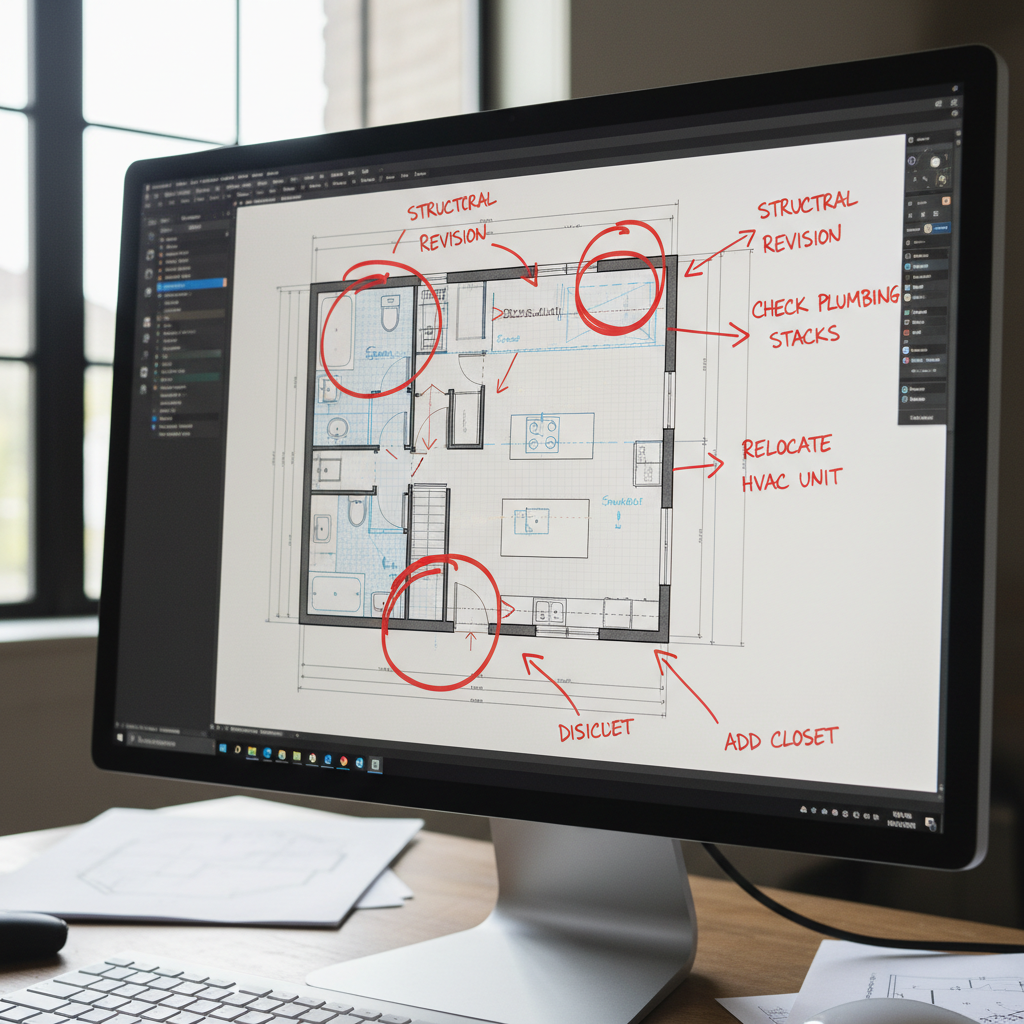
How GatherADU Helps Navigate Correction Letters
For many homeowners, the thought of receiving a correction letter and then coordinating revisions can be overwhelming. This is where partnering with an experienced ADU specialist like GatherADU makes a significant difference. Our integrated design-build approach means:
- Expertise from the Start: Our in-house design and engineering teams are intimately familiar with California's ADU laws and local municipal codes. We design with these regulations in mind, proactively minimizing potential corrections.
- Seamless Coordination: If a correction letter is issued, our team takes immediate action. We handle the communication with the building department, coordinate all necessary revisions among our architects, engineers, and other specialists, and manage the resubmission process. You don't have to juggle multiple consultants or interpret technical jargon.
- Faster Turnaround: Our experience allows us to quickly understand and implement corrections, often leading to faster permit approval times compared to homeowners managing the process independently.
- Reduced Stress: We shoulder the burden of the permitting process, allowing you to focus on the exciting aspects of your ADU project rather than administrative complexities.
To ensure your ADU plans are robust and compliant from day one, consider a free ADU project consultation with GatherADU.
Tips for a Smoother ADU Permitting Process
- Hire Experienced Professionals: This cannot be stressed enough. An ADU design-build firm or a design team with extensive ADU experience will anticipate common issues and submit more robust plans from the outset.
- Understand Your Local Ordinances: While state laws streamline ADUs, local jurisdictions still have some say. A good design team will be up-to-date on your specific city's or county's requirements.
- Be Thorough with Initial Submissions: Ensure all required documents, forms, and plan sheets are complete and clearly presented. Incomplete submissions are a primary cause of correction letters.
- Maintain Open Communication: Your design team should have a clear line of communication with the building department's plan checkers to clarify any points quickly.
Conclusion
A building department correction letter is a routine, not a catastrophic, event in the ADU permitting process. It's an essential part of ensuring your backyard home is built safely, legally, and to the highest standards. By understanding what these letters entail and working with an experienced team, you can navigate this step efficiently and confidently.
GatherADU is committed to making your ADU journey as smooth and stress-free as possible. From initial design to final permit approval, we handle the complexities, including expertly addressing any correction letters. Ready to navigate your ADU project with confidence and avoid unnecessary delays? Book your free ADU consultation with GatherADU today.