When planning your Accessory Dwelling Unit (ADU) in California, safety and code compliance are non-negotiable. Among the critical elements often discussed is the need for ADU fire-rated wall requirements. But what exactly does 'fire-rated' mean in the context of your backyard home, and more importantly, when is it a mandatory part of your ADU construction?
This comprehensive guide from GatherADU will demystify fire-rated wall assemblies, explain their importance, and outline the specific scenarios where they become a crucial component of your ADU project. Understanding these requirements is not just about compliance; it's about ensuring the safety of your property, your tenants, and your investment.
What is a Fire-Rated Wall Assembly?
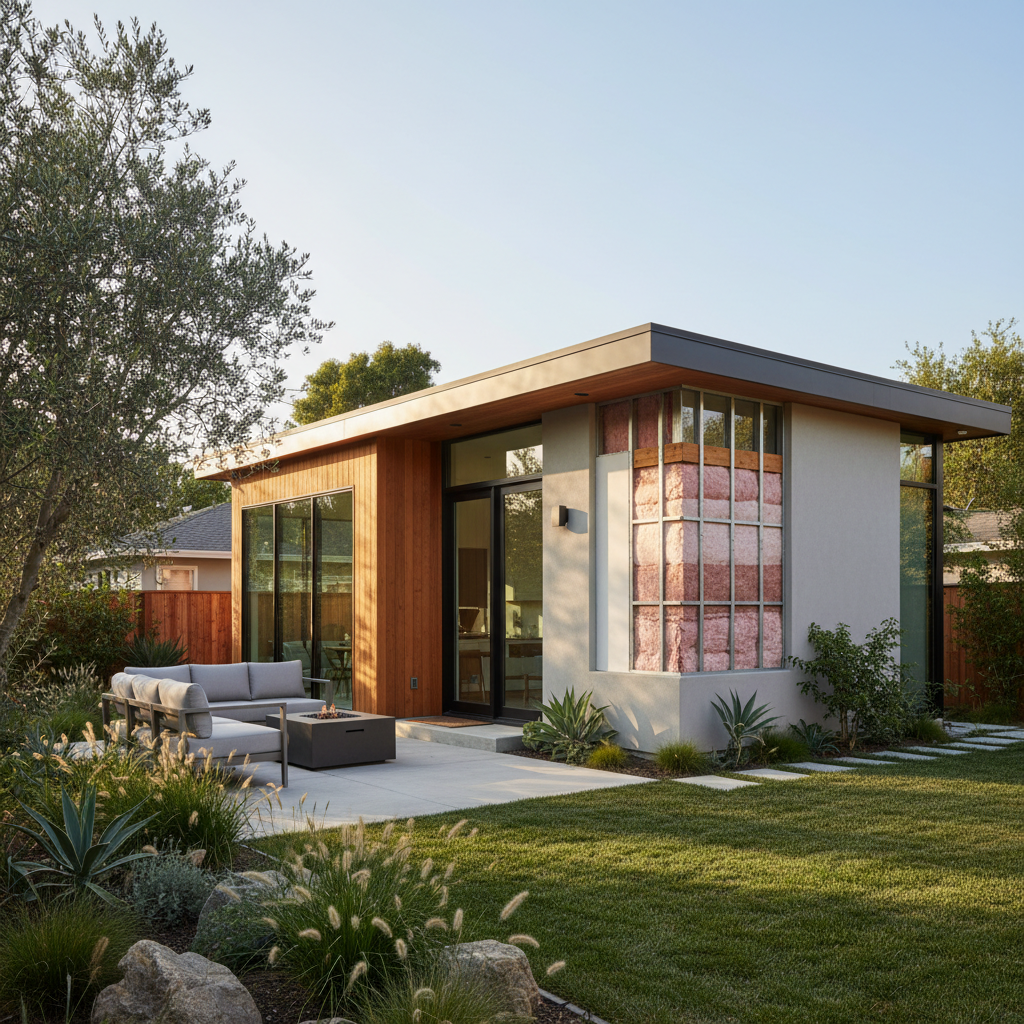
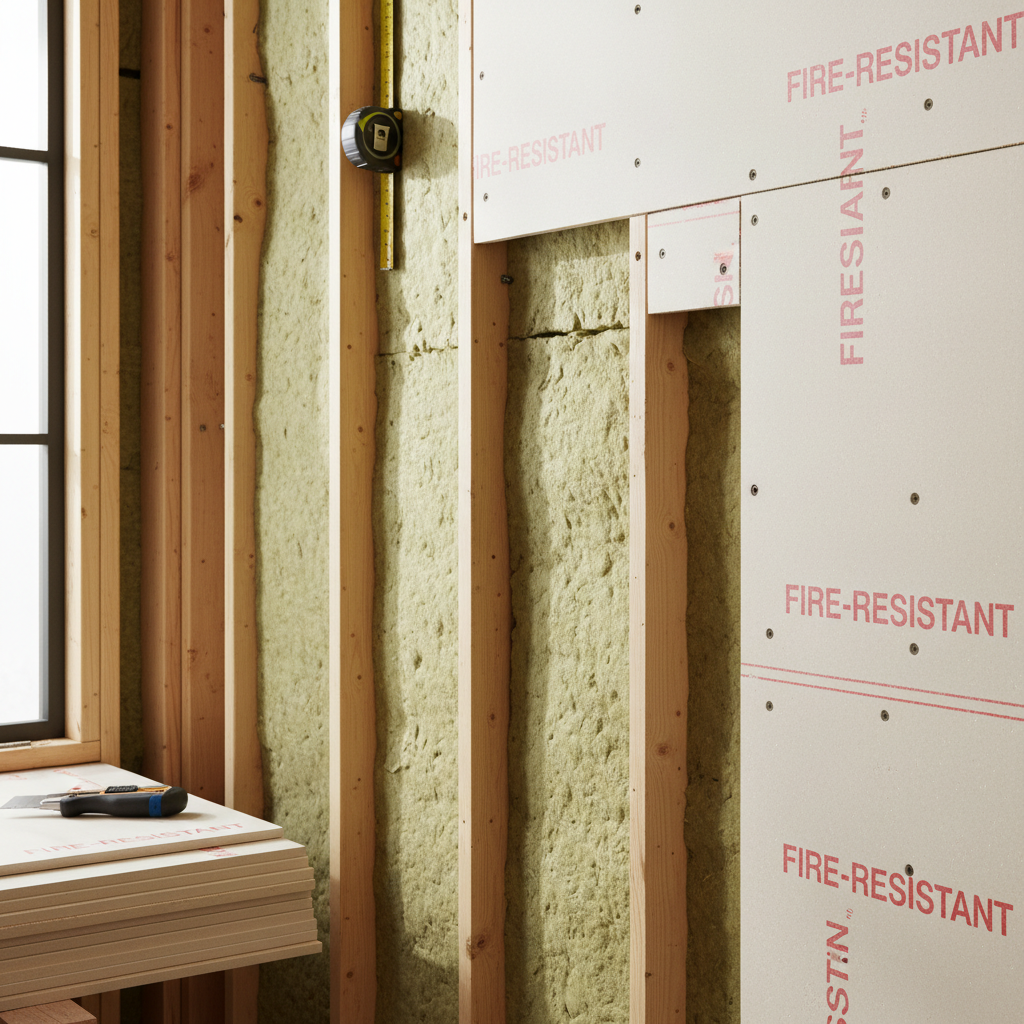
A fire-rated wall assembly is a construction system designed to resist the spread of fire for a specified period. It's not just about a single material; it's a combination of components working together to create a fire barrier. These assemblies are tested and certified to maintain their structural integrity and prevent the passage of flame and excessive heat for a defined duration, typically measured in hours.
Key Components of a Fire-Rated Wall:
- Fire-Resistant Gypsum Board (Drywall): Often referred to as Type X gypsum board, this material contains special additives (like glass fibers) that enhance its fire-resistive properties. It helps to slow down heat transfer and the spread of flames.
- Framing: The structural studs (wood or metal) that form the wall's skeleton play a role. The type of framing and its spacing can influence the overall fire rating.
- Insulation: Certain types of insulation, particularly mineral wool or fiberglass, contribute to the fire resistance by limiting heat transfer.
- Sheathing: On the exterior side, some fire-rated assemblies may incorporate specific fire-resistant sheathing materials beneath the exterior siding.
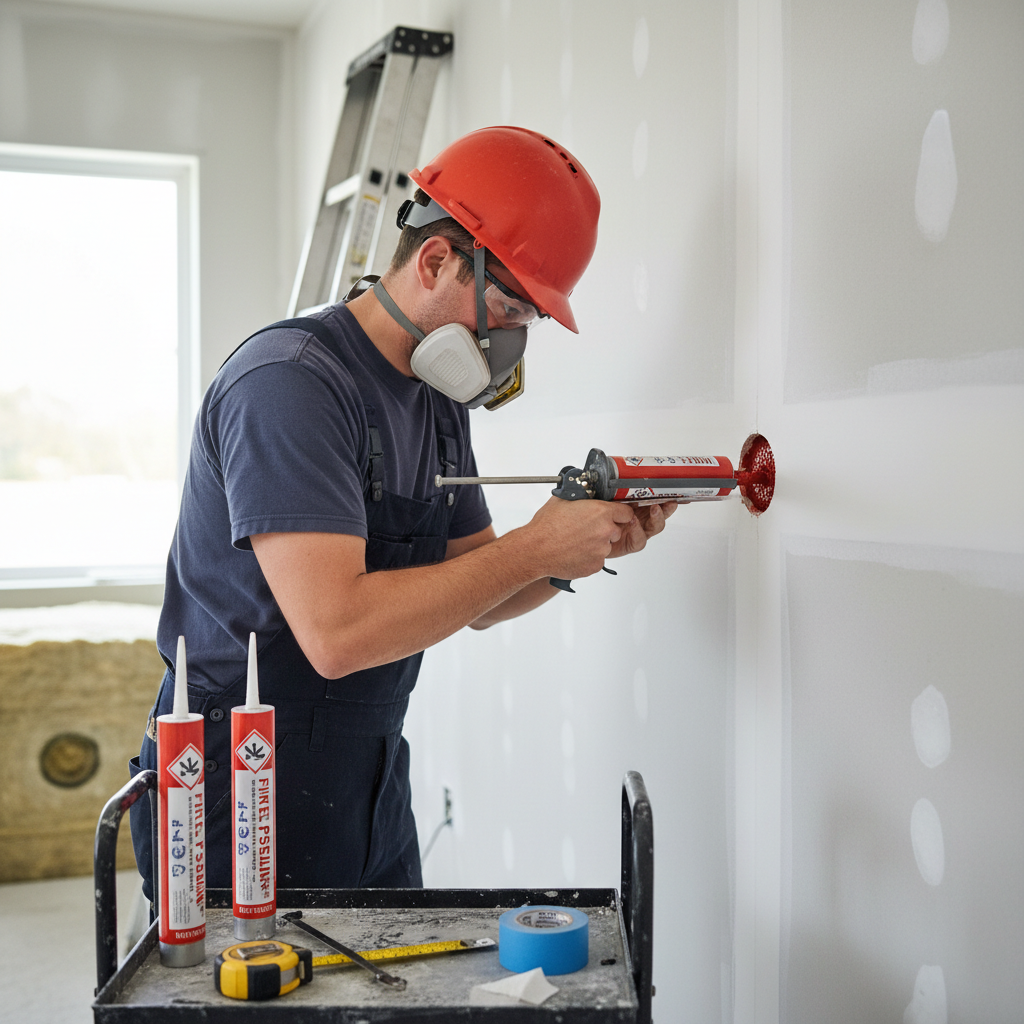
- Finishes and Sealants: All gaps, joints, and penetrations (for electrical, plumbing, HVAC) must be properly sealed with fire-rated caulk, sealants, or firestopping materials to maintain the assembly's integrity.
Fire-resistance ratings are typically expressed as 1-hour or 2-hour. A 1-hour rated wall means it can withstand fire for at least 60 minutes before compromising its integrity, while a 2-hour wall can do so for 120 minutes.
Why Are Fire-Rated Walls Crucial for ADUs?
The primary purpose of fire-rated walls is to save lives and protect property by compartmentalizing fires, giving occupants more time to evacuate and firefighters more time to control the blaze. For ADUs, this is particularly critical due to their proximity to existing structures and property lines.
- Life Safety: Providing a barrier against fire spread directly protects occupants in both the ADU and the primary residence.
- Property Protection: Fire-rated walls help prevent a fire in one building from spreading to an adjacent one, minimizing overall property damage.
- Building Code Compliance: California's building codes, largely based on the International Residential Code (IRC) and local amendments, mandate specific fire-resistive construction based on various factors, especially proximity to property lines and other structures.
- Insurance Requirements: Meeting fire safety codes can sometimes impact insurance premiums and ensure coverage in the event of a fire.
When is a Fire-Rated Wall Required for Your ADU?
Determining when an ADU requires a fire-rated wall assembly largely depends on its distance from property lines and other buildings. The California Residential Code (CRC) outlines these requirements, though local jurisdictions may have specific amendments. Here are the most common scenarios:
1. Proximity to Property Lines
This is the most common trigger for fire-rated construction in ADUs, particularly for detached units.
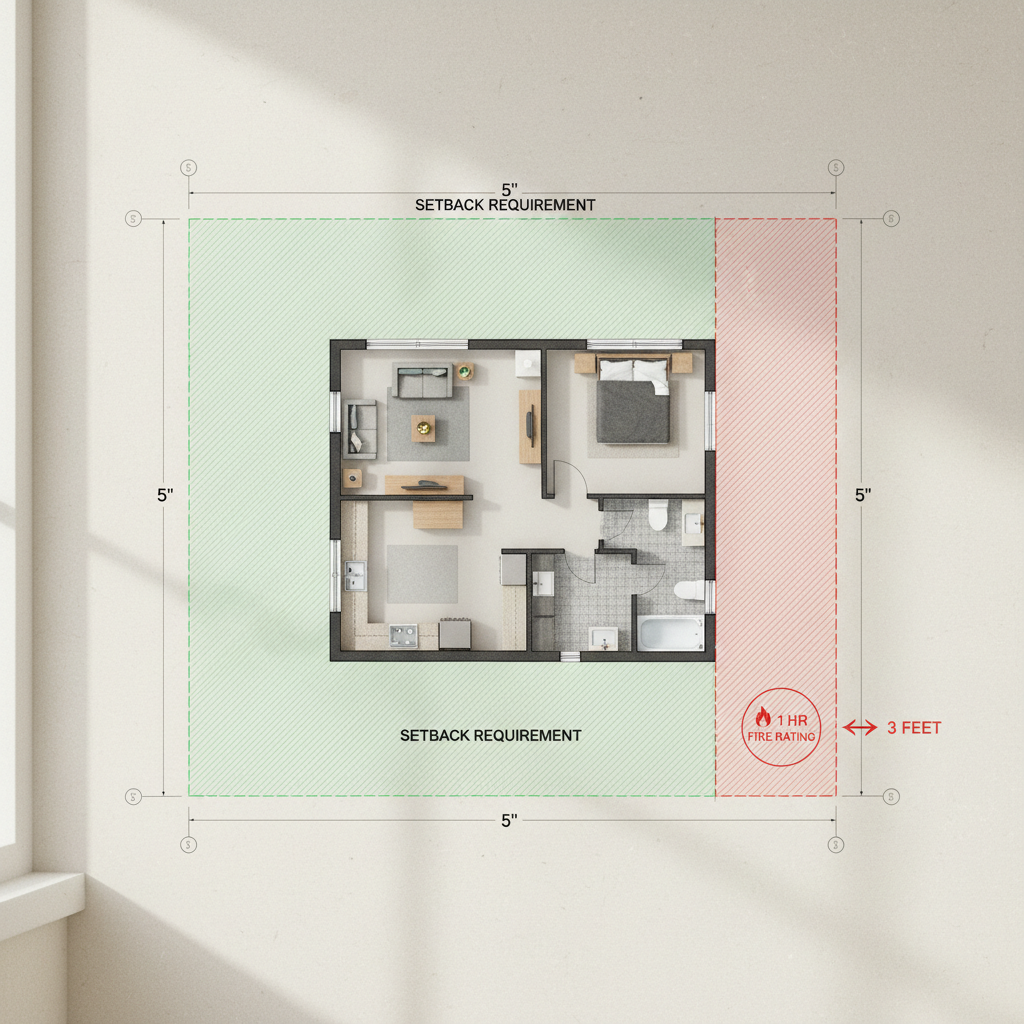
- Less than 3 Feet from the Property Line: If any wall of your ADU is built less than 3 feet from an interior side or rear property line (or a public way/alley), that wall is generally required to have a 1-hour fire-resistance rating. This rating often extends to the underside of the roof sheathing or ceiling directly above that wall, requiring specific eave and soffit construction as well.
- 3 to 5 Feet from the Property Line: In many jurisdictions, walls located 3 to 5 feet from a property line may also require a 1-hour fire-resistance rating. Some codes might allow for exceptions or specific types of non-rated construction if the wall has limited openings and certain non-combustible exterior finishes. However, it's safer to anticipate a 1-hour rating in this range unless explicitly stated otherwise by your local planning department.
- 5 Feet or More from the Property Line: Generally, walls located 5 feet or more from a property line do not require a specific fire-resistance rating, provided all other code requirements are met. However, local amendments or specific conditions (like WUI zones) can alter this.
| Distance from Property Line | Typical Fire-Resistance Rating | Notes |
|---|---|---|
| Less than 3 feet | 1-hour | Includes walls, eaves, and soffits. |
| 3 to 5 feet | Often 1-hour | Check local jurisdiction; some exceptions may apply. |
| 5 feet or more | Typically not required | Unless in WUI zones or other specific local rules apply. |
2. Proximity to the Main Dwelling (Attached ADUs)
For attached ADUs, fire separation from the primary residence is always a key concern. The common wall, floor, or ceiling assembly between the ADU and the main house will almost always require a 1-hour fire-resistance rating.
Even for detached ADUs, if they are built extremely close to the main house (e.g., less than 5 feet), similar fire separation requirements might apply to the wall facing the primary residence.
3. Wildland-Urban Interface (WUI) Zones
California has extensive Wildland-Urban Interface (WUI) zones, areas where homes and wildlands meet. If your property is located within a WUI zone, your ADU will be subject to enhanced fire-resistive construction requirements, regardless of its distance from property lines. These regulations aim to protect structures from wildfires and typically include:
- Ignition-resistant exterior materials (siding, roofing, decks).
- Fire-resistant windows and doors.
- Specific vent requirements to prevent ember intrusion.
- Enhanced wall and eave assemblies, which may implicitly meet or exceed standard fire-rated wall requirements.
It is crucial to determine if your property is in a WUI zone early in the planning process, as this significantly impacts material choices and construction costs.
4. Other Local Jurisdictional Requirements
While the California Residential Code provides a baseline, individual cities and counties in California have the authority to adopt local amendments that can be more stringent. Always consult with your local planning and building department or work with experienced ADU professionals to understand specific requirements in your area. They can provide clarity on setbacks, fire ratings, and WUI compliance.
If you're feeling overwhelmed by the technicalities of ADU construction and compliance, our experts at GatherADU can simplify the process. Schedule a free consultation to discuss your project and ensure every detail, including fire safety, is handled correctly.
Understanding Fire-Rated Penetrations
A fire-rated wall is only as effective as its weakest point. Openings in fire-rated walls, such as windows, doors, and utility penetrations (pipes, ducts, electrical conduits), must also meet specific fire-resistance criteria.
- Fire-Rated Windows: These use specialized glazing (e.g., wired glass, ceramic glass) and frames designed to resist fire for a specified duration. The required rating depends on the wall's rating and the opening's size and location.
- Fire-Rated Doors: These are solid core doors with specific fire-resistance classifications (e.g., 20-minute, 45-minute, 90-minute) and must be installed with fire-rated frames and hardware that ensure they self-close and latch properly.
- Firestopping: Any penetration through a fire-rated wall (for plumbing, electrical, HVAC) must be sealed with approved firestopping materials (e.g., fire caulk, intumescent wraps) to prevent the passage of smoke and flames.
GatherADU's Commitment to Safety and Compliance
At GatherADU, we understand that navigating California's complex building codes, especially around fire safety, can be daunting. Our team of experienced designers and builders prioritizes not only the aesthetic and functional aspects of your ADU but also its absolute compliance with all safety regulations. We meticulously plan and construct every ADU to meet or exceed local and state fire codes, giving you peace of mind.
Conclusion
Fire-rated wall assemblies are a critical component of safe and compliant ADU construction, particularly in California. Their necessity is primarily dictated by the ADU's proximity to property lines, other structures, and its location within designated WUI zones. Understanding these ADU fire-rated wall requirements early in your planning process is essential for accurate budgeting, design, and a smooth permitting process.
Don't leave the safety and legality of your ADU to chance. Partner with a team that understands California's intricate building codes and prioritizes your peace of mind. Book your free ADU consultation with GatherADU today to start building your compliant and secure backyard home.