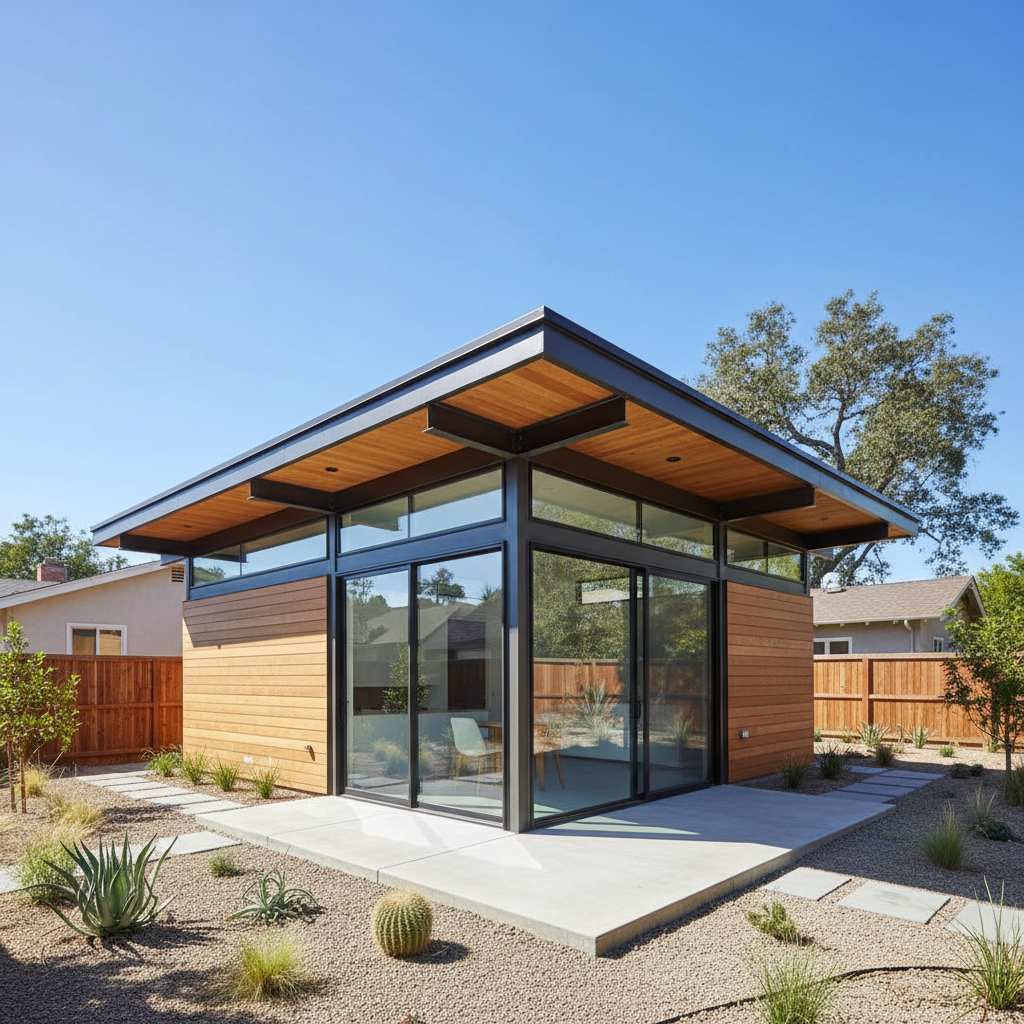
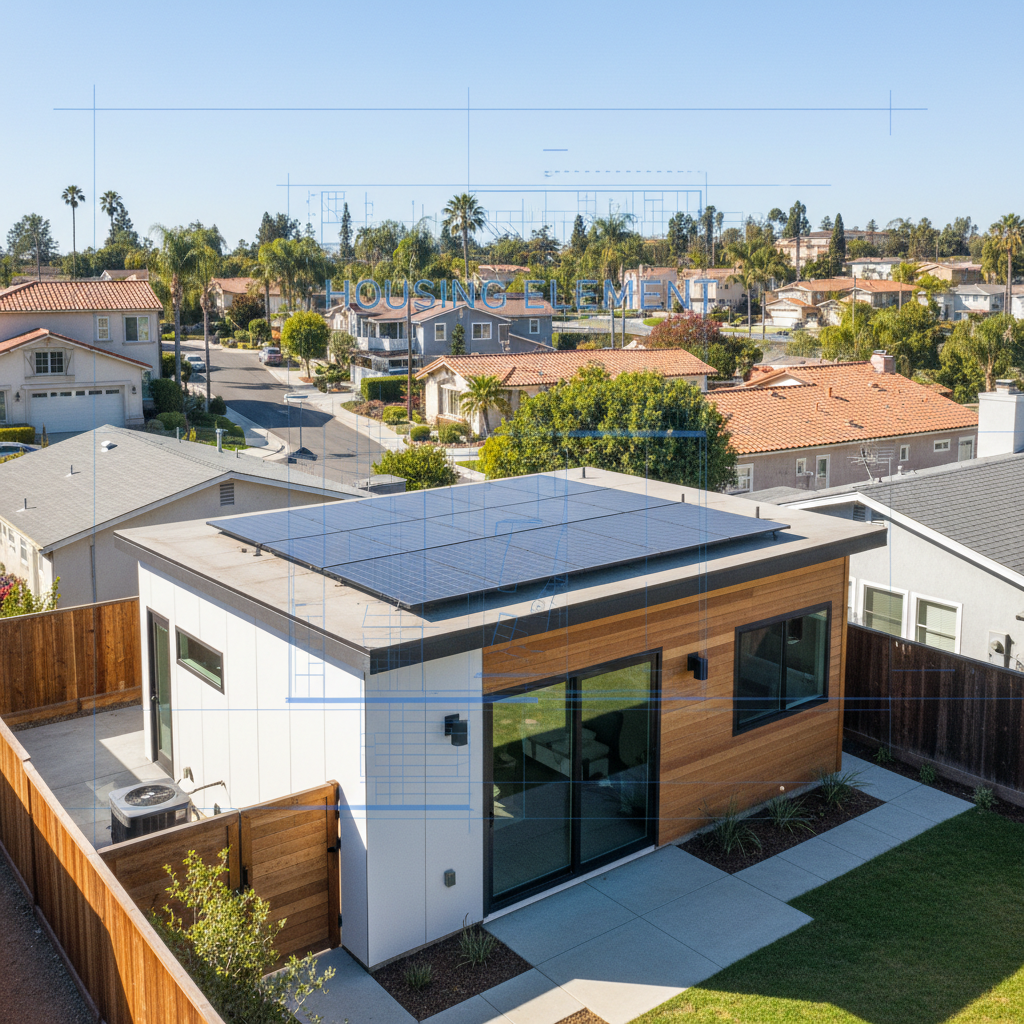
In the complex landscape of California real estate and housing development, few documents hold as much sway over local planning as the California Housing Element. For homeowners and prospective Accessory Dwelling Unit (ADU) builders, understanding this often-overlooked component of local general plans is not just academic; it's essential. The Housing Element directly dictates how local jurisdictions approach housing, profoundly influencing the ease and legality of building ADUs (backyard homes or granny flats) across the state.
As California grapples with a persistent housing shortage, the state has increasingly empowered Housing Elements to drive change, especially concerning infill development like ADUs. This article will demystify the Housing Element, explain its critical role in statewide housing policy, and illuminate why it's a game-changer for anyone considering an ADU project in California.
What Exactly Is a Housing Element?
At its core, a Housing Element is one of the mandatory chapters of a city or county's General Plan – the blueprint for future growth and development. Unlike other elements of the General Plan, the Housing Element is unique because it is subject to detailed statutory requirements and mandatory review and certification by the California Department of Housing and Community Development (HCD).
Key Components of a Housing Element:
- Housing Needs Assessment: An analysis of current and projected housing needs for all income levels, typically based on the Regional Housing Needs Allocation (RHNA).
- Sites Inventory: A comprehensive list of land parcels suitable and available for housing development, demonstrating how the jurisdiction plans to accommodate its RHNA. This is crucial for ADUs, as existing residential lots are a prime target.
- Constraints Analysis: An examination of governmental and non-governmental factors that might impede housing development, including land use controls, fees, and processing procedures.
- Goals, Policies, and Programs: A set of actionable strategies and measurable programs designed to meet housing needs, remove governmental constraints, and promote housing opportunities.
Local jurisdictions are required to update their Housing Elements every eight years, ensuring they remain responsive to evolving housing demands and state mandates. Failure to comply or to have a Housing Element certified by HCD can lead to severe consequences, including loss of eligibility for state funding and increased vulnerability to legal challenges under the Housing Accountability Act (HAA).

The "Why": California's Housing Crisis and the ADU Solution
California faces an acute housing affordability and supply crisis. Decades of underproduction have led to skyrocketing home prices and rents, pushing many residents out of the state or into precarious living situations. In response, state lawmakers have sought innovative solutions, and Accessory Dwelling Units have emerged as a powerful tool in the fight to increase housing supply.
ADUs offer numerous benefits: they provide affordable housing options, allow homeowners to generate rental income, enable multi-generational living, and make efficient use of existing infrastructure and urbanized land. Recognizing this potential, the state legislature has passed a series of laws aimed at simplifying and standardizing ADU development, often leveraging the Housing Element as the vehicle for implementation.
How Housing Elements Drive ADU Policy in California
The state's aggressive push for ADU production is deeply embedded within Housing Element law. Through various legislative actions, the California Housing Element has become a primary mechanism for ensuring local jurisdictions adopt and implement ADU-friendly policies. Here's how:
Mandates for Streamlined ADU Permitting
State law now mandates that Housing Elements must include programs to streamline ADU permitting processes. This means local governments cannot impose discretionary review (like conditional use permits) on ADU projects that meet state standards. Instead, they must adopt an administrative, ministerial review process, significantly reducing the time and uncertainty involved in getting an ADU approved.
Eliminating Restrictive Local Ordinances
Prior to recent reforms, many cities and counties had highly restrictive ADU ordinances, effectively stifling their development. The Housing Element, under state guidance, now forces local governments to update their ordinances to align with state law. This includes:
- Reduced Setbacks: State law limits setbacks for ADUs, often to just 4 feet from rear and side property lines, making it easier to fit an ADU on smaller lots.
- Parking Exemptions: Many ADUs are exempt from parking requirements, especially those located near public transit or within existing structures.
- No Owner-Occupancy Requirements: Homeowners are no longer required to live on the property where an ADU is built, providing greater flexibility for investors or those who wish to move.
- Elimination of Impact Fees: For ADUs under 750 square feet, impact fees (fees for parks, traffic, etc.) are prohibited, and for larger ADUs, they are significantly reduced.
The Role of the Department of Housing and Community Development (HCD)
HCD plays a critical oversight role. When a city or county submits its Housing Element for certification, HCD rigorously reviews it to ensure compliance with all state housing laws, including those pertaining to ADUs. If a Housing Element is not certified, the jurisdiction is deemed out of compliance, opening it up to legal challenges and potential state intervention. This pressure from HCD is a significant incentive for local governments to adopt robust, ADU-friendly policies.
Understanding these regulations can be complex, but you don't have to navigate them alone. If you're considering building an ADU and want to ensure your project aligns with current state and local policies, connect with GatherADU for expert guidance.

Impact on Homeowners and ADU Development
For California homeowners, the evolution of the California Housing Element ADU policy has been overwhelmingly positive. It has transformed ADUs from a niche, often difficult-to-permit project into a mainstream, accessible housing solution.
Simplified and Predictable Permitting
The most significant impact is the simplification and predictability of the permitting process. With ministerial review, homeowners can expect a much faster approval timeline, often within 60 days for complete applications. This reduces the risk and uncertainty that historically deterred many from pursuing an ADU.
Expanded Opportunities
The relaxation of setback, size, and parking requirements means that more properties across California are now eligible for ADUs. Even small lots or properties with unique configurations can often accommodate a well-designed backyard home. This expansion of eligible sites directly contributes to increasing California's housing stock.
Economic Benefits
For homeowners, an ADU can be a significant financial asset. It can provide a steady stream of rental income, increase property value, or offer a flexible living space for family members. The state's supportive ADU policies, driven by the Housing Element, make these benefits more attainable than ever before.
Ready to explore the possibilities for your property? GatherADU specializes in navigating California's ADU regulations to make your backyard home dream a reality. Get your free project estimate and see how easy it can be.

The Future of ADUs and Housing Elements
The relationship between the California Housing Element and ADU policy is dynamic and continuously evolving. As California's housing crisis persists, the state is likely to continue refining and strengthening Housing Element requirements to ensure local governments are doing their part to facilitate housing production, including ADUs.
Future updates to Housing Elements will likely continue to push for even greater flexibility, innovation, and efficiency in ADU development. This ongoing commitment at the state level ensures that ADUs will remain a vital and growing part of California's housing strategy for the foreseeable future.
Conclusion
The California Housing Element ADU connection is a powerful one. Far from being an obscure bureaucratic document, the Housing Element is a living, evolving blueprint that directly shapes the landscape of housing development in California, particularly for Accessory Dwelling Units. It mandates local policies that streamline permitting, reduce costs, and expand opportunities for homeowners to build backyard homes.
For anyone in California considering an ADU, understanding the Housing Element provides crucial context for the favorable regulatory environment. It underscores the state's commitment to housing solutions and reinforces the fact that now is an excellent time to invest in an ADU. At GatherADU, we are experts in navigating these complex regulations, ensuring your ADU project is compliant, efficient, and successful.
Don't let the intricacies of housing policy deter you from your ADU dream. Book a free ADU consultation with GatherADU today and let our team guide you through every step of the process, from design to permits to construction.