When planning your Accessory Dwelling Unit (ADU) in California, it's easy to get caught up in the exciting choices: floor plans, finishes, and the aesthetic appeal of your new backyard home. However, one of the most critical, yet often overlooked, components ensuring the longevity and structural integrity of your ADU lies beneath the surface: the ADU roof underlayment California homeowners need to understand.
This protective layer is the unsung hero of your roof system, acting as a crucial secondary barrier against the elements. Without proper underlayment, even the most robust roofing materials can fail prematurely, leading to leaks, structural damage, and costly repairs. For California ADUs, where diverse climates range from coastal humidity to desert heat and mountain snow, selecting the right underlayment isn't just a best practice—it's a necessity for compliance, durability, and peace of mind.
In this comprehensive guide, we'll demystify roof underlayment, explain why it's so vital for your California ADU, explore the different types available, and help you understand how to choose the best option for your project.
What Exactly Is Roof Underlayment? The Unsung Hero of Your ADU
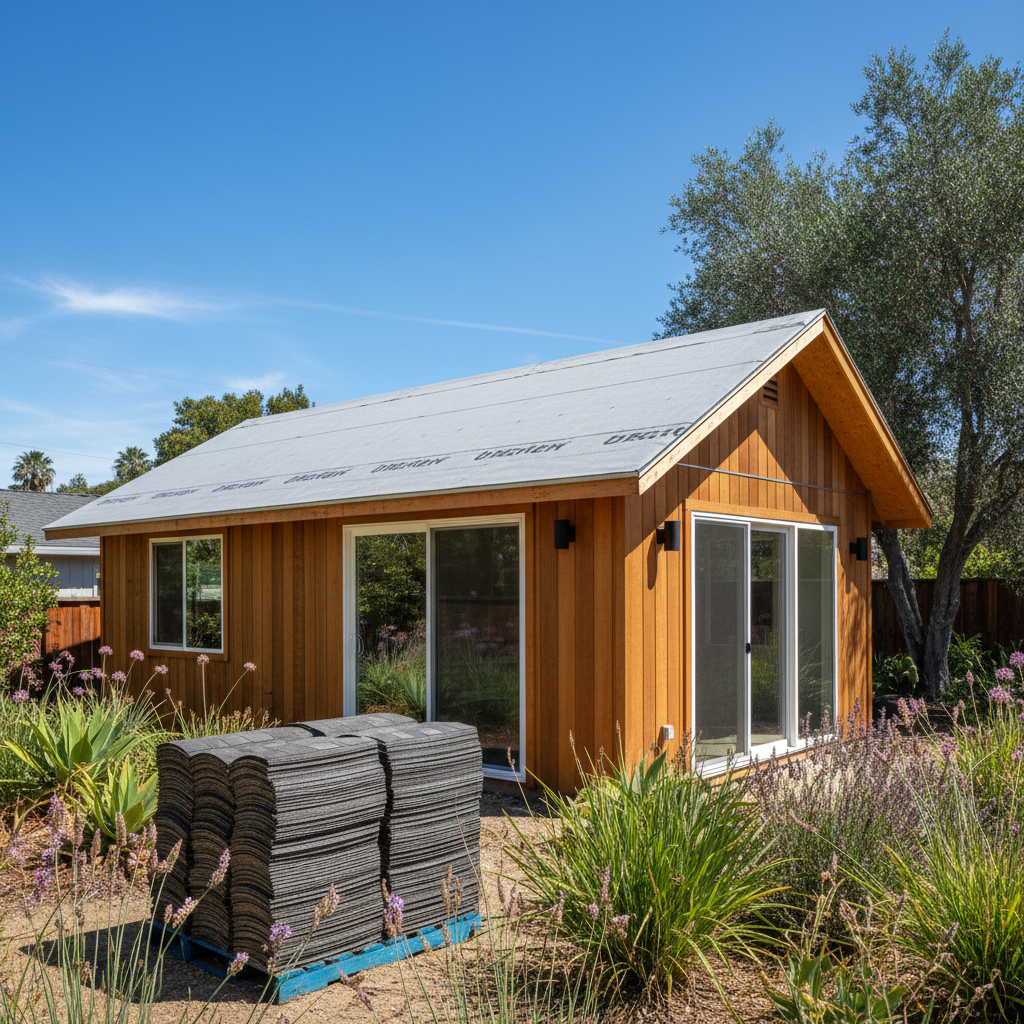
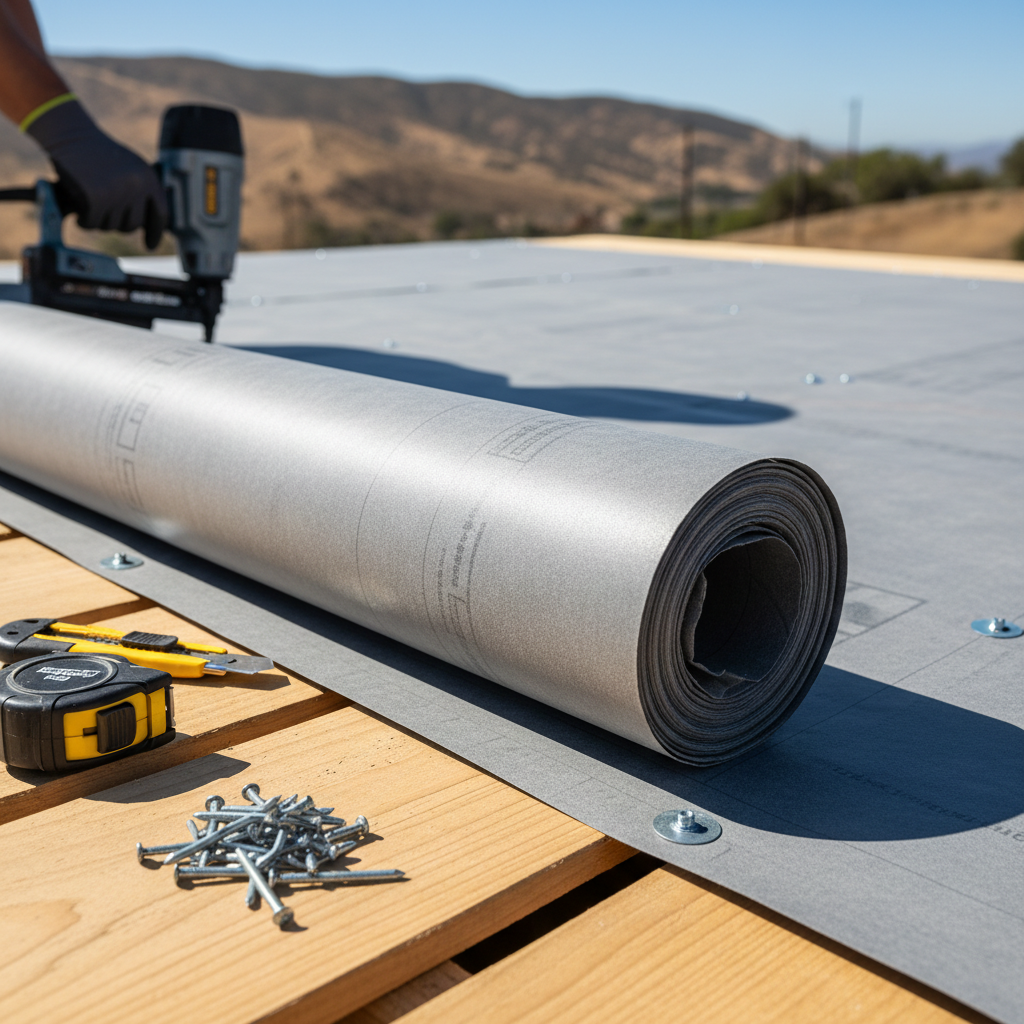
At its core, roof underlayment is a water-resistant or waterproof material installed directly onto your ADU's roof deck (plywood or OSB sheathing) before the final roofing material (like shingles, tiles, or metal panels) is applied. Think of it as an insurance policy for your roof. While your primary roofing material is designed to shed water, it's not foolproof. High winds can lift shingles, heavy downpours can push water under tiles, and over time, materials can degrade.
The underlayment serves several critical functions:
- Secondary Weather Barrier: It provides an essential layer of protection against moisture penetration should the primary roofing material fail or be compromised. This prevents water from reaching the roof deck, attic, and interior of your ADU.
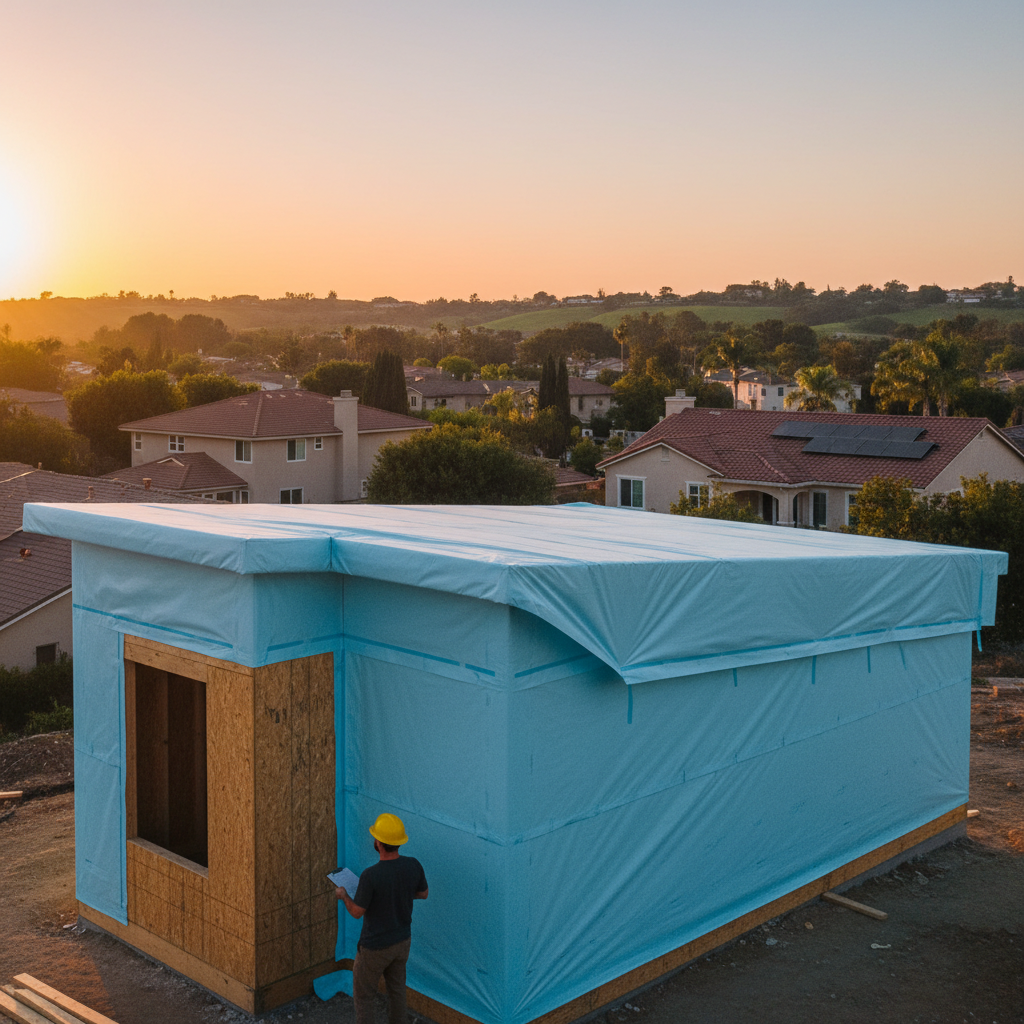
- Protection During Construction: It protects the roof deck from rain and moisture during the construction phase, before the primary roofing is installed.
- Deck Protection: It shields the roof deck from resins and oils that can leach out of some roofing materials, which could otherwise degrade the sheathing.
- Enhanced Fire Resistance: Some underlayment types contribute to the overall fire rating of the roof system, which is particularly important in California's fire-prone areas.
- Improved Aesthetics: It provides a smooth, uniform surface for the primary roofing material, helping it lie flatter and look better.
Why Underlayment is Non-Negotiable for California ADUs
California's unique geography and climate make robust roof underlayment an absolute necessity for any ADU. Here’s why:
California's Diverse Climates Demand Resilience
From the heavy rainfall and occasional snow in Northern California to the intense sun exposure in the Central Valley and the coastal humidity of Southern California, ADUs face a wide array of environmental stressors. A high-quality underlayment ensures your ADU roof can withstand:
- Rain and Moisture: Preventing leaks during heavy storms is paramount.
- Wind Uplift: Strong winds can get under roofing materials; underlayment helps hold everything down and prevents water intrusion.
- UV Radiation: The California sun can be brutal, degrading materials over time. Underlayment provides an extra layer of defense.
- Temperature Fluctuations: The expansion and contraction of roofing materials due to temperature swings can be managed better with a flexible underlayment.
Navigating California Building Codes and Permitting
California has some of the most stringent building codes in the nation, and ADU construction is no exception. Local jurisdictions often have specific requirements for roofing systems, including underlayment. Proper underlayment selection and installation are crucial for passing inspections and obtaining final occupancy permits. Compliance isn't just about avoiding fines; it's about ensuring safety and structural integrity.
Long-Term Investment Protection
An ADU is a significant investment, whether it's for rental income, multi-generational living, or a home office. Protecting that investment means ensuring its longevity. A superior underlayment extends the life of your entire roof system, reducing the need for costly repairs or premature roof replacement. This translates into savings and increased property value over time.
Exploring Types of Roof Underlayment for California ADUs
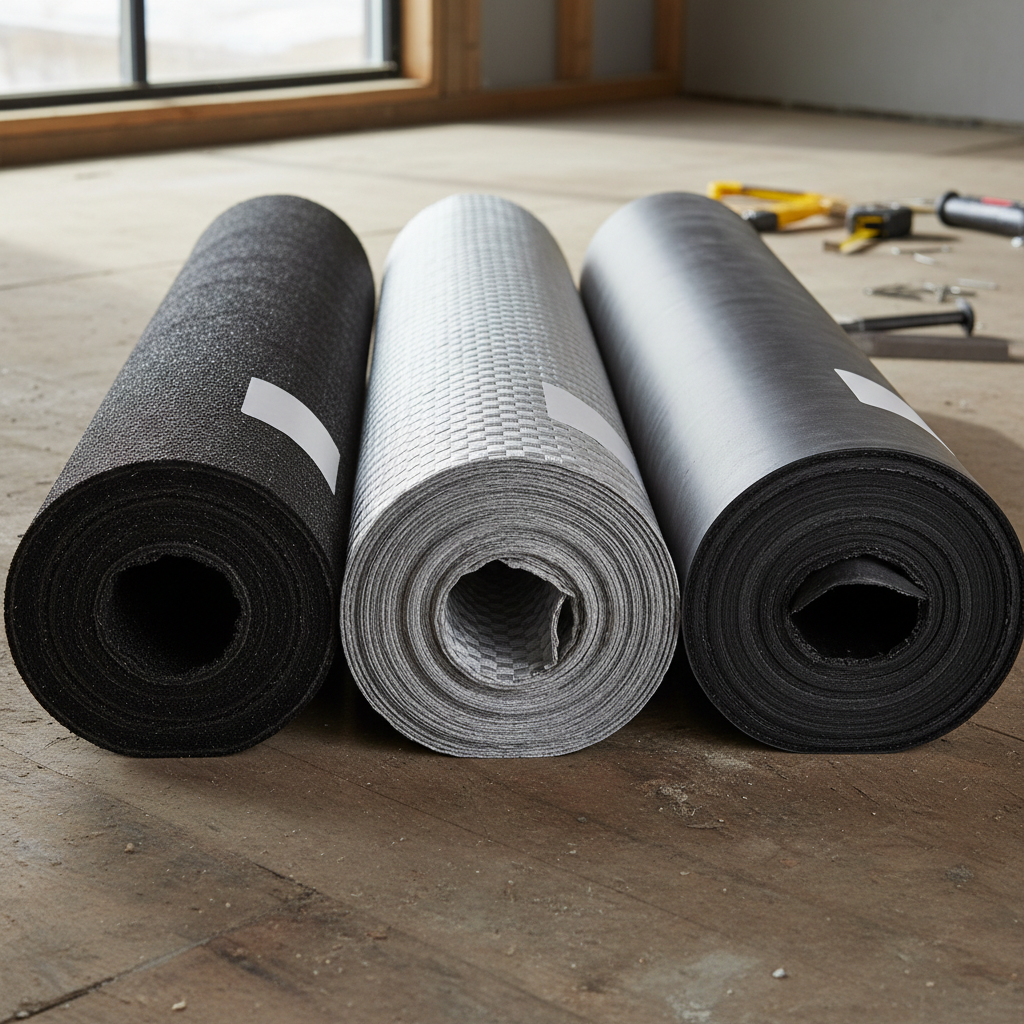
The market offers several types of roof underlayment, each with distinct properties, benefits, and ideal applications. Understanding these differences is key to making an informed decision for your ADU.
1. Asphalt-Saturated Felt (Traditional "Tar Paper")
This is the oldest and most traditional type of underlayment, often referred to as "tar paper." It consists of a base mat (either organic felt or fiberglass) saturated with asphalt for water resistance. It comes in different weights, typically 15-pound and 30-pound.
- Pros: Cost-effective, widely available, proven track record, familiar to most roofers.
- Cons: Can become brittle in cold weather and soft in extreme heat, prone to tearing during installation, absorbs moisture (organic felt), can wrinkle or buckle, heavier than synthetic options.
- Best for ADUs: Budget-conscious projects, conventional shingle roofs, or where specific historical aesthetics are desired (though less common for new ADUs).
2. Non-Bitumen Synthetic Underlayment (The Modern Standard)
Synthetic underlayments have largely replaced felt paper as the preferred choice for modern construction, including ADUs. Made from polypropylene or polyethylene plastic, often reinforced with woven fabrics, they offer superior performance.
- Pros: Extremely lightweight yet durable (often 20x stronger than felt), highly water-resistant, mold and mildew resistant, UV-resistant (can be exposed for longer periods during construction), lies flat without wrinkling, easier to install, and often comes with longer warranties.
- Cons: Higher upfront cost than felt, can be slippery when wet, requiring careful installation.
- Best for ADUs: Virtually all ADU projects, especially those with longer-lasting roofing materials (metal, tile, architectural shingles), steep-slope roofs, and in areas requiring enhanced durability and weather resistance. This is often the go-to choice for GatherADU projects due to its superior performance and longevity.
3. Self-Adhered Underlayment (Ice & Water Shield)
This premium underlayment features a rubberized asphalt adhesive backing, protected by a release film. It creates a watertight seal directly to the roof deck, and often around fasteners, offering exceptional protection.
- Pros: Superior waterproofing, seals around nails and screws, excellent for low-slope applications, valleys, eaves, and other critical areas prone to water pooling or ice dams (though ice dams are less common in most of California, they can occur in mountain regions). Provides an impenetrable barrier.
- Cons: Most expensive option, can be difficult to install in extremely hot weather (adhesive can stick prematurely), not typically used for the entire roof unless specified.
- Best for ADUs: Critical areas like roof valleys, eaves, skylight perimeters, and around chimneys. Essential for low-slope roofs (common on modern ADU designs) or in high-wind/heavy-rain regions where maximum protection is non-negotiable.
Choosing the Right Underlayment for Your California ADU
The best underlayment for your ADU depends on several factors:
Roofing Material Compatibility
The type of primary roofing material you choose will influence your underlayment options. For example, metal roofs benefit from breathable underlayments to prevent condensation, while tile roofs may require specific types that can handle their weight and installation methods.
Roof Slope
Lower slope roofs (e.g., 2:12 to 4:12 pitch) are more susceptible to water penetration and often require self-adhered underlayment for enhanced protection, especially at eaves and valleys. Steeper roofs can typically rely on synthetic underlayment.
Climate Zone
In hot, sunny regions of California, UV-resistant synthetic underlayments are beneficial. In areas prone to heavy rain or wind, a durable, tear-resistant synthetic or self-adhered option is preferable. For coastal ADUs, mold-resistant properties are a plus.
Budget vs. Lifespan
While felt is cheaper upfront, synthetic and self-adhered options offer superior longevity and performance, often outlasting the primary roofing material. Investing in a higher-quality underlayment can prevent future headaches and save money in the long run.
Building Code Compliance
Always ensure your chosen underlayment meets or exceeds California Building Code requirements and any specific local ordinances. GatherADU's expertise ensures that all materials and construction methods comply with the latest regulations, giving you confidence in your ADU's safety and legality. Get a free ADU project estimate and let our experts guide you through the specifics of California ADU construction.
Ensuring Longevity: Proper Installation Matters
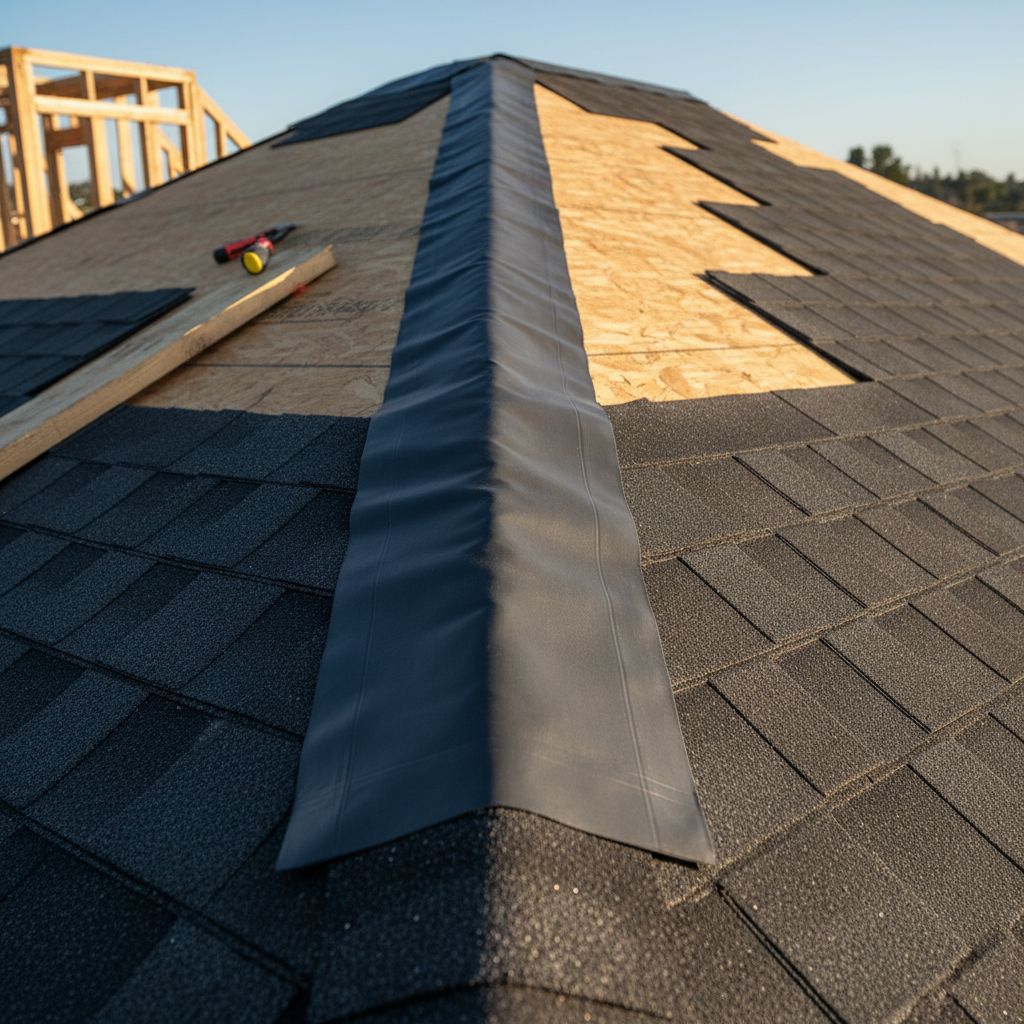
Even the highest quality underlayment is only as good as its installation. Proper overlapping, sealing of seams, and meticulous attention to detail around penetrations (vents, skylights) are critical. Professional installation by experienced ADU builders like GatherADU ensures that your underlayment performs its vital role effectively, providing maximum protection for your new home.
Conclusion
Roof underlayment may be out of sight, but it should never be out of mind when planning your California ADU. This critical component is the backbone of a durable, weather-resistant roof system, protecting your investment from the diverse and sometimes harsh California elements. By understanding the different types—from traditional felt to advanced synthetics and self-adhered membranes—you can make an informed decision that contributes to the long-term health and value of your backyard home.
At GatherADU, we prioritize not just the aesthetics but also the unseen structural integrity of every ADU we build. Our team of experts selects and installs the most appropriate, high-performing underlayment for your specific project, ensuring compliance with California's stringent building codes and providing you with a resilient, worry-free ADU for years to come. Don't leave the crucial details to chance—partner with professionals who understand every layer of quality construction.
Ready to build an ADU that stands the test of time and weather? Book a free ADU consultation with GatherADU today to discuss your project and discover how our commitment to quality extends to every component of your new backyard home.