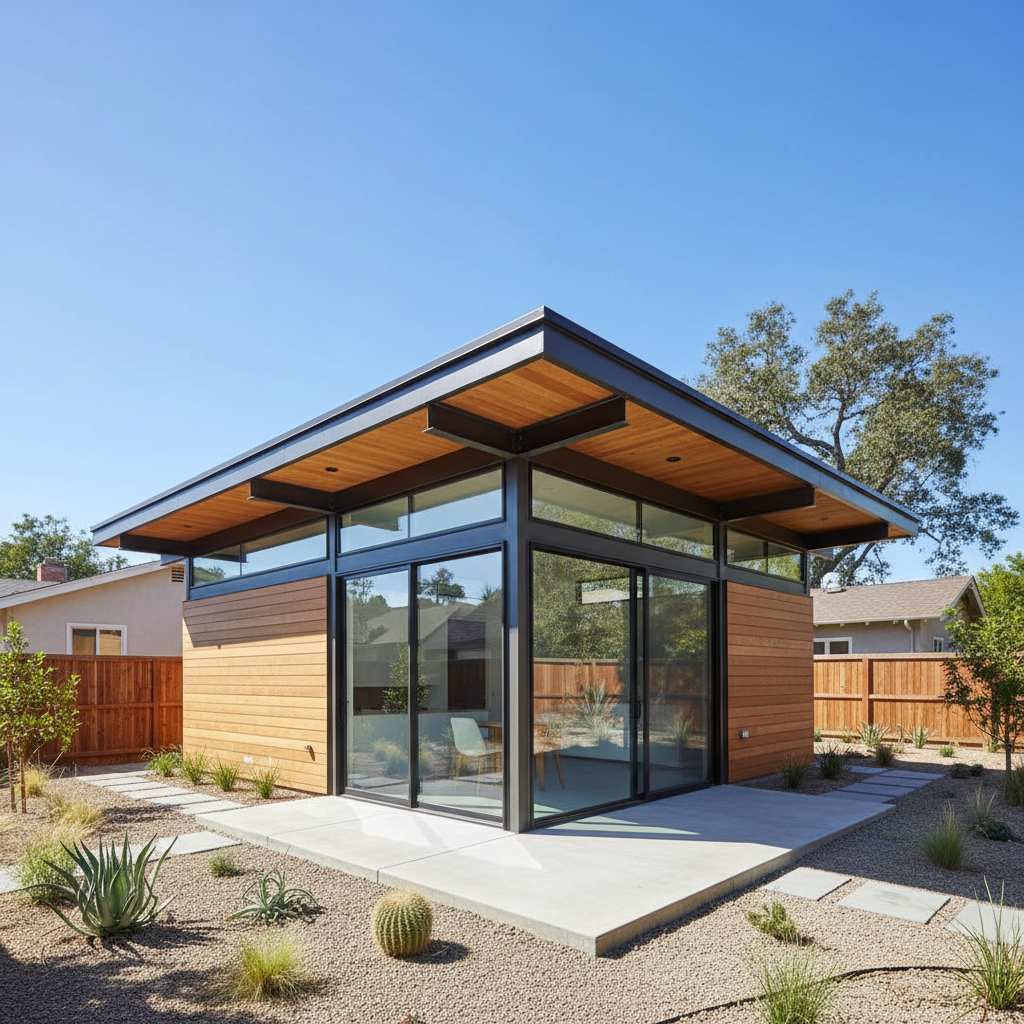

Embarking on an Accessory Dwelling Unit (ADU) project in California offers incredible benefits, from generating rental income to housing family members. However, navigating the various costs and regulations can be a complex journey. One specific cost homeowners often encounter, and sometimes misunderstand, is ADU school fees California. These fees can significantly impact your project budget, and understanding when they apply—and when they don't—is crucial for successful planning.
At GatherADU, we believe in empowering California homeowners with clear, authoritative information. This article will demystify ADU school fees, explaining their purpose, the legal framework governing them, and most importantly, the specific scenarios where your ADU project will or will not be subject to these charges.
What Exactly Are ADU School Fees?
ADU school fees, formally known as school impact fees, are charges levied by local school districts on new construction. Their primary purpose is to help school districts fund the acquisition of sites, construction of new facilities, and modernization of existing ones to accommodate the increased student enrollment that can result from new residential development. In essence, they are a way for new housing to contribute to the public education infrastructure it impacts.
It's important to understand that these are not property taxes. Instead, they are one-time fees paid during the permitting process for new construction. The rationale is that new homes, including ADUs, can potentially bring new families and thus new students into a school district, requiring additional resources and facilities. While the direct link between a single ADU and new student enrollment might seem tenuous, the fees are part of a broader policy designed to ensure that community infrastructure keeps pace with growth.
The Legal Foundation: California Government Code Section 65995 & AB 1763
The collection of school impact fees in California is governed by state law, primarily California Government Code Section 65995. This code sets the maximum amount that school districts can charge per square foot for new residential and commercial construction. However, specific provisions and exemptions for ADUs have evolved significantly over recent years, largely due to the state's push to ease housing shortages.
A landmark change came with Assembly Bill (AB) 1763, which took effect on January 1, 2020. This bill specifically addressed ADU school fees, providing significant relief for many homeowners. Prior to AB 1763, many ADUs, regardless of size, could be subject to these fees, making smaller, more affordable ADUs less financially feasible. AB 1763 clarified and expanded exemptions, making it much easier and more affordable for homeowners to build smaller ADUs.
The state's intent is clear: to encourage ADU development as a vital component of California's housing solution. By reducing or eliminating certain fees, the state aims to lower the barrier to entry for homeowners looking to build.
When Are ADU School Fees Required in California?
Despite the exemptions, there are still specific circumstances where ADU school fees California will apply to your project. Understanding these conditions is key to accurate budgeting and planning.
1. New Construction ADUs of 500 Square Feet or More
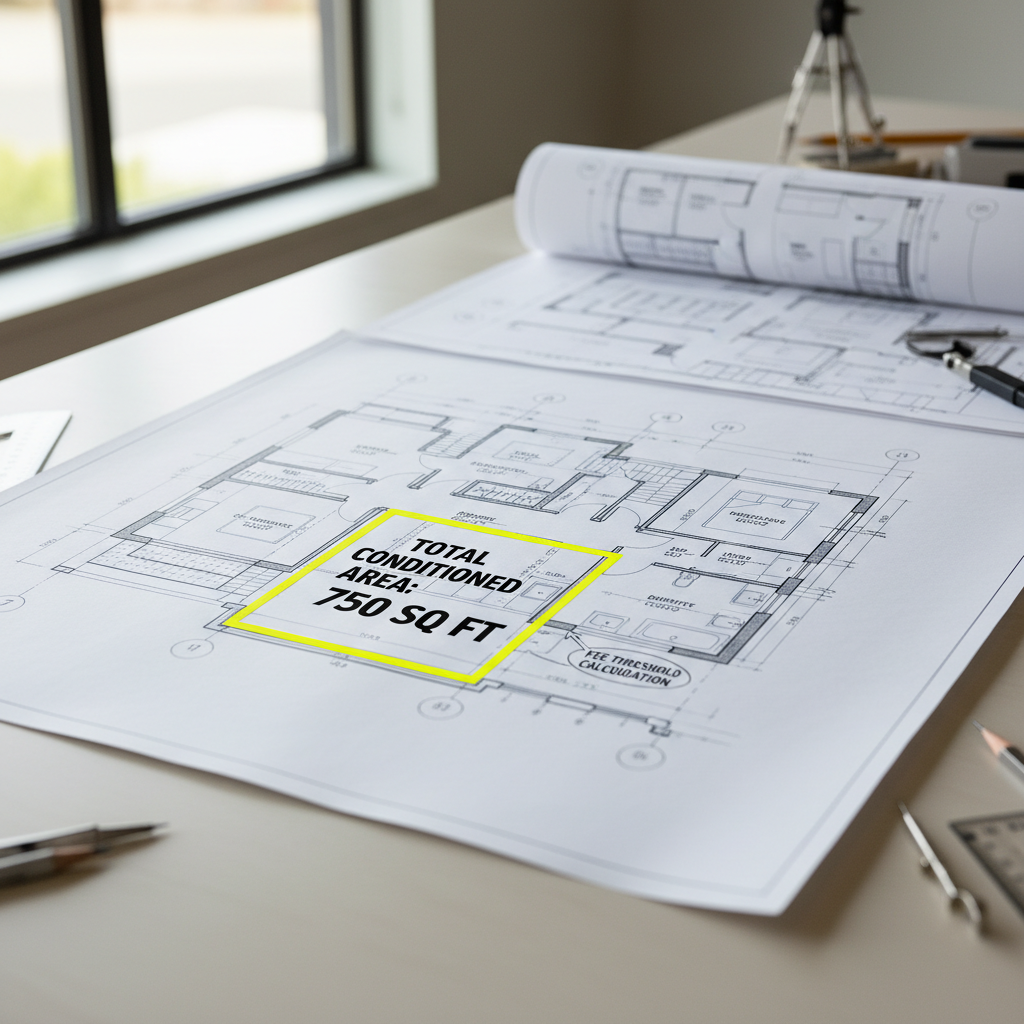
This is the primary trigger for school fees for ADUs. If your ADU project involves entirely new construction and has a living area of 500 square feet or larger, it will generally be subject to school impact fees. This applies whether the ADU is detached or attached to the primary residence, as long as it's not a conversion of existing space. The 500 square foot threshold is critical; any new construction ADU below this size is exempt.
2. Additions to Existing Structures that Exceed 500 Square Feet
While converting existing space is often exempt (as we'll discuss), if your project involves a significant addition to an existing structure that results in a new ADU larger than 500 square feet, school fees may apply to the newly added square footage. The key is whether the project creates new habitable space that crosses the 500 square foot threshold.
When Are ADU School Fees NOT Required? Key Exemptions
Thanks to recent legislative changes, many ADU projects are now exempt from school fees, significantly reducing development costs. These exemptions are vital for homeowners to understand:
1. ADUs Under 500 Square Feet
This is the most impactful exemption. As per AB 1763, any ADU that is less than 500 square feet in size is explicitly exempt from school impact fees. This exemption applies whether the ADU is newly constructed, converted, or a combination. This has made smaller ADUs, often referred to as 'backyard studios' or 'granny flats,' much more financially viable for many Californians.
2. Conversion of Existing Permitted Space
If your ADU is created by converting existing, permitted space within the primary residence or an accessory structure (like a garage, basement, attic, or portion of a single-family home) without adding new square footage, it is generally exempt from school fees, regardless of the resulting ADU's size. The rationale here is that the existing space has likely already contributed to school impact fees when the primary structure was originally built, or it doesn't represent new residential capacity.
3. Junior Accessory Dwelling Units (JADUs)
Junior Accessory Dwelling Units (JADUs) are always exempt from school fees. JADUs are typically small (up to 500 square feet), contained entirely within an existing single-family dwelling, and include a basic kitchen and bathroom. Their direct integration within the primary home and limited size contribute to their exemption status.
4. Affordable Housing ADUs
In some cases, ADUs that are rented at an affordable rate to low-income households may also be eligible for fee reductions or exemptions, depending on specific local ordinances and state programs. These are typically tied to long-term affordability covenants. While this is less common for standard homeowner-built ADUs, it's an important consideration for larger, purpose-built affordable housing projects that include ADUs.

How Are ADU School Fees Calculated?
When school fees do apply, their calculation follows a state-mandated framework but with local district-specific rates:
- Per Square Foot Rate: School fees are typically calculated on a per-square-foot basis of the new habitable living area. Each school district sets its own rate, which is updated periodically.
- State-Mandated Caps: California Government Code Section 65995 sets maximum per-square-foot rates for residential and commercial development. School districts cannot exceed these state-defined caps. These caps are adjusted every two years for inflation.
- New Square Footage Only: Crucially, if an ADU is subject to fees, they are only assessed on the newly constructed square footage that exceeds the 500 sq ft exemption threshold. For example, if you build a 700 sq ft new construction ADU, fees would only apply to 200 sq ft (700 sq ft - 500 sq ft exemption).
To find the precise school fee rate for your property, you would typically need to contact the specific school district(s) that serve your address or consult with your local planning department. This is a step GatherADU assists with, ensuring you have accurate cost estimates from the outset.
The Impact of School Fees on Your ADU Project Budget
While individual school fees might seem like a small percentage of your overall ADU budget, they can add thousands of dollars to the total cost. For example, if a district charges $4.00 per square foot (a common rate, though it varies) and your 800 sq ft new construction ADU is subject to fees on 300 sq ft (800 - 500 exemption), that's an additional $1,200. This amount can be substantially higher in districts with higher rates or for larger ADUs.
Understanding these potential costs early in the planning process is vital. Unexpected fees can derail a project or force homeowners to cut corners elsewhere. By being aware of the exemptions and potential charges, you can budget more effectively and make informed decisions about your ADU's size and design.
To understand how school fees might impact your specific ADU project and to get a clear picture of all potential costs, we invite you to book a free ADU consultation with GatherADU. Our experts can help you navigate these complexities.
Beyond School Fees: Other ADU Costs to Consider
While school fees are an important component, they are just one piece of the financial puzzle for an ADU project. Other significant costs include:
- Permitting and Plan Check Fees: These are charged by your city or county for reviewing and approving your plans.
- Utility Connection Fees: Connecting your ADU to water, sewer, electricity, and gas can incur significant charges, especially if new hookups or upgrades are required.
- Other Impact Fees: Depending on your locality, there might be other impact fees for parks, transportation, or other public services.
- Design and Engineering Costs: Professional fees for architects, engineers, and possibly surveyors.
- Construction Costs: The largest component, covering labor, materials, and contractor overhead.
A comprehensive understanding of all potential costs from the outset is crucial for a smooth and successful ADU build.
GatherADU's Expertise in Navigating ADU Regulations
The world of ADU regulations, including school fees, can be daunting. This is where GatherADU truly shines. As a California-based company specializing in ADU design and construction, we possess an intimate knowledge of state laws and local ordinances. Our team stays up-to-date on all legislative changes, like those brought by AB 1763, to ensure your project is compliant and cost-effective.
When you partner with GatherADU, we handle the intricacies of permitting, fee assessment, and regulatory navigation. We'll help you:
- Determine if your proposed ADU is subject to school fees and other impact fees.
- Accurately estimate all associated costs, providing you with a clear budget.
- Design your ADU to potentially qualify for fee exemptions, such as staying under the 500 square foot threshold for new construction.
- Manage the entire permitting process, from submission to approval.
Our goal is to make your ADU journey as transparent and stress-free as possible, ensuring no hidden fees or unexpected regulatory hurdles catch you by surprise.
Conclusion
Understanding ADU school fees California is an essential step for any homeowner considering an Accessory Dwelling Unit. While these fees contribute to vital community infrastructure, state legislation has provided significant exemptions, particularly for ADUs under 500 square feet and those created through conversions of existing space. By knowing when these fees apply and when they don't, you can better plan your budget and optimize your ADU design to potentially save thousands of dollars.
Don't let the complexities of ADU regulations deter you from realizing your backyard home dreams. GatherADU is here to simplify the process, from initial design to final construction, ensuring you understand every cost and compliance requirement. Schedule your free ADU consultation today and let's build your future, together.