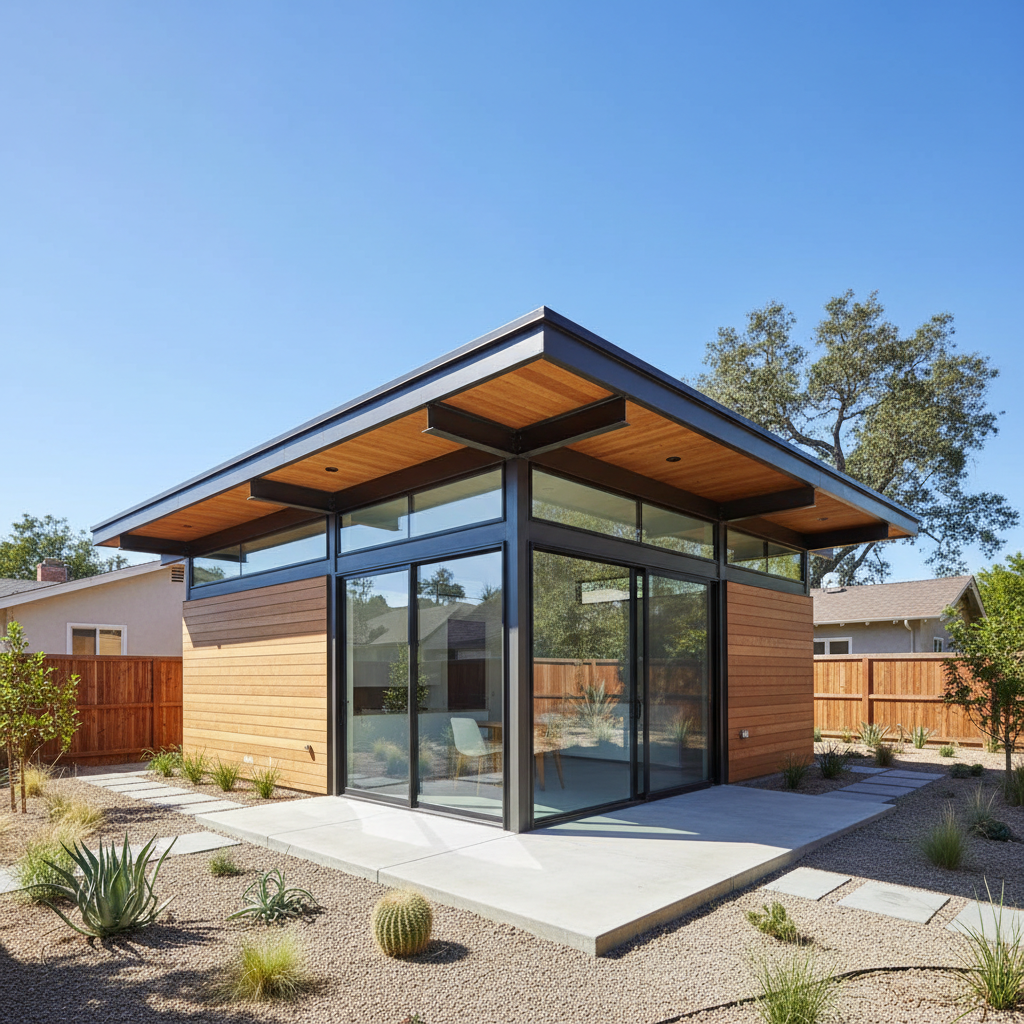
When considering adding an Accessory Dwelling Unit (ADU) to your California property, one of the most fundamental decisions you'll face is the construction method. This article, "What Is a Site-Built ADU vs. a Panelized ADU and What the Difference Means for Your Project," aims to demystify these two primary approaches: site-built and panelized ADUs. Understanding their differences is crucial for making an informed decision that aligns with your budget, timeline, and design aspirations.
As California's leading ADU design and build company, GatherADU understands that each homeowner's needs are unique. We specialize in both traditional site-built and efficient panelized construction, ensuring you get the best solution tailored to your specific project. Let's delve into what sets these two methods apart.
What is a Site-Built ADU?
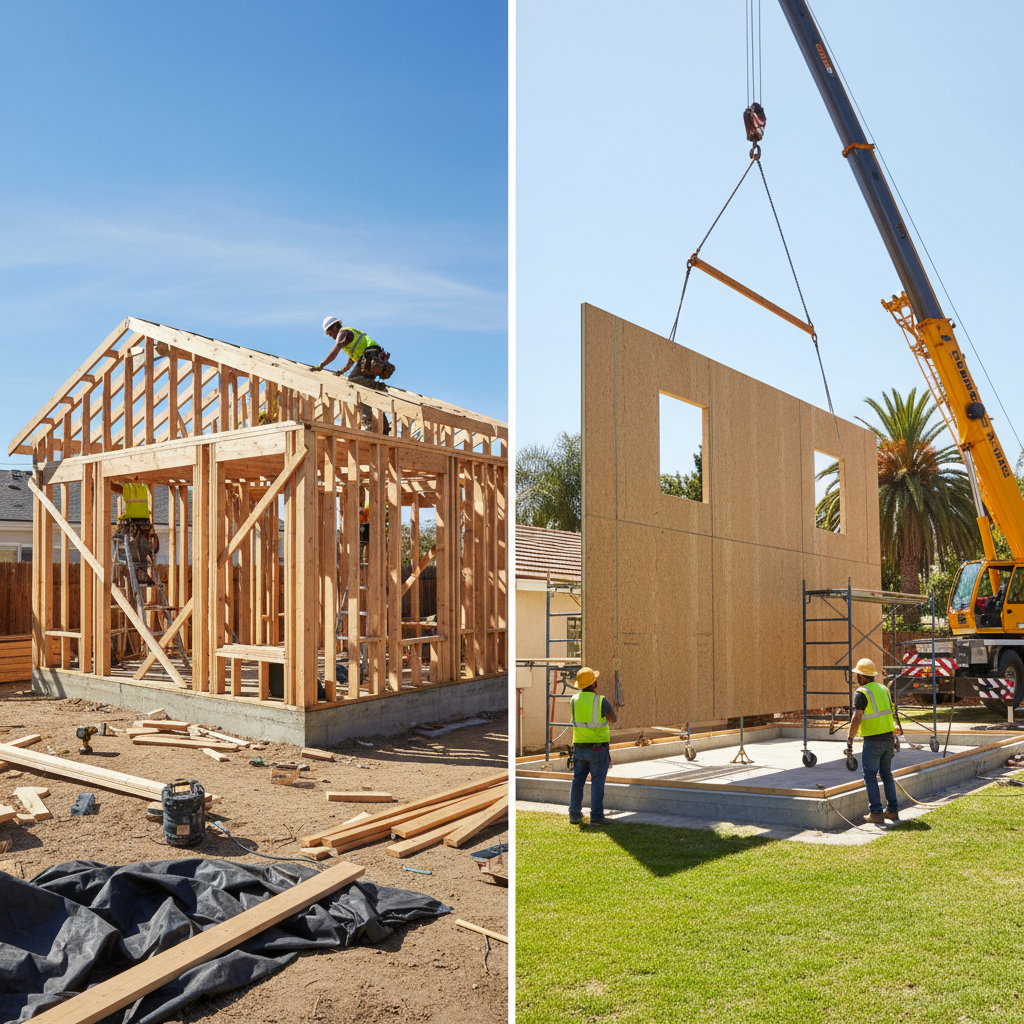
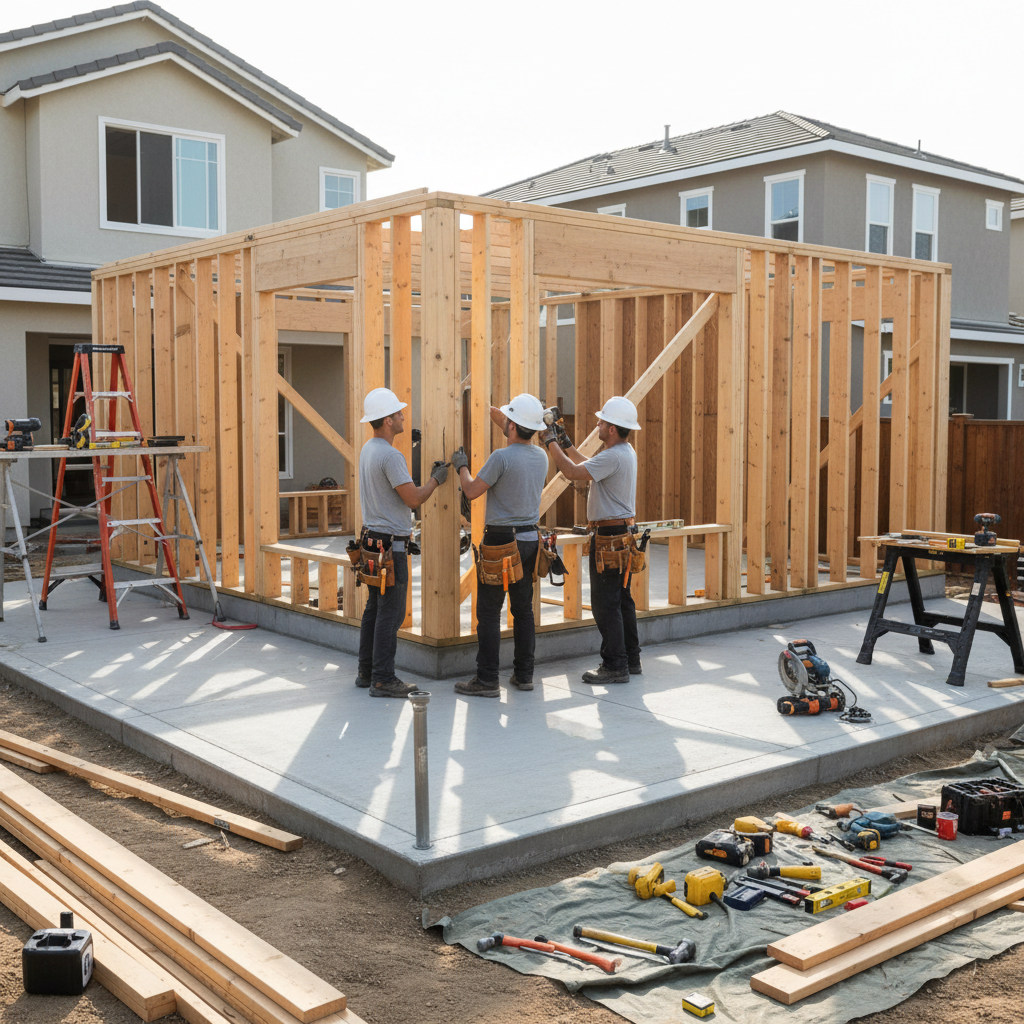
A site-built ADU, also known as a stick-built ADU, is constructed entirely on your property from the ground up, much like a traditional home. Skilled tradespeople frame the structure piece by piece, install plumbing and electrical systems, and apply finishes directly at the building site. This method leverages local labor and materials, offering maximum flexibility in design and customization.
The Process of Site-Built Construction
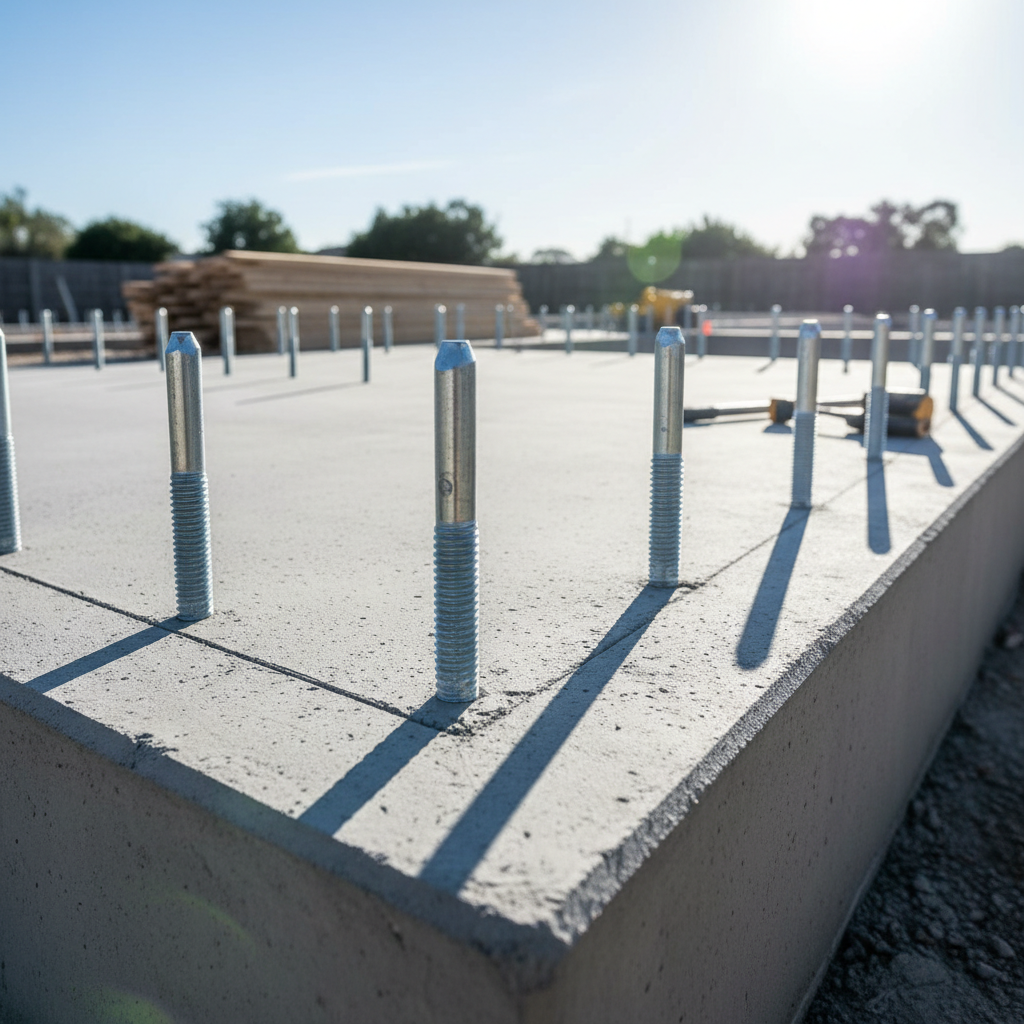
- Foundation: The process begins with laying a concrete foundation on your property.
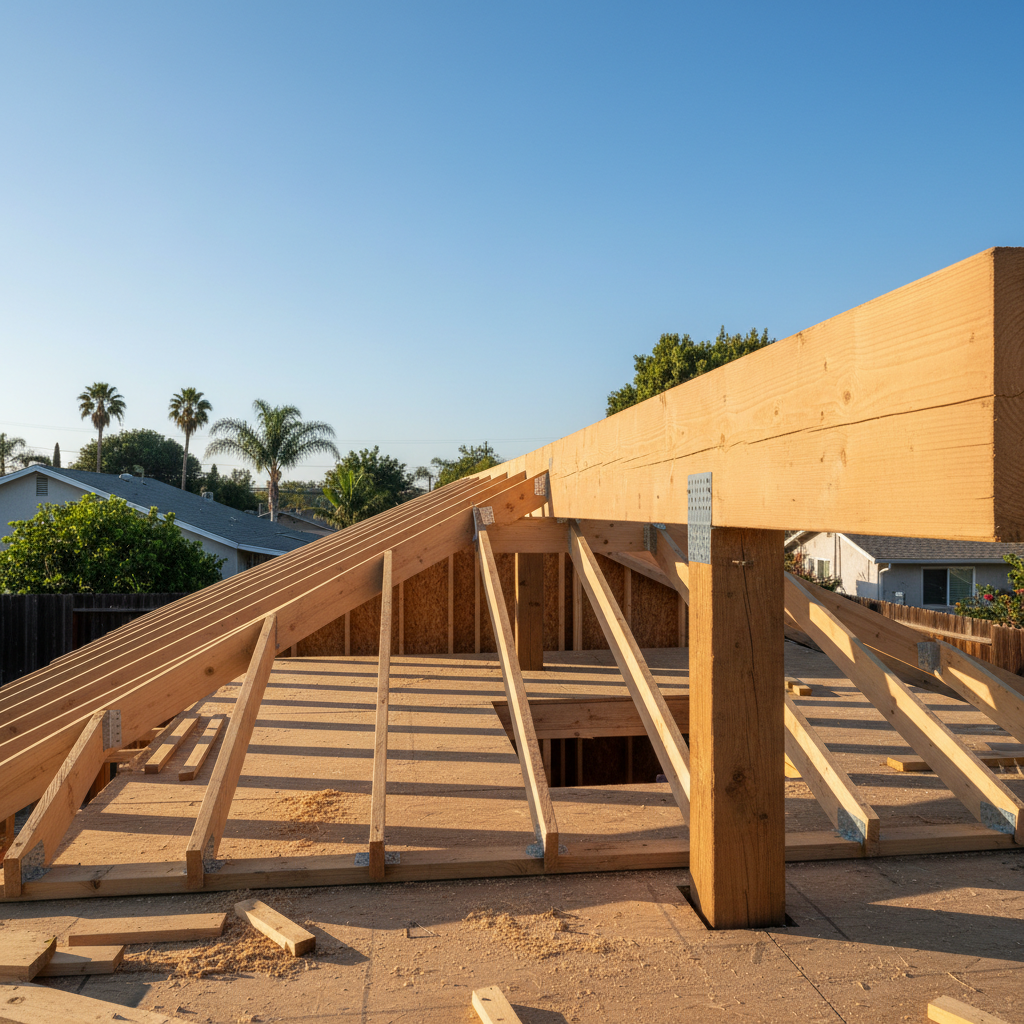
- Framing: Lumber is cut and assembled on-site to create the structural skeleton of the ADU.
- Rough-Ins: Plumbing, electrical, and HVAC systems are installed within the framed walls, floors, and ceiling.
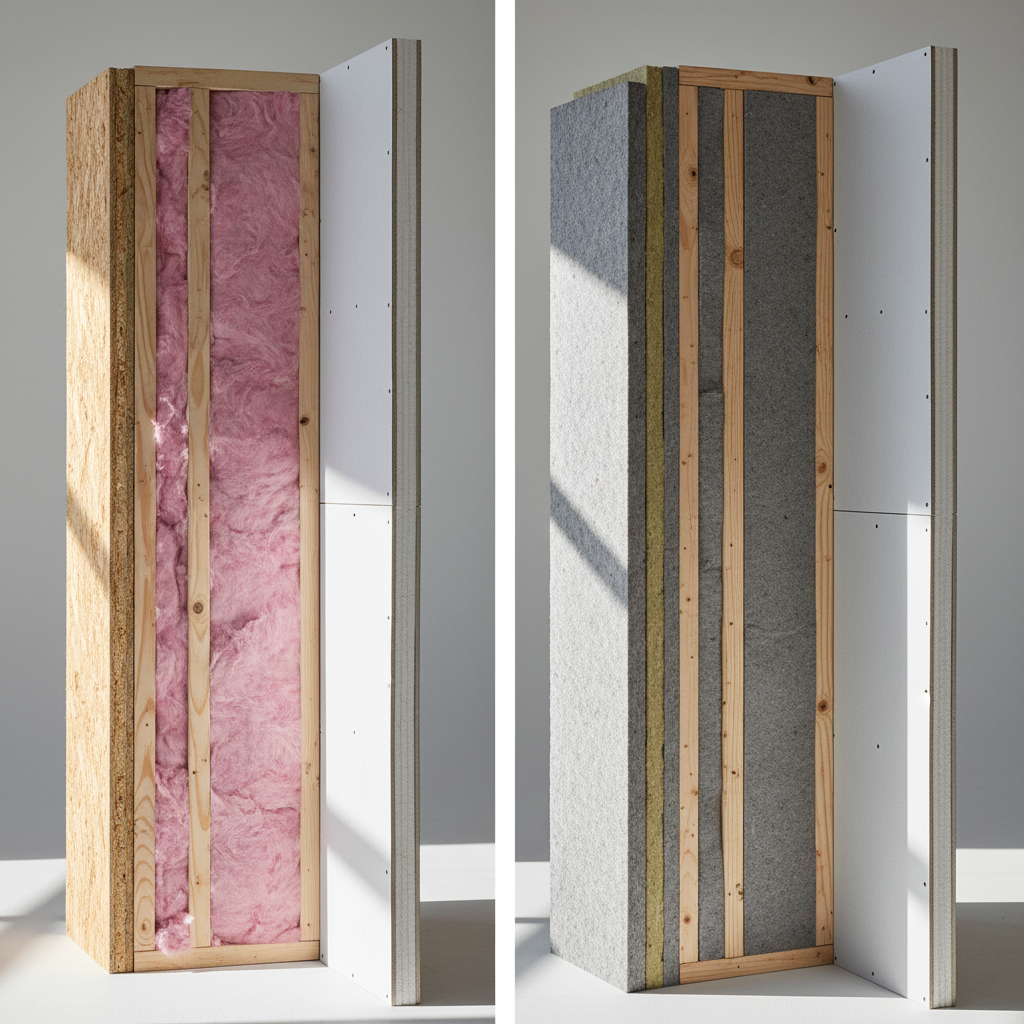
- Insulation & Drywall: Insulation is added for energy efficiency, followed by drywall installation, taping, and texturing.
- Finishes: Roofing, siding, windows, doors, flooring, cabinetry, and fixtures are installed to complete the ADU.
- Inspections: Various inspections are conducted by local building officials at each critical stage of construction.
Pros of Site-Built ADUs:
- Unlimited Customization: Site-built ADUs offer unparalleled design flexibility. You can customize every aspect, from architectural style and floor plan to window placement and material choices, to perfectly match your existing home and personal preferences.
- Seamless Integration: Because it's built on-site, a site-built ADU can be more easily integrated into existing landscaping and property features, creating a cohesive look.
- Local Craftsmanship: This method relies heavily on local skilled trades, often fostering a strong sense of community support and allowing for direct oversight of the construction process.
- Easier Site Access: Does not typically require large cranes or wide access roads, making it suitable for properties with limited accessibility.
Cons of Site-Built ADUs:
- Longer Construction Timeline: The sequential nature of on-site construction means site-built ADUs generally take longer to complete than panelized options, often extending from 6 to 12 months or more.
- Greater Site Disruption: With materials delivered and work performed daily on-site, there's a prolonged period of noise, dust, and contractor presence on your property.
- Weather Dependency: Construction can be delayed by adverse weather conditions, which can impact the timeline and budget.
- Potential for Material Waste: Cutting and fitting materials on-site can lead to more material waste compared to factory-controlled environments.
What is a Panelized ADU?
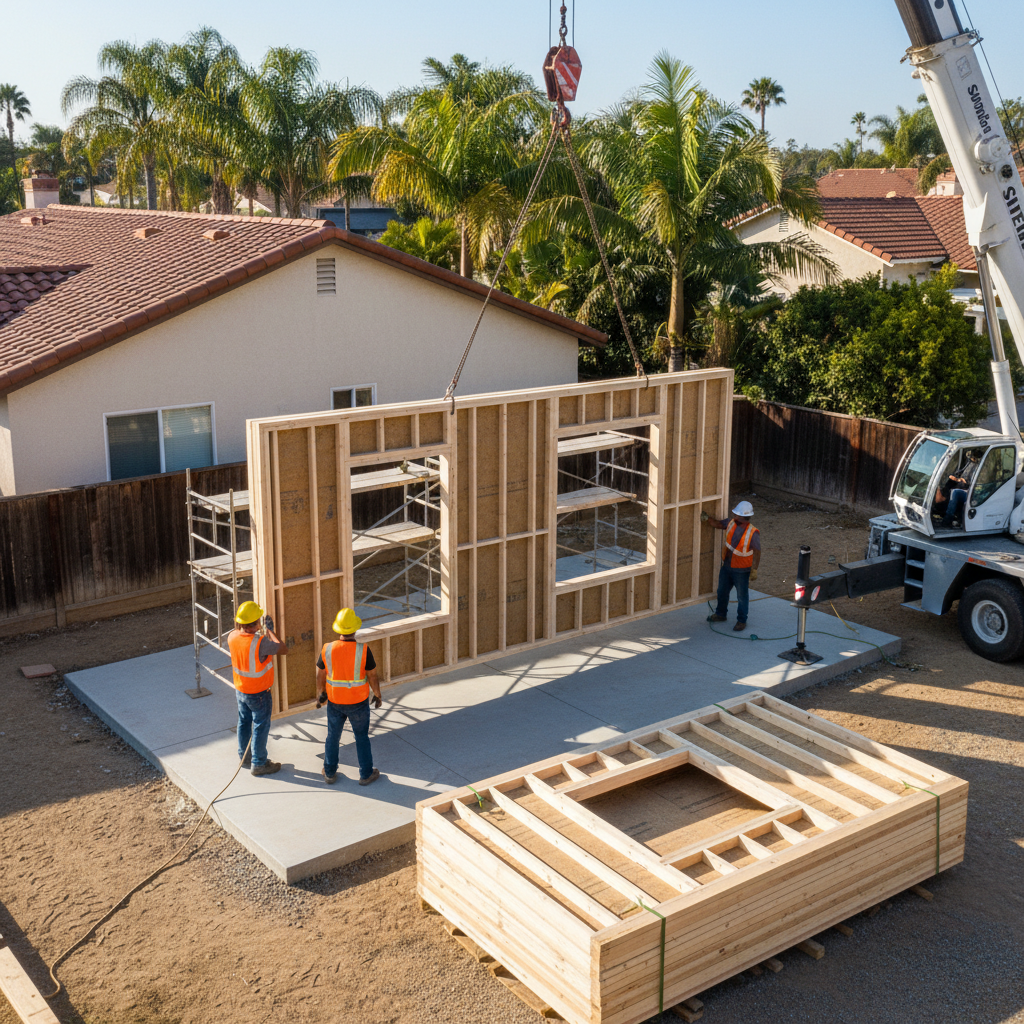
A panelized ADU involves manufacturing major structural components—such as wall panels, floor systems, and roof trusses—in a controlled factory environment. These pre-engineered sections are then transported to your property and assembled on the prepared foundation. It's important to distinguish panelized from modular construction; while both involve off-site fabrication, panelized ADUs arrive as flat panels or sections, not as complete three-dimensional boxes.
The Process of Panelized Construction
- Foundation: Similar to site-built, a foundation is poured on your property.
- Factory Fabrication: While the foundation is being prepared, wall, floor, and roof panels are precisely manufactured in a climate-controlled factory.
- Delivery & Assembly: The panels are delivered to your site and rapidly assembled onto the foundation, often in a matter of days or weeks, using cranes for larger sections.
- On-Site Finishing: Once the shell is erected, the remaining work—rough-ins, insulation, drywall, and interior/exterior finishes—is completed on-site by local tradespeople.
Pros of Panelized ADUs:
- Faster Construction Timeline: Because much of the structural work is completed off-site, the on-site assembly phase is significantly shorter, leading to a quicker overall project completion.
- Reduced Site Disruption: The rapid assembly means less time with extensive construction activity on your property, minimizing noise and contractor presence.
- Enhanced Quality Control: Factory production allows for stringent quality control measures, precision cutting, and assembly in an environment free from weather variables.
- Less Material Waste: Factory settings are optimized for efficiency, leading to less material waste and often more sustainable practices.
- Predictable Costs: The controlled factory environment can lead to more predictable material and labor costs, potentially reducing budget overruns.
Cons of Panelized ADUs:
- Some Design Limitations: While still highly customizable, panelized systems might have certain design constraints compared to the limitless possibilities of a purely site-built structure. However, modern panelized systems offer extensive flexibility.
- Transportation & Crane Logistics: Moving large panels requires careful planning for transport and often necessitates crane access on-site, which can be a factor for properties with tight access.
- Upfront Costs: The factory fabrication often requires a larger upfront payment compared to the staggered payments of traditional construction.
Site-Built ADU vs. Panelized ADU: A Direct Comparison
To help you weigh your options, here's a direct comparison of key factors:
| Feature | Site-Built ADU | Panelized ADU |
|---|---|---|
| Construction Process | Entirely built on-site, piece by piece. | Structural components (panels) built off-site, assembled on-site. |
| Timeline | Generally longer (6-12+ months). | Generally shorter (4-8 months total project time, faster on-site assembly). |
| Customization | Maximum design flexibility and customization. | High degree of customization, but with some pre-engineered parameters. |
| Cost | Can be higher due to on-site labor, potential waste, and longer timeline. | Potentially more cost-effective due to efficiency and reduced on-site labor, but includes transport/crane. |
| Site Disruption | Prolonged period of activity, noise, and presence. | Shorter period of intense activity during assembly, less overall disruption. |
| Quality Control | On-site inspections, dependent on individual trades. | Factory-controlled environment for panels, plus on-site inspections for finishes. |
| Weather Impact | Significant potential for delays. | Minimal impact on panel fabrication; assembly can still be affected. |
| Permitting | Generally similar process in California. | Generally similar process in California. |
What These Differences Mean for Your Project
The choice between a site-built ADU vs. panelized ADU significantly impacts your overall experience and the final outcome of your project:
If Customization is Your Top Priority:
If you have a very specific vision for your ADU's architecture, want it to perfectly mimic your main home's style, or have unique site challenges that require highly bespoke solutions, a site-built ADU often provides the most freedom. You can truly design every curve, corner, and finish without significant constraints.
If Speed and Efficiency are Key:
For homeowners looking to generate rental income sooner, or those who prefer to minimize the duration of construction on their property, a panelized ADU can be an excellent choice. The ability to manufacture components concurrently with site preparation significantly shaves off months from the project timeline.
Considering Your Budget:
While costs can vary widely for both methods based on design, materials, and local labor rates, panelized construction can sometimes offer cost efficiencies due to reduced on-site labor time and optimized material use in the factory. However, factors like crane rental and specialized transportation can add to panelized costs. It's essential to get detailed quotes for both approaches.
Managing Site Logistics:
Think about your property's accessibility. If you have a very narrow lot or limited access for large trucks and cranes, a site-built ADU might be more practical. Conversely, if you have ample space and want to get the construction phase over quickly, a panelized approach could be ideal.
Ultimately, the "best" method depends on your individual circumstances. At GatherADU, we pride ourselves on guiding homeowners through this decision-making process. We take into account your specific property, budget, timeline, and design preferences to recommend the most suitable construction method. Our goal is to make your ADU journey as smooth and successful as possible.
Ready to explore which ADU type is the perfect fit for your backyard? Explore your ADU options with a GatherADU expert today and get personalized advice tailored to your project.
Permitting and Regulations
In California, the permitting process for both site-built and panelized ADUs is largely similar. Both methods must adhere to local zoning ordinances, building codes, and state ADU laws. The primary difference lies in the documentation required; panelized ADUs will include factory specifications and engineering details for their pre-fabricated components. GatherADU has extensive experience navigating California's complex ADU regulations, ensuring a smooth and compliant permitting process for either construction type.
No matter which method you lean towards, a well-planned and executed ADU project can significantly enhance your property's value and provide versatile living space. Whether you envision a custom-designed guest house or a rapidly deployed rental unit, understanding the nuances of site-built versus panelized construction is your first step towards realizing that vision.
Don't let the technical details overwhelm you. Our team is here to simplify the process and help you make the best choice for your home. Discuss which ADU construction method suits your property best with GatherADU.
Conclusion
Deciding between a site-built ADU and a panelized ADU is a significant choice with distinct implications for your project's timeline, budget, and final design. While site-built offers maximum customization and traditional craftsmanship, panelized construction provides efficiency, speed, and factory-controlled quality. Both are viable, high-quality options for adding a valuable Accessory Dwelling Unit to your California home.
At GatherADU, we are experts in both construction methods, committed to delivering exceptional backyard homes that meet your unique needs. We'll help you navigate the complexities, ensuring your ADU project is a success from conception to completion. To take the next step and find out which ADU construction method is right for your property, book a free ADU consultation with GatherADU today.