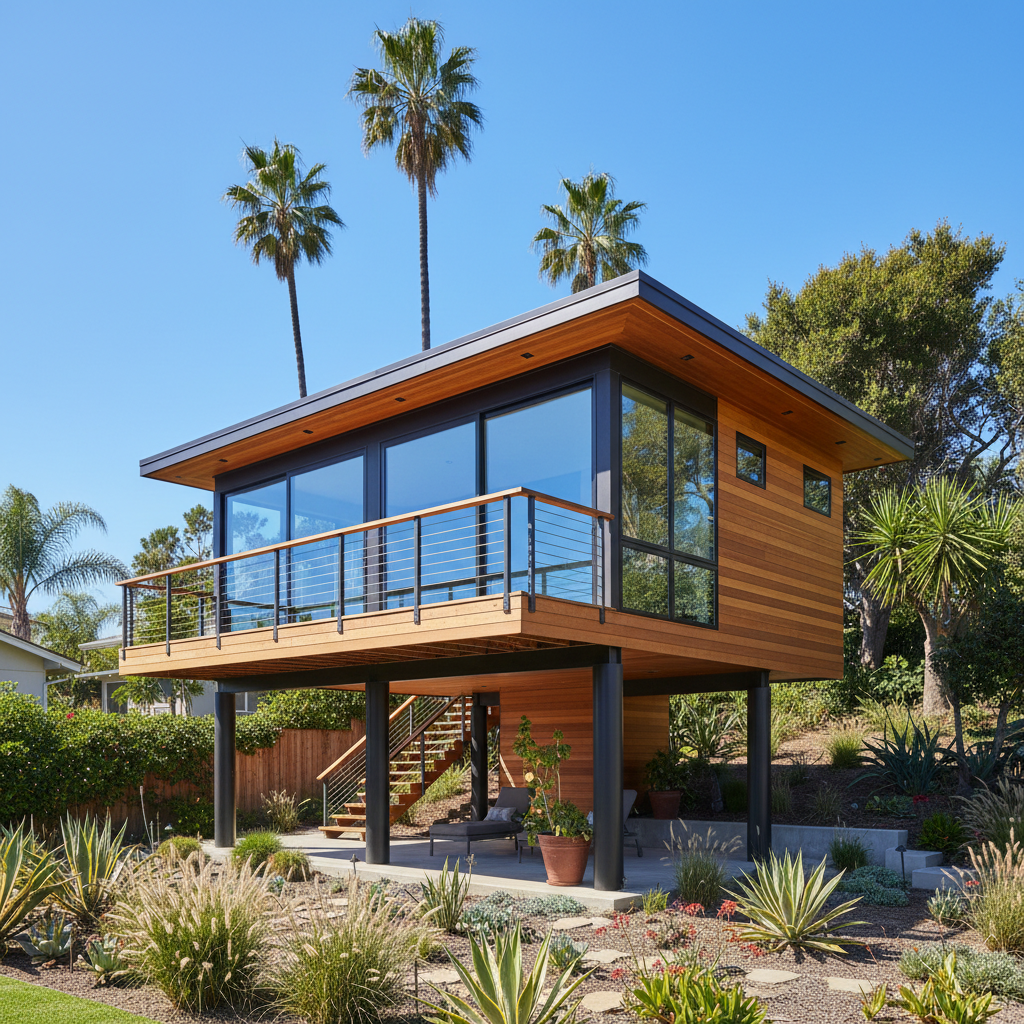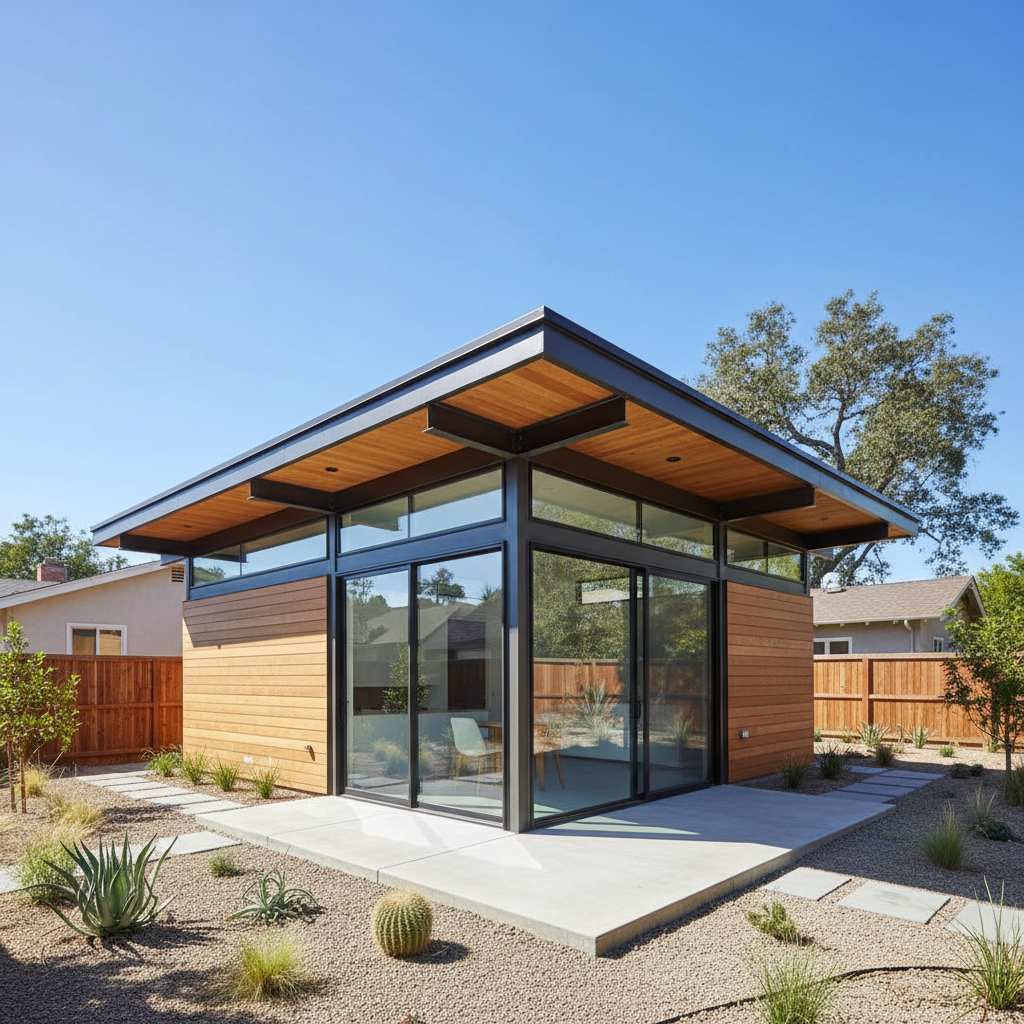
Building an Accessory Dwelling Unit (ADU) in California offers incredible opportunities for homeowners, from generating rental income to housing family members. However, like any construction project, it comes with a set of regulations designed to ensure responsible development. Among these, stormwater requirements often emerge as a point of confusion for many homeowners. Understanding ADU stormwater requirements California is not just about compliance; it's about protecting our environment and the long-term sustainability of our communities.
This comprehensive guide will demystify stormwater regulations for ADUs in California, explaining what they are, why they're important, when they apply to your project, and how you can ensure your backyard home meets all necessary standards.
What Are Stormwater Requirements?
At its core, stormwater refers to precipitation (rain or melted snow) that doesn't soak into the ground. Instead, it flows over impervious surfaces like roofs, driveways, patios, and compacted soil, collecting pollutants such as chemicals, oil, litter, and sediment along the way. This polluted runoff then typically drains into storm sewers, which often discharge directly into local waterways without treatment.
Stormwater requirements are a set of regulations and best management practices (BMPs) designed to control and manage this runoff. Their primary goals are to:
- Prevent Water Pollution: By reducing the amount of pollutants carried into rivers, lakes, and oceans.
- Minimize Flooding: By controlling the volume and rate of stormwater runoff, especially in urbanized areas.
- Protect Aquatic Ecosystems: By maintaining natural hydrological cycles and preventing erosion and habitat degradation.
- Promote Water Conservation: Through practices like rainwater harvesting and groundwater recharge.
Why Do Stormwater Requirements Exist for ADUs in California?
California, with its diverse geography and precious water resources, has some of the most stringent environmental regulations in the nation. The state's commitment to water quality is enshrined in various laws, notably the federal Clean Water Act and California's Porter-Cologne Water Quality Control Act.
These acts empower the State Water Resources Control Board and nine Regional Water Quality Control Boards (RWQCBs) to implement programs that regulate stormwater discharges. For ADUs, the concern arises because adding new structures, driveways, and patios increases the amount of impervious surface on a property. This leads to:
- Increased Runoff Volume: More water flows off the property instead of soaking in.
- Higher Runoff Velocity: Faster water flow can cause erosion.
- Greater Pollutant Load: More surfaces for pollutants to accumulate on and be washed away from.
- Reduced Groundwater Recharge: Less water infiltrates the soil to replenish aquifers.
To counteract these impacts, California's regulations, often implemented through local municipal separate storm sewer system (MS4) permits, mandate that new development and significant redevelopment projects incorporate Low Impact Development (LID) principles. LID aims to manage stormwater at the source using natural systems to mimic pre-development hydrology.
When Do Stormwater Requirements Apply to Your ADU Project?
This is where it gets specific, and it's crucial for ADU homeowners. The applicability of stormwater requirements largely depends on the scope of your project and your specific local jurisdiction.
Key Triggers for ADU Stormwater Requirements:
-
Creation of New Impervious Surface: This is the most common trigger. If your ADU project involves adding a significant amount of new impervious surface (e.g., the ADU footprint, new driveway, patios, walkways), it will likely fall under stormwater regulations. While thresholds vary by municipality and even by watershed within a city, common triggers include:
- Small Projects (e.g., >250 or >500 sq ft): Many jurisdictions require basic stormwater mitigation for projects adding more than a few hundred square feet of new impervious area. This might involve directing runoff to permeable areas.
- Larger Projects (e.g., >1,000 or >2,500 sq ft): If your ADU project (including associated hardscaping) exceeds these thresholds, you will almost certainly need to submit a formal stormwater management plan incorporating LID features.
-
Type of ADU Project:
- New Detached or Attached ADUs: These are the most likely to trigger stormwater requirements, as they inherently add new roof area and often new hardscaping.
- Garage Conversions: Typically add minimal to no new impervious surface, so they are often exempt from formal stormwater plans beyond ensuring existing drainage is maintained.
- Junior ADUs (JADUs): Similar to garage conversions, JADUs are usually within existing footprints and less likely to trigger new requirements.
-
Local Municipal Ordinances: California's regional water boards set a baseline, but cities and counties have the authority to implement stricter stormwater ordinances. What applies in Los Angeles might differ from San Diego or Sacramento. Always check with your local planning or public works department early in your design process.
-
Specific Site Conditions: Projects in environmentally sensitive areas, hillsides, or areas prone to flooding may have more stringent requirements regardless of the project size.
It's important to note that even if your project doesn't trigger formal LID requirements, ensuring proper site drainage is always a building code necessity to prevent water damage to your property and your ADU. Given the complexity and variation in these regulations, understanding your specific obligations can be challenging. This is where expert guidance becomes invaluable. Consulting with GatherADU's design and build experts can clarify the exact stormwater requirements for your property and project.
Common Stormwater Management Solutions for ADUs
When stormwater requirements do apply, there are many effective and often aesthetically pleasing solutions:
-
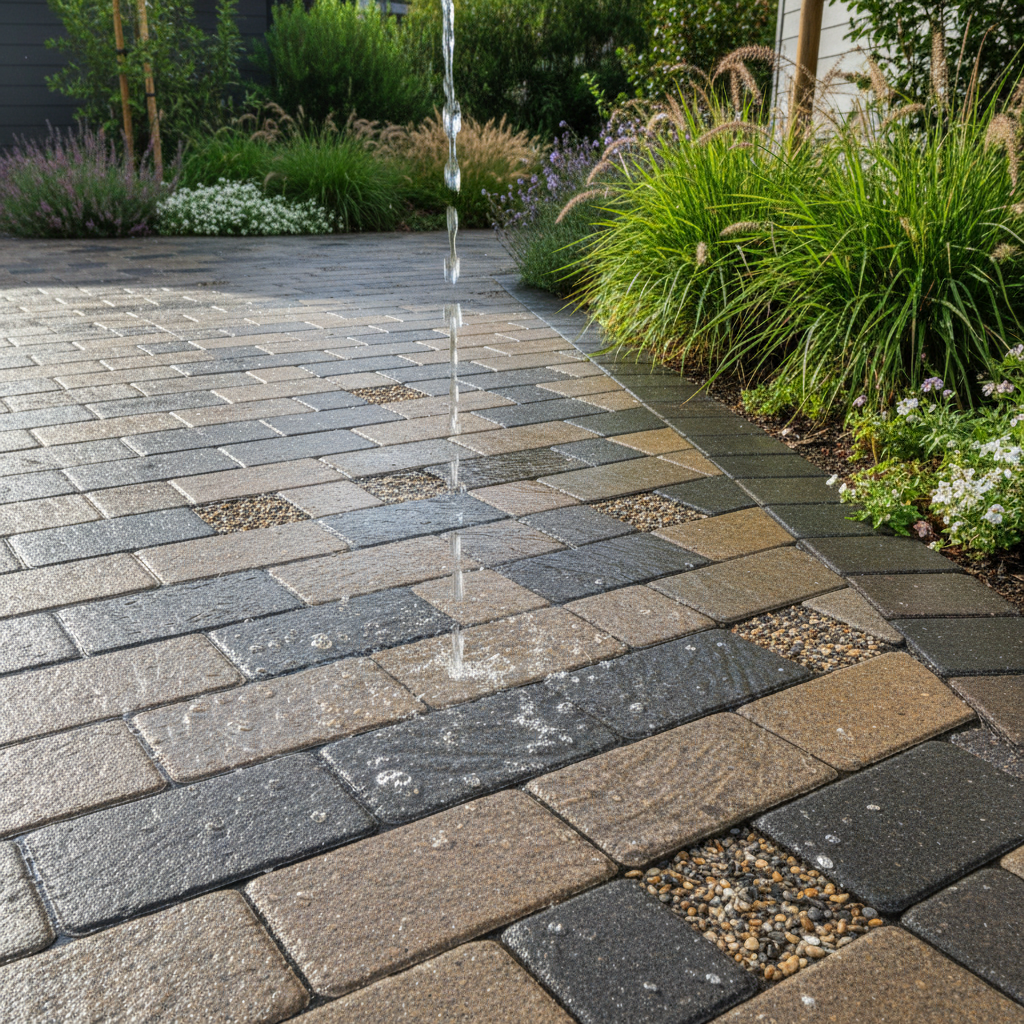
Permeable Pavers/Pervious Concrete: These materials allow rainwater to infiltrate through their surface into the ground below, reducing runoff from driveways, patios, and walkways.
-
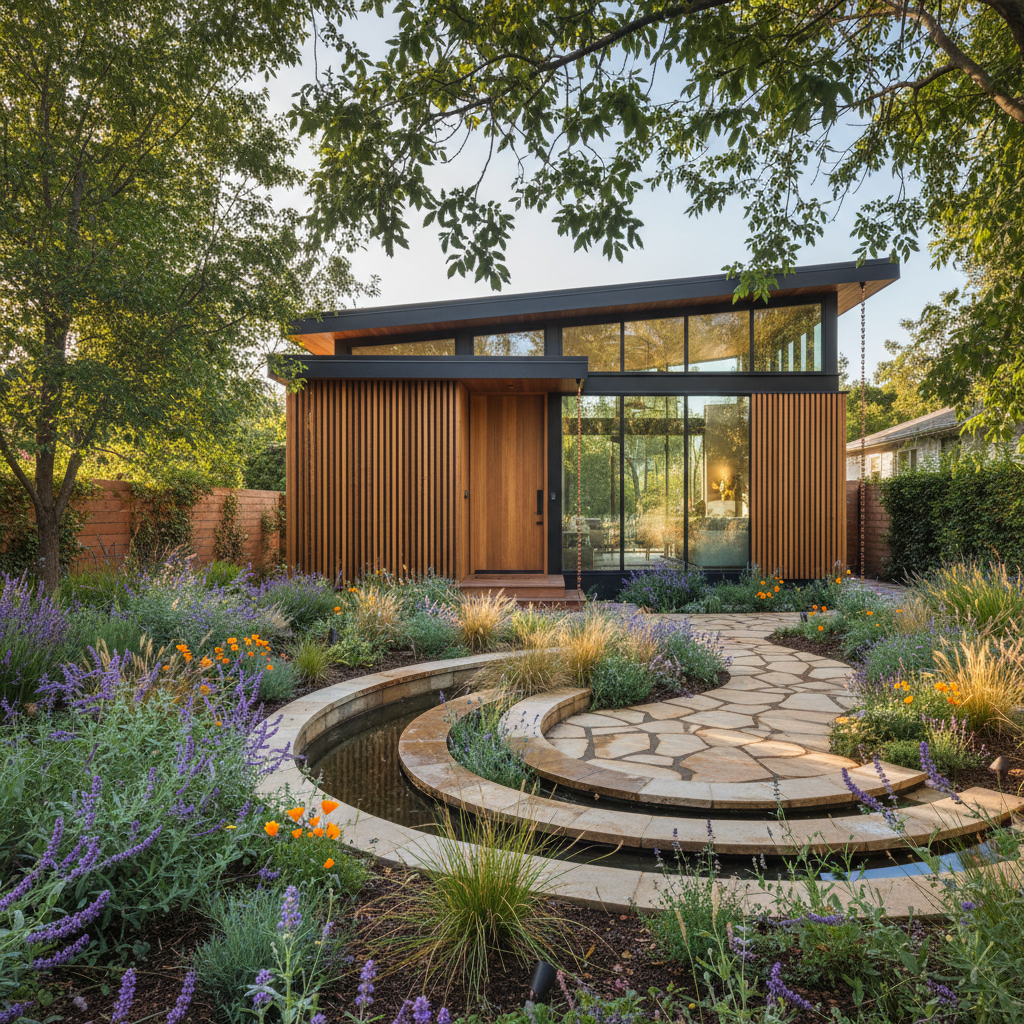
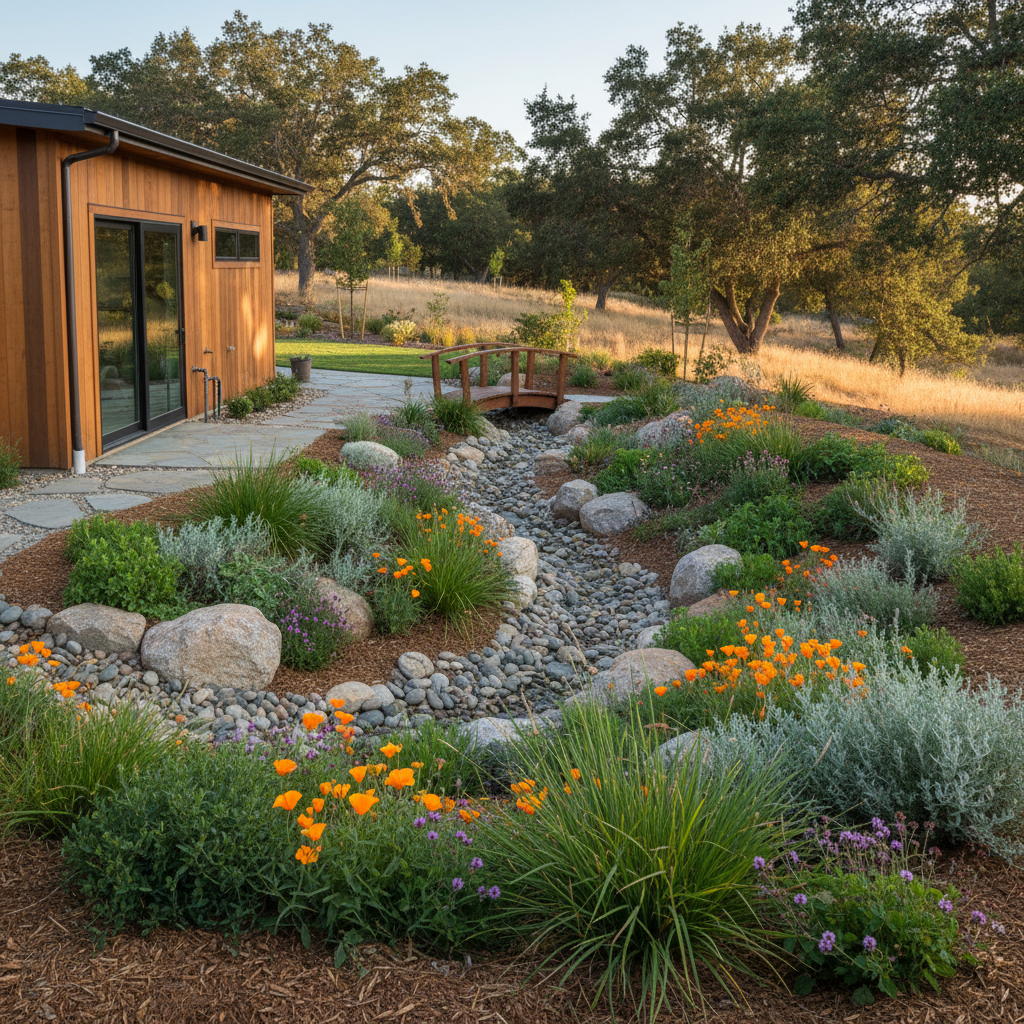
Rain Gardens & Bioswales: Landscaped depressions designed to collect and filter stormwater runoff from impervious surfaces. They typically feature native, drought-tolerant plants that can withstand periods of saturation.
-
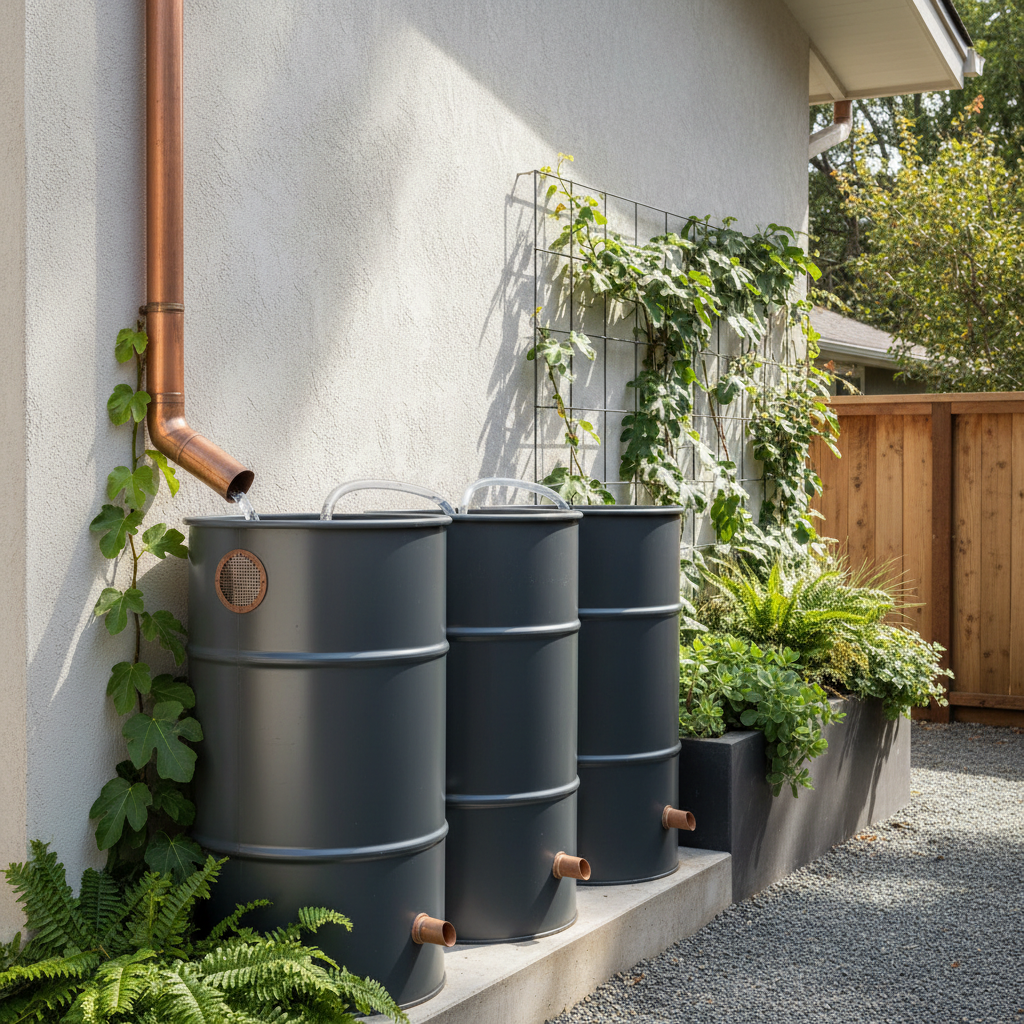
Rainwater Harvesting (Rain Barrels & Cisterns): Systems that collect and store rainwater from roofs for later use in irrigation. This reduces runoff and conserves potable water.
-
Dry Wells: Underground structures that temporarily store and gradually release stormwater runoff into the surrounding soil, promoting groundwater recharge.
-
Disconnection of Impervious Surfaces: Redirecting downspouts from roofs to permeable landscaped areas instead of directly to a storm drain or concrete patio.
-
Vegetated Filter Strips: Areas of dense vegetation designed to slow down and filter sheet flow runoff.
Integrating Stormwater Management into Your ADU Design
The best approach to stormwater compliance is to integrate solutions seamlessly into your ADU's design from the very beginning. This not only ensures compliance but can also enhance the beauty and functionality of your property. For example, a well-designed rain garden can be a beautiful landscape feature, and permeable pavers can add curb appeal while serving a critical environmental function.
Working with an experienced ADU designer and builder like GatherADU means these considerations are part of the initial planning. We can assess your site, understand local regulations, and propose efficient, compliant, and cost-effective stormwater solutions that complement your ADU and property. Don't let stormwater requirements become a roadblock; let them be an opportunity for sustainable design. Get a free project estimate to see how we can incorporate sustainable practices into your ADU.
The Permitting Process and Stormwater Compliance
Stormwater compliance is typically addressed during the permitting phase of your ADU project. You'll likely need to submit a site plan that details how stormwater will be managed on your property. This plan may include calculations of impervious surfaces, proposed LID features, and drainage pathways.
Your local planning or public works department will review this plan to ensure it meets all applicable local and regional requirements. Failure to adequately address stormwater can lead to delays in permit approval, costly revisions, or even fines. That's why having a knowledgeable team to guide you through this process is invaluable.
Benefits Beyond Compliance
While the primary driver for addressing stormwater is regulatory compliance, implementing effective stormwater management for your ADU offers several additional benefits:
- Environmental Stewardship: You're actively contributing to cleaner waterways and healthier ecosystems.
- Water Conservation: Rainwater harvesting reduces reliance on municipal water for irrigation, saving money and a precious resource.
- Enhanced Property Value: Sustainable features and thoughtful landscaping can increase your property's appeal and value.
- Reduced Erosion: Managing runoff prevents soil erosion on your property and neighboring areas.
- Improved Aesthetics: Many LID features, like rain gardens, enhance landscape design.
Conclusion
Understanding and complying with ADU stormwater requirements California is an integral part of building a responsible and sustainable backyard home. While the specifics can vary significantly by location and project scope, the underlying principle remains constant: managing rainwater effectively protects our environment and enhances our communities. By proactively addressing these requirements, you can ensure a smoother permitting process, contribute to a healthier planet, and create a more resilient property.
Don't navigate these complex regulations alone. GatherADU specializes in designing and building ADUs throughout California, and our team is well-versed in local stormwater requirements. We can help you identify if and when these rules apply to your project and integrate the most effective and aesthetically pleasing solutions. Book a free ADU consultation with GatherADU today to discuss your project and ensure every detail, including stormwater management, is handled professionally.