California homeowners are increasingly turning to Accessory Dwelling Units (ADUs) as a solution for housing, rental income, or multi-generational living. These versatile backyard homes offer immense value. However, for properties located in designated flood zones, the dream of building an ADU comes with a unique set of challenges and stringent regulations. The question isn't simply 'Can you build an ADU in a flood zone in California?' but rather, 'How can you build one safely, legally, and cost-effectively?'
Navigating the intersection of California's progressive ADU laws and complex flood plain management regulations requires careful planning, expert design, and a deep understanding of local, state, and federal requirements. This comprehensive guide will walk you through everything California homeowners need to know about constructing an ADU in a flood-prone area, ensuring you're well-equipped to make informed decisions.
Understanding California's Flood Landscape and ADU Regulations
California, with its extensive coastline, numerous rivers, and diverse topography, is susceptible to various forms of flooding. From coastal surges and riverine flooding to localized urban inundation and mudslides exacerbated by wildfires, identifying your property's flood risk is the first critical step.
What Defines a Flood Zone?
Flood zones are geographical areas that the Federal Emergency Management Agency (FEMA) has defined according to varying levels of flood risk. These zones are depicted on Flood Insurance Rate Maps (FIRMs). Key zones include:
- Special Flood Hazard Areas (SFHAs): These are areas with a 1% or greater annual chance of flooding (also known as the 100-year flood plain). They include zones A, AE, AH, AO, AR, A99, V, and VE. Mandatory flood insurance is often required here.
- Moderate to Low-Risk Areas: Zones B, C, and X. While flood insurance isn't federally mandated, it is still recommended.
To determine your property's specific flood zone designation, you can use the FEMA Flood Map Service Center. Understanding this designation is foundational to any ADU project in a potentially flood-prone area.
California's ADU Permitting Context
California has streamlined ADU permitting processes significantly in recent years, making it easier for homeowners to build. State laws generally preempt stricter local ordinances regarding size, setbacks, and parking. However, these state laws do not override federal or state regulations pertaining to health, safety, and environmental protection, which critically includes flood plain management.
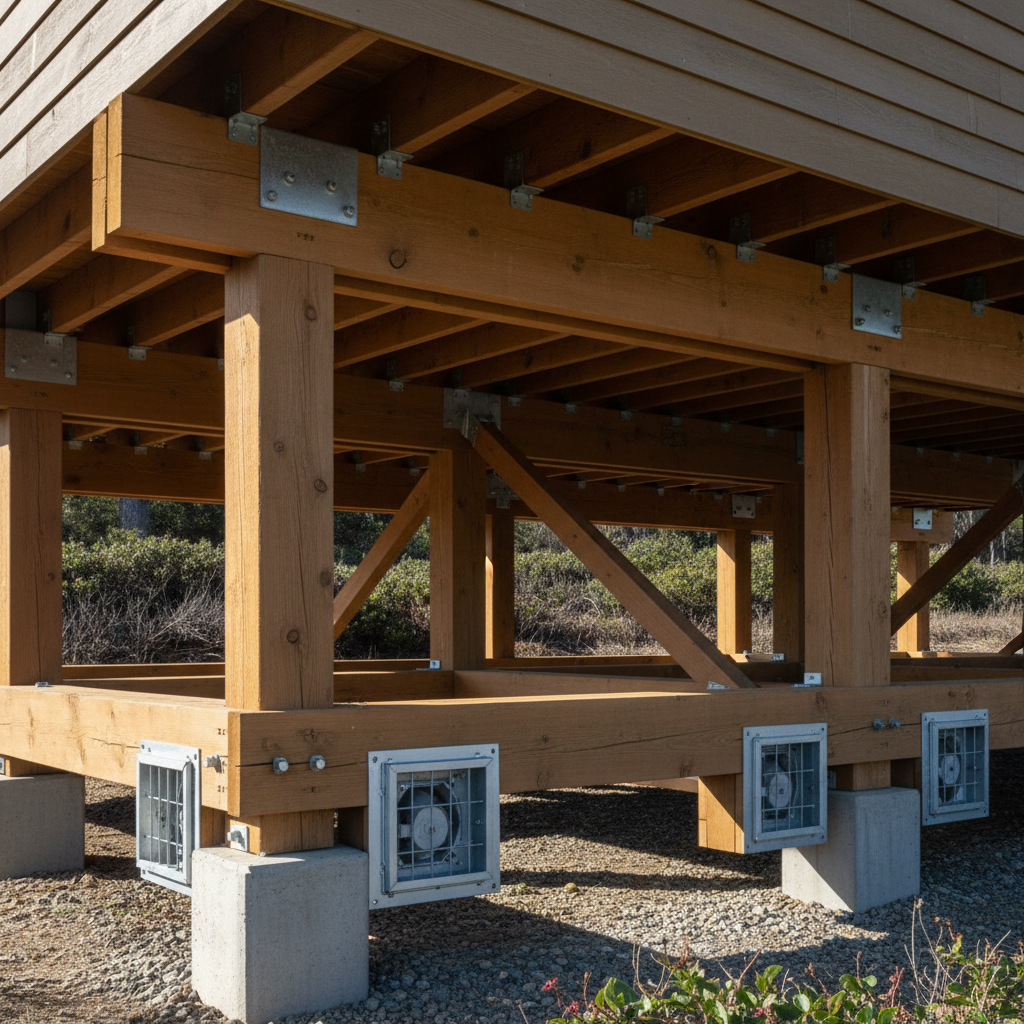
Building an ADU in a flood zone California involves more than just standard construction practices. It requires adherence to specific building codes and design principles aimed at protecting the structure from flood damage.
The 'Substantial Improvement' Rule and Its Impact
A crucial aspect to understand is the 'Substantial Improvement' rule. If the cost of an improvement (including an ADU) to an existing structure equals or exceeds 50% of the market value of the structure before the improvement, the entire existing structure must be brought into compliance with current flood plain management requirements. For a new, detached ADU, it is considered a new structure and must meet all flood zone construction standards.
Key Design and Construction Requirements
The primary goal is to ensure the ADU is elevated and constructed with flood-resistant materials to minimize damage during a flood event.
1. Elevation Requirements
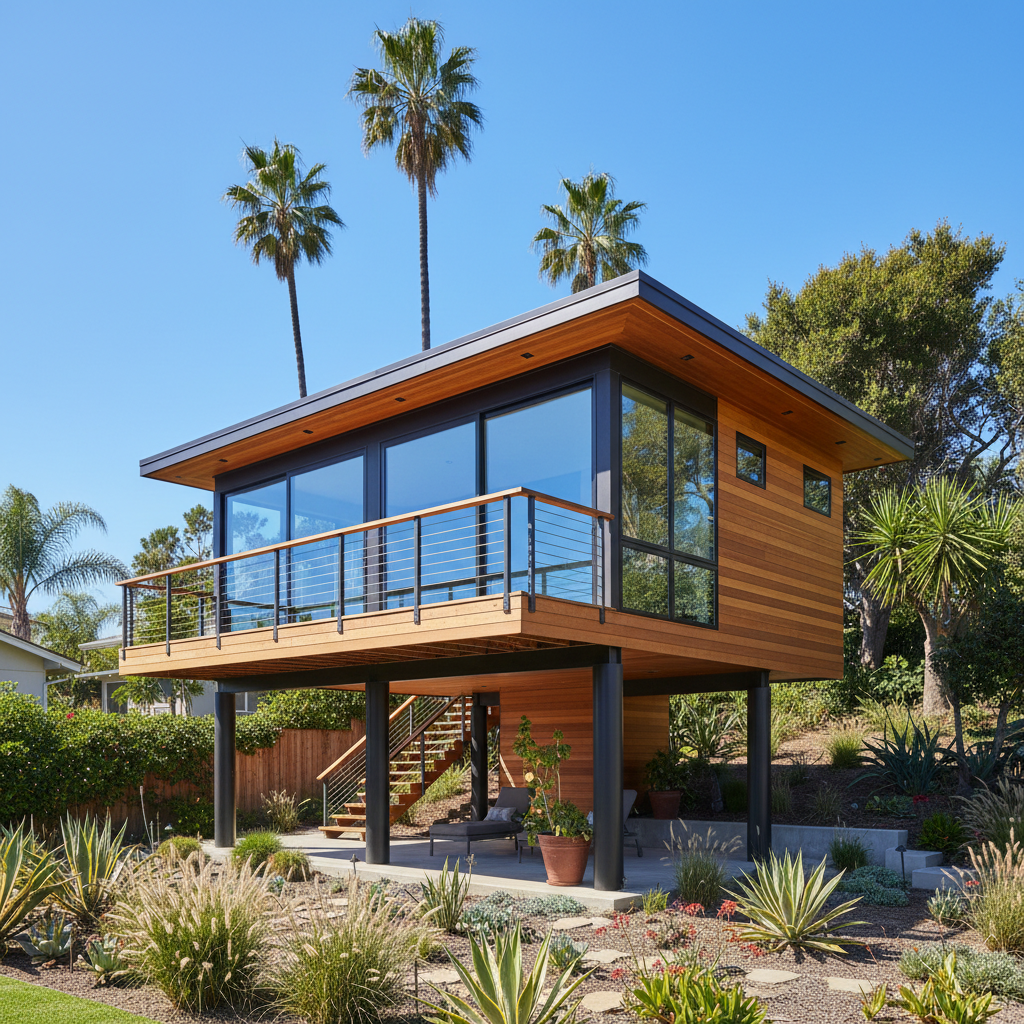
This is perhaps the most significant requirement. New construction in SFHAs must have the lowest floor (including basements) elevated to or above the Base Flood Elevation (BFE). The BFE is the computed elevation to which floodwater is anticipated to rise during the 100-year flood. Local ordinances often require an additional freeboard (typically 1-2 feet) above the BFE for added safety.
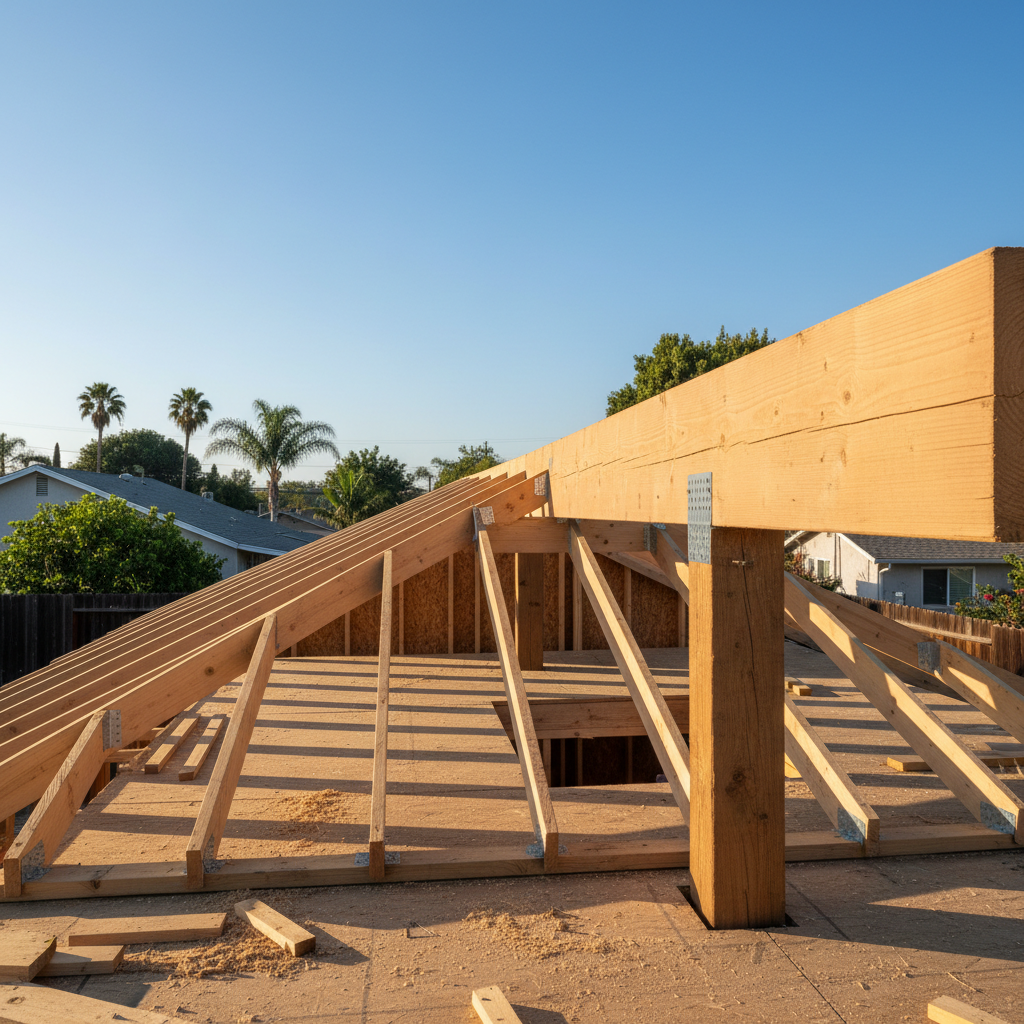
- Foundation Types: Common solutions include pier-and-beam foundations, elevated slab-on-grade, or building on stilts. The space below the elevated floor must be designed to allow floodwaters to pass through without causing structural damage.
- Enclosures Below BFE: Any enclosed areas below the BFE (e.g., for parking, access, or storage) must be equipped with flood vents to allow water to enter and exit freely, equalizing hydrostatic pressure. These spaces cannot be used for living areas.
2. Flood-Resistant Materials
All materials used below the BFE must be capable of withstanding prolonged contact with floodwaters without significant damage. This includes materials for insulation, flooring, walls, and utilities.
3. Utilities Placement
Mechanical and electrical equipment (HVAC units, water heaters, electrical panels) must be elevated to or above the BFE to prevent damage and ensure safety during a flood.
4. Local Floodplain Management Ordinances
While FEMA sets the federal standards, many California communities participate in the National Flood Insurance Program (NFIP) and have adopted their own, often more stringent, floodplain management ordinances. These local rules can dictate specific setback requirements from waterways, drainage provisions, and additional freeboard requirements. It is essential to consult with your local planning and building departments early in the process.
Consult with GatherADU's experts to understand specific flood zone requirements for your property.Challenges and Considerations for Your Project
Building an ADU in a flood zone introduces several complexities that homeowners must be prepared for.
Increased Costs
The specialized design and construction methods required for flood-resistant ADUs—such as elevated foundations, flood-resistant materials, and engineering certifications—will inevitably increase overall project costs compared to building in a non-flood zone. These costs are an investment in safety and resilience.
Extended Permitting Timelines
The permitting process for an ADU in a flood zone California is typically more involved and time-consuming. It requires additional reviews from flood plain managers, potentially more detailed engineering reports, and stricter compliance checks. Patience and thorough documentation are key.

Insurance Implications
If your property is in an SFHA, flood insurance will likely be mandatory for any federally backed mortgage. Even if not mandatory, it is highly recommended. Premiums can be higher for structures built in flood zones, though structures built to current flood-resistant standards may qualify for lower rates through FEMA's Community Rating System (CRS).
Potential Impact on Property Value and Resale
While an ADU generally adds significant value, building in a flood zone can be a double-edged sword. A well-designed, flood-resistant ADU can demonstrate resilience and quality construction, appealing to certain buyers. However, the ongoing cost of flood insurance and perceived flood risk might deter others. Transparency and proper documentation of flood-resistant features are crucial.
The Essential Role of Professionals
Successfully building an ADU in a flood zone is not a DIY project. It requires a team of experienced professionals.
- Licensed Architects and Engineers: You'll need architects experienced in flood-resistant design and structural engineers to certify the foundation and structural integrity.
- ADU Specialists: Companies like GatherADU specialize in California ADU regulations and construction. We understand the nuances of local zoning codes, state laws, and how to integrate flood zone requirements seamlessly into your ADU project.
- Permit Expeditors/Consultants: Given the complexity, professionals who can navigate the local planning and building departments, including flood plain management offices, are invaluable.
Working with a knowledgeable team from the outset can save you significant time, money, and stress, ensuring your ADU meets all safety and regulatory standards.
Get a free project estimate for your flood zone ADU by contacting GatherADU today.Is Building an ADU in a Flood Zone Worth It?
Despite the added complexities and costs, building an ADU in a flood zone California can absolutely be a worthwhile endeavor. The benefits of an ADU—whether for rental income, housing aging parents, or providing space for adult children—are substantial. With careful planning, expert design, and resilient construction, your ADU can be a safe, valuable, and long-lasting asset.

The key is to approach the project with a full understanding of the requirements and a commitment to robust, flood-resistant construction. Don't let a flood zone designation automatically deter your ADU dreams. Instead, view it as an opportunity to build a stronger, more resilient home that is prepared for California's future.
Conclusion
Building an ADU in a flood zone in California is undoubtedly a more complex undertaking than standard construction, but it is far from impossible. By understanding your property's flood risk, adhering to stringent federal, state, and local regulations, and partnering with experienced professionals, you can successfully navigate the process. Prioritizing resilient design, elevated construction, and appropriate materials will not only secure your investment but also ensure the safety and longevity of your new backyard home.
GatherADU is here to guide you through every step of this intricate process. Our expertise in California ADU regulations and flood-resistant construction ensures your project meets all requirements while delivering a beautiful, functional, and safe living space. Don't let the complexities of flood zones drown your ADU aspirations. Take the first step towards realizing your ADU vision with confidence.
Ready to explore the possibilities for your property? Book a free ADU consultation with GatherADU today to discuss your project and get expert advice tailored to your specific flood zone considerations.