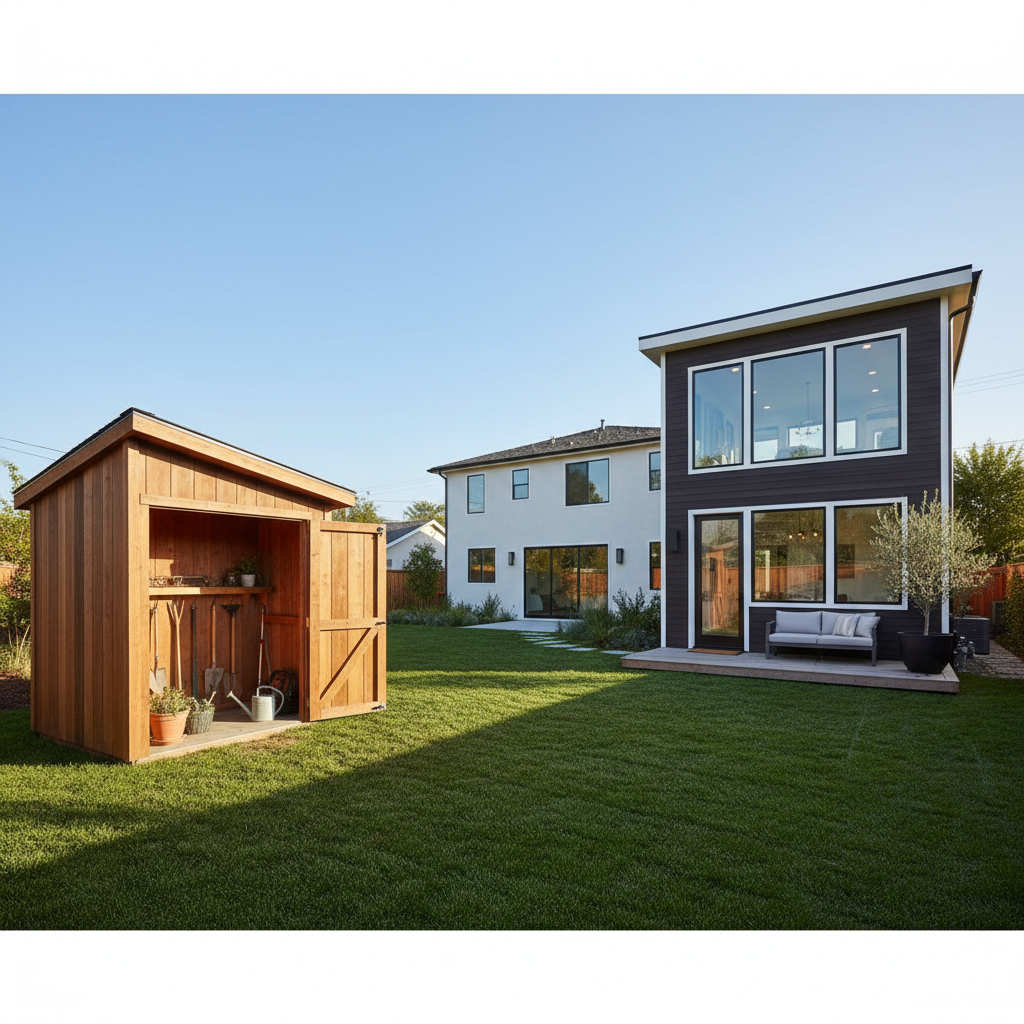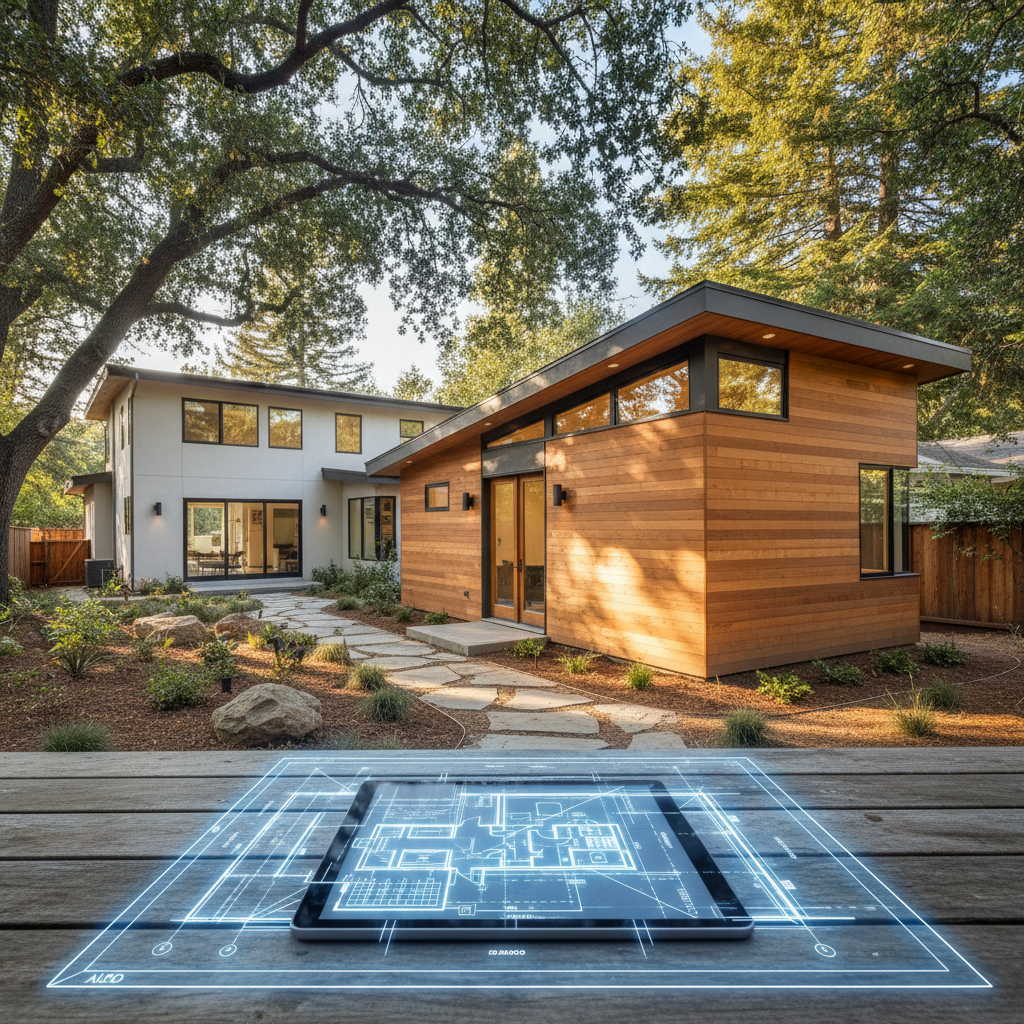

Embarking on an Accessory Dwelling Unit (ADU) project in California is an exciting venture, promising additional living space, rental income, or a home for loved ones. However, navigating the regulatory landscape is a crucial step, and among the most important requirements is understanding the California Title 24 Energy Standards. Specifically, obtaining an ADU Title 24 compliance report is not just a bureaucratic hurdle; it's a cornerstone of building a sustainable, energy-efficient, and legally sound backyard home.
At GatherADU, we believe in empowering homeowners with the knowledge they need to make informed decisions. This comprehensive guide will demystify the Title 24 compliance report, explaining what it is, why it's indispensable for your ADU, and what key elements it covers to ensure your project meets California's stringent energy efficiency standards.
What is California's Title 24 Energy Code?
California's Title 24, Part 6, also known as the Building Energy Efficiency Standards, is a set of regulations designed to ensure that new and altered buildings in the state are constructed to be as energy-efficient as possible. First adopted in 1978, these standards are regularly updated (typically every three years) to incorporate new technologies and construction practices, pushing the envelope for sustainable building.
The primary goal of Title 24 is to reduce California's energy consumption and greenhouse gas emissions, contributing to the state's ambitious climate goals. This is achieved by requiring buildings to be designed and built with features that minimize the need for heating, cooling, lighting, and water heating, ultimately leading to lower utility bills for homeowners and a reduced environmental footprint.
For your ADU, Title 24 compliance means your new structure must meet specific performance criteria related to energy usage. It's about building a home that's not just functional, but also smart about its energy consumption.
Why is an ADU Title 24 Compliance Report Essential for Your Project?
The ADU Title 24 compliance report isn't merely a suggestion; it's a mandatory component of your ADU's permitting process. Here’s why it’s so critical:
-
Legal Requirement: Without a certified Title 24 report, your local building department will not issue a building permit for your ADU. Compliance is non-negotiable for lawful construction.
-
Energy Savings: Perhaps the most tangible benefit for you, the homeowner, is the direct savings on utility bills. An ADU designed to Title 24 standards will be significantly more efficient, reducing costs associated with heating, cooling, and lighting.
-
Environmental Responsibility: By building a Title 24 compliant ADU, you're contributing to California's broader efforts to combat climate change and promote sustainable living.
-
Enhanced Comfort and Indoor Air Quality: Energy-efficient design often translates to better insulation, fewer drafts, and superior ventilation, creating a more comfortable and healthier living environment for occupants.
-
Increased Property Value: An energy-efficient and legally compliant ADU is a valuable asset. It's more attractive to potential renters or future buyers, potentially commanding higher rental rates or a better resale value.
-
Avoid Costly Delays and Rework: Addressing Title 24 compliance early in the design phase prevents costly changes, delays, or even the need to tear down and rebuild non-compliant elements later in the construction process.
What Does a Title 24 Compliance Report Cover for Your ADU?
A Title 24 compliance report is a detailed document that demonstrates how your ADU's design meets the state's energy efficiency standards. It involves complex energy calculations and specifications across several key areas:
1. Building Envelope
-
Insulation: Specifies R-values for walls, roofs, and floors to minimize heat transfer. This includes requirements for continuous insulation and proper installation to prevent thermal bridging.
-
Windows and Doors: Details U-factor (heat transfer rate) and Solar Heat Gain Coefficient (SHGC – how much solar radiation passes through) for all fenestration. Higher performance windows are crucial, especially in different climate zones.
-
Air Sealing: Requirements to minimize air leakage from the building envelope, often verified through blower door tests, to prevent drafts and uncontrolled heat loss/gain.
2. HVAC (Heating, Ventilation, and Air Conditioning) Systems
-
Equipment Efficiency: Specifies minimum efficiency ratings (e.g., SEER for AC, AFUE for furnaces, HSPF for heat pumps) for all heating and cooling equipment.
-
Duct Systems: Requirements for duct insulation, sealing, and testing (duct leakage tests) to ensure conditioned air reaches its destination efficiently without significant losses.
-
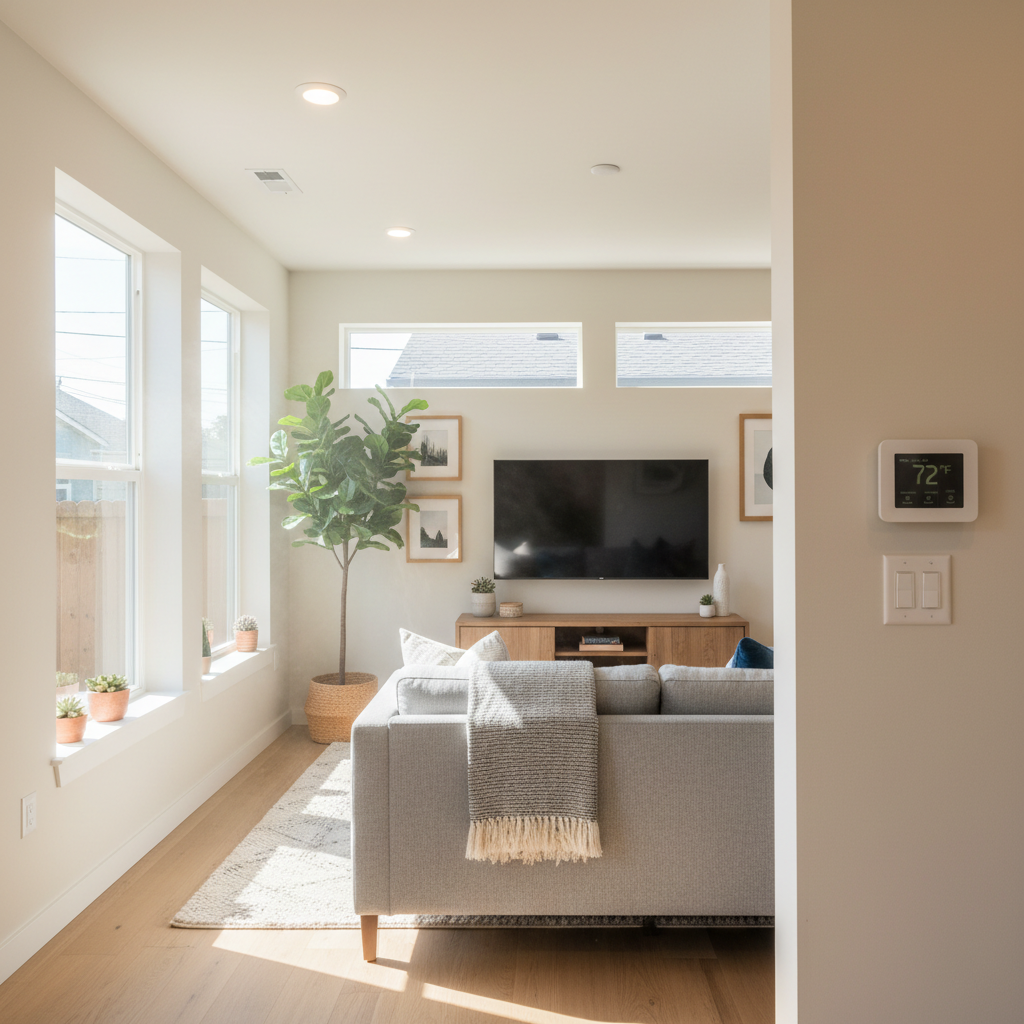
Thermostats and Controls: Mandates programmable or smart thermostats to optimize energy use.
3. Water Heating Systems
-
Efficiency Standards: Requirements for the efficiency of water heaters, often favoring tankless, heat pump water heaters, or solar water heating systems, especially for new construction.
-
Pipe Insulation: Specifies insulation for hot water pipes to reduce heat loss.
4. Lighting
-
High-Efficiency Lighting: Mandates the use of high-efficacy lighting (e.g., LED or CFL) in most areas, along with specific lighting power densities.
-
Controls: Requirements for lighting controls such as dimmers, occupancy sensors, and daylighting controls to minimize unnecessary lighting use.
5. Renewable Energy (Solar PV)
-
For newly constructed ADUs, Title 24 often includes requirements for solar photovoltaic (PV) systems to offset a portion of the building's electricity use. This can vary based on the ADU's size and other energy design features.
6. Indoor Air Quality and Ventilation
-
Beyond energy, Title 24 also addresses indoor air quality through requirements for mechanical ventilation systems (e.g., continuously operating exhaust fans) to ensure fresh air circulation.
7. Home Energy Rating System (HERS) Verification
-
A crucial part of the compliance process involves third-party verification by a certified HERS Rater. The HERS Rater conducts site inspections and tests (like duct leakage tests, refrigerant charge tests, and blower door tests) to ensure that the installed systems and construction match the design specifications in the Title 24 report. This verification ensures that the ADU performs as designed.
Understanding these detailed requirements can be overwhelming for homeowners. That's where expert guidance becomes invaluable. Schedule a free ADU consultation with GatherADU to discuss how we integrate Title 24 compliance seamlessly into your project.
The Title 24 Compliance Process for Your ADU
The journey to Title 24 compliance for your ADU typically follows these steps:
-
Design Phase Integration: From the very beginning, your architect and ADU designer will incorporate energy-efficient elements into the plans, choosing appropriate insulation, windows, HVAC systems, and other components.
-
Energy Modeling and Report Generation: A certified energy consultant (often working with your designer/builder) uses specialized software to perform energy calculations based on your ADU's design, climate zone, and proposed materials. This generates the Title 24 compliance report (e.g., CF-1R forms).
-
Plan Check Submission: The Title 24 report is submitted along with your architectural plans to the local building department for review and approval.
-
Construction and HERS Verification: During construction, the HERS Rater will conduct required site visits and tests to verify that the energy-related components are installed correctly and perform as specified in the report. This includes rough-in inspections and final performance tests.
-
Final Documentation: Upon successful completion of all HERS verification, the HERS Rater will submit final compliance documents (e.g., CF-2R, CF-3R forms), which are necessary for your ADU's final inspection and certificate of occupancy.
Common Challenges and How GatherADU Can Help
Navigating the intricacies of the ADU Title 24 compliance report can present challenges:
-
Complexity of Regulations: The rules are highly technical and frequently updated, requiring specialized knowledge.
-
Initial Cost Perception: While energy-efficient components offer long-term savings, their upfront cost can seem higher. However, the long-term benefits far outweigh the initial investment.
-
Coordination: Ensuring seamless collaboration between designers, builders, and HERS raters is crucial for a smooth process.
GatherADU simplifies this entire process for you. Our integrated design-build approach means that Title 24 compliance is woven into every stage of your ADU project. Our expert team:
-
Designs ADUs that inherently meet or exceed Title 24 standards.
-
Manages all necessary energy calculations and report generation.
-
Coordinates with certified HERS raters for timely inspections and verification.
-
Ensures that your ADU passes all energy efficiency requirements, securing your permits without delays.
With GatherADU, you gain peace of mind knowing that your ADU will be a model of energy efficiency, comfort, and compliance. We handle the complexities so you can focus on the excitement of your new backyard home. Don't let the technicalities of Title 24 compliance deter you from your ADU dreams; let us guide you through every step. Get a free project estimate and start planning your compliant, energy-efficient ADU today!
Conclusion
The ADU Title 24 compliance report is more than just a regulatory document; it's a testament to California's commitment to a sustainable future and a guarantee of a high-performing, comfortable, and cost-effective ADU for you. While the requirements are detailed, understanding their purpose and partnering with experienced professionals like GatherADU can transform a potential challenge into a seamless part of your ADU journey.
By prioritizing energy efficiency from design to completion, your ADU will not only meet all legal mandates but also provide lasting value, lower utility bills, and a healthier living environment. Don't navigate these complex regulations alone. Let GatherADU's expertise ensure your ADU project is a success, compliant in every aspect. Ready to build your dream ADU with confidence? Book your free ADU consultation with GatherADU today and take the first step towards a compliant and efficient backyard home!