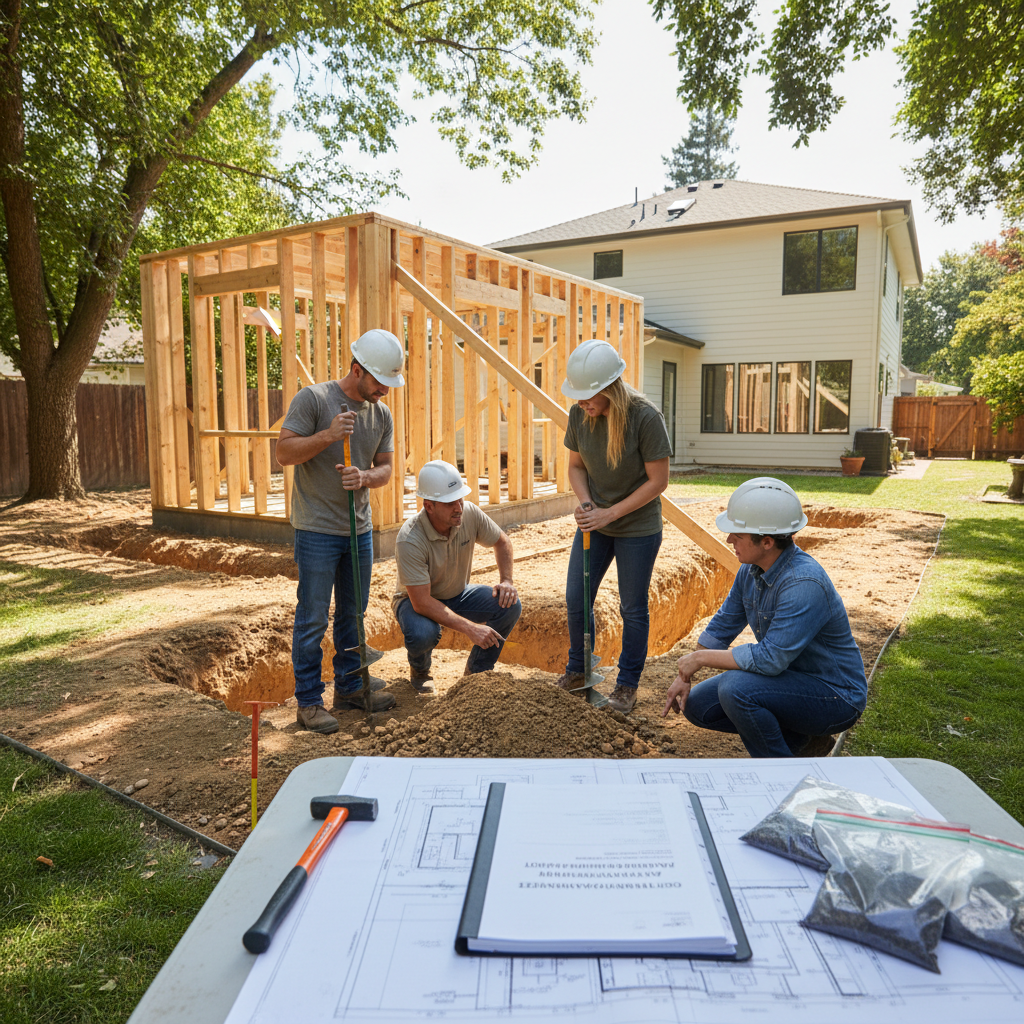
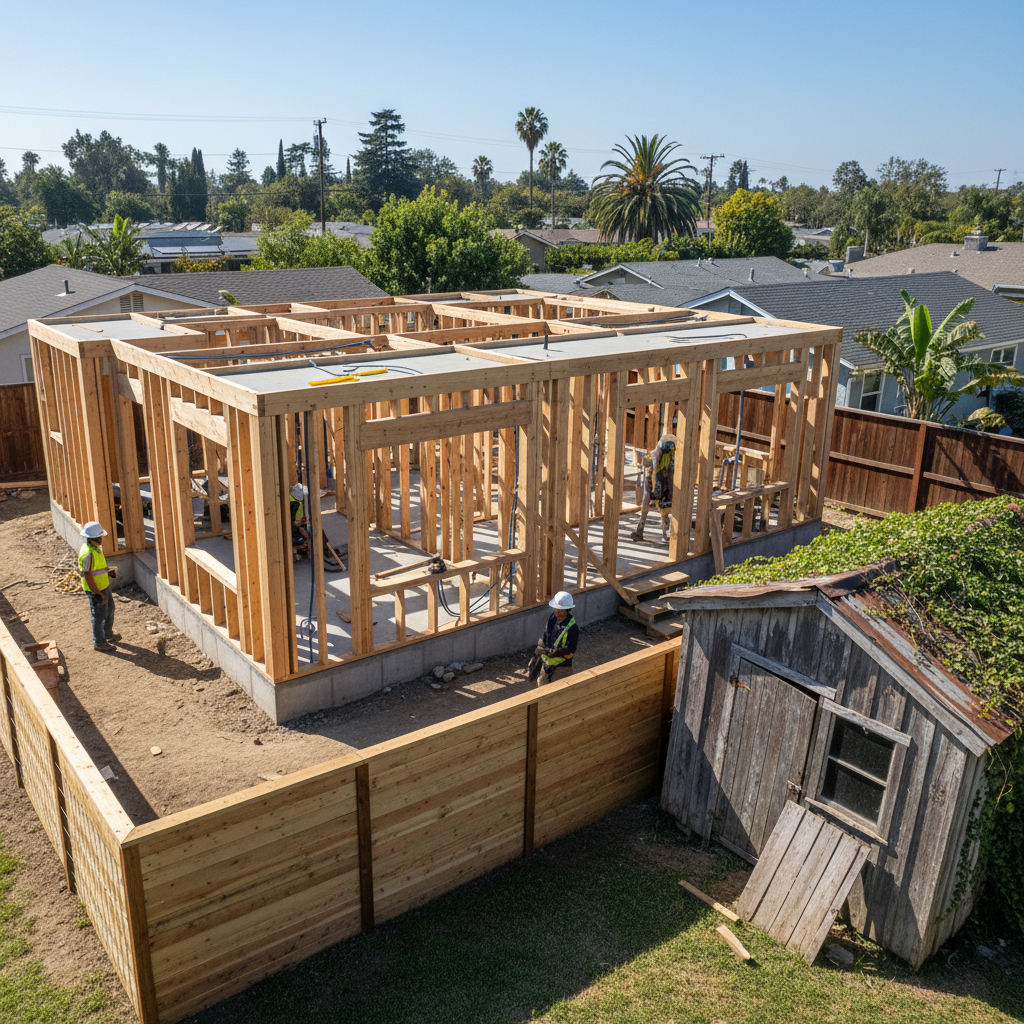
Embarking on an Accessory Dwelling Unit (ADU) project in California is an exciting venture, offering homeowners expanded living space, rental income potential, or a dedicated workspace. However, like any significant construction project, it comes with its share of complexities, particularly concerning property boundaries and legal compliance. One such challenge that can significantly impact your ADU build is an ADU encroachment.
At GatherADU, we believe that understanding potential pitfalls early on is key to a smooth and successful project. This comprehensive guide will demystify what an encroachment is, explore its various forms, and explain exactly how it can affect your ADU plans. More importantly, we'll equip you with the knowledge to identify and resolve these issues, ensuring your backyard home dream becomes a reality without unnecessary delays or legal headaches.
What Exactly Is an Encroachment?
In the simplest terms, an encroachment occurs when a structure or feature from one property extends onto or invades another property's land. This is a common legal issue in real estate, often arising unintentionally due to old surveys, unclear property lines, or long-standing informal agreements between neighbors.
It's crucial to distinguish an encroachment from an easement. An easement is a legal right for someone to use another person's land for a specific purpose (e.g., a utility company's right to access power lines, or a neighbor's right to cross your property for access). An encroachment, on the other hand, is an unauthorized, physical intrusion of a structure or fixture onto an adjacent property.
Common Examples of Encroachments:
- Fences: A fence built slightly (or significantly) over the true property line.
- Structures: A shed, garage, deck, or even a part of a main house that extends onto a neighbor's land.
- Overhangs: Roof eaves, balconies, or other architectural elements that project over a property line.
- Trees and Vegetation: While not a structure, large trees whose trunks or substantial root systems cross property lines can sometimes be considered an encroachment if they cause damage or interfere with construction.
- Utility Lines: Less common as a true encroachment if properly recorded, but unrecorded or improperly placed utility lines (sewer, water, gas) could present an issue.
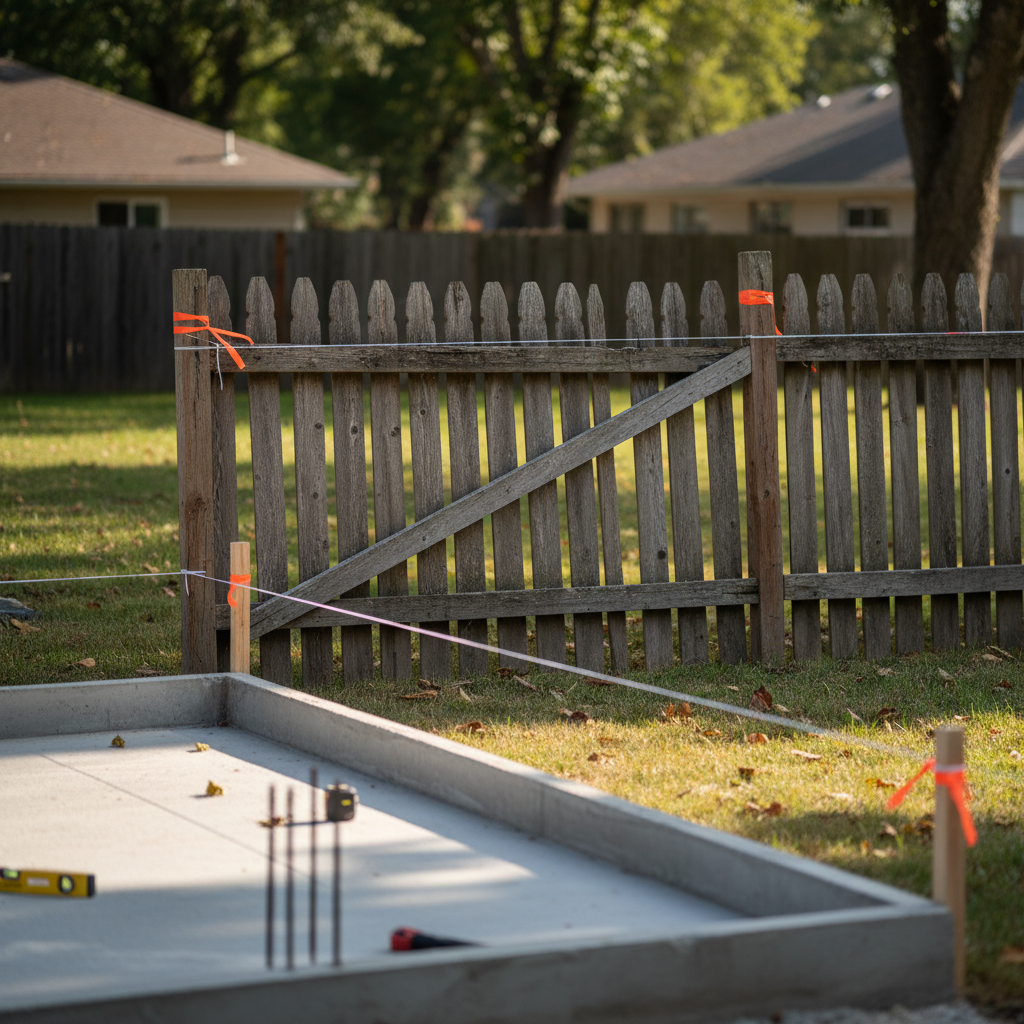
How Encroachments Affect Your ADU Project
When planning an ADU, every inch of your property matters, especially concerning setbacks and buildable area. An existing encroachment, whether it's on your property or a neighbor's, can throw a wrench into your plans in several critical ways:
1. Legal Complications and Disputes
- Neighbor Disputes: Discovering an encroachment often leads to disagreements with neighbors, which can escalate into costly and time-consuming legal battles.
- Title Issues: Encroachments can create a cloud on your property's title, making it difficult to sell or refinance your home in the future.
- Adverse Possession: In some rare cases, if an encroachment has existed for a long period (typically 5-20 years, depending on state law, and meeting other specific criteria), the encroaching party might be able to claim legal ownership of the land through adverse possession.
2. Permitting and Regulatory Hurdles
- Building Department Denials: Local planning and building departments are strict about property line compliance and setback requirements. If your ADU plans show an encroachment, or if an existing encroachment prevents you from meeting required setbacks, your permits will likely be denied or significantly delayed.
- Setback Requirements: ADUs in California have specific setback rules (e.g., 4 feet from side and rear property lines in many cases). An encroachment can reduce your effective buildable area, making it impossible to meet these requirements for your desired ADU size or placement.
3. Construction Delays and Increased Costs
- Redesign and Rework: If an encroachment is discovered late in the process, you might need to redesign your ADU, move its proposed location, or even scale it down, leading to extra architectural and engineering costs.
- Resolution Expenses: Resolving an encroachment can involve surveying fees, legal consultation, negotiation costs, or even the expense of removing or relocating the encroaching structure.
- Project Timeline Extension: Any dispute or redesign will inevitably add weeks or months to your project timeline, delaying the completion of your ADU.
Identifying Encroachments Early: Your First Line of Defense
The best way to deal with an encroachment is to prevent it from becoming a problem in the first place, which means identifying it as early as possible. This is especially critical before you invest heavily in ADU design and permitting.
1. The Professional Property Survey: Non-Negotiable for ADUs
This is arguably the most important step. A licensed land surveyor will precisely map your property boundaries, locate all existing structures (yours and your neighbors'), and clearly mark any discrepancies. This survey will reveal if any part of your property, or a neighbor's, is encroaching. For any new construction, especially an ADU, a recent and accurate survey is essential.
2. Review Your Title Report and Deeds
When you purchased your home, you received a title report. Review this document carefully for any recorded easements, boundary agreements, or other notations that might hint at property line issues. While it won't typically show an unrecorded physical encroachment, it can provide historical context.
3. Visual Inspection and Neighborhood History
Walk your property lines. Are fences old and leaning? Do your neighbor's structures seem unusually close to what you perceive as your boundary? Talk to long-term neighbors (amicably, of course) – they might have historical knowledge of property lines or previous agreements.
4. Consult with Your Local Planning Department
Before designing, visit or call your local planning department. They can provide zoning maps, setback requirements, and sometimes even historical survey data for your area. This information, combined with your own survey, paints a clearer picture.
Don't let potential property line issues derail your ADU dreams. Schedule a free ADU consultation with GatherADU today to discuss your site-specific challenges and ensure a smooth start to your project.
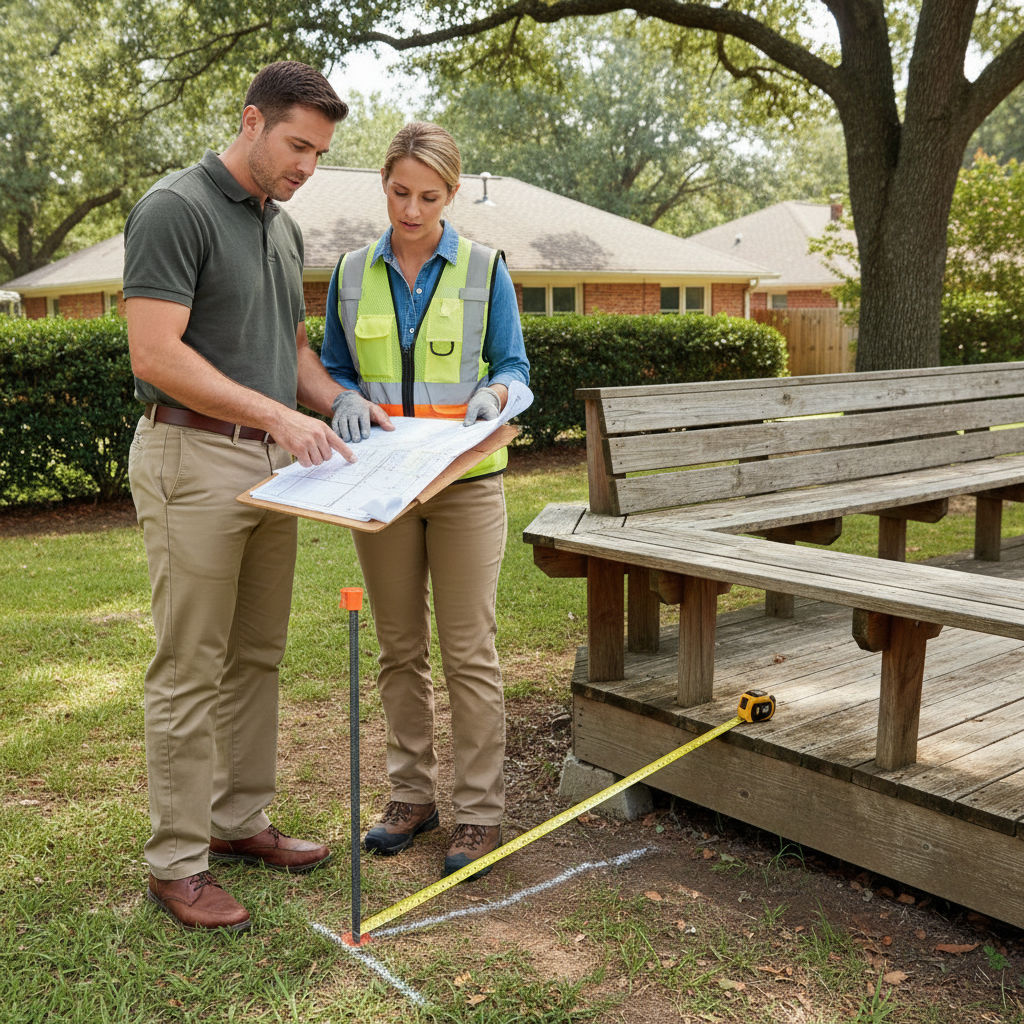
Resolving Encroachments: Your Options
Once an encroachment is identified, there are several pathways to resolution. The best approach depends on the nature of the encroachment, its severity, and your relationship with your neighbor.
1. Amicable Negotiation and Agreement
Often, the simplest and least expensive solution is to talk to your neighbor. Many encroachments are unintentional. You might agree to:
- Remove or Relocate: The encroaching party agrees to move their fence or structure.
- Boundary Line Agreement: If the encroachment is minor and both parties agree, you can legally adjust the property line. This requires a new survey, legal documentation, and typically recording the new boundary with the county.
- Easement Agreement: You might grant your neighbor a formal easement allowing their structure to remain on your property. This is a legal agreement that runs with the land, meaning future owners would also be bound by it.
Any agreement should always be in writing, notarized, and ideally recorded with the county recorder's office to prevent future disputes.
2. Legal Action (Last Resort)
If negotiation fails, legal action might be necessary. This typically involves:
- Quiet Title Action: A lawsuit to establish legal ownership of a property, often used in boundary disputes.
- Ejectment: A legal action to remove an encroaching party from your land.
- Injunction: A court order preventing the neighbor from continuing the encroachment or requiring them to remove it.
Legal battles are expensive, time-consuming, and can damage neighborly relations. They should always be considered a last resort.

The GatherADU Advantage: Expert Guidance for a Smooth Process
Navigating property boundaries, local zoning laws, and potential encroachments can be overwhelming for homeowners. This is where GatherADU's expertise becomes invaluable.
Our comprehensive ADU design and build process in California is designed to identify and address potential issues like encroachments proactively. We work with trusted professionals, including:
- Licensed Surveyors: To ensure accurate property lines from day one.
- Experienced Designers: Who understand local setback requirements and can design your ADU to avoid any issues.
- Permitting Specialists: Who are adept at navigating complex local building department regulations.
- Legal Resources: We can guide you on when and how to seek legal counsel for more complex boundary disputes.
By partnering with GatherADU, you gain a team dedicated to making your ADU project as smooth and stress-free as possible, ensuring all legal and regulatory hurdles are cleared efficiently.
Navigating property boundaries and potential encroachments can be complex, but you don't have to do it alone. Get expert guidance on your ADU project from GatherADU.
Conclusion
An ADU encroachment, while a potentially daunting obstacle, is a solvable problem when addressed early and strategically. Understanding what constitutes an encroachment, recognizing its potential impact on your project, and knowing the steps to resolve it are critical for any homeowner planning a backyard home in California.
Don't let uncertainty about property lines or potential encroachments deter you from realizing the benefits of an ADU. With proactive planning, professional surveys, and expert guidance from a trusted partner like GatherADU, you can confidently navigate these challenges and build the ADU that perfectly complements your home and lifestyle.
Ready to explore the possibilities of an ADU on your property without the stress of unexpected roadblocks? Book your free ADU consultation with GatherADU today and let our experienced team help you lay the foundation for a successful and compliant backyard home.