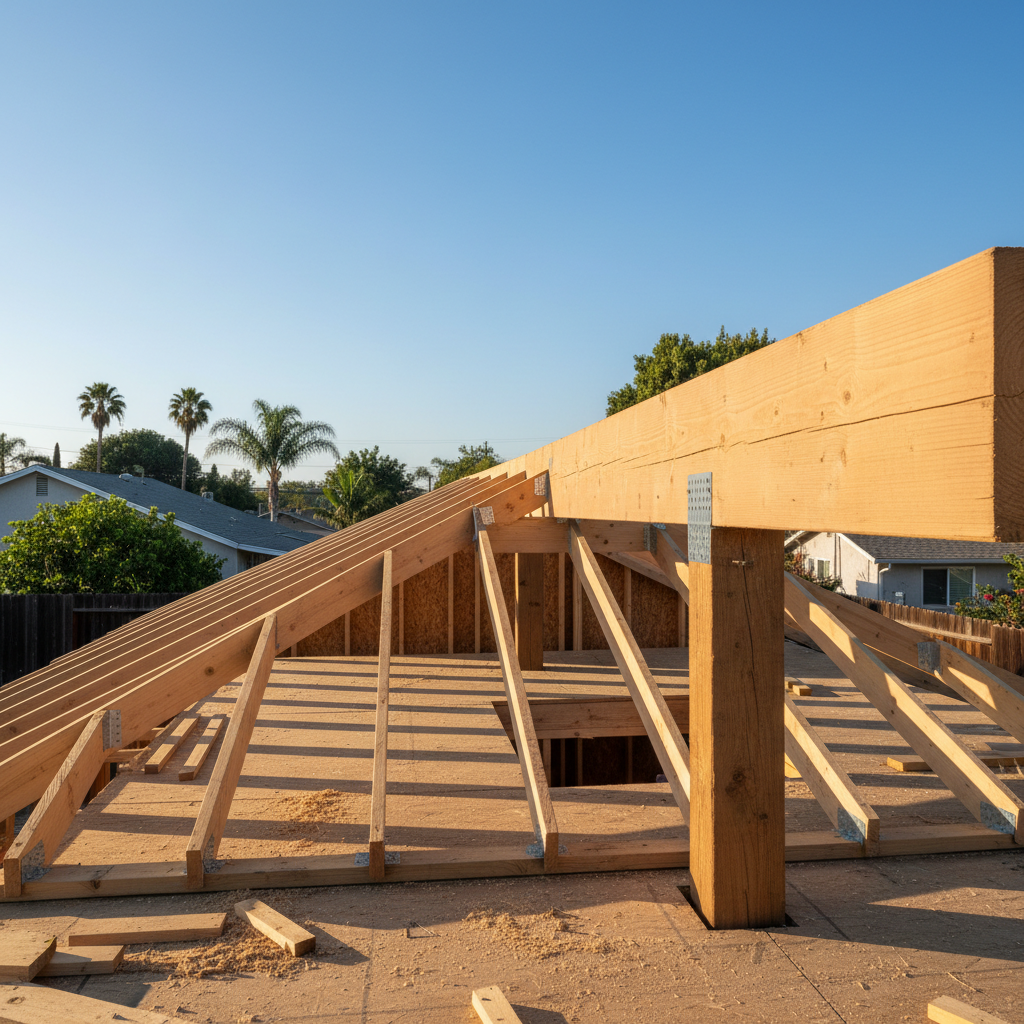
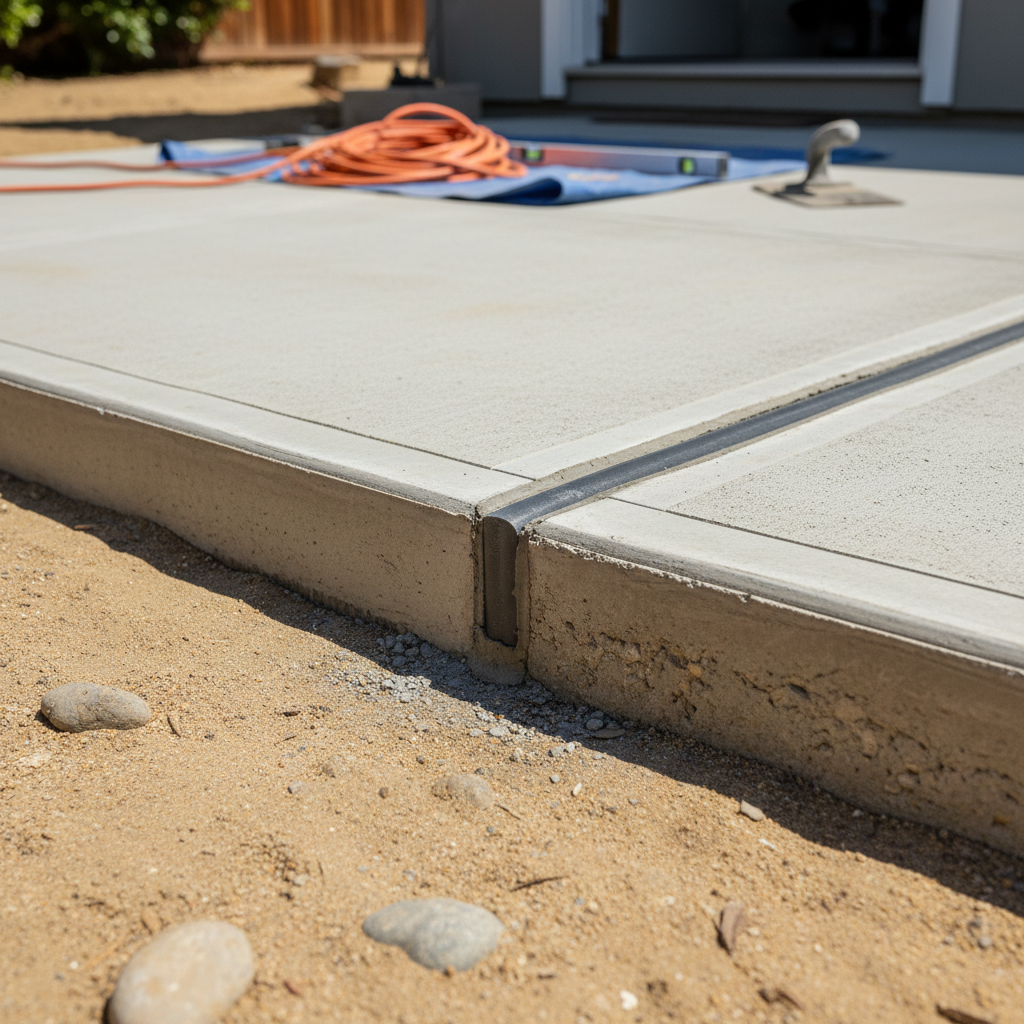
When planning or building an Accessory Dwelling Unit (ADU) in California, homeowners often focus on exciting design choices, floor plans, and finishes. However, the unsung heroes of structural integrity lie beneath the surface, ensuring your ADU stands strong for decades. One such critical, yet often overlooked, element is the ADU expansion joint. But what exactly is an expansion joint, and when is one required in your ADU project?
At GatherADU, we believe informed homeowners make the best decisions. This comprehensive guide will demystify expansion joints, explaining their purpose, necessity, and how they contribute to the long-term durability and safety of your backyard home.
What is an Expansion Joint?
At its core, an expansion joint is a gap or break in a building material, typically concrete, masonry, or paving, designed to absorb the expansion and contraction of that material. All building materials, especially concrete, will expand when heated and contract when cooled. Without a dedicated space to accommodate this movement, stresses build up within the material, leading to unsightly and potentially structural cracks, buckling, or other forms of damage.
Think of it like this: on a hot day, a long stretch of concrete will try to get slightly longer. If it's constrained on both ends, it has nowhere to go but up (buckling) or sideways (cracking). An expansion joint provides that necessary wiggle room, allowing the material to move freely without causing damage to itself or adjacent structures.
Key Functions of an Expansion Joint:
- Accommodate Thermal Expansion and Contraction: This is the primary role, preventing cracks from temperature fluctuations.
- Isolate Structural Elements: They separate different structural components, such as a new ADU foundation from an existing patio or the main house's foundation, preventing stress transfer.
- Absorb Seismic Movement: In earthquake-prone areas like California, expansion joints can help structures flex and move independently during seismic events, reducing damage.
- Allow for Differential Settlement: If different parts of a structure settle at varying rates, an expansion joint can mitigate stress.
Why Are Expansion Joints Crucial for ADUs in California?
ADUs, by their nature, often present unique construction challenges that make expansion joints particularly vital:
- Proximity to Existing Structures: Many ADUs are built close to or even attached to the main dwelling, or near existing concrete patios, driveways, and walkways. Connecting new concrete pours directly to existing ones without an expansion joint is a recipe for cracking due to differential movement and settlement.
- California's Climate Extremes: While known for its sunshine, California experiences significant temperature swings, especially between day and night, and across seasons. These fluctuations directly impact concrete and other materials, making proper expansion allowances essential.
- Seismic Activity: Living in California means building for earthquakes. Expansion joints provide crucial flexibility, allowing your ADU's foundation and slab to move independently of other elements during seismic events, reducing the risk of catastrophic damage.
- Soil Conditions: California's diverse soil types, including expansive clays, can lead to varying degrees of soil movement and settlement. Expansion joints help mitigate the stresses placed on concrete structures due to these ground movements.
- Longevity and Maintenance: Properly installed expansion joints significantly extend the lifespan of your ADU's foundation, slab, and surrounding hardscapes by preventing costly repairs associated with uncontrolled cracking.
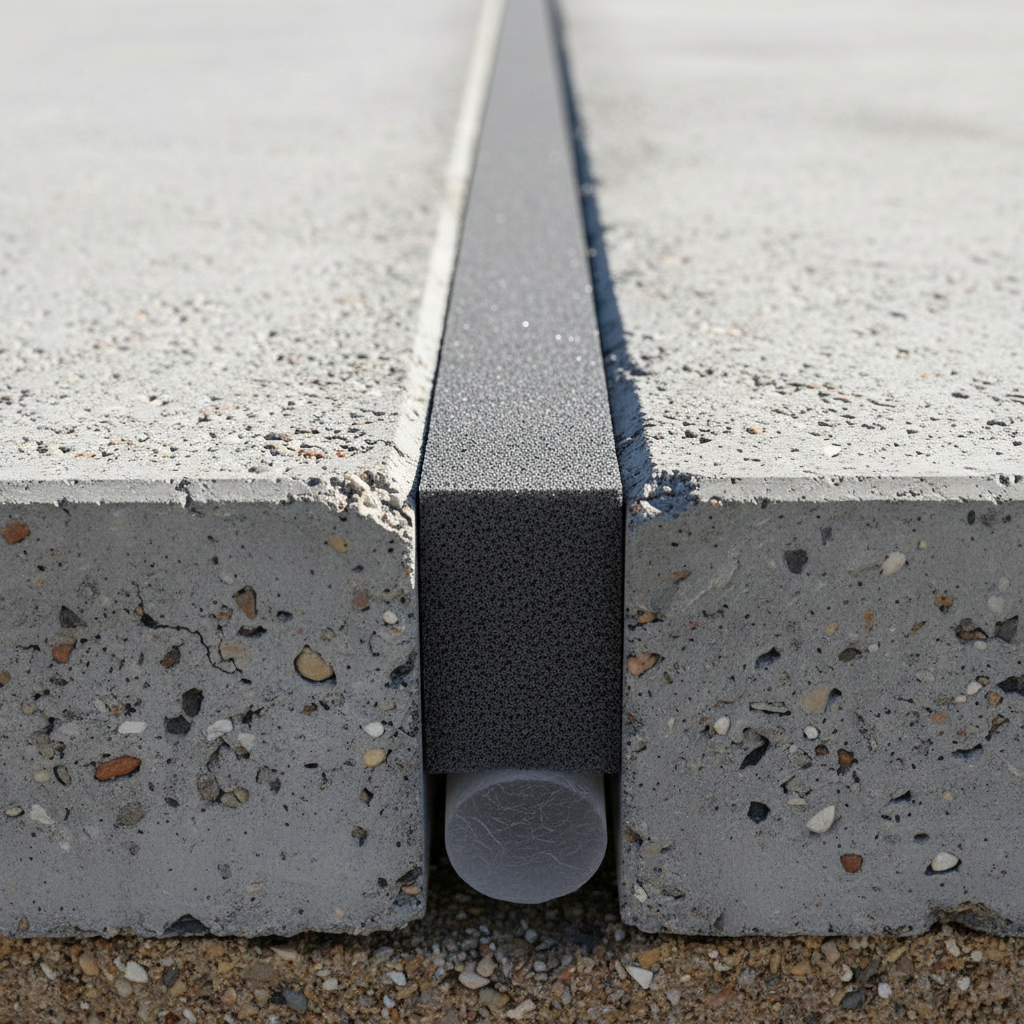
When is an ADU Expansion Joint Required?
The requirement for expansion joints isn't just a best practice; it's often mandated by building codes and engineering specifications, especially for ADUs in California. Here are common scenarios where an ADU expansion joint is typically required:
1. Connecting New Concrete to Existing Structures
This is perhaps the most common scenario for ADUs. Anytime a new concrete slab (for the ADU foundation, a new patio, or walkway) abuts an existing structure or concrete element, an expansion joint is necessary. This includes:
- Between the ADU's new foundation/slab and the main house's foundation.
- Where a new ADU concrete patio meets an existing patio or driveway.
- Around columns, utility penetrations, or other fixed elements within a large concrete pour.
2. Long Concrete Slabs and Foundations
Even if an ADU's slab isn't directly connected to another structure, long stretches of concrete are susceptible to thermal expansion and contraction. Building codes and engineering standards typically specify maximum distances for continuous concrete without an expansion joint. For large ADU slabs or extensive concrete pathways, these joints are non-negotiable.
3. Changes in Material Type
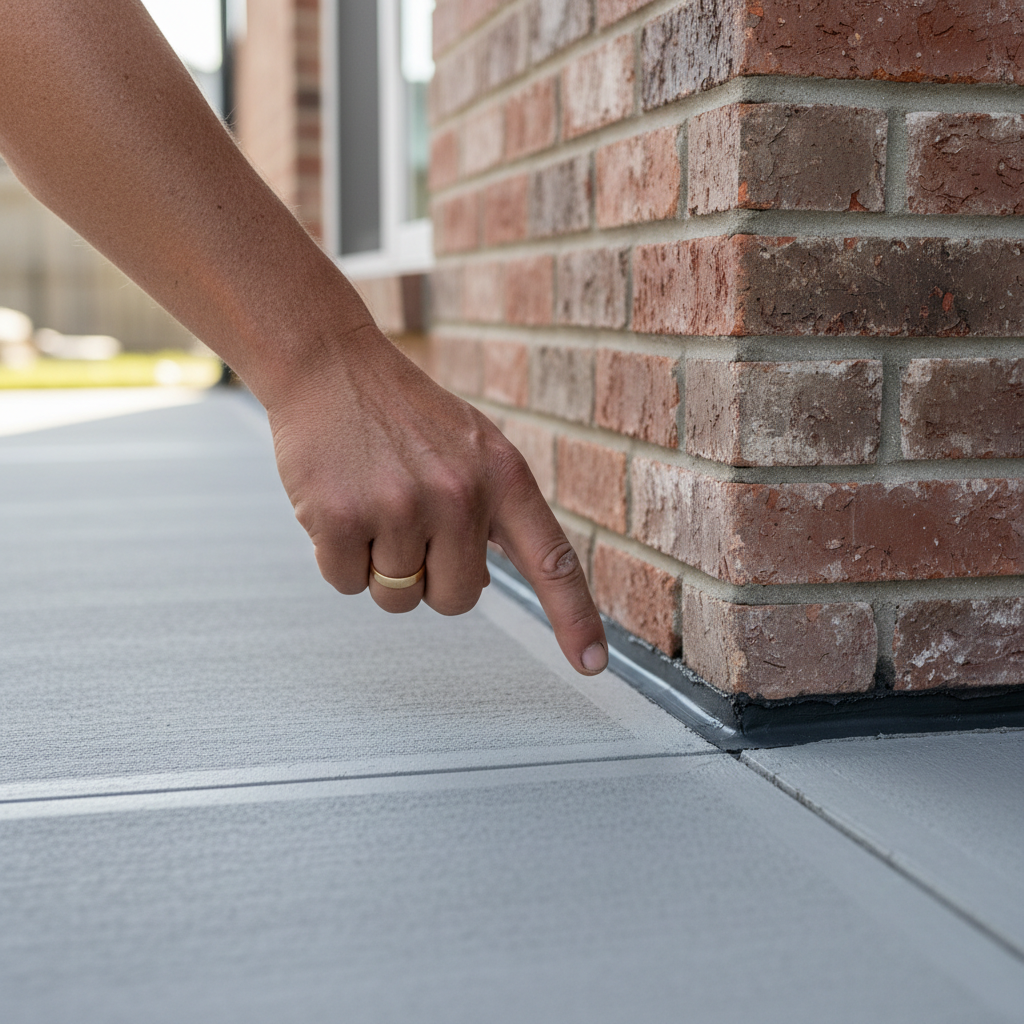
When concrete meets other rigid materials like brick, stone, or even different types of concrete with varying expansion rates, an expansion joint is vital to prevent stress at the interface.
4. Seismic Design Requirements
Given California's seismic zone classifications, structural engineers will almost always specify expansion joints in ADU foundation design to allow for independent movement of structural components during an earthquake. This is a critical safety consideration.
5. Specific Engineering and Architectural Plans
Ultimately, the definitive answer for your specific ADU project will come from the licensed architect and structural engineer. They will design your ADU's foundation and slab, meticulously calculating where expansion joints are needed based on:
- ADU size and layout
- Soil reports
- Local climate data
- California Building Code (CBC) requirements
- Proximity to other structures
To ensure your ADU's foundation and structural integrity are professionally handled from design to completion, consult with GatherADU's experts. We bring years of experience navigating California's unique building landscape.
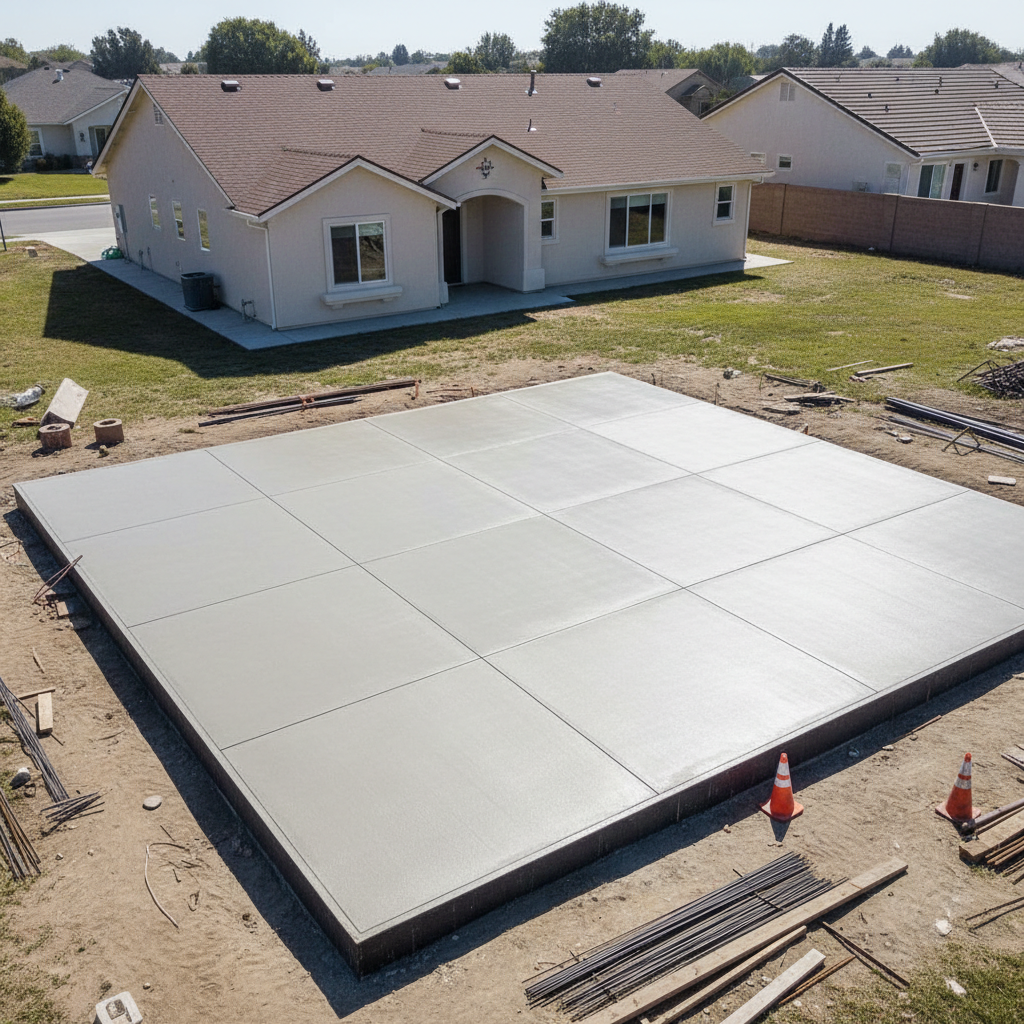
Expansion Joints vs. Control Joints vs. Isolation Joints: What's the Difference?
These terms are often used interchangeably, but they serve distinct purposes in concrete construction:
-
Expansion Joint (Isolation Joint)
Purpose: To completely separate one concrete element from another, or from a fixed structure, allowing for full independent movement due to thermal changes, settlement, or seismic activity. They typically extend the full depth of the concrete slab or element.
Material: Often filled with compressible, resilient materials like asphalt-impregnated fiberboard, cork, or rubber.
Application: Between an ADU slab and the main house, around columns, or where a new concrete driveway meets an existing garage slab.
-
Control Joint (Contraction Joint)
Purpose: To create a weakened plane in a concrete slab where cracking is expected to occur. Concrete will crack as it shrinks during curing and drying, and due to thermal contraction. Control joints direct these cracks along a predetermined, visually acceptable line, rather than allowing random, unsightly cracks.
Material: Typically a saw cut or grooved line in the concrete, usually 1/4 to 1/3 the depth of the slab. They are often un-filled or filled with a sealant.
Application: In large concrete patios, sidewalks, or garage slabs to manage shrinkage cracking.
While an expansion joint is a type of isolation joint, the term 'expansion joint' specifically emphasizes its role in accommodating thermal movement. It's crucial for your ADU's long-term health to have the correct type of joint installed in the right location.
Proper Installation and Maintenance
The effectiveness of an expansion joint hinges on its correct installation. This involves:
- Correct Placement: As determined by architectural and engineering plans.
- Appropriate Width and Depth: The joint must be wide enough to accommodate anticipated movement and extend the full depth of the concrete element it separates.
- Suitable Filler Material: The compressible filler material (fiberboard, cork, rubber) must be durable and resistant to weather and chemicals.
- Proper Sealing: The top of the joint is often sealed with a flexible sealant to prevent water, dirt, and debris from entering, which could compromise its function.
Regular maintenance involves inspecting the joint filler and sealant for deterioration. Over time, these materials can degrade, lose elasticity, or be dislodged. Replacing damaged filler or re-sealing the joint ensures its continued effectiveness.
Ready to start your ADU project with peace of mind, knowing every detail, from design to foundation, is meticulously handled? Schedule a free ADU consultation today and let GatherADU guide you through a seamless building process.
The GatherADU Advantage
At GatherADU, we understand that building an ADU is a significant investment. Our integrated design-build approach ensures that critical structural elements like expansion joints are not an afterthought. Our team of experienced architects, engineers, and builders work collaboratively from day one to design foundations and slabs that are not only compliant with California's stringent building codes but are also engineered for maximum durability and longevity, specifically tailored for your property's unique conditions.
We pride ourselves on transparent communication and educating our clients on every aspect of their ADU build, ensuring you understand the 'why' behind every crucial detail, including the strategic placement of an ADU expansion joint.
Conclusion
An expansion joint might seem like a minor detail in the grand scheme of ADU construction, but its role in preventing costly damage and ensuring the long-term structural integrity of your backyard home cannot be overstated. By accommodating the natural movements of building materials, especially concrete, these joints protect your investment from the forces of thermal expansion, seismic activity, and differential settlement.
When you partner with GatherADU, you're not just getting a beautiful backyard home; you're getting a meticulously engineered and expertly built structure designed to stand the test of time. Don't leave the crucial details to chance. Let us help you build an ADU that is safe, compliant, and built to last.
Ready to explore the possibilities for your property and ensure your ADU is built right from the ground up? Book your free ADU consultation with GatherADU today and take the first step towards your dream backyard home.