When planning your Accessory Dwelling Unit (ADU) in California, you’ll encounter numerous technical terms and components that contribute to its overall quality and longevity. Among these, building wrap in ADU construction stands out as a fundamental, yet often overlooked, element. Far from being just another layer, building wrap acts as your ADU’s first line of defense against the elements, playing a crucial role in its durability, energy efficiency, and occupant comfort.
At GatherADU, we understand that building a backyard home is a significant investment. That's why we prioritize transparency and education, ensuring our clients understand every aspect of their ADU's construction. This comprehensive guide will demystify building wrap, explain its critical functions, explore its different types, and highlight why it's absolutely indispensable for your California ADU.
What Exactly IS Building Wrap?
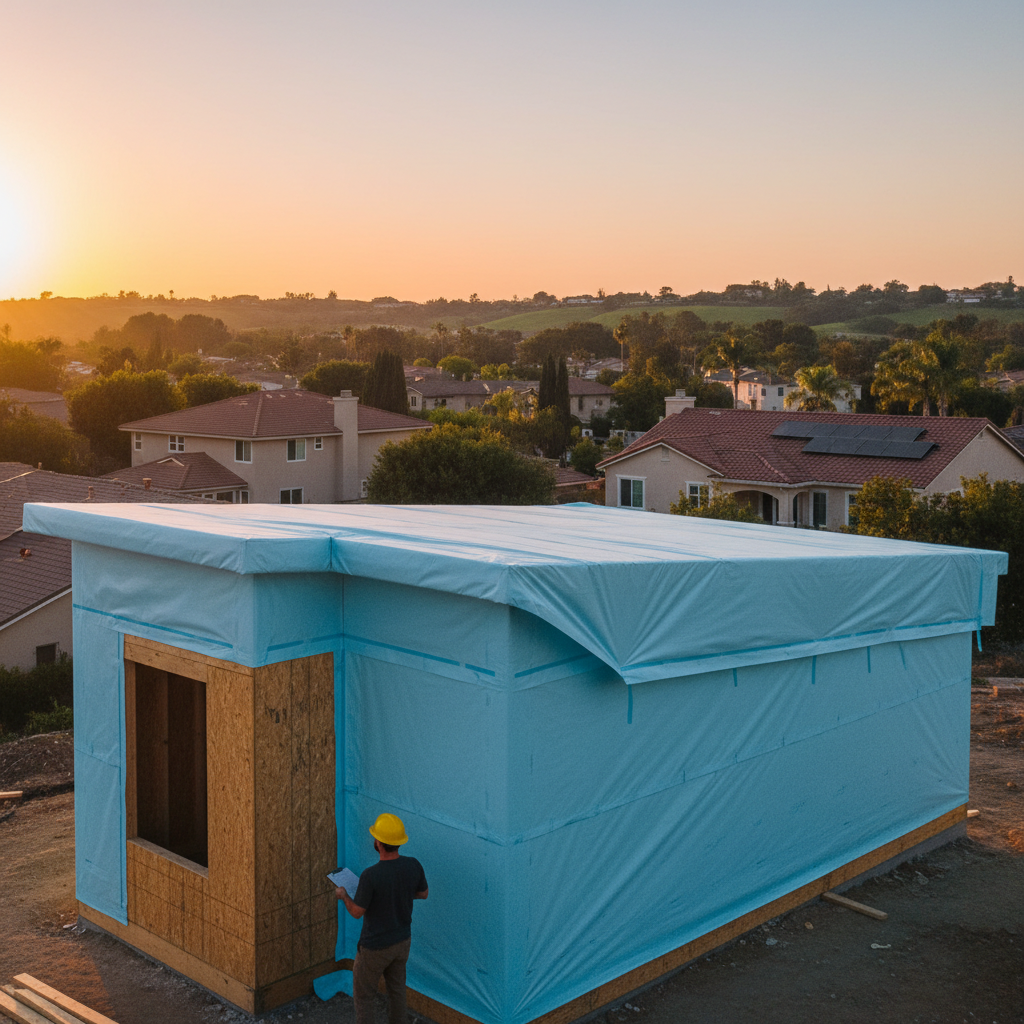
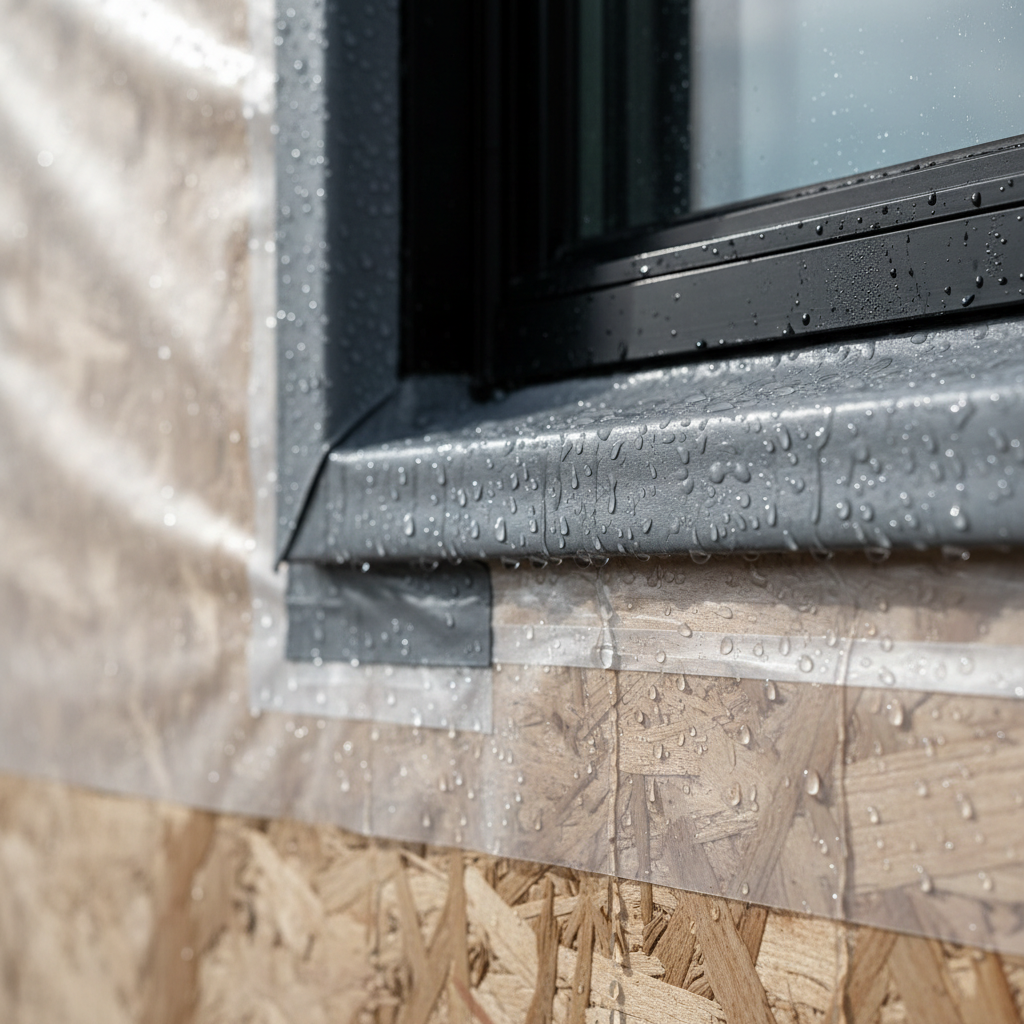
At its core, building wrap (also known as house wrap) is a synthetic, weather-resistant barrier material designed to be installed on the exterior walls of a structure, directly over the sheathing and behind the exterior siding. It's typically made from woven or non-woven polyolefin fibers, often spun into a matrix that creates a breathable yet water-resistant membrane.
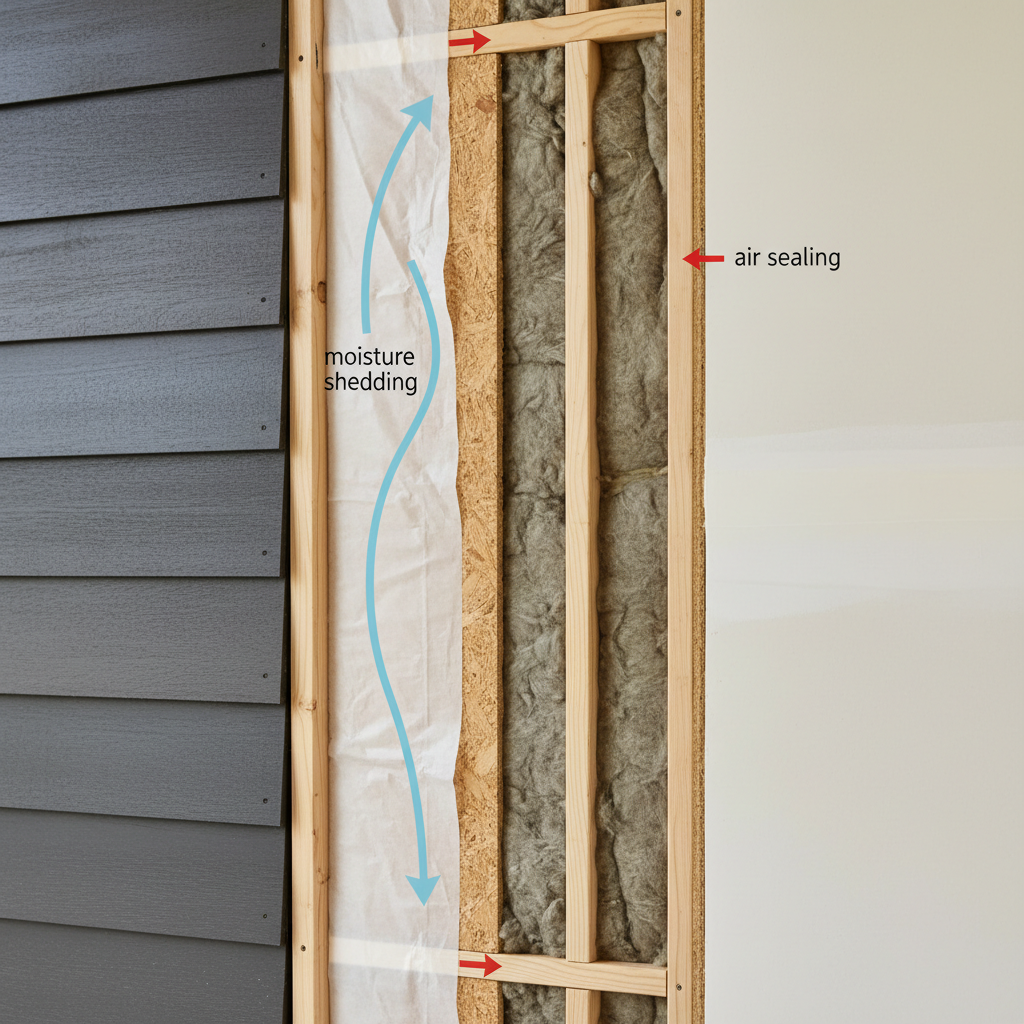
Think of it as a high-tech raincoat for your ADU. Its primary purpose is twofold: to prevent bulk water (rain, snow) from penetrating the wall assembly and reaching the structural components, and to act as an air barrier, reducing uncontrolled air leakage. Crucially, while it blocks water from the outside, it’s also designed to be vapor-permeable, meaning it allows water vapor from inside the wall cavity to escape. This 'breathability' is vital for preventing moisture accumulation, which can lead to mold, rot, and degradation of building materials.
Beyond the Basics: Why Building Wrap is Indispensable for Your California ADU
California's diverse climate, ranging from coastal fog to desert heat and mountain snow, presents unique challenges for any building. For ADUs, which are often smaller and more susceptible to temperature fluctuations, the protective qualities of building wrap are even more pronounced.
Moisture Management: Protecting Against California's Varied Climates
The most critical function of building wrap is its role as a weather-resistant barrier (WRB). Even the most perfectly installed siding can allow some water to penetrate. Without a robust WRB like building wrap, this incidental moisture would seep into the wall cavity, leading to:
- Wood Rot: Prolonged exposure to moisture can cause wood framing and sheathing to rot, compromising the structural integrity of your ADU.
- Mold and Mildew Growth: Damp, dark wall cavities are ideal breeding grounds for mold. This not only degrades building materials but also poses significant health risks to occupants.
- Damage to Insulation: Wet insulation loses its effectiveness, leading to higher energy bills and reduced comfort.
- Pest Infestation: Damp wood can attract termites and other pests, creating further damage.
Building wrap channels any water that gets past the siding downwards and out, away from the foundation, keeping the inner wall dry and healthy.
Air Sealing: Enhancing Energy Efficiency and Comfort
Uncontrolled air leakage (drafts) can account for a significant portion of a home's energy loss. Building wrap, when properly installed and sealed at seams and penetrations, forms a continuous air barrier around your ADU. This effectively reduces air infiltration and exfiltration, leading to several benefits:
- Lower Energy Bills: By preventing conditioned air from escaping and unconditioned air from entering, your HVAC system works less, saving you money on heating and cooling.
- Improved Indoor Air Quality: An effective air barrier helps prevent dust, allergens, and pollutants from entering the living space, contributing to a healthier indoor environment.
- Enhanced Comfort: Eliminating drafts creates a more consistent and comfortable indoor temperature, reducing hot and cold spots.
- Reduced Noise Transmission: While not its primary function, a well-sealed building envelope can also contribute to a quieter interior by reducing external noise penetration.
Vapor Permeability: Letting Your Walls Breathe
This is where building wrap distinguishes itself from older materials like asphalt-saturated felt or even simple plastic sheeting. While it blocks liquid water, its microporous structure allows water vapor to pass through. Why is this important?
- Preventing Interior Moisture Buildup: Activities like cooking, showering, and even breathing release moisture into the air. This moisture can migrate into wall cavities. A vapor-permeable wrap allows this vapor to escape to the outside, preventing condensation within the walls.
- Drying Potential: If moisture does get trapped in the wall cavity (e.g., from a plumbing leak), the vapor-permeable nature of the wrap allows the wall assembly to dry out, reducing the risk of long-term damage.
This balance of water resistance and vapor permeability is crucial for creating a healthy, durable, and energy-efficient ADU wall system.
Structural Integrity and Longevity: A Long-Term Investment
By protecting the underlying sheathing, framing, and insulation from moisture and air infiltration, building wrap significantly contributes to the overall structural integrity and lifespan of your ADU. It's a foundational element that ensures your backyard home remains sound, safe, and valuable for decades to come.
Meeting California's Stringent Building Codes
California has some of the most progressive and stringent building codes in the nation, particularly concerning energy efficiency and environmental performance. Proper installation of building wrap is often a requirement for meeting these codes, contributing to your ADU's Title 24 compliance and ensuring it passes necessary inspections. Utilizing high-quality materials and expert installation is not just good practice; it's often a legal necessity.
Considering all these critical benefits, it's clear that building wrap is not an optional extra but a fundamental requirement for a high-quality ADU. If you're exploring options for your own backyard home, understanding these details is invaluable. Schedule a free ADU consultation with GatherADU today to discuss how we integrate best practices into every build.
A Look at Different Types of Building Wrap
While the core function remains the same, building wraps come in various types, each with slightly different characteristics:
- Spun-bonded Polyolefin (Non-Woven): This is perhaps the most common type, recognized by brands like Tyvek. It's made from very fine, continuous fibers randomly oriented and bonded together. It offers excellent water resistance and vapor permeability.
- Woven Polyolefin Coated with Polyolefin: Often a more economical option, these wraps are made from woven plastic fibers with a coating. They can be very strong but sometimes have slightly lower vapor permeability than spun-bonded types.
- Asphalt-Saturated Felt: An older, traditional option (often called 'tar paper'), this is still used in some applications, particularly as a secondary weather barrier behind stucco or masonry. While it offers good water resistance, its vapor permeability can vary, and it's less effective as an air barrier.
- Liquid-Applied WRBs: These advanced membranes are sprayed or rolled onto the sheathing, creating a seamless, monolithic weather-resistant and air barrier. They offer superior performance in terms of air and water sealing but typically come at a higher cost.
- Drainage Wraps: Some building wraps are designed with a textured or wrinkled surface, creating a small air gap between the wrap and the siding. This air gap further enhances drainage and allows for faster drying of the wall assembly.
The choice of building wrap often depends on the climate, the type of siding, and specific building code requirements. At GatherADU, we carefully select the appropriate high-performance building wrap systems to match the design and location of your ADU, ensuring optimal protection.
The Art of Proper Installation: Where Expertise Truly Matters
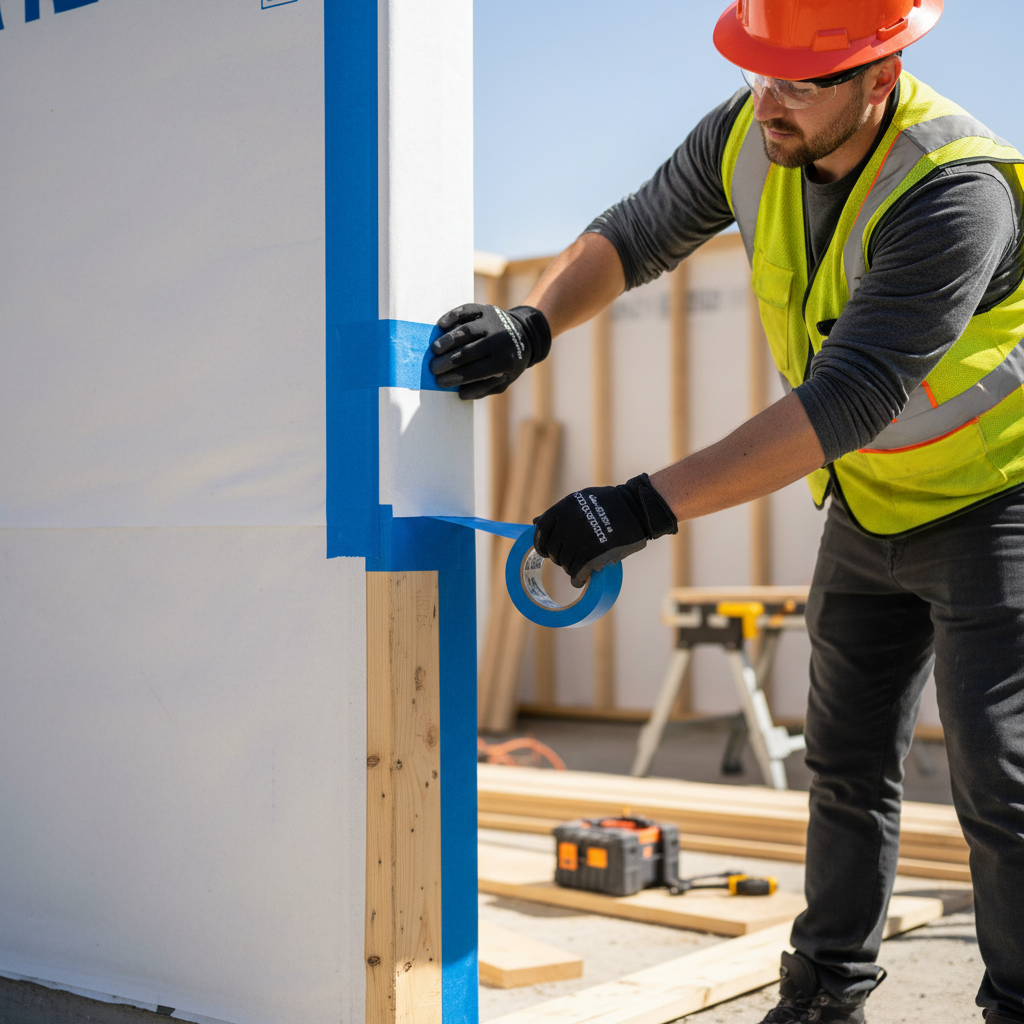
Even the highest quality building wrap is ineffective if not installed correctly. Proper installation is critical to achieving its intended performance as a continuous weather and air barrier. Key aspects of correct installation include:
- Overlap: Shingles-style overlapping, where upper layers overlap lower layers, ensures water is shed downwards.
- Sealing: All seams, penetrations (windows, doors, electrical boxes), and edges must be properly taped and sealed with compatible flashing tapes and sealants.
- Flashing: Integrating window and door flashing with the building wrap is crucial to prevent water intrusion around openings.
- Damage Prevention: Avoiding tears, punctures, or excessive exposure to UV light before siding installation is vital.
This attention to detail during the rough-in phase is a hallmark of quality construction and directly impacts your ADU's long-term performance. It's an area where cutting corners can lead to expensive problems down the line.
Common Misconceptions and What to Avoid
Despite its importance, there are still some misunderstandings about building wrap:
- "Siding is enough protection." No siding material is perfectly waterproof. Water will inevitably get behind it, which is why a secondary WRB is essential.
- "All building wraps are the same." While they share a common purpose, performance varies significantly between types and brands in terms of vapor permeability, tear resistance, and UV stability.
- "It's just plastic." Modern building wraps are engineered membranes with specific technical properties, far more advanced than simple plastic sheeting, which can trap moisture and cause problems.
- "Improper installation is okay if the siding looks good." The performance of the wall system is only as good as its weakest link. Gaps, tears, or unsealed seams in the building wrap will compromise its effectiveness, regardless of how beautiful the exterior finish is.
Partnering for Success: GatherADU's Commitment to Quality Construction
At GatherADU, we believe that a truly exceptional ADU is built from the inside out. This means paying meticulous attention to every layer of the construction, especially critical components like building wrap. Our design and build process integrates high-performance materials and expert installation practices to ensure your ADU is:
- Durable: Built to withstand California's diverse weather conditions for decades.
- Energy-Efficient: Designed to minimize utility costs and environmental impact.
- Comfortable: Providing a consistent, healthy, and quiet indoor environment.
- Code-Compliant: Meeting or exceeding all local and state building regulations.
We work with trusted suppliers and experienced builders who understand the nuances of weatherization and air sealing, ensuring that your ADU's building wrap is installed correctly and effectively, providing the protection your investment deserves.
Understanding the intricacies of ADU construction can be overwhelming, but it doesn't have to be. Connect with GatherADU's experts to get clear answers and personalized advice for your ADU project.
Conclusion: Building a Better, More Resilient ADU
Building wrap may be hidden behind your ADU's beautiful exterior, but its role in the long-term health, efficiency, and comfort of your backyard home is paramount. It’s a silent guardian, working tirelessly to protect your investment from moisture, air leaks, and the ravages of time. By understanding its importance and ensuring it's properly specified and installed, you're not just building a structure; you're creating a resilient, high-performing living space that will serve you and your family for years to come.
At GatherADU, we pride ourselves on building ADUs that stand the test of time, combining aesthetic appeal with robust, high-performance construction. If you're ready to explore the possibilities of adding a durable, energy-efficient ADU to your property, we invite you to take the next step.
Ready to start your ADU journey with confidence? Book your free ADU consultation with GatherADU today and let us help you build a backyard home that exceeds your expectations.