As California homeowners increasingly turn to Accessory Dwelling Units (ADUs) to expand their living space or generate rental income, the focus on creating healthy, comfortable, and energy-efficient environments within these smaller homes becomes paramount. One critical, yet often misunderstood, aspect of modern ADU construction is ventilation, specifically a technology known as Demand Controlled Ventilation (DCV). But what exactly is Demand Controlled Ventilation, and when does it apply to an ADU?
At GatherADU, we believe in building ADUs that are not just beautiful and functional, but also smart and sustainable. Understanding systems like DCV is key to achieving optimal indoor air quality and energy performance in your new backyard home.
What is Demand Controlled Ventilation (DCV)?
In simple terms, Demand Controlled Ventilation is a smart ventilation system that adjusts the rate of outdoor air delivery into a building based on real-time indoor air quality (IAQ) or occupancy levels. Unlike traditional, continuously running ventilation systems that operate at a fixed rate regardless of actual need, DCV is dynamic and responsive.
How DCV Differs from Traditional Ventilation
- Traditional Ventilation: Often involves fans running at a constant speed, exhausting stale air and bringing in fresh air at a predetermined rate. This can lead to over-ventilation (wasting energy when fresh air isn't needed) or under-ventilation (poor air quality when more ventilation is required).
- Demand Controlled Ventilation: Utilizes sensors to detect changes in indoor air pollutants (like carbon dioxide or volatile organic compounds – VOCs), humidity, or even occupancy. When sensor readings indicate a need for more fresh air, the system automatically increases ventilation rates. Conversely, when air quality is good and occupancy is low, it reduces airflow, saving energy.
Key Components of a DCV System
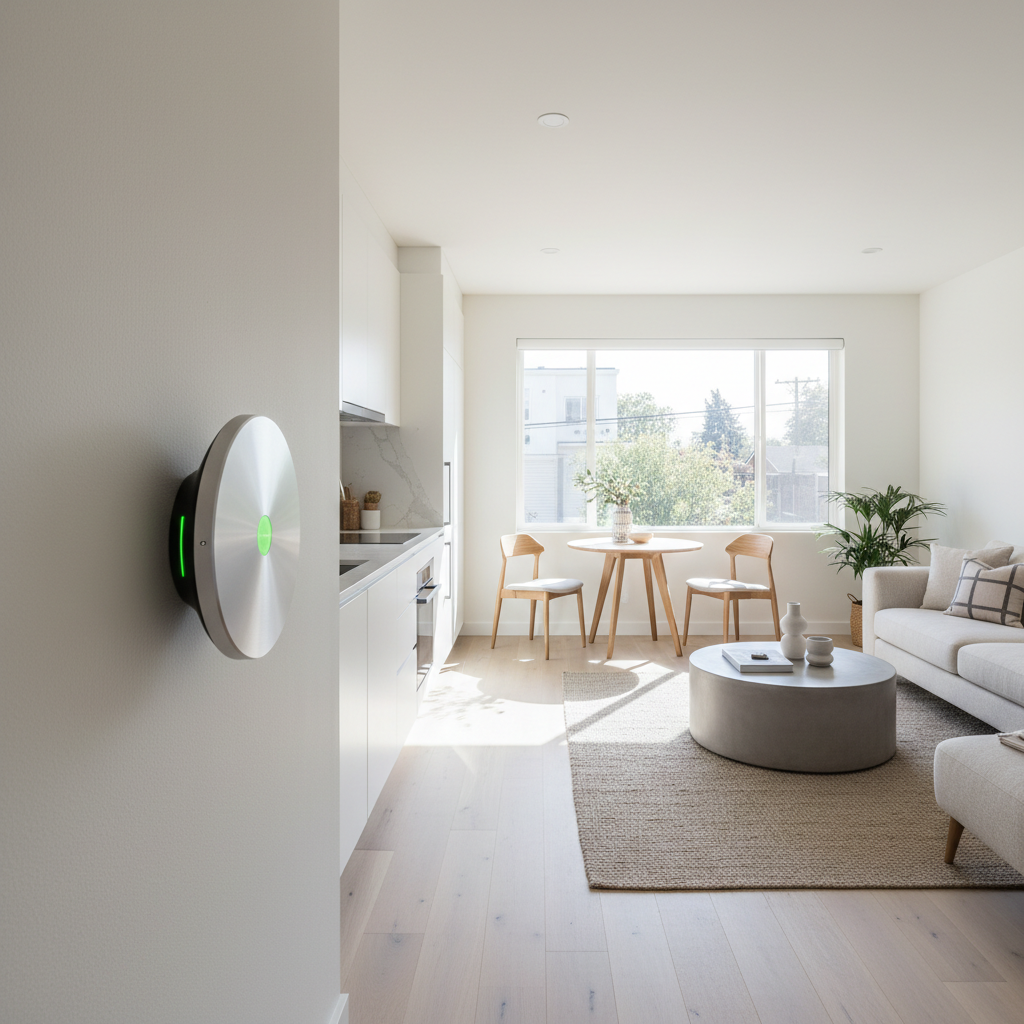
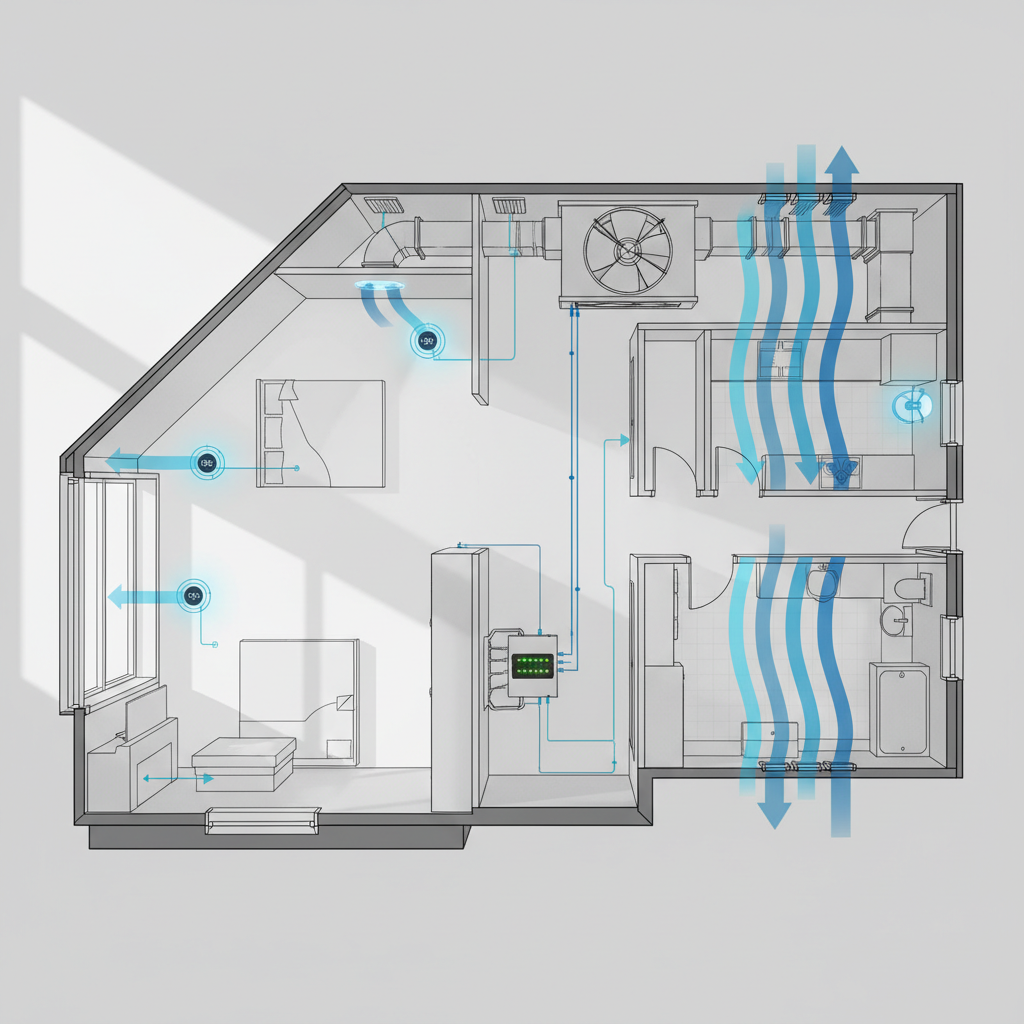
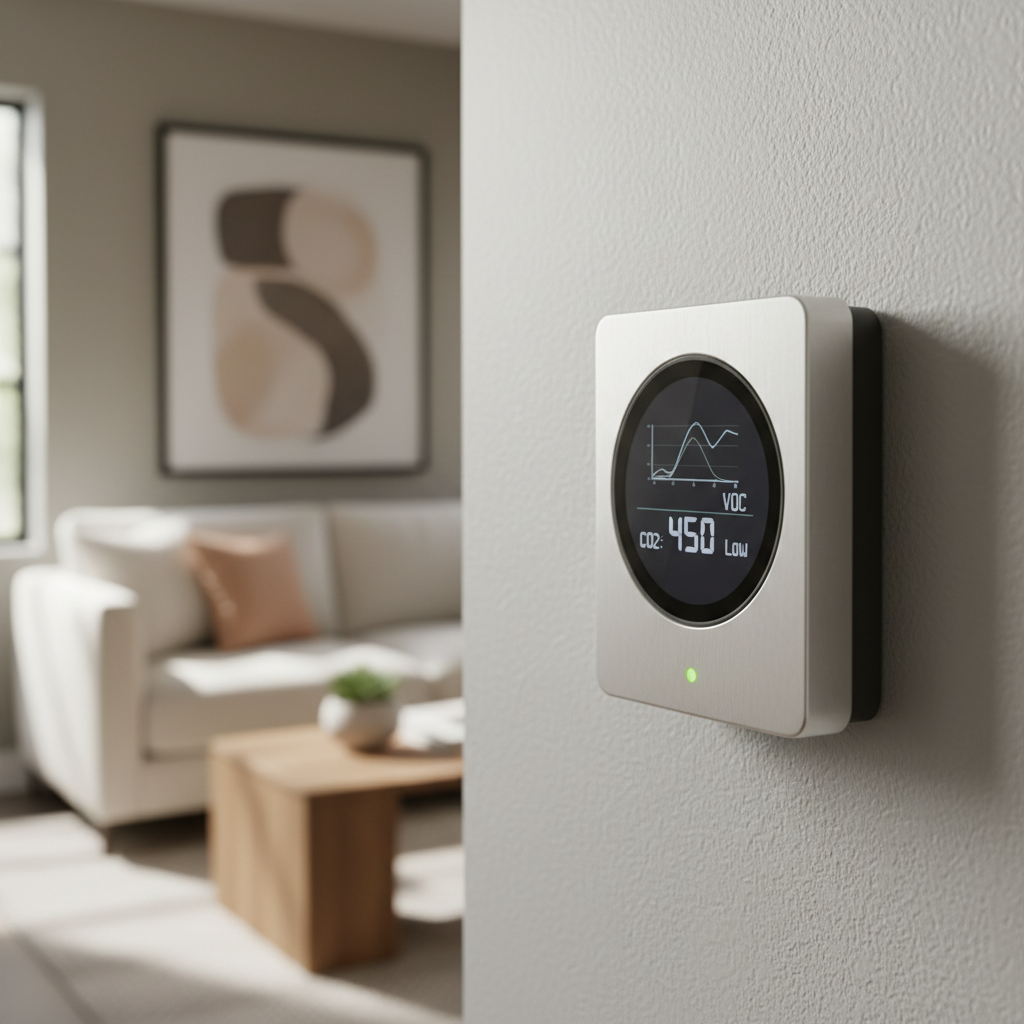
- Sensors: These are the 'eyes and ears' of the system. Common types include CO2 sensors (which correlate with human occupancy), VOC sensors (detecting odors, chemicals, and pollutants from building materials or activities), and humidity sensors.
- Controller: The 'brain' that interprets data from the sensors and sends commands to the ventilation equipment.
- Ventilation Fan/System: This could be an exhaust fan, a supply fan, or a balanced ventilation system (like an HRV or ERV) that has variable speed capabilities.
Why is Ventilation Crucial in ADUs?
ADUs, by nature, are often compact spaces, which makes effective ventilation even more critical than in larger homes. Here's why:
- Smaller Footprint, Higher Occupancy Density: A small space with even one or two occupants can quickly accumulate CO2 and other pollutants.
- Moisture Accumulation: Activities like cooking, showering, and even breathing release moisture. Without proper ventilation, this can lead to condensation, mold growth, and structural damage.
- Indoor Air Quality (IAQ) Concerns: Off-gassing from new materials, cooking fumes, cleaning products, pet dander, and allergens can significantly degrade IAQ if not properly diluted and exhausted.
- Energy Efficiency: While ventilation brings in fresh air, it also exchanges conditioned indoor air with unconditioned outdoor air. An inefficient ventilation system can be a major energy drain, increasing heating and cooling costs.
How Does DCV Work in an ADU?
Imagine a small ADU where occupants are cooking a meal. The VOC sensors detect increased cooking fumes, and the CO2 sensors register higher levels due to occupancy. The DCV system's controller receives this data and signals the ventilation fan to increase its speed, pulling out the stale, polluted air and bringing in more fresh air from outside. Once the cooking is done and occupants leave the space, the sensor readings drop, and the system automatically reduces the ventilation rate to a minimum, saving energy.
This intelligent operation ensures that your ADU always has the right amount of fresh air, precisely when it's needed, without over-ventilating and wasting energy.
When Does DCV Apply to an ADU? California Building Codes and Beyond
In California, building codes are at the forefront of energy efficiency and indoor air quality. For ADUs, two primary codes dictate ventilation requirements:
1. California Title 24, Part 6 (Energy Code)
This code mandates continuous mechanical ventilation for all new residential buildings, including ADUs. The aim is to ensure a baseline level of fresh air is always supplied. While not explicitly requiring DCV, Title 24 provides pathways where DCV can be used to meet or exceed energy efficiency standards. For instance, some compliance pathways allow for reduced fan energy consumption if the system can demonstrate demand-control capabilities, leading to energy credits.
2. California Green Building Standards Code (CALGreen - Title 24, Part 11)
CALGreen focuses on reducing environmental impact and improving occupant health. It often specifies requirements for indoor air quality, such as minimum ventilation rates and strategies to control pollutants. DCV aligns perfectly with CALGreen's goals by actively managing indoor air quality.
When DCV is Mandated or a Smart Upgrade
- Code Compliance (Indirectly): While a DCV system might not be explicitly mandated for every ADU, its ability to optimize energy use and air quality can help an ADU project comply with increasingly stringent energy performance targets. Using DCV can make it easier to pass energy modeling calculations.
- Enhanced Performance: For homeowners seeking the highest levels of comfort, indoor air quality, and energy efficiency, DCV is an excellent upgrade. It transforms basic code compliance into superior living conditions.
- Specific Occupancy Scenarios: If your ADU is designed for variable occupancy (e.g., a short-term rental or a home office that is only used part-time), DCV is particularly beneficial as it adapts to actual usage patterns.
- Smaller Spaces: In very compact ADUs, where air quality can degrade rapidly, DCV provides precise control that fixed-rate systems cannot match.
Understanding these codes and ventilation options is complex. If you're planning an ADU in California, our experts can guide you through the requirements and design the most efficient system for your needs. Get your free ADU project estimate to discuss ventilation and more.
Benefits of DCV for Your ADU
Implementing Demand Controlled Ventilation in your ADU offers a host of advantages:
-
Improved Indoor Air Quality (IAQ): This is the primary benefit. DCV ensures that your ADU always has adequate fresh air, reducing concentrations of CO2, VOCs, allergens, and other pollutants, leading to a healthier living environment.
-
Enhanced Energy Efficiency: By ventilating only when necessary and at the appropriate rate, DCV significantly reduces the energy consumed by ventilation fans and minimizes the loss of conditioned air, leading to lower utility bills.
-
Increased Comfort: Consistent fresh air without excessive drafts or temperature fluctuations contributes to a more comfortable indoor environment.
-
Code Compliance: DCV helps meet or exceed California's stringent energy and green building codes, often providing a more efficient pathway to compliance.
-
Reduced Moisture and Mold Risk: By effectively removing excess humidity when detected, DCV helps prevent condensation and the growth of mold and mildew, protecting both occupant health and the building's structure.
Considerations and Installation for DCV in ADUs
While the benefits are clear, proper planning and installation are key:
- Sensor Placement: Strategic placement of CO2, VOC, and humidity sensors is crucial for accurate readings and effective system response.
- System Integration: DCV systems can be integrated with your ADU's overall HVAC system for seamless operation.
- Professional Design and Installation: Due to the complexity of sensor types, calibration, and system integration, professional design and installation are highly recommended to ensure optimal performance and code compliance. An improperly designed system can lead to poor air quality or wasted energy.
- Cost vs. Savings: While the upfront cost of a DCV system might be higher than a basic continuous ventilation fan, the long-term energy savings and health benefits often provide a significant return on investment.
At GatherADU, we partner with experienced HVAC professionals to ensure your ADU's ventilation system is perfectly tailored to your needs and built to last. Learn more about our comprehensive design-build process by scheduling a free consultation.
Conclusion
Demand Controlled Ventilation represents a significant leap forward in creating truly healthy, comfortable, and energy-efficient living spaces. For your Accessory Dwelling Unit, DCV isn't just an advanced feature; it's a smart investment in indoor air quality, lower energy bills, and peace of mind. By intelligently responding to the real-time needs of your ADU, DCV ensures optimal ventilation without waste, helping your backyard home meet modern building standards and provide a superior environment for its occupants.
Ready to build an ADU that prioritizes health, efficiency, and comfort? Our team at GatherADU specializes in designing and building custom ADUs across California, incorporating the latest in sustainable and smart home technologies. Book a free ADU consultation with us today to explore how Demand Controlled Ventilation and other cutting-edge solutions can enhance your backyard home project.