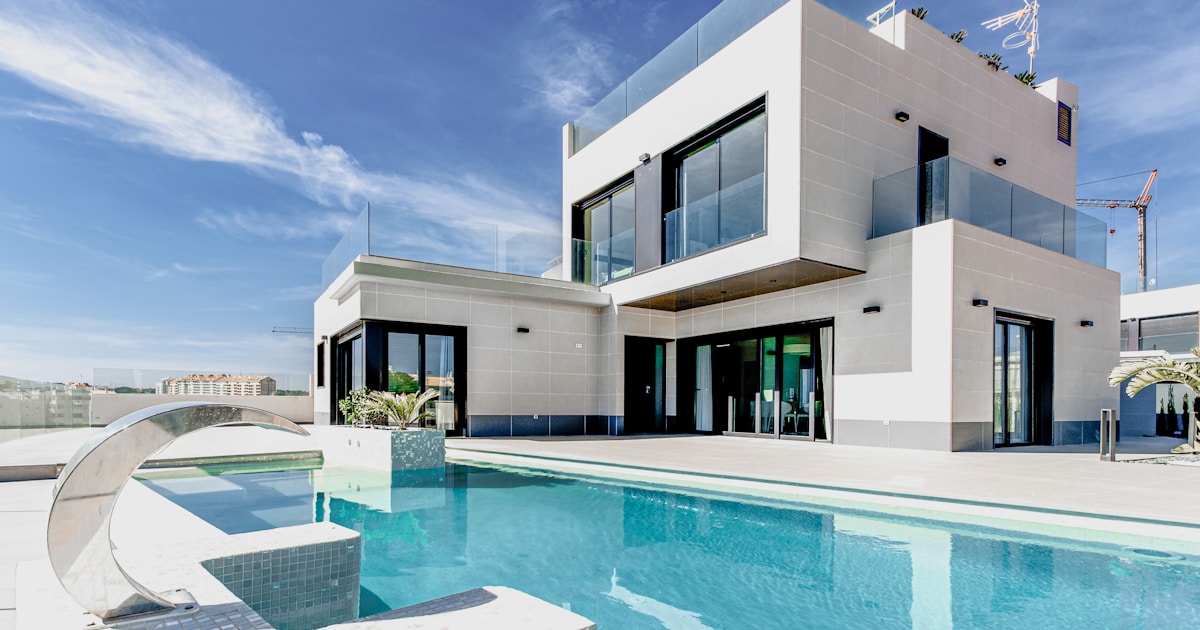

As the demand for affordable housing increases across the United States, many homeowners are seeking innovative ways to expand their living spaces. One solution gaining traction is the construction of Accessory Dwelling Units (ADUs). These compact living spaces, also known as granny flats, guest houses, or in-law suites, are typically built on the same property as a primary residence. In Commerce, California, where land space can be limited and housing costs continue to rise, an ADU can provide a valuable opportunity for homeowners to create additional living space for family members, generate rental income, or even enhance their property’s overall value.
However, building an ADU is a significant investment that requires careful consideration, particularly when it comes to choosing the right ADU company. With many companies offering services in this niche market, it’s essential to make an informed decision to ensure the project is completed on time, within budget, and up to code. Below is a comprehensive guide on what to look for in an ADU company in Commerce, focusing on key factors such as experience, services offered, reputation, and legal compliance.
1. Experience and Specialization
When it comes to choosing an ADU company in Commerce, experience should be one of the first factors you consider. Building an ADU involves a complex process that includes design, permits, construction, and possibly even site preparation. Choosing a company that specializes in ADU construction, rather than a general contractor, can make a big difference in the success of your project.
An experienced ADU company will have a thorough understanding of local building codes, zoning regulations, and the permitting process. In Commerce, where space and regulations can be particularly challenging, it is crucial to work with a company that is familiar with the specific requirements for ADU construction in the area. This knowledge can help avoid delays and ensure that the project is built to code.
In addition to experience, look for a company that has a strong portfolio of completed ADU projects. Request to see examples of previous work to assess the company’s craftsmanship and ability to handle projects similar to yours. A company with a proven track record of successful ADU builds will be more likely to deliver a high-quality finished product.
2. Comprehensive Services

Another important factor to consider when selecting an ADU company is the range of services they offer. Building an ADU is not a one-size-fits-all project, and you’ll need a company that can handle every aspect of the build, from concept to completion.
Some of the key services to look for include:
- Design and Planning: A reputable ADU company should offer design services that align with your vision and needs. They should be able to help you create a layout that maximizes space and functionality while staying within your budget. A good company will also be able to offer design suggestions based on their experience with other ADU builds.
- Permitting and Zoning: Navigating the permitting process can be one of the most complicated aspects of building an ADU. Your chosen company should be well-versed in local zoning laws and building codes in Commerce. They should be able to assist with obtaining necessary permits and ensuring that your ADU complies with all regulations.
- Construction: While many ADU companies offer design and planning services, not all of them handle the actual construction. Make sure the company you choose has a skilled construction team that can execute the project professionally and efficiently. The quality of the build is paramount, as poor construction can lead to costly repairs down the line.
- Project Management: ADU construction involves multiple steps, including site preparation, foundation work, framing, electrical and plumbing installations, and interior finishing. A good company will offer project management services to ensure everything runs smoothly, deadlines are met, and any issues that arise during construction are handled promptly.
- Post-Construction Services: After the ADU is built, there may still be maintenance or finishing touches to address. Look for an ADU company that offers ongoing support after the construction is completed. This could include warranty services, troubleshooting, and assistance with any post-construction adjustments.
Schedule a free appointment with our ADU experts
3. Licensing and Insurance
Any reputable ADU company should be properly licensed and insured. This is particularly important for protecting both the homeowner and the construction team during the project.
In California, general contractors are required to hold a valid license issued by the Contractors State License Board (CSLB). Before hiring a company, ask to see proof of their license and verify it with the CSLB to ensure it is current. Additionally, make sure the company carries liability insurance and workers' compensation coverage. This ensures that you are protected in the event of accidents or damages during the construction process.
Failure to hire a licensed and insured company can lead to serious financial and legal consequences, so don’t overlook this step when choosing an ADU company.
4. Reputation and Reviews
A company’s reputation can speak volumes about the quality of its work and customer service. One of the best ways to gauge a company’s reliability is by reading reviews and testimonials from past clients. Look for reviews on platforms like Google, Yelp, and the Better Business Bureau (BBB), as these sources tend to offer honest, unbiased feedback.
Pay attention to reviews that mention the company’s communication, reliability, and quality of work. A company that consistently receives positive feedback is more likely to deliver a high-quality ADU that meets your expectations.
You can also ask the company for references from previous clients. Speaking directly with past customers can provide valuable insight into their experience working with the company. Ask about the project’s timeline, budget management, and any challenges the client faced during construction.
5. Budget and Transparency
Building an ADU can be a significant financial investment, so it’s important to choose a company that is transparent about pricing and willing to work within your budget. Avoid companies that offer vague estimates or are unwilling to provide a detailed breakdown of costs. A reliable ADU company should provide a clear, written estimate that outlines the costs for design, permits, materials, labor, and other expenses.
Additionally, look for a company that is upfront about any potential additional costs or unforeseen circumstances that might affect the project’s final price. Unexpected issues, such as site preparation or permit complications, can add to the overall cost of the project. Choose a company that is transparent about these possibilities and offers solutions to address them.
A reputable company should also be willing to work with you to find ways to keep costs within your budget without compromising on quality. They should provide recommendations for cost-saving alternatives or adjustments to the design that could reduce expenses without sacrificing functionality.
6. Communication and Customer Service
Effective communication is essential for the success of any construction project, including ADUs. A good ADU company should prioritize clear, consistent communication throughout the entire process, from the initial consultation to the final walkthrough.
During your initial meetings with potential companies, pay attention to how they communicate. Are they responsive to your questions and concerns? Do they take the time to explain the details of the project in a way that you can understand? A company that values communication will make the entire process smoother and less stressful.
In addition to communication, look for a company that provides excellent customer service. Building an ADU can be an exciting but sometimes stressful experience, so working with a company that is respectful, professional, and easy to collaborate with can make a big difference.
7. Knowledge of Local Regulations and Challenges

Every city and county in California has its own set of regulations regarding ADU construction. In Commerce, for example, there are specific zoning laws, parking requirements, and building codes that must be followed. A good ADU company will be familiar with the local regulations and be able to guide you through the process of obtaining the necessary permits.
Additionally, Commerce’s proximity to major urban areas means that space can be limited, and some homes may have unique challenges when it comes to site preparation and construction. A knowledgeable ADU company should be able to handle these challenges effectively, whether it’s dealing with uneven terrain, working within limited space, or navigating complicated utility connections.
8. Sustainability and Energy Efficiency
As the world becomes increasingly conscious of environmental concerns, many homeowners are looking for ways to make their ADUs more sustainable and energy-efficient. If sustainability is a priority for you, look for an ADU company that incorporates eco-friendly practices into their designs and construction methods.
An ADU company that prioritizes energy efficiency can help you reduce your carbon footprint and lower your utility bills. Look for companies that use energy-efficient materials, implement smart home technology, and offer options for solar power or green building certifications like LEED (Leadership in Energy and Environmental Design).
Commerce's ADU rules in 2026: the City now follows state law directly
A good ADU company should know which rules your plans will be checked against, and in Commerce that changed recently. On November 25, 2025, the City Council adopted Ordinance No. 829, which repealed Commerce's own ADU and junior ADU (JADU) section and replaced it with a one-sentence rule: Commerce Municipal Code Section 19.07.090 adopts California Government Code Sections 66310 to 66342 (state ADU law) "as though fully set forth herein." Older guides that describe Commerce's 2020 ADU ordinance (Ordinance No. 761) are out of date.
In practice, that means the state standards below are the rules for a Commerce ADU. ADUs are a permitted use in the R-1, R-2, and R-3 zones, and JADUs are permitted in R-1.
How approval works
- Ministerial review: under Gov. Code 66320, a city that hasn't adopted its own ADU ordinance must approve or deny an ADU application ministerially, without discretionary review or a hearing, under the 60-day review process in Gov. Code 66317.
- Completeness check: the City must tell you in writing within 15 business days whether your application is complete, with a list of anything missing; if it doesn't, the application is deemed complete. On a lot with an existing home, it then has 60 days to approve or deny, or the application is deemed approved (Gov. Code 66317).
- Denials and appeals: a denial must come with written comments on what's deficient and how to fix it, and you can appeal an incompleteness finding or a denial in writing.
- Existing problems: under Gov. Code 66322(b), the City can't deny an ADU over nonconforming zoning conditions, building code violations, or unpermitted structures that don't threaten health and safety and aren't affected by the ADU.
How many units on a lot
Under Gov. Code 66323, the City must approve any combination of these by right:
- Single-family lot: one ADU and one JADU inside the existing or proposed home or an existing accessory structure (a conversion can add up to 150 square feet only for getting in and out), if each has exterior access and side and rear setbacks sufficient for fire and safety; plus one new detached ADU with 4-foot side and rear setbacks. The City may cap that detached unit at 800 square feet of livable space.
- Multifamily lot, conversions: at least one ADU and up to 25% of the existing units in non-livable space such as storage rooms, attics, basements, or garages.
- Multifamily lot, detached: up to eight detached ADUs on a lot with an existing multifamily building (never more than the number of existing units), or up to two with a proposed multifamily building.
Size, height, and setbacks
- Detached ADU: state law's baseline standards in Gov. Code 66314(d) cap a detached ADU at 1,200 square feet.
- Attached ADU: up to 50% of the existing main home's floor area.
- The 800-square-foot guarantee: under Gov. Code 66321(b)(3), lot coverage, floor area ratio, open space, front setback, and minimum lot size rules can't be used to block an ADU of at least 800 square feet with 4-foot side and rear setbacks. This matters in Commerce because the R-1 zone's general standards cap total floor area at 40% of the lot.
- Height: state law protects at least 16 feet for a detached ADU; 18 feet within one-half mile walking distance of a major transit stop or high-quality transit corridor (plus 2 more feet to match the main home's roof pitch) or on a lot with a multifamily, multistory building; and 25 feet or the zone's height limit, whichever is lower, for an attached ADU, up to two stories.
- Setbacks: no setback for converting existing living space or an existing accessory structure, or for rebuilding a structure in the same place and to the same size; no more than 4 feet from side and rear lot lines for a new ADU.
Parking
State law allows at most one space per ADU or per bedroom, whichever is less, and it can be tandem on a driveway (Gov. Code 66314(d)(10)). No replacement parking is required when a garage, carport, or parking space is demolished or converted for the ADU. Under Gov. Code 66322(a), no parking at all can be required if the ADU:
- is within one-half mile walking distance of public transit;
- is in an architecturally and historically significant historic district;
- is part of the existing or proposed main home or an accessory structure;
- is in an area where on-street parking permits are required but not offered to the ADU's occupant;
- has a car share vehicle within one block; or
- is applied for together with a new single-family or multifamily home on the same lot and meets one of the conditions above.
Fees, sprinklers, and building code
- Impact fees: none on an ADU with 750 square feet of interior livable space or less (Gov. Code 66311.5, renumbered from 66324 by SB 543).
- Fire sprinklers: not required in the ADU if they aren't required in the main home, and building the ADU can't trigger sprinklers in the existing house (Gov. Code 66314(d)(12)).
- Occupancy: the ADU meets the building code for detached homes, but it isn't treated as a Group R occupancy change unless the building official makes a written finding of a specific health and safety impact.
- Garage demolition: a demolition permit for a detached garage being replaced by an ADU is reviewed and issued with the ADU application, with no notice or placard required outside a historic district.
Rentals, sale, and JADUs
- Rentals: an ADU can be rented but can't be sold separately from the main home except as Gov. Code 66341 allows. A unit approved under Gov. Code 66323 must be rented for terms longer than 30 days.
- No owner occupancy for ADUs: Gov. Code 66315 bars owner-occupancy requirements on ADUs on single-family lots.
- JADUs: up to 500 square feet, built within the walls of a single-family home (an attached garage counts), with an efficiency kitchen, its own exterior entrance, and a recorded deed restriction against separate sale (Gov. Code 66313 and 66333). Rentals must be longer than 30 days. Since January 1, 2026 (AB 1154), owner occupancy can be required only for a JADU that shares a bathroom with the main home.
Because Commerce now relies on the state statute rather than its own detailed standards, ask the Planning Division how it applies any remaining general zoning rules to your lot before you finalize a design. If you'd like help working out what your lot allows, book a free consultation.
Conclusion
Choosing the right ADU company in Commerce is a crucial step in ensuring that your ADU project is a success. By focusing on experience, services offered, reputation, transparency, communication, and compliance with local regulations, you can make an informed decision and select a company that will deliver a high-quality, cost-effective ADU. Whether you’re building a guest house for visiting family, renting out the unit for extra income, or simply expanding your living space, finding the right partner for the job will help you achieve your goals and create a functional, attractive ADU that enhances your property.
Schedule a free appointment with our ADU experts