
Making 500 Square Feet Feel Like 800
A 500-square-foot ADU is one of the most popular sizes in California, and for good reason. It is large enough to include a full kitchen, a proper bathroom, a comfortable living area, and a separate or semi-separated sleeping space. Yet at 500 square feet, every design decision matters. The difference between a 500-square-foot ADU that feels cramped and one that feels surprisingly spacious comes down to smart layout planning, intentional furniture choices, and design techniques that maximize both actual and perceived space.
Whether you are designing a new ADU or optimizing the layout of an existing one, this guide covers the proven strategies that experienced designers and ADU builders use to make compact spaces work beautifully. These are not theoretical concepts; they are practical solutions used in hundreds of successful California ADU projects.

Layout Strategies That Maximize Usable Space
Open Floor Plan: The Foundation of Compact Living
An open floor plan is nearly mandatory in a 500-square-foot ADU. By combining the kitchen, dining, and living areas into one continuous space, you eliminate the walls and hallways that consume precious square footage. A well-designed open plan can make a 500-square-foot ADU feel as spacious as a 700-square-foot conventionally divided apartment.
The key to a successful open floor plan is defining distinct zones within the open space without using walls. You can create zones through:
- Flooring transitions: Using tile in the kitchen area and LVP or hardwood in the living area creates a visual boundary without a physical wall.
- Ceiling height variation: A slight drop in ceiling height (or a different ceiling treatment) over the kitchen area distinguishes it from the living space.
- Furniture placement: A sofa positioned perpendicular to the wall creates a natural division between living and dining areas.
- Lighting zones: Pendant lights over the kitchen island and different lighting in the living area define each zone.
- Area rugs: A rug under the living room seating group anchors the space and creates a visual boundary.
Kitchen Placement: The Galley and L-Shape Advantage
In a 500-square-foot ADU, the kitchen layout has an outsized impact on the overall space efficiency. Two layouts work best:
Galley Kitchen: A galley layout places all cabinets and appliances along one wall or two parallel walls. This is the most space-efficient kitchen layout, requiring only 4 to 6 feet of depth while providing full functionality. A galley kitchen along one wall of the ADU leaves the rest of the floor plan open for living and sleeping areas.
L-Shape Kitchen: An L-shaped layout wraps cabinets and countertops around two adjacent walls. This provides more counter space than a galley while still being compact. The corner of the L can accommodate a small peninsula or breakfast bar that doubles as a dining surface and a room divider.
| Kitchen Layout | Space Required | Counter Space | Best For |
|---|---|---|---|
| Single-Wall Galley | 8 to 12 linear feet | Moderate | Studios, open plans |
| Double-Wall Galley | 4 to 6 ft width, 8+ ft length | Good | Enclosed or semi-enclosed kitchens |
| L-Shape | 8 to 10 ft per side | Very Good | Open plans with island/peninsula |
| U-Shape | 8+ ft wide, 10+ ft deep | Excellent | Rarely works in 500 sq ft ADUs |
Browse Our ADU Floor Plans
Explore our collection of pre-designed floor plans from 400 to 1,200 sq ft.
View Floor PlansBathroom Placement and Efficiency
The bathroom is the one room in an ADU that must have walls and a door. Because of this, its placement has a major impact on the overall floor plan. The ideal bathroom location in a 500-square-foot ADU is:
- Adjacent to an exterior wall (for plumbing vent access).
- Between the sleeping area and the living area (to provide a sound buffer and convenient access from both zones).
- Compact but not cramped: A minimum of 35 to 40 square feet for a three-quarter bath (shower, toilet, vanity) or 50 to 60 square feet for a full bath with tub/shower combo.
Consider a pocket door or barn door for the bathroom entry. A standard 2'8" or 3'0" swing door requires approximately 7 to 9 square feet of clear space for the door swing. A pocket door reclaims all of that space, which matters significantly in a 500-square-foot layout.
Sleeping Area Solutions
How you handle the sleeping area is one of the most important decisions in a 500-square-foot ADU. There are three main approaches, each with distinct advantages:
1. Separate Bedroom
A true separate bedroom (minimum 70 square feet per California code, with a closet and operable window) provides the most privacy and marketability. A bedroom with a closing door allows the ADU to be listed as a "one-bedroom" rather than a "studio," which typically commands $200 to $400 more per month in rent.
In a 500-square-foot ADU, a separate bedroom will typically be 100 to 120 square feet, which is comfortable for a queen bed and a small nightstand or dresser. The trade-off is a smaller living area.
2. Alcove or Partial-Wall Bedroom
An alcove bedroom uses a partial wall, built-in bookshelf, or architectural feature to create a semi-private sleeping nook without fully enclosing it. This preserves the open feel of the floor plan while providing some separation between sleeping and living areas.
From a code perspective, an alcove that does not have a full-height wall and closing door is not a "bedroom" and the ADU would be classified as a studio. However, many tenants appreciate the visual separation and the open feel.
3. Studio Layout with Murphy Bed
A Murphy bed (wall bed) that folds up into the wall when not in use is the ultimate space maximizer. During the day, the sleeping area becomes a full living space. Modern Murphy beds include integrated shelving, desks, or sofa units that transform the wall into a functional daytime feature.
Quality Murphy bed systems cost $1,500 to $4,000 for the hardware and cabinetry. They are an excellent investment in studio ADUs where every square foot needs to pull double duty.
Storage Solutions for Compact ADUs
Inadequate storage is the number one complaint from occupants of small ADUs. Planning storage into every available space is essential:
Built-In Storage Strategies
- Floor-to-ceiling cabinets: Instead of standard 30-inch upper cabinets, extend cabinets to the ceiling. The top sections store seasonal items and infrequently used equipment.
- Under-stair storage: If your ADU has a loft or second-story access, the space under the stairs can be converted to pull-out drawers, a small closet, or open shelving.
- Built-in window seats with storage: A window seat with a hinged lid provides seating, display space, and hidden storage in one efficient package.
- Recessed wall niches: Between studs, small recessed shelves (3.5 inches deep) can hold books, spices, toiletries, or decorative items without using any floor space.
- Toe-kick drawers: The typically wasted space beneath kitchen and bathroom cabinets (the toe-kick area) can be fitted with slim pull-out drawers for flat items like baking sheets, placemats, or cleaning supplies.
Closet Optimization
A single well-organized closet in a 500-square-foot ADU can provide as much functional storage as two poorly organized closets. Key strategies include:
- Double hanging rods (one at 84 inches, one at 42 inches) to double hanging capacity.
- Shelf dividers and bins for folded items.
- Over-door organizers for shoes, accessories, or cleaning supplies.
- A closet system with adjustable shelves and drawers (IKEA PAX or similar) rather than a single rod and shelf.

Wondering What Your ADU Will Cost?
Use our free cost calculator to get an instant estimate for your project.
Try the Cost CalculatorMultifunctional Furniture That Earns Its Square Footage
In a 500-square-foot ADU, every piece of furniture should serve at least two purposes. Here are the most effective multifunctional pieces:
- Dining table that doubles as desk: A 36 to 42 inch round table works for both dining and remote work. Consider a drop-leaf table that expands for dining and folds down for everyday use.
- Sofa bed or sleeper sofa: For studio layouts, a quality sleeper sofa provides seating and an extra sleeping surface for guests.
- Ottoman with internal storage: A storage ottoman serves as seating, a coffee table (with a tray on top), and hidden storage for blankets, pillows, or books.
- Stackable or nesting tables: Two or three nesting side tables take up the space of one when stacked but can be separated when you need additional surfaces for entertaining.
- Wall-mounted fold-down desk: A desk that folds flat against the wall when not in use saves 6 to 8 square feet of floor space. This is ideal for a home office nook in a studio ADU.
Visual Design Tricks to Make 500 Square Feet Feel Larger
Beyond physical layout and furniture, visual design techniques can significantly affect the perceived size of a compact ADU:
Light and Color
- Light wall colors: White, light gray, soft beige, or pale blue walls reflect more light and make rooms feel larger. Avoid dark accent walls in small ADUs; they visually shrink the space.
- Consistent color palette: Using the same wall color throughout the ADU (or closely related tones) creates visual continuity that makes the space feel unified and larger. Changing colors from room to room fragments the visual experience.
- Large windows and natural light: Maximize window size and placement to bring in natural light, which is the single most effective way to make any space feel larger.
- Mirrors: A large mirror on a wall opposite a window effectively doubles the perceived depth of the room and reflects natural light deeper into the space.
Flooring and Sightlines
- Continuous flooring: Use the same flooring material throughout the ADU (except bathrooms). This creates uninterrupted sightlines that make the space feel larger. Every flooring transition creates a visual "stop" that makes the space feel more divided.
- Diagonal or lengthwise plank direction: Installing flooring planks diagonally or along the longest dimension of the ADU draws the eye along the full length of the space, emphasizing its size.
- Clear sightlines to windows: Arrange furniture so that you can see windows from most vantage points. Blocking windows with tall furniture makes the space feel enclosed.
Furniture Scale
- Legs, not skirts: Furniture with visible legs (sofas, chairs, beds) allows you to see the floor beneath, which makes the room feel more spacious than furniture that sits directly on the floor.
- Proportional scale: Oversized furniture overwhelms a 500-square-foot space. Choose apartment-scale or compact furniture designed for small spaces. A 72-inch sofa instead of a 96-inch sofa makes a meaningful difference in a compact living area.
- Vertical emphasis: Tall, narrow bookshelves and floor-to-ceiling curtains draw the eye upward and emphasize ceiling height, creating a sense of volume.

Extending Living Space with Indoor-Outdoor Connection
One of the most effective strategies for making a 500-square-foot ADU feel larger is creating a strong connection to outdoor space. In California's mild climate, an outdoor living area effectively extends the usable space of the ADU by 100 to 200 square feet without adding any building cost beyond the initial construction.
Design Strategies for Indoor-Outdoor Connection
- Sliding glass doors: A large sliding glass door (8 to 12 feet wide) that opens to a patio or deck creates a seamless transition between interior and exterior space. When open, the patio becomes an extension of the living room.
- Level threshold: Designing the indoor floor level to match the outdoor patio level eliminates the step that visually separates inside from outside.
- Covered patio: A covered or partially covered patio extends the usable outdoor season and provides shade during California's hot months.
- Outdoor dining area: If the ADU's indoor dining space is limited, an outdoor dining table provides a functional dining option and frees interior space for other uses.
Sample Floor Plan Configurations for 500 Sq Ft
Here are three proven floor plan configurations for a 500-square-foot ADU, each optimized for different priorities:
Configuration A: One-Bedroom (Privacy Priority)
- Bedroom: 110 sq ft (queen bed, closet)
- Bathroom: 45 sq ft
- Kitchen: 60 sq ft (galley)
- Living/Dining: 200 sq ft
- Entry/Circulation: 85 sq ft
Configuration B: Studio with Alcove (Open Feel Priority)
- Sleeping Alcove: 90 sq ft
- Bathroom: 50 sq ft
- Kitchen: 70 sq ft (L-shape)
- Living/Dining: 230 sq ft
- Entry/Circulation: 60 sq ft
Configuration C: Flex Studio (Versatility Priority)
- Murphy Bed Zone: 80 sq ft
- Bathroom: 45 sq ft
- Kitchen with Peninsula: 80 sq ft
- Main Living Space: 245 sq ft
- Entry/Storage: 50 sq ft
Each configuration has trade-offs, and the best choice depends on whether the ADU is for rental income (one-bedroom typically commands higher rent), personal use (open feel may be preferred), or flexible use (studio with Murphy bed is most versatile).
Every Square Foot Counts
Maximizing space in a 500-square-foot ADU is a design challenge that rewards thoughtful planning and intentional choices. The most successful compact ADUs are those where every element, from the floor plan to the furniture to the paint color, was chosen with space efficiency in mind.
Work with an experienced ADU designer who understands how to optimize compact spaces. Request floor plan options that have been proven in similar-sized units. And remember that a well-designed 500-square-foot ADU can be more comfortable and functional than a poorly designed 800-square-foot apartment.
Ready to Start Your ADU Project?
Get a free consultation with our ADU experts and discover your property's potential.
Schedule Free ConsultationRoom-by-Room Space Optimization Tips for a 500 Square Foot ADU
Kitchen Optimization
In a 500 square foot ADU, the kitchen is where smart design has the biggest impact. Choose a galley or L-shaped layout to maximize counter space without wasting square footage on unnecessary circulation paths. Install upper cabinets that extend to the ceiling to capture every inch of vertical storage. Use 24-inch deep countertops instead of the standard 25 inches to gain floor space, and consider a single-bowl undermount sink to free up counter area. Compact appliances designed for small spaces, such as a 24-inch refrigerator and a two-burner cooktop, deliver full functionality in a fraction of the footprint.
Bathroom Optimization
A well-designed bathroom in a compact ADU should feel functional without being cramped. Use a curbless shower with a linear drain to create an open feel and improve accessibility. Wall-mounted vanities free up visual and physical floor space. Recessed medicine cabinets and built-in shower niches provide storage without protruding into the room. If ceiling height allows, consider a raised storage shelf above the door for towels and linens.
Living Area Optimization
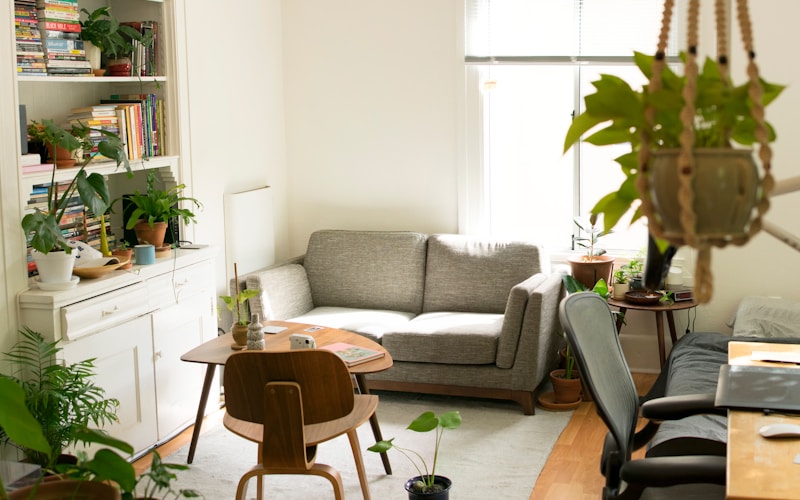
The living area in a 500 square foot ADU often serves multiple purposes. Use furniture that does double duty: a sofa with built-in storage, a coffee table that converts to a dining table, or a wall-mounted desk that folds flat when not in use. Position the seating area near the largest window to take advantage of natural light, which makes the space feel larger. Avoid placing large furniture against walls in a way that creates dead corners. Instead, float furniture slightly away from walls to create a sense of flow.
Bedroom Optimization
Even in a studio or one-bedroom ADU, the sleeping area deserves careful planning. A Murphy bed or wall bed system can transform a bedroom into a home office or exercise space during the day. If using a traditional bed, choose a platform frame with built-in drawers to eliminate the need for a separate dresser. Install a closet system with adjustable shelving and double hanging rods to maximize wardrobe storage in a compact closet.
Frequently Asked Questions About Maximizing ADU Interior Space
What is the most efficient floor plan layout for a 500 square foot ADU?
An open floor plan that combines the kitchen, dining, and living areas into one continuous space is the most efficient layout for a 500 square foot ADU. This eliminates hallways and unnecessary walls that consume usable square footage. Place the bathroom and bedroom (or sleeping alcove) along one side, with the open living area occupying the remaining space. This approach typically yields 15 to 20 percent more usable living area compared to a traditional compartmentalized layout.
How can I make a small ADU feel larger without adding square footage?
Several design strategies can make a compact ADU feel significantly more spacious. Use light paint colors on walls and ceilings to reflect natural light. Install larger windows or sliding glass doors to connect the interior with outdoor space. Choose flooring that runs continuously throughout the unit without transitions. Use consistent materials and color palettes to create visual continuity. Mirrors placed strategically can also double the perceived depth of a room.
Are pocket doors worth the extra cost in a small ADU?
Absolutely. A standard swing door requires approximately 12 square feet of clearance space. In a 500 square foot ADU with three or four interior doors, switching to pocket doors can recover 36 to 48 square feet of usable space. The additional cost of $200 to $400 per pocket door is one of the highest return-on-investment upgrades you can make in a compact ADU. Just ensure your wall framing accommodates the pocket door hardware during the plan check phase.
What ceiling height is best for making a small ADU feel spacious?
California building code requires a minimum ceiling height of 7 feet for habitable rooms, but increasing to 8 or 9 feet makes a dramatic difference in how spacious a 500 square foot ADU feels. If budget allows, consider a vaulted or cathedral ceiling in the main living area. This vertical expansion creates a sense of volume without adding to the building footprint, and it often costs less than you might expect since you are working with existing roof framing.
How do I balance storage needs with open living space in a small ADU?
The key is to use vertical space aggressively and build storage into the architecture itself. Floor-to-ceiling cabinetry, built-in shelving around windows and doors, under-stair storage (if applicable), and raised platform areas with drawers beneath all provide storage without consuming floor area. A general rule of thumb is to dedicate 10 to 15 percent of your total square footage to storage, distributed throughout the unit rather than concentrated in one location. This approach keeps the interior feeling clean and organized without sacrificing livability.