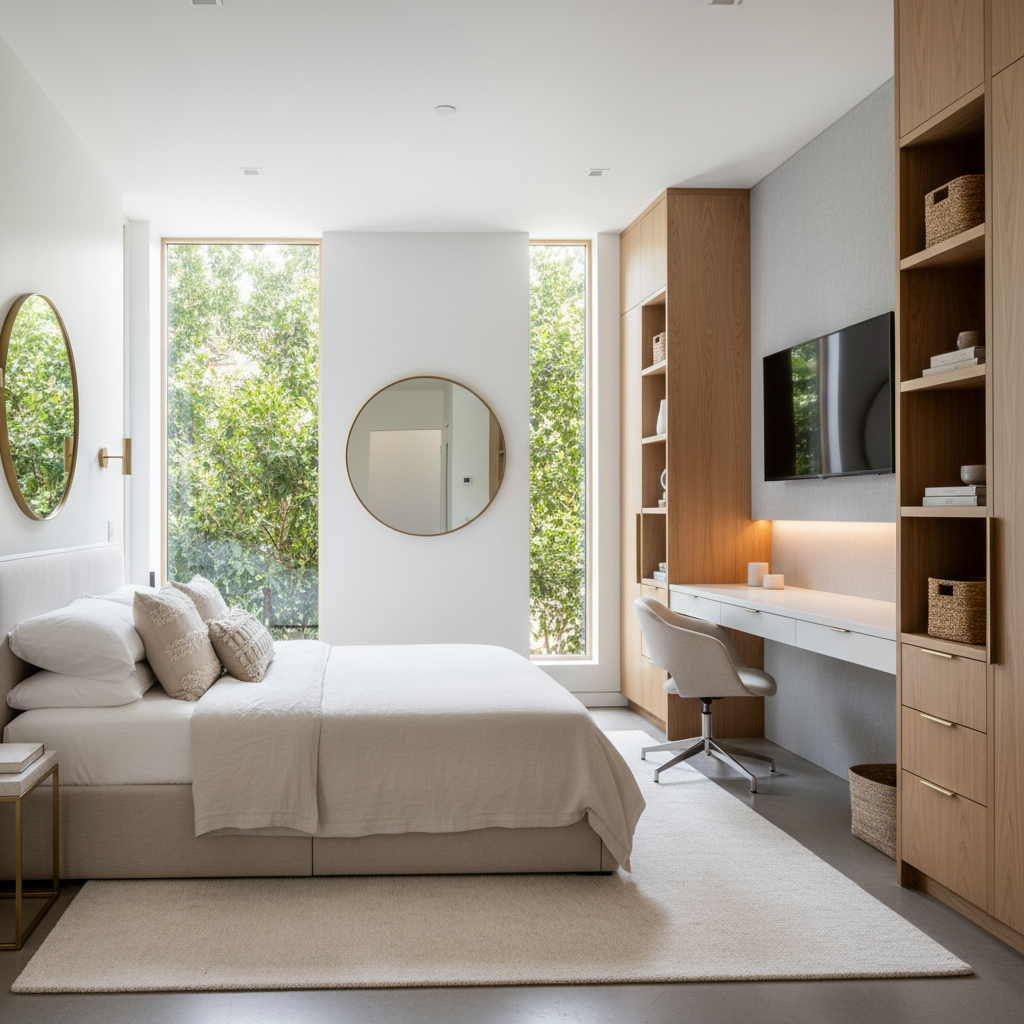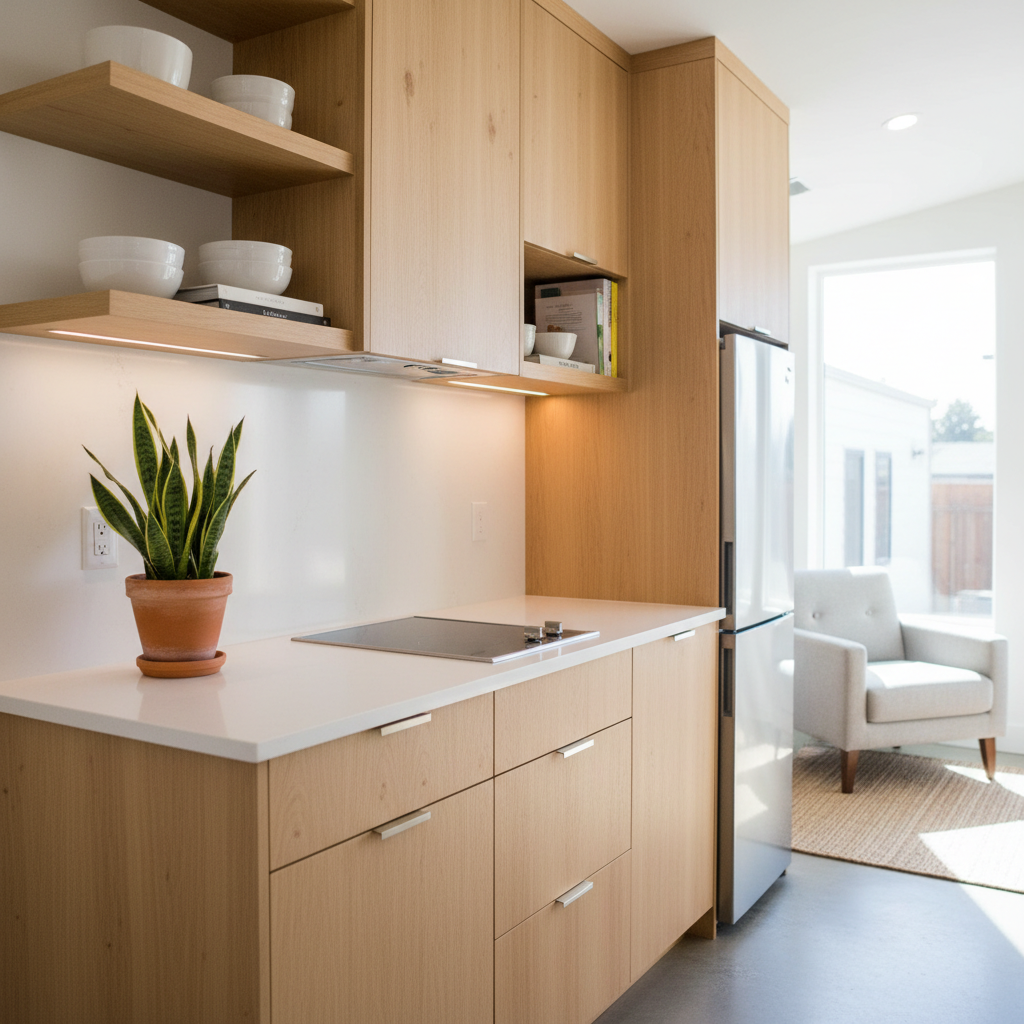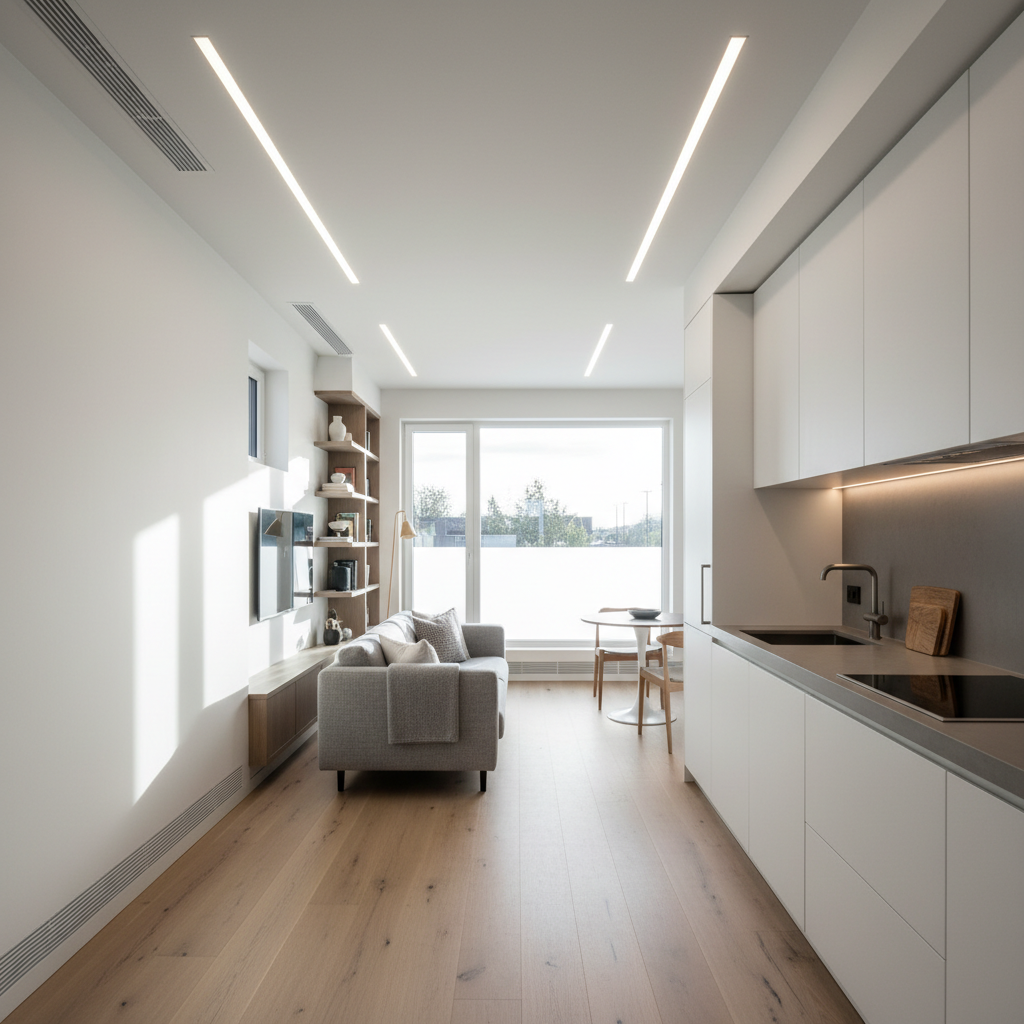
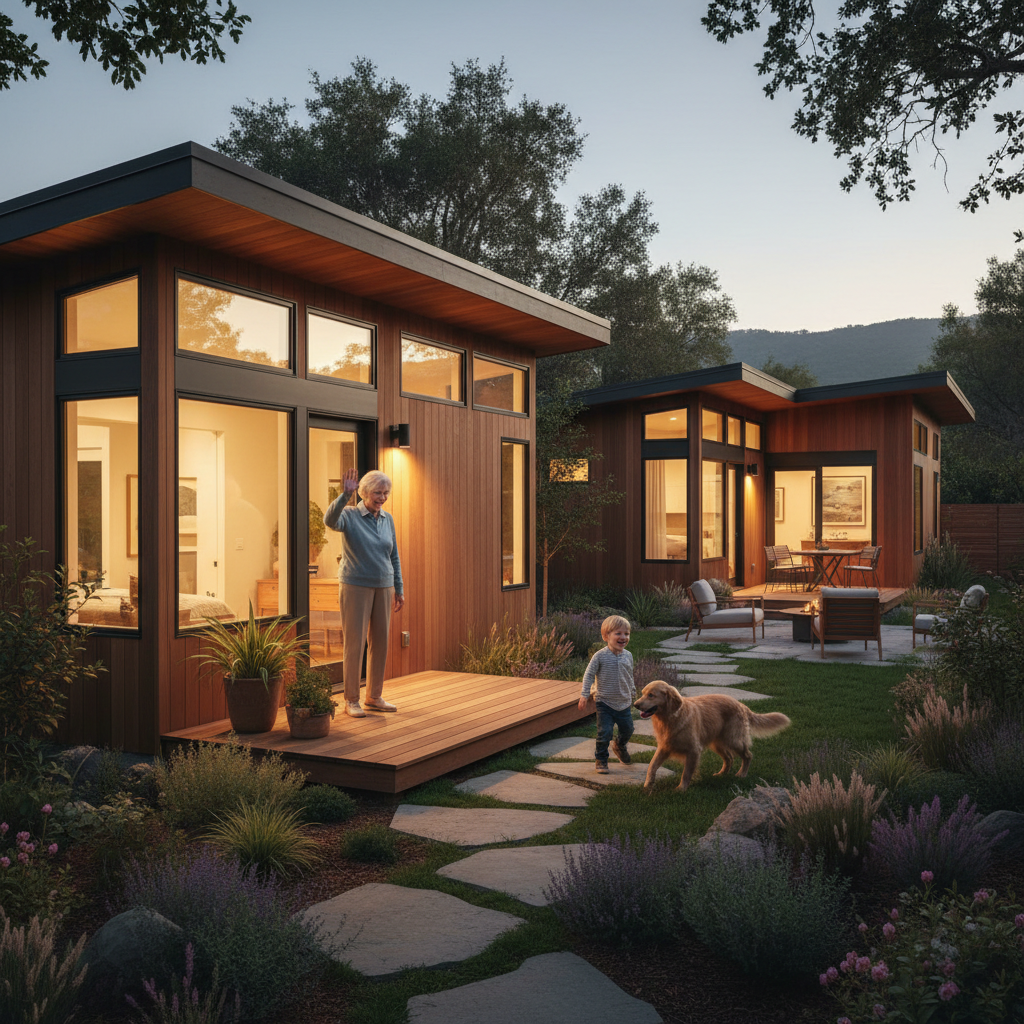
California homeowners are increasingly looking for innovative ways to keep loved ones close, and the answer is often found right in their backyard. The concept of ADU for multigenerational living has surged in popularity, offering a harmonious blend of family connection and individual privacy. This isn't just a fleeting trend; it's a significant shift in how families choose to live and grow together.
Recent data underscores this burgeoning movement. The Washington Post, in a July 5, 2026, piece, highlighted the ADU boom as a primary driver for the resurgence of multigenerational households. Further solidifying this trend, National Association of Realtors (NAR) data revealed that a significant 14% of homebuyers in 2025 specifically sought out multigenerational homes. Both Redfin and Thumbtack, leading voices in real estate and home services, independently named multigenerational features as a top priority for homeowners in 2026. These statistics paint a clear picture: families are actively seeking solutions that allow them to live together, and ADUs are perfectly positioned to meet this demand.
Why Families Are Choosing ADUs for Multigenerational Living
The reasons behind the shift towards multigenerational living are as diverse as the families themselves. For many, an ADU offers a practical, compassionate, and economically sensible path forward:
- Caring for Aging Parents: As parents age, the need for proximity and support becomes paramount. An ADU allows them to retain their independence and familiar routines while being just steps away from family assistance, care, and companionship. It offers peace of mind for adult children knowing their parents are safe and well-cared for without requiring them to move into an assisted living facility or completely uproot their own lives.
- Supporting Adult Children: In today's economic climate, adult children often face challenges with housing affordability, student loan debt, or transitioning after college. An ADU provides a secure, affordable, and supportive launching pad, allowing them to save money, establish careers, or raise young families with the built-in support system of their parents nearby.
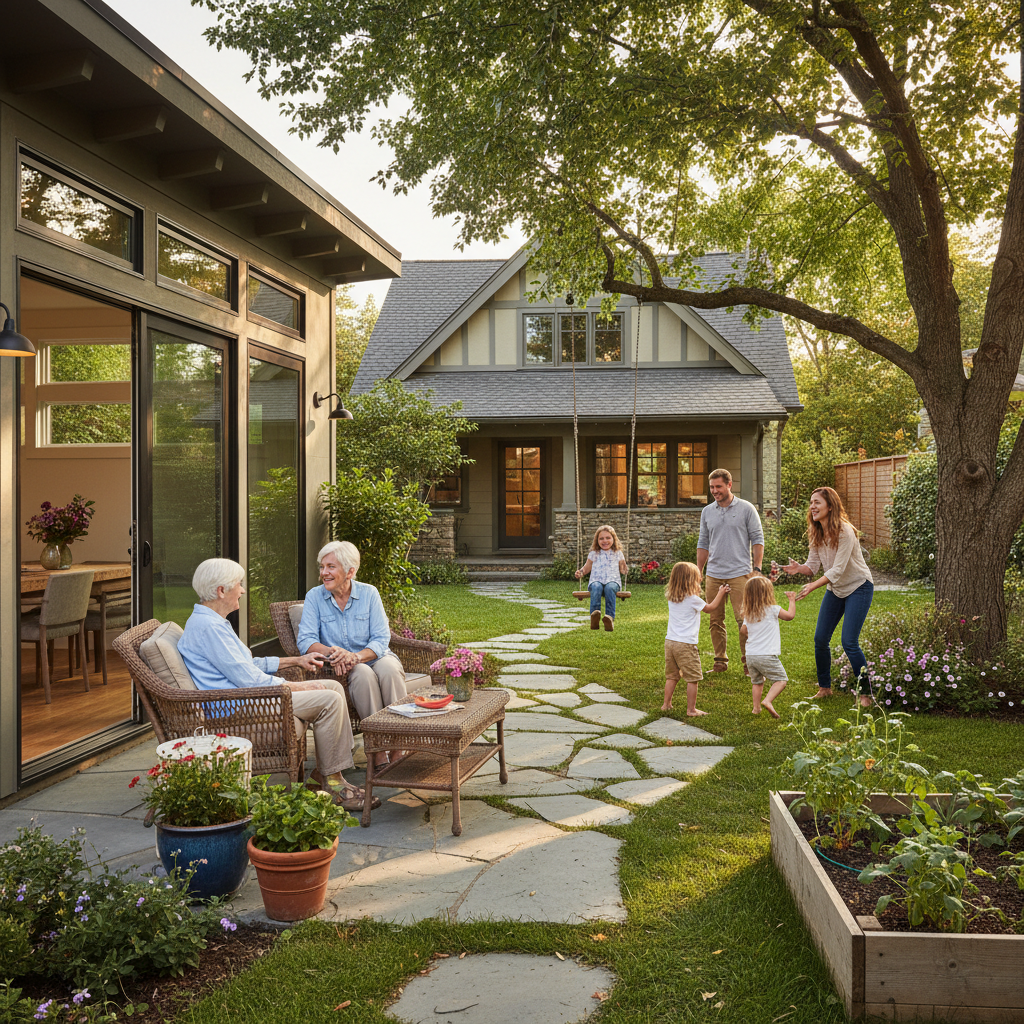
- Enhanced Family Bonds: Living in closer proximity naturally fosters stronger relationships. Daily interactions, shared meals, and spontaneous moments create lasting memories and reinforce family ties across generations. Grandparents can play a more active role in grandchildren's lives, and children benefit from the wisdom and presence of elders.
- Economic Benefits: Beyond the emotional advantages, there are tangible financial gains. Families can pool resources for utilities, share childcare responsibilities (reducing daycare costs), and even contribute to property taxes and maintenance. For the property owner, an ADU adds significant value to their home, offering a substantial return on investment.
- Cultural and Personal Preference: For many cultures, multigenerational living is a cherished tradition that emphasizes family unity and mutual support. For others, it's a personal choice to create a closer-knit family unit, enjoying the vibrancy and support that comes from living with loved ones.
Ideal ADU Types for Multigenerational Living
The beauty of ADUs lies in their versatility. Depending on your family's specific needs for privacy, space, and connection, different ADU types offer unique advantages:
Detached ADUs: The Independent Haven
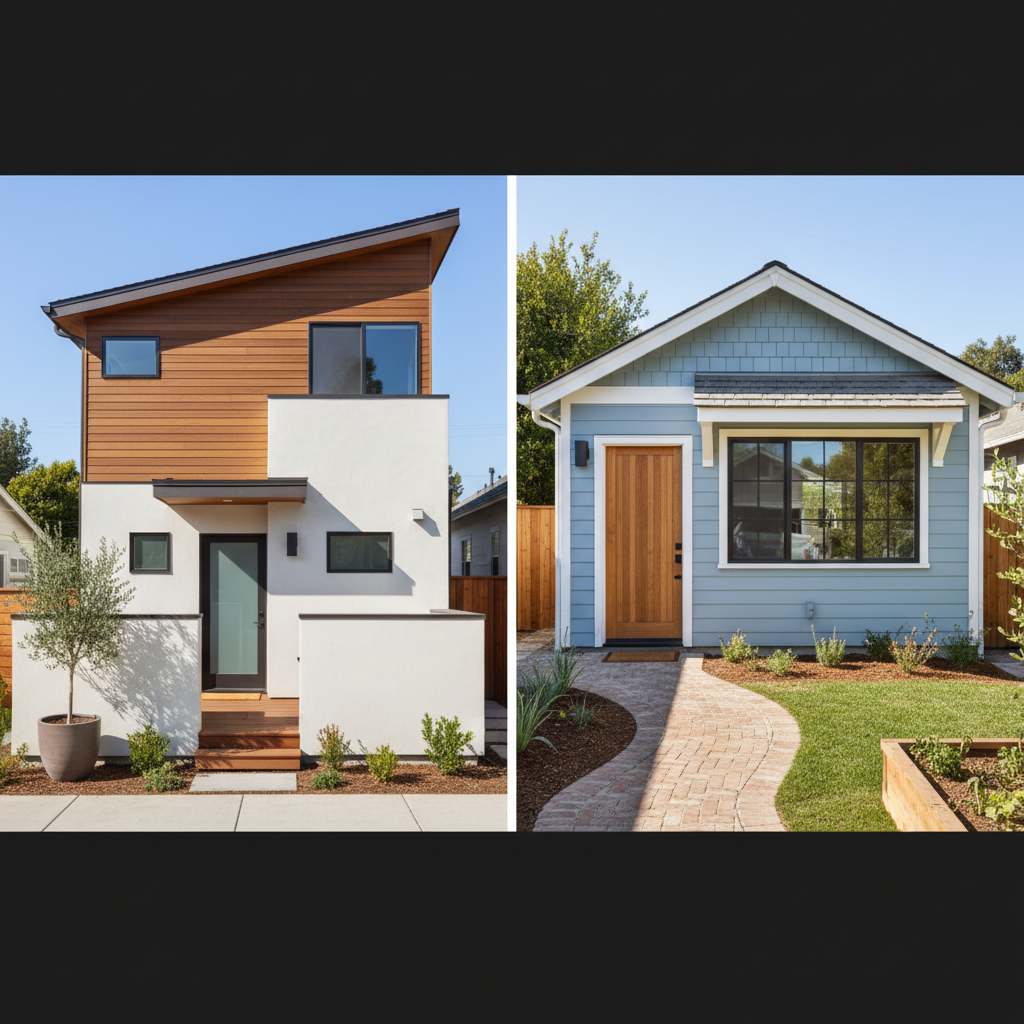
A detached ADU is a standalone structure separate from the primary residence. This option is often preferred for multigenerational living when maximum independence and privacy are desired. It essentially functions as a second, smaller home on the property, complete with its own kitchen, bathroom, living area, and bedroom(s).
- Pros: Offers the most privacy for both households, minimizing noise transfer and creating a clear sense of individual space. It can also provide a greater sense of autonomy for the occupants. Ideal for adult children with families or aging parents who are still highly independent.
- Cons: Generally the most expensive option due to new construction requirements. Requires sufficient backyard space.
Attached ADUs: Connected Convenience
An attached ADU shares one or more walls with the primary residence but has its own separate entrance, kitchen, and bathroom. This option strikes a balance between proximity and privacy.
- Pros: Offers a strong sense of connection while maintaining distinct living spaces. Often more cost-effective than detached units since some infrastructure (e.g., plumbing, electrical, foundation) might be extended from the main house. Ideal for aging parents who might need more frequent check-ins or adult children who benefit from closer support.
- Cons: Less privacy than a detached unit due to shared walls. Soundproofing becomes a more critical design consideration.
Garage Conversions: Creative & Cost-Effective
Converting an existing garage into an ADU is a popular and often budget-friendly option, especially in California where many homes have attached or detached garages. This repurposes an existing structure, saving on new foundation and framing costs.
- Pros: Can be significantly more affordable and quicker to build than new construction. Utilizes existing footprint, making it a great solution for properties with limited backyard space.
- Cons: Limited by the existing garage's size and shape, which might restrict design flexibility. Parking considerations must be addressed. May require more extensive structural upgrades than initially anticipated.
Each of these ADU types can be customized to meet the unique needs and preferences of your family. To explore which design best suits your family's multigenerational needs and property, you can connect with GatherADU design experts.
Key Considerations Before Building Your Multigenerational ADU
Embarking on an ADU project for multigenerational living requires thoughtful planning. Here are critical factors to consider:
1. Balancing Privacy and Proximity
This is perhaps the most crucial aspect. While the goal is to live closer, maintaining individual boundaries is vital for long-term harmony. Design elements like separate entrances, private outdoor spaces (patios, small yards), and effective soundproofing can make a significant difference. Discuss expectations with your family members about shared spaces, visits, and independence early in the process.
2. Accessibility and Future Needs
If the ADU is for aging parents, planning for accessibility is non-negotiable. Consider:
- Layout: Single-story living, open floor plans.
- Entrances: Ramps or zero-threshold entryways.
- Doorways: Wider doors (32-36 inches) for wheelchair access.
- Bathrooms: Roll-in showers, grab bars, higher toilets, ample maneuvering space.
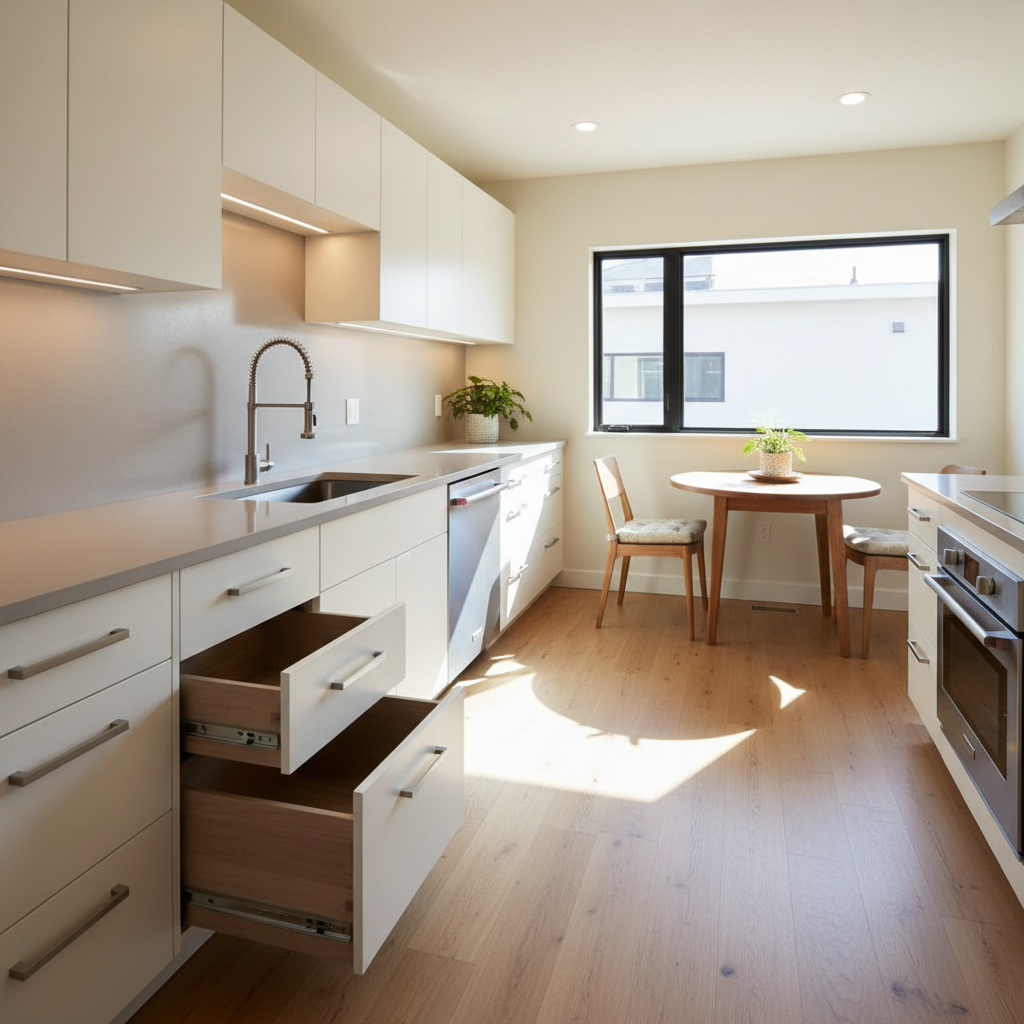
- Kitchens: Lower countertops, pull-out shelves, easy-to-reach appliances.
- Lighting: Ample, well-distributed lighting with easy-to-use switches.
Even if accessibility isn't an immediate need, designing with future-proofing in mind can save significant costs and disruption later.
3. Design and Layout Customization
The interior design of your ADU should reflect the lifestyle of its occupants. For parents, this might mean a cozy, low-maintenance space. For adult children, perhaps a more modern, open concept. Consider:
- Kitchen Size: Full kitchen vs. kitchenette.
- Living Areas: Sufficient space for entertaining or hobbies.
- Storage: Adequate closet and pantry space.
- Outdoor Space: A private patio or deck for relaxation.
4. Local Zoning and Regulations
California has progressive ADU laws, but local jurisdictions still have specific requirements regarding setbacks, height limits, parking, and utility connections. Understanding these regulations early in the process is critical to avoiding costly delays or design changes. GatherADU specializes in navigating California's ADU landscape, ensuring your project complies with all local ordinances.
5. Budget and Financing
Establishing a realistic budget is crucial. While an ADU is an investment that increases property value, it's important to understand all associated costs, including design, permits, construction, and finishes. Explore financing options and consider how the ADU will impact your property taxes and insurance.
6. Open Family Communication
Before any construction begins, have open and honest conversations with all family members involved. Discuss expectations regarding:
- Shared responsibilities and chores.
- Boundaries and privacy.
- Financial contributions.
- Long-term plans and potential changes.
Clear communication lays the groundwork for a successful and harmonious multigenerational living arrangement. To ensure your ADU project starts on the right foot, considering all these factors is crucial. Begin with a comprehensive feasibility study.
The GatherADU Difference
At GatherADU, we understand that building an ADU for multigenerational living is more than just a construction project; it's about building a better future for your family. Our team of expert designers and builders is dedicated to creating ADUs that are not only beautiful and functional but also perfectly tailored to your unique family dynamics and California property.
We guide you through every step, from initial concept and design to permitting and construction, ensuring a seamless and stress-free experience. Our commitment to quality, efficiency, and personalized service means your ADU will be a valuable asset for generations to come.
Conclusion
The trend of ADU for multigenerational living is a testament to the enduring desire for family connection in an evolving world. By thoughtfully designing and building an Accessory Dwelling Unit, you can create a space that fosters independence, provides support, and enriches the lives of everyone under your family's expanded roof. This investment in your property is an even greater investment in your family's future, creating a legacy of closeness and shared memories.
Ready to take the first step towards your family's ideal living arrangement? GatherADU offers a comprehensive $500 feasibility and schematic design study to assess your property's potential and kickstart your vision. Book your $500 feasibility and schematic design study today and let GatherADU help you build your dream multigenerational home.