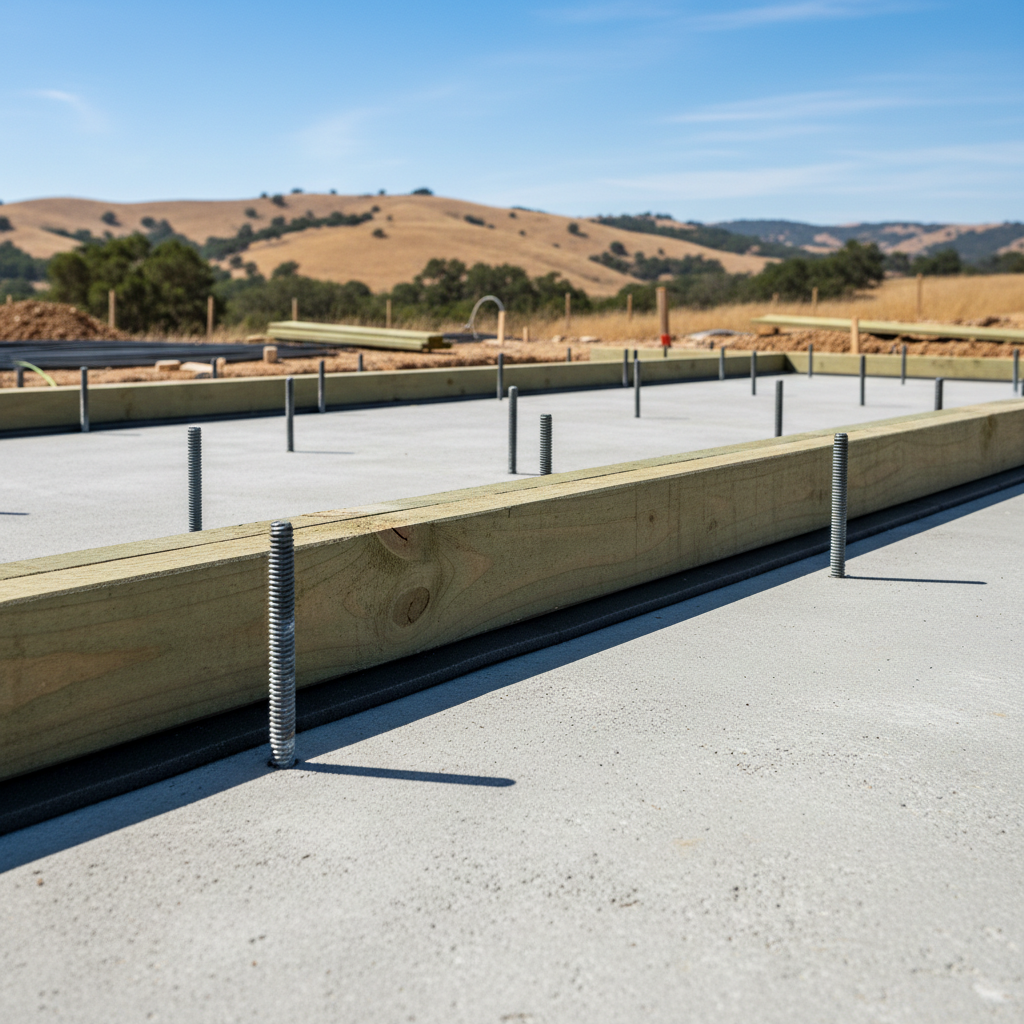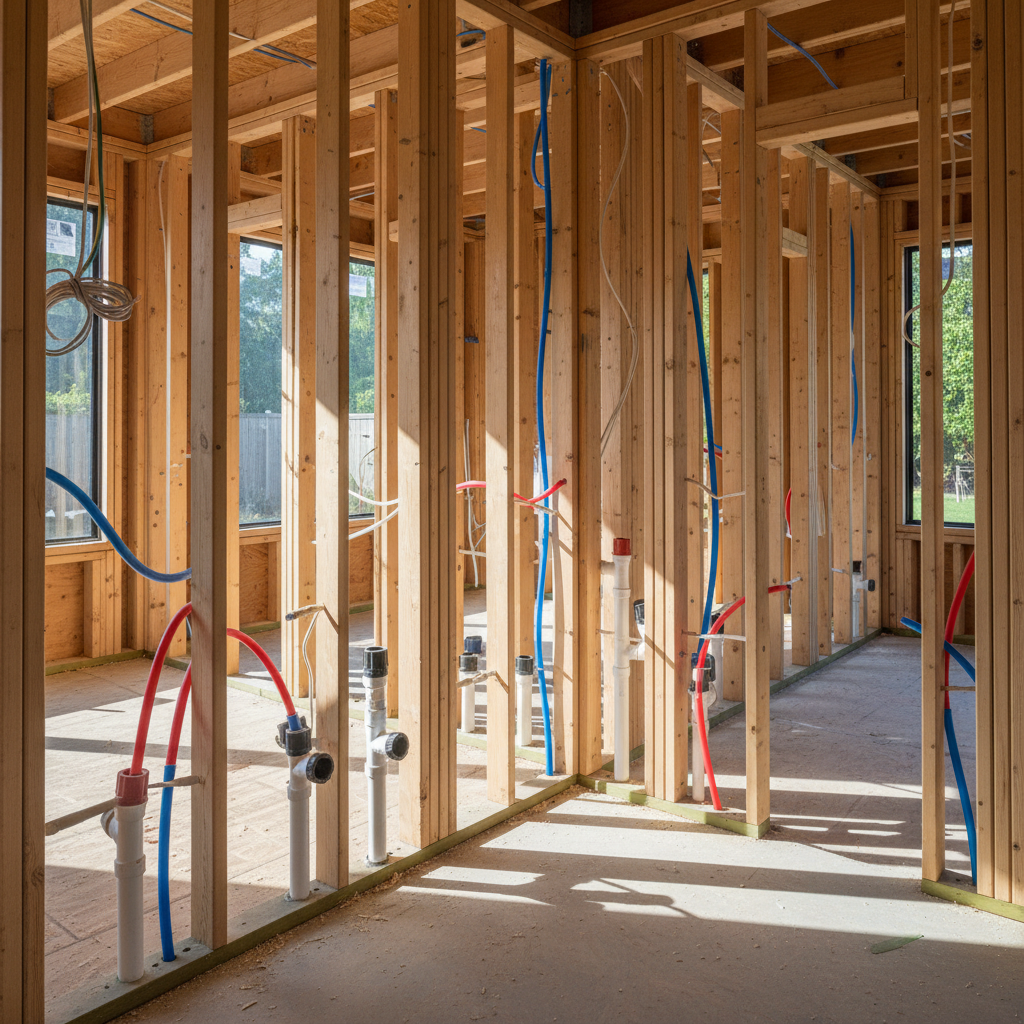

In California, Accessory Dwelling Units (ADUs) are transforming properties, offering flexible living spaces, rental income, or homes for multi-generational families. While many ADUs are detached, providing a separate structure, an attached ADU seamlessly connects to your existing home. This connection is not just about convenience or aesthetics; it involves critical structural considerations that ensure safety, stability, and code compliance. Among these, one component stands out as fundamental to the integrity of an attached ADU: the ledger board attached ADU connection.
For homeowners considering an attached ADU, understanding the ledger board isn't just for contractors – it’s about appreciating the engineering that safeguards your investment and the occupants. This comprehensive guide will delve into what a ledger board is, why it's indispensable for attached ADUs, key installation considerations, and how it contributes to a robust, long-lasting structure.
What Exactly Is a Ledger Board?
At its core, a ledger board is a horizontal wooden board (or sometimes engineered lumber) that is securely fastened to an existing structure, typically the main house. Its primary purpose is to provide a solid, continuous point of attachment for a new structure, effectively transferring the load from the new construction to the existing foundation and framing.
While commonly associated with deck construction, where it provides the primary support for the deck's joists against the house, its role in an attached ADU is even more critical. Unlike a deck, an ADU is a fully enclosed, habitable structure with walls, a roof, and often a second story, all of which exert significant weight and lateral forces. The ledger board acts as the foundational anchor, distributing these forces evenly and preventing separation or collapse.
Think of it as the handshake between your old home and your new ADU – a firm, unyielding connection that ensures both structures act as a single, cohesive unit.
Why Is a Ledger Board Crucial for Attached ADUs?
The importance of a properly installed ledger board attached ADU system cannot be overstated. It addresses several vital aspects of construction:
1. Structural Integrity and Load Transfer
An attached ADU shares a wall with the main house. This shared boundary means the ADU's weight (dead load) and anything inside it (live load), plus environmental forces like wind and seismic activity, must be safely transferred to the ground. The ledger board is the primary mechanism for this transfer. It anchors the ADU's floor joists and wall framing directly to the main house's structural studs, ensuring that the new unit doesn't pull away or sag over time. Without it, the structural connection would be weak, prone to movement, and potentially dangerous.
2. Meeting California Building Codes
California has stringent building codes designed to ensure the safety and longevity of all construction, especially in a seismically active state. The California Building Code (CBC) mandates specific requirements for how new structures connect to existing ones. A properly installed ledger board, engineered and inspected according to these codes, is non-negotiable for obtaining permits and passing inspections. Attempting to bypass or improperly install this component will lead to costly rework, delays, and potential legal issues.
3. Weatherproofing and Moisture Management
The seam where an ADU connects to the main house is a prime vulnerability for water intrusion. Even in California's generally dry climate, rain can lead to significant damage if not properly managed. The ledger board, when installed correctly with appropriate flashing, creates a robust barrier against moisture. This prevents water from seeping into the wall cavities of either structure, protecting against rot, mold, and costly structural damage.
Key Considerations for Ledger Board Installation in ADUs
Installing a ledger board for an attached ADU is a precise process that demands expert knowledge and meticulous execution. Here are the critical factors:
1. Existing Structure Assessment
Before any construction begins, a thorough assessment of the existing home's structural integrity is paramount. This includes:
- Foundation: Can the existing foundation support the additional weight of the ADU?
- Framing: Are the existing wall studs strong enough and properly aligned to receive the ledger board and transfer the load?
- Sheathing and Finishes: The exterior siding and sheathing of the existing house will need to be carefully removed to expose the structural framing for the ledger board attachment.
Often, a licensed structural engineer will need to evaluate the existing structure and design the ledger board connection to ensure it meets load-bearing requirements and local codes.
2. Material Selection for the Ledger Board
The ledger board itself must be durable and resistant to the elements. Typically, pressure-treated lumber is used because it's designed to resist rot, decay, and insect infestation, especially important when it's in contact with concrete or exposed to moisture. The size and thickness of the ledger board will be determined by the structural engineer's calculations, based on the ADU's design and anticipated loads.
3. Flashing and Weatherproofing
This is arguably as important as the structural connection itself. Flashing creates a continuous, watertight seal where the ledger board meets the existing house. This typically involves multiple layers:
- Self-Adhering Membranes: Applied directly to the existing wall sheathing before the ledger board is installed, these provide a primary waterproof barrier.
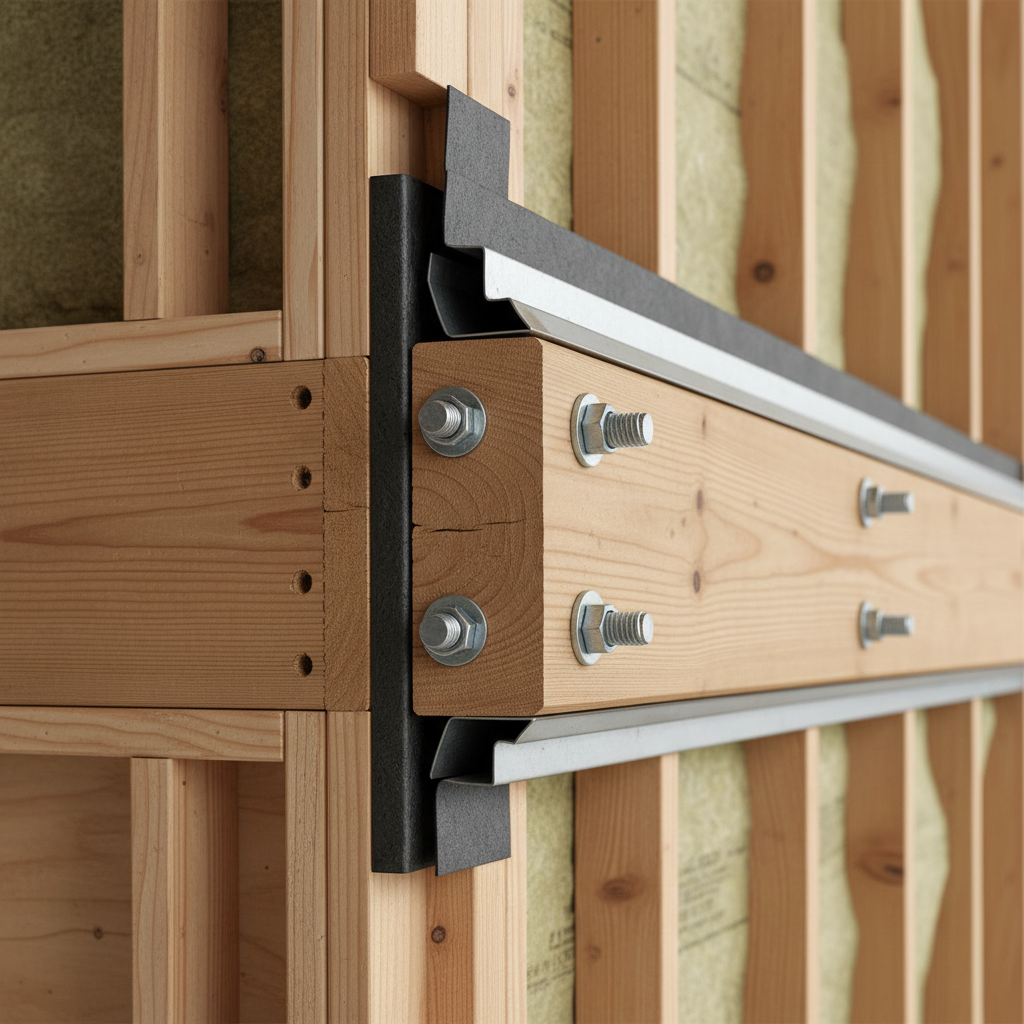
- Z-Flashing or Step Flashing: Metal flashing installed over the top edge of the ledger board, extending behind the existing wall's weather barrier and over the ADU's wall system. This directs any water away from the connection point and down the exterior wall.
- Sealants: High-quality exterior sealants are used to caulk any gaps or penetrations.
Proper flashing prevents water from penetrating the joint, protecting against dry rot, mold, and structural degradation over the lifespan of the ADU.
4. Fasteners and Spacing
The type, size, and spacing of fasteners that secure the ledger board to the existing house are critical. Common fasteners include:
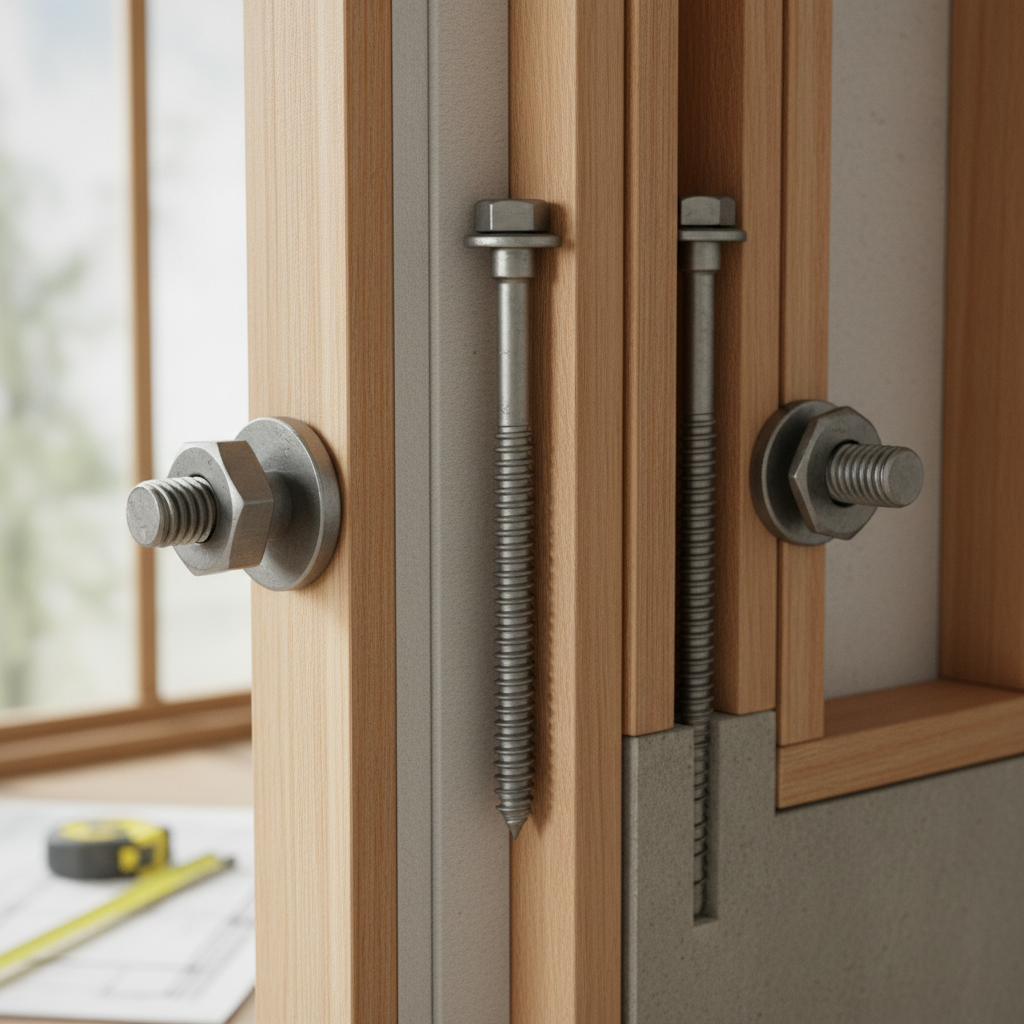
- Through-Bolts: These pass completely through the ledger board, the existing wall's framing, and are secured with nuts and washers on the interior side. This provides the strongest connection.
- Lag Screws or Structural Screws: Heavy-duty screws that are driven into the existing wall studs.
The spacing of these fasteners is not arbitrary; it's precisely calculated by a structural engineer to distribute the ADU's load effectively and resist shear forces. Too few fasteners, or improperly spaced ones, can compromise the entire connection.
5. Permits and Inspections
In California, any significant structural modification or new construction, including an attached ADU, requires permits from your local building department. The ledger board installation is a critical phase that will undergo rigorous inspection. Inspectors will verify:
- Correct material usage
- Proper fastener type, size, and spacing
- Adequate flashing and weatherproofing
- Compliance with approved plans and engineering specifications
Failing these inspections can halt your project and incur additional costs. Working with an experienced ADU builder like GatherADU ensures all these steps are meticulously followed, streamlining the permit and inspection process.
The Installation Process: A Glimpse
While best left to professionals, understanding the general steps can be insightful:
- Planning & Engineering: Detailed plans are drawn, and structural calculations are made, specifying ledger board dimensions, fastener types, and spacing.
- Existing Wall Preparation: The existing exterior siding and sheathing are carefully removed to expose the main house's structural studs where the ledger board will attach.
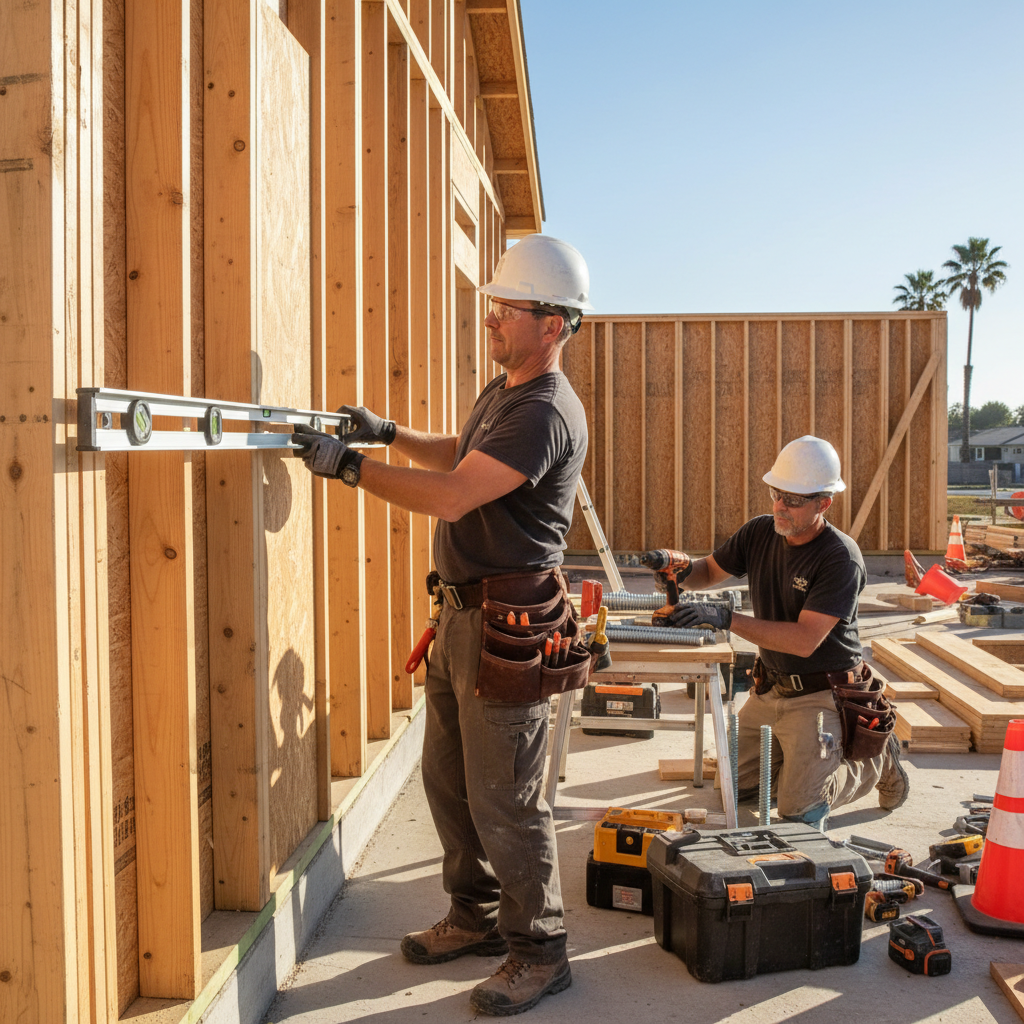
- Ledger Placement & Leveling: The pressure-treated ledger board is positioned precisely, leveled, and temporarily secured.
- Drilling & Fastening: Holes are drilled, and approved fasteners (through-bolts or structural screws) are installed at the specified intervals, ensuring a strong, secure connection.
- Flashing Installation: Multi-layered flashing is meticulously applied to create a watertight seal, directing water away from the connection.
- Inspections: The building department inspects the ledger board installation before further construction proceeds.
Common Challenges and How to Avoid Them
Even with careful planning, challenges can arise during ledger board installation:
- Inadequate Existing Framing: Sometimes, the existing house's framing isn't robust enough to support the ADU. This might require reinforcing the main house's wall, a more complex and costly endeavor.
- Improper Fastener Installation: Using the wrong type of fasteners, incorrect spacing, or failing to pre-drill properly can weaken the connection.
- Skipping or Improper Flashing: This is a common shortcut that leads to severe water damage down the line.
- Lack of Professional Expertise: Attempting a DIY approach or hiring inexperienced contractors for this critical structural component can have dire consequences.
Navigating the complexities of ADU construction, especially critical elements like ledger boards, requires expert knowledge. If you're considering an attached ADU project, ensure peace of mind by working with seasoned professionals. Schedule a free ADU consultation with GatherADU to discuss your plans and learn how we can ensure a seamless, code-compliant build.
Benefits of a Properly Installed Ledger Board
Investing in a professionally installed ledger board for your attached ADU offers a multitude of benefits:
- Long-Term Structural Stability: Ensures your ADU remains securely attached and structurally sound for decades.
- Prevents Water Damage and Rot: Protects both your main home and ADU from costly moisture-related issues.
- Ensures Safety and Code Compliance: Guarantees your ADU meets all California building and safety standards, protecting occupants and avoiding legal issues.
- Adds Value to Your Property: A well-built, code-compliant ADU enhances your property's value and appeal.
- Peace of Mind: Knowing that a critical structural element is expertly installed provides confidence in your investment.
A well-executed ledger board installation is a testament to quality construction and attention to detail – hallmarks of every GatherADU project. To explore the possibilities of adding an attached ADU to your property with expert guidance, don't hesitate to get your free project estimate today.
Conclusion
The ledger board, though often out of sight once construction is complete, is undeniably one of the most critical components of an attached ADU. It's the silent workhorse that ensures your new backyard home is not only aesthetically pleasing but, more importantly, structurally sound, weatherproof, and fully compliant with California's rigorous building codes. Understanding its role underscores the importance of professional expertise and meticulous attention to detail in every aspect of ADU construction.
For a secure, compliant, and beautifully integrated attached ADU, trust the experts at GatherADU. We handle every detail, from initial design to final inspection, ensuring your project is built to the highest standards. Ready to start your journey to a new backyard home? Book your free ADU consultation now and let's build your future, together.