When planning an Accessory Dwelling Unit (ADU) in California, one of the most significant decisions you'll face is choosing the right exterior finish. The climate, aesthetic preferences, and building codes all play a crucial role. Among the myriad options, stucco consistently emerges as a leading contender, known for its versatility and durability. But what is stucco, and is it truly a good exterior finish for an ADU in California?
This comprehensive guide will delve into the world of stucco, exploring its composition, benefits, potential drawbacks, and ultimately help you determine if it's the ideal choice for your backyard home project.
What Exactly Is Stucco?
Stucco is a cement-based plaster material traditionally used for exterior wall finishes. It's a mixture of Portland cement, sand, lime, and water, applied in several layers over a structural substrate. Historically, stucco has graced buildings for centuries, from ancient Roman structures to the iconic Spanish Colonial architecture found throughout California.
Traditional vs. Modern Stucco Systems
While the basic composition remains similar, modern stucco applications often incorporate acrylics and other additives to enhance flexibility, adhesion, and color retention. There are generally two main types:
-
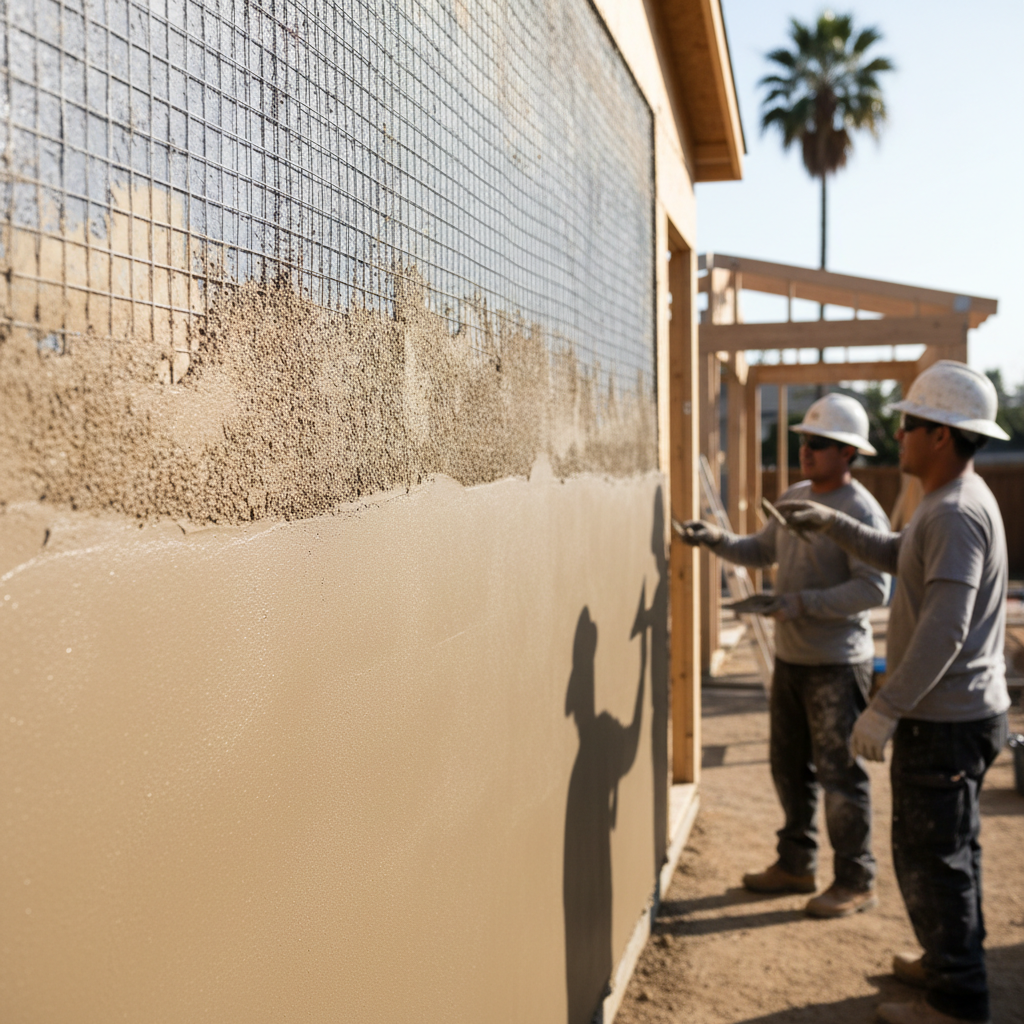
Traditional (Hard Coat) Stucco: This system involves applying multiple layers (typically three) over a lath (metal or wire mesh) attached to the wall sheathing. The layers are:
- Scratch Coat: The first layer, scratched to provide a mechanical key for the next coat.
- Brown Coat: A thicker, leveling coat applied over the scratch coat.
- Finish Coat: The final, decorative layer that provides color and texture.
This type of stucco is robust, durable, and common in California ADUs.
-
Exterior Insulation and Finish Systems (EIFS): Often mistakenly called stucco, EIFS is a synthetic material involving an insulation board, a base coat with fiberglass mesh, and a finish coat. While it offers excellent insulation, EIFS has a different composition and application process than traditional stucco and has faced scrutiny for moisture management issues in certain climates if not installed perfectly. For California ADUs, traditional or modified cement stucco is generally the preferred and more proven choice.
Why Stucco is a Popular Choice for California ADUs
California's unique climate and architectural heritage make stucco a particularly attractive option for ADU exteriors. Here's why:
1. Aesthetic Versatility
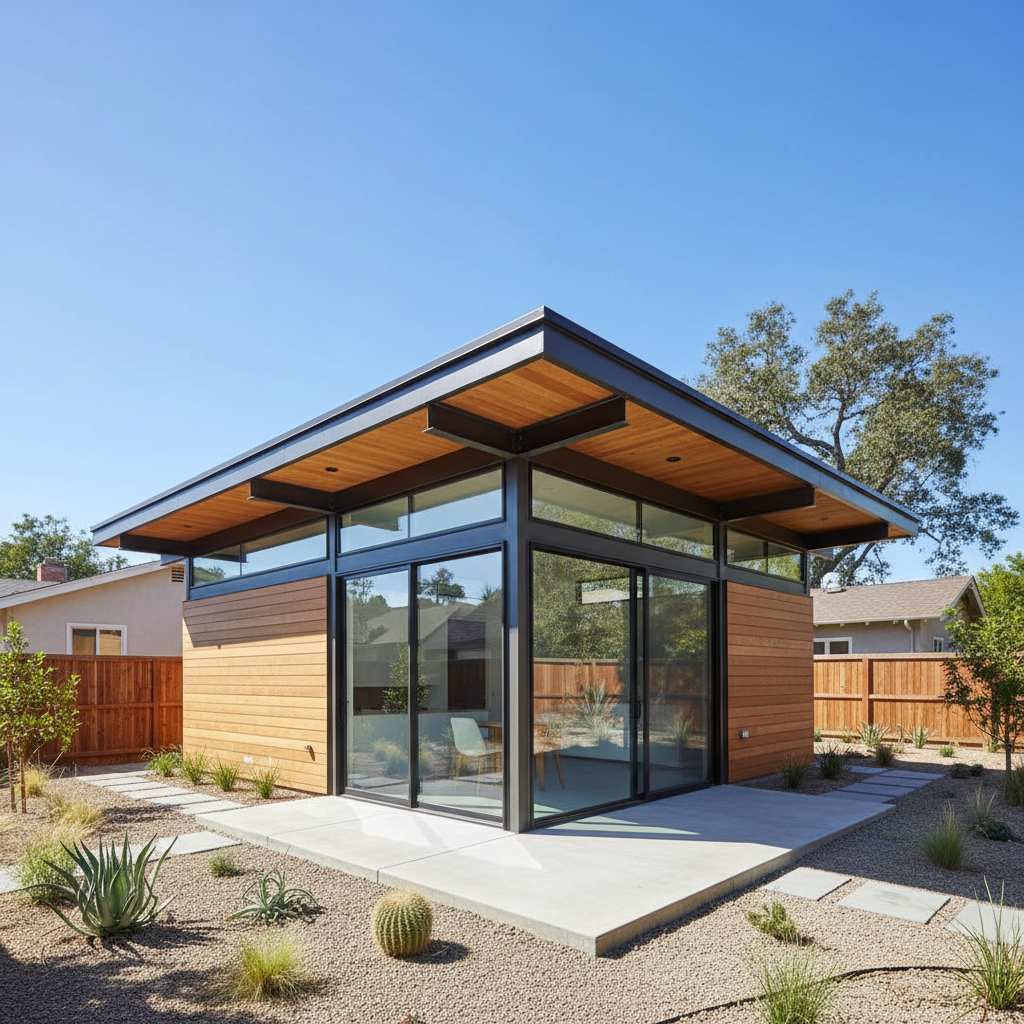
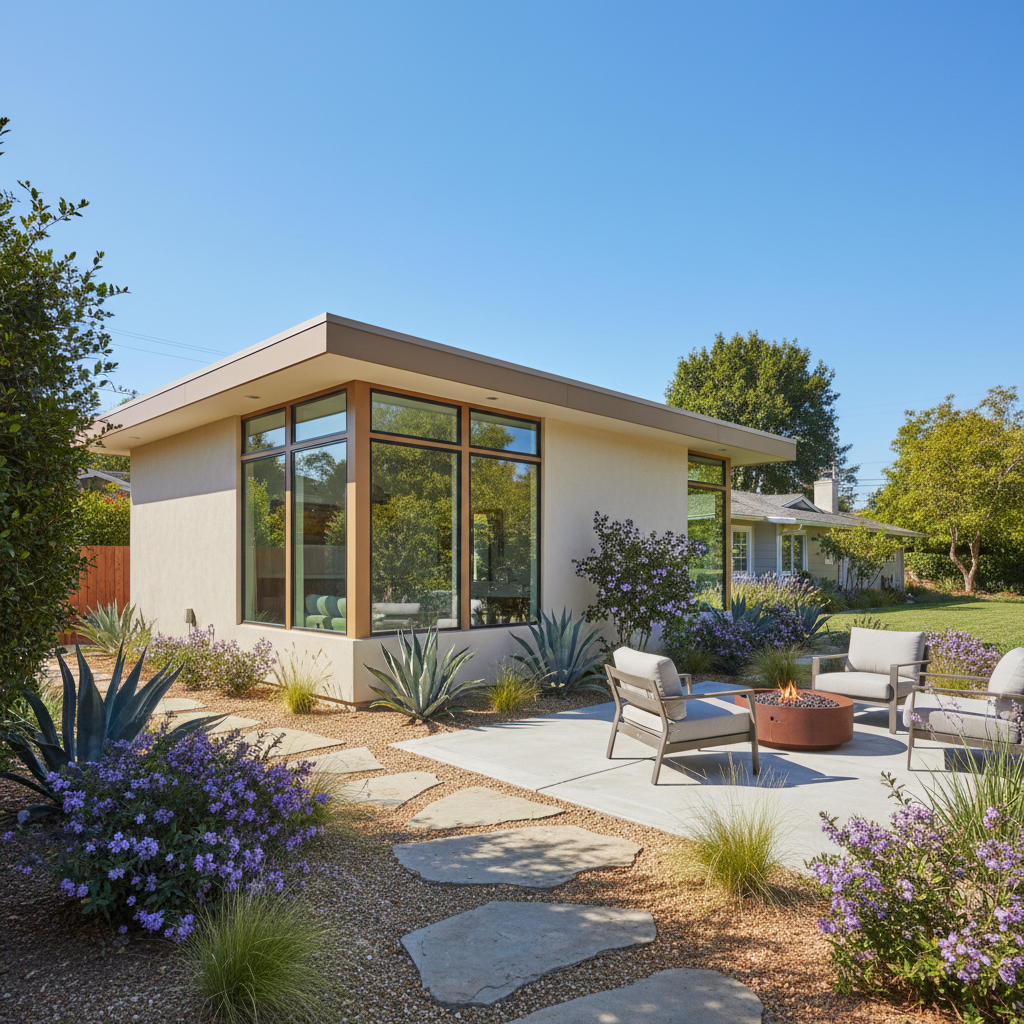
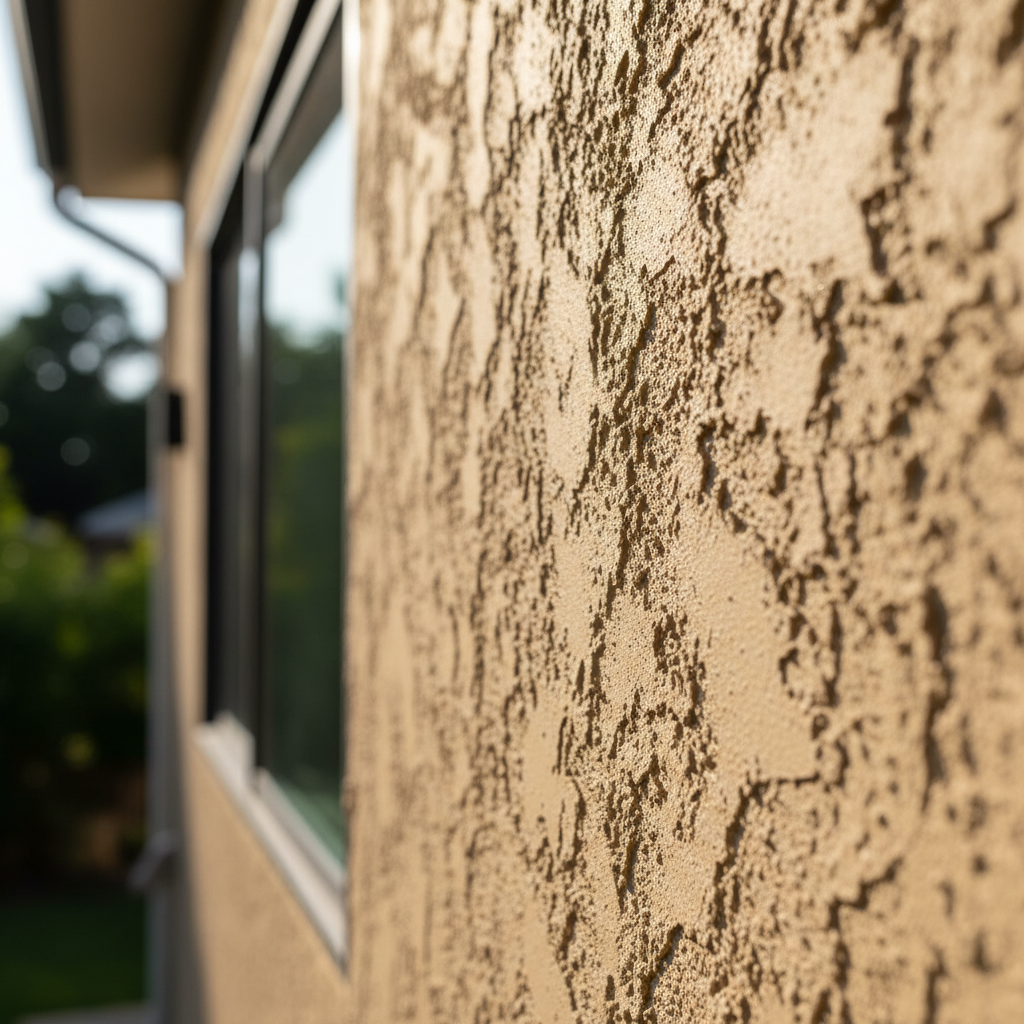
Stucco offers incredible design flexibility. It can be smooth, textured (e.g., sand, dash, lace, skip trowel), and tinted in virtually any color. This allows it to seamlessly integrate with existing primary residences, whether they're Spanish Colonial, Mediterranean, contemporary, or modern farmhouse in style. For your ADU, stucco can help create a cohesive look or a distinct architectural statement.
2. Exceptional Durability and Longevity
Properly installed stucco is incredibly durable. It can withstand California's intense sun, occasional heavy rains, and temperature fluctuations without significant wear. With minimal maintenance, a stucco finish can last 50 years or more, making it a long-term investment for your backyard home.
3. Superior Fire Resistance
In a state prone to wildfires, fire resistance is a paramount concern for any construction. Traditional cement stucco provides excellent fire protection, often achieving a Class A fire rating. This can be a critical factor for peace of mind and potentially for insurance purposes, especially for ADUs located in high fire-severity zones in California.
4. Energy Efficiency Benefits
Stucco's dense composition contributes to its thermal mass. This means it absorbs and slowly releases heat, which can help regulate interior temperatures, keeping your ADU cooler in the summer and warmer in the winter. This natural insulation can lead to reduced energy consumption for heating and cooling.
5. Low Maintenance Requirements
Unlike wood siding that may require frequent painting or sealing, stucco is relatively low maintenance. It can be cleaned with a hose and mild detergent, and its color is often integral to the finish coat, meaning it won't peel or chip. Minor cracks can be patched, and the entire surface can be repainted if a new look is desired.
Considering stucco for your ADU project? Understanding its nuances is key. For personalized advice and to explore how stucco can integrate into your custom ADU design, don't hesitate to consult with GatherADU's design experts.
Considerations and Potential Challenges of Stucco
While stucco offers many advantages, it's not without its challenges. Being aware of these can help you make an informed decision and ensure a successful installation:
1. Cracking
Hairline cracks are a common characteristic of stucco as it cures and settles. These are usually superficial and not a structural concern. However, wider or spiderweb-like cracks can indicate underlying issues such as improper installation, substrate movement, or poor material mix. Proper control joints are essential to manage expansion and contraction, minimizing the risk of significant cracking.
2. Moisture Intrusion
The biggest potential downfall of stucco is moisture intrusion due to improper installation. If water gets behind the stucco and cannot drain or dry out, it can lead to rot, mold, and structural damage to the framing. This is why a robust water-resistive barrier (WRB), proper flashing around windows and doors, and correctly installed weep screeds (to allow water to escape) are absolutely critical. This is not a material where shortcuts can be taken.
3. Installation Quality is Paramount
Stucco application is a craft that requires significant skill and experience. The quality of the final product and its long-term performance are highly dependent on the installer's expertise. Proper mixing, application technique, curing, and attention to detail regarding flashing and drainage are non-negotiable. Choosing an inexperienced or cut-rate contractor for stucco work can lead to costly problems down the line.
4. Repair and Patching Can Be Tricky
While stucco is durable, damage can occur. Repairing stucco, especially matching existing color and texture, can be challenging. An uneven patch can stand out, requiring a skilled hand to blend it seamlessly.
Navigating the complexities of ADU construction, especially when choosing exterior finishes, can be daunting. To ensure your ADU is built to last with the right materials, consider reaching out. We're here to help you start your ADU journey with confidence.
Stucco for Your California ADU: Is It a Good Fit?
Given its pros and cons, is stucco a good exterior finish for an ADU in California? For most homeowners, the answer is a resounding yes, provided it's installed correctly by experienced professionals.
-
Climate Compatibility: Stucco thrives in California's dry, warm climate, offering excellent protection against the elements.
-
Fire Safety: Its inherent fire resistance is a significant advantage, particularly in fire-prone regions.
-
Design Harmony: The aesthetic versatility allows for seamless integration with a wide range of architectural styles, ensuring your ADU complements your existing property.
-
Long-Term Value: Its durability, longevity, and low maintenance contribute to a strong return on investment and reduced long-term costs for your backyard home.
When choosing stucco, consider the texture and color that best suits your vision. Smooth finishes offer a modern, clean look, while sand or dash finishes can provide a more traditional or rustic appeal. Your chosen finish will significantly impact the overall character of your ADU.
Making the Right Choice for Your ADU
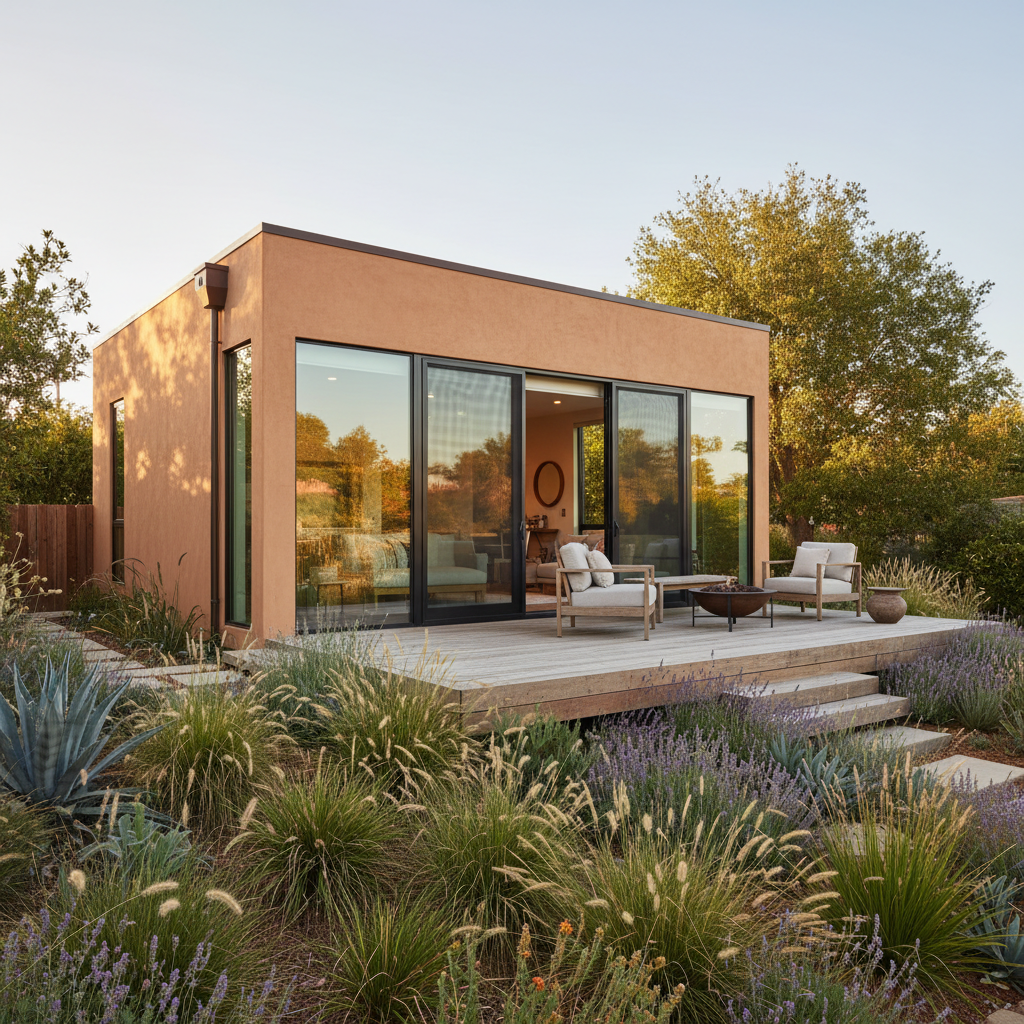
Ultimately, the decision to use stucco for your ADU in California should be made in consultation with experienced ADU designers and builders. They can assess your specific site conditions, local building codes, aesthetic preferences, and budget to recommend the best exterior finish for your project.
A reputable ADU builder like GatherADU will ensure that if stucco is chosen, it is applied meticulously, with proper attention to flashing, drainage, and curing, guaranteeing a beautiful, durable, and problem-free exterior for decades to come.
Conclusion
Stucco remains a timeless and highly practical choice for an ADU in California. Its aesthetic appeal, robust durability, superior fire resistance, and energy-efficient properties make it an excellent investment for homeowners looking to add a valuable and beautiful backyard home. While proper installation is paramount to avoid potential issues, partnering with an experienced ADU specialist ensures that your stucco finish will perform flawlessly and enhance your property for years to come.
Ready to explore the possibilities of a stucco-finished ADU or discuss other exterior options tailored to your California property? GatherADU is your trusted partner for designing and building high-quality, compliant backyard homes. Book a free ADU consultation with GatherADU today to bring your vision to life.