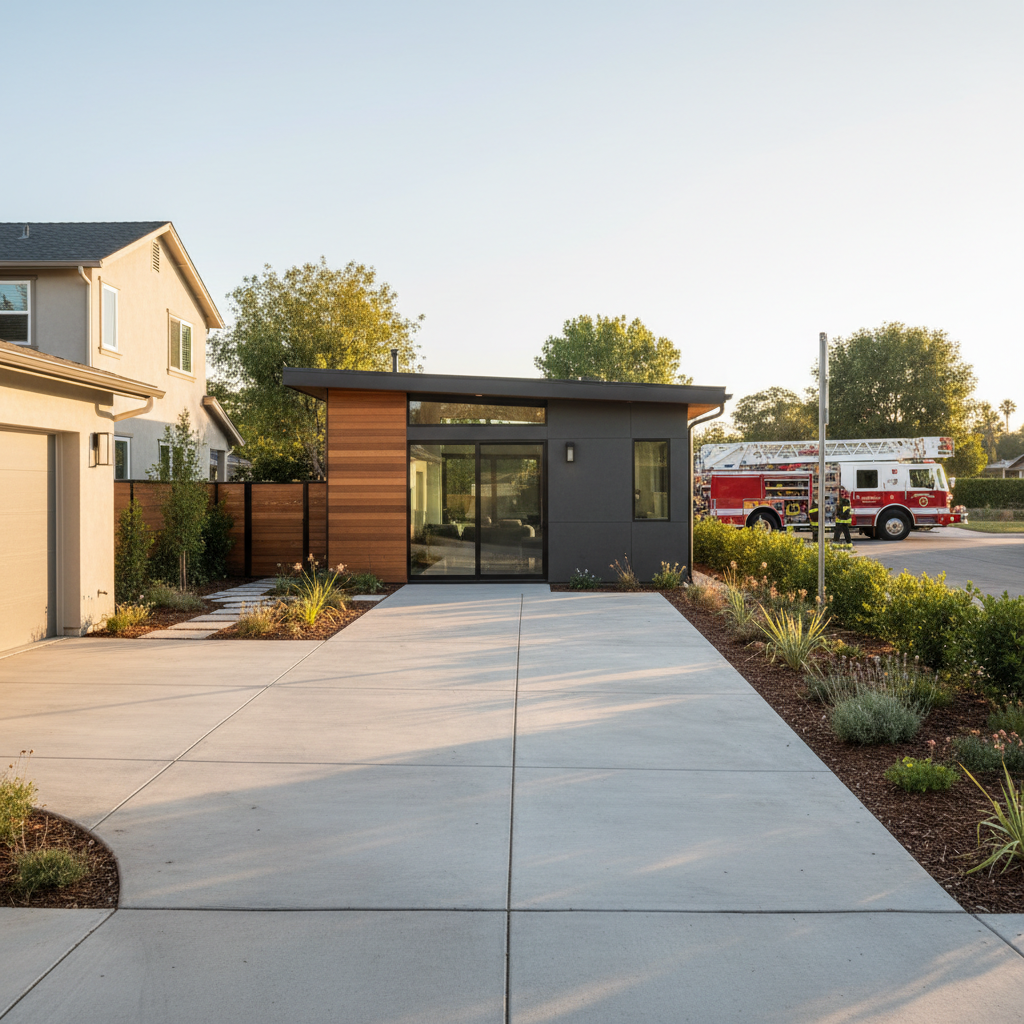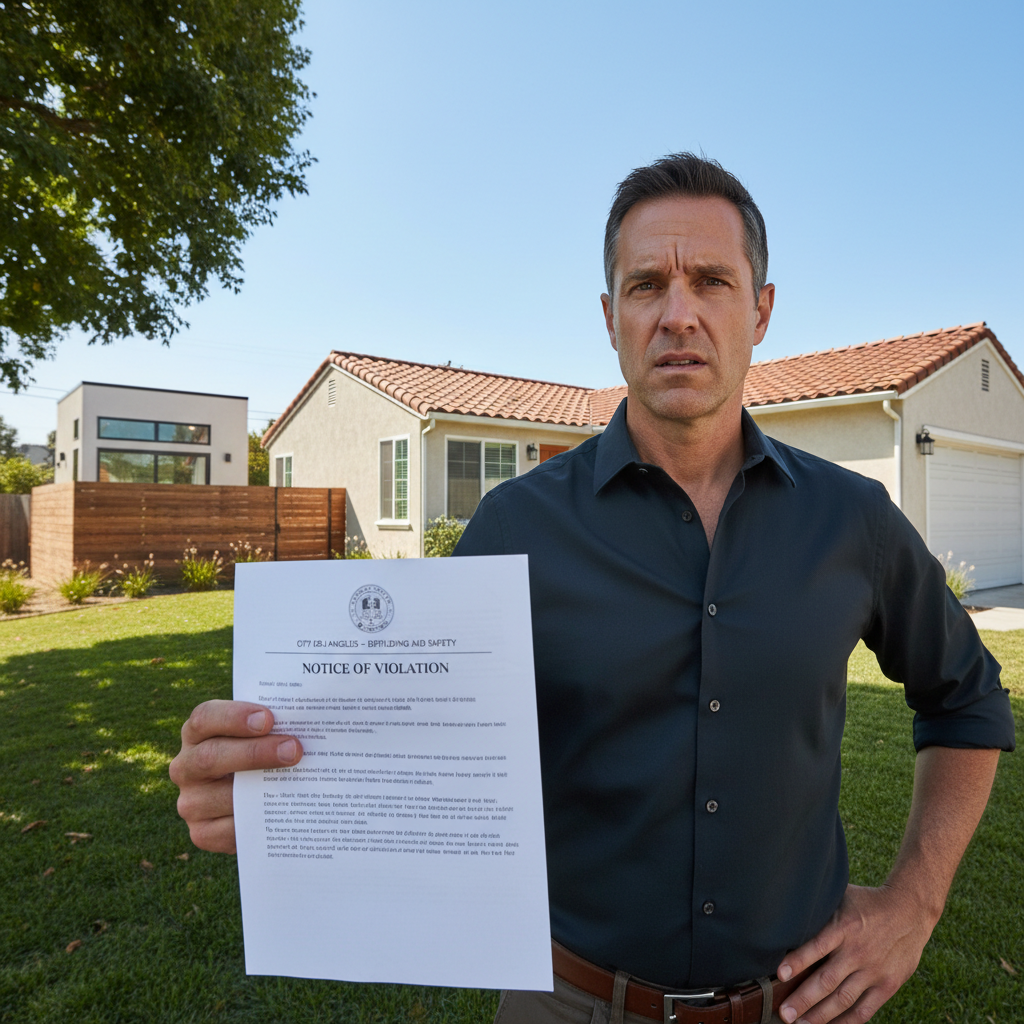

When planning an Accessory Dwelling Unit (ADU) in California, the permitting process can seem like a labyrinth of regulations. Among the many approvals required, a crucial, yet often misunderstood, step for some homeowners is the ADU health department review. This review isn't universally required for every ADU project, but when it is, understanding its purpose, scope, and implications is paramount to a smooth and successful build.
This comprehensive guide from GatherADU will demystify the ADU health department review, explaining what it entails, when it becomes a necessary part of your project, and how to successfully navigate this critical phase. We'll focus on California-specific requirements, ensuring you have the knowledge to proceed confidently.
What is an ADU Health Department Review?
An ADU health department review, often conducted by your county's Environmental Health Services division, is an assessment aimed at ensuring your proposed ADU meets public health and safety standards, particularly concerning water supply and wastewater disposal. Unlike structural building permits that focus on the physical integrity of the structure, the health department's primary concern is preventing environmental contamination and safeguarding the health of the occupants and the surrounding community.
The review scrutinizes how your ADU will obtain clean water and, critically, how it will dispose of wastewater. This is especially relevant in areas not served by municipal utilities, where properties rely on private systems.

When is an ADU Health Department Review Required in California?
The need for an ADU health department review in California is not universal; it's triggered by specific circumstances related to your property's infrastructure. The most common scenarios requiring this review are:
1. On-Site Wastewater Treatment Systems (Septic Systems)
This is by far the most frequent trigger. If your property, or the proposed ADU, relies on a septic system (an on-site wastewater treatment system) rather than being connected to a municipal sewer line, a health department review is almost certainly required. The department needs to ensure:
- Sufficient Capacity: The existing septic system can adequately handle the increased wastewater load from the new ADU and its occupants, in addition to the primary residence.
- Proper Functionality: The system is functioning correctly and is not failing or at risk of failure.
- Appropriate Design: The system's design and location comply with current health codes and setback requirements from wells, property lines, and water bodies.
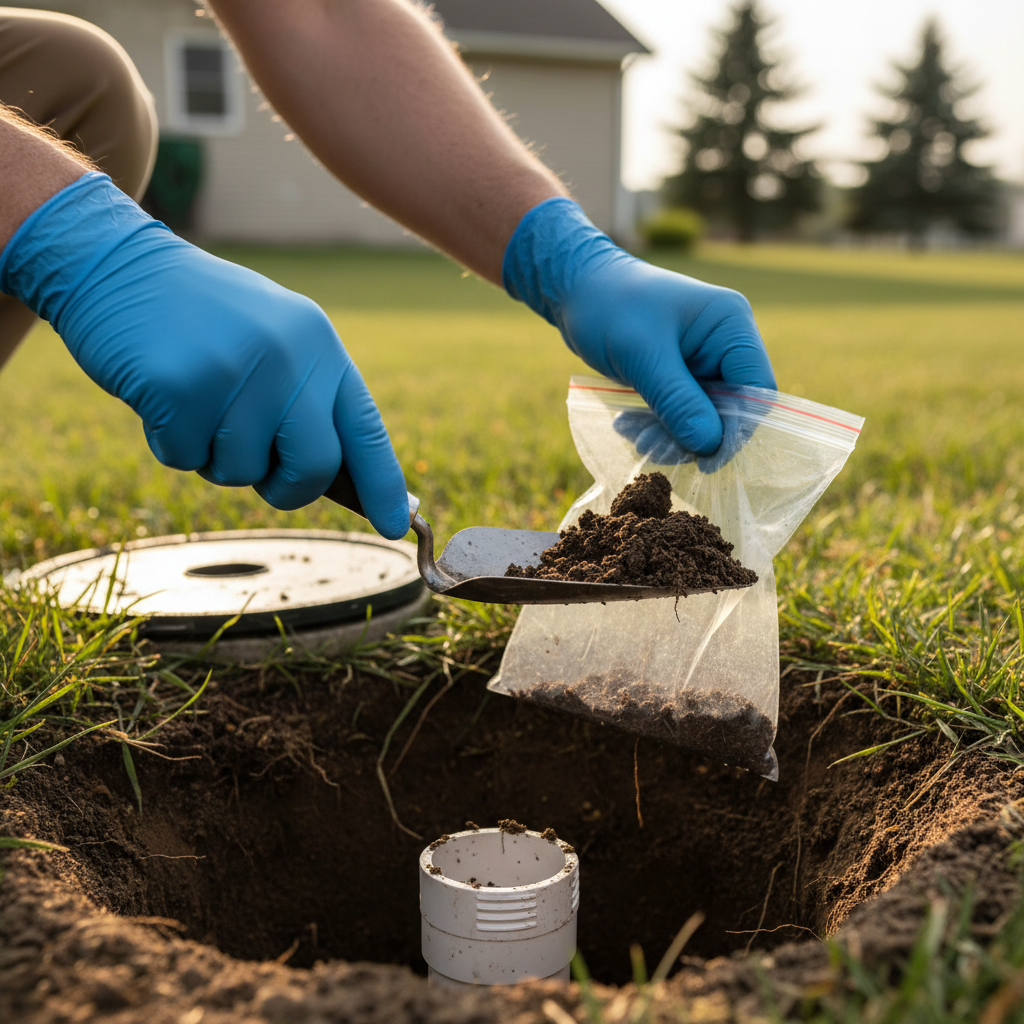
- Soil Suitability: The soil in the drain field area is suitable for effluent absorption, often requiring percolation tests.
Adding an ADU significantly increases the demand on a septic system. If the existing system is too old, too small, or located in unsuitable soil, you may be required to upgrade, expand, or even replace it entirely.
2. Private Water Wells
If your property relies on a private well for its water supply instead of being connected to a municipal water system, a health department review will be necessary. The department will assess:
- Water Quality: Ensuring the well water is safe for human consumption, often requiring extensive testing for contaminants.
- Water Quantity: Verifying that the well can provide a sufficient and reliable supply of water for both the primary residence and the ADU, especially during dry seasons.
- Well Location and Setbacks: Confirming the well's location meets required setbacks from septic systems, property lines, and potential contamination sources.
- Construction Standards: Ensuring the well was properly constructed and sealed to prevent contamination.
3. Other Potential Triggers (Less Common but Possible)
- Challenging Site Conditions: In some counties, properties with steep slopes, proximity to sensitive ecological areas, or specific geological features might warrant additional health department scrutiny even if connected to public utilities.
- Specific County/Local Ordinances: While state ADU laws streamline many aspects, local jurisdictions may have unique requirements that trigger a health review. Always check with your specific county's environmental health department.
When It's Generally NOT Required
The good news is that if your property is already connected to both municipal (city) water and sewer services, an ADU health department review is typically not required. In these cases, the public utility infrastructure is assumed to handle the water supply and wastewater disposal safely and efficiently, negating the need for separate health department oversight.
The ADU Health Department Review Process: What to Expect
Navigating the health department review involves several key steps:
1. Initial Inquiry and Pre-Application
GatherADU recommends that homeowners or their design team contact the local county Environmental Health Services division early in the planning process. This initial conversation can clarify specific local requirements, necessary forms, and potential challenges unique to your property.
2. Application Submission and Documentation
You'll need to submit a formal application, which typically includes:
- Site Plan: Detailed drawings showing the primary residence, proposed ADU, property lines, existing and proposed septic systems (including drain fields), well locations, and all relevant setbacks.
- Percolation Test Results: For septic systems, these tests determine how quickly water drains through the soil, which is crucial for drain field design.
- Well Log and Water Quality Tests: For private wells, documentation of the well's construction and recent water quality reports are necessary.
- Proposed ADU Plumbing Plans: Detailing fixtures and estimated water usage.
3. Site Visit and Inspection
A health inspector will visit your property to verify the information provided in your application. They will:
- Assess the site's suitability for a septic system (if applicable), including soil conditions and topography.
- Examine the existing septic system components for signs of failure or inadequacy.
- Verify wellhead protection and setbacks.
- Review potential environmental concerns.
4. Review and Approval (or Conditions)
Based on their assessment, the health department will either approve your plans, approve them with conditions (e.g., requiring a septic system upgrade or well improvements), or, in rare cases, deny them if the site is deemed unsuitable for an ADU with the proposed infrastructure.
5. Integration with Overall Permitting
The health department's approval is usually a prerequisite for obtaining your overall ADU building permit. It's a critical component that can hold up the entire project if not addressed properly and promptly.
Key Considerations and Potential Challenges
Understanding these challenges upfront can help you prepare:
Budgetary Impact
Addressing health department requirements can add significant costs to your ADU project. This might include:
- Fees for applications, permits, and inspections.
- Costs for percolation tests, soil engineers, and septic designers.
- Potentially substantial expenses for septic system upgrades, repairs, or full replacement.
- Well deepening, water treatment systems, or new well drilling.
Timeline Implications
The review process, especially if new tests or system upgrades are required, can add weeks or even months to your ADU project timeline. Seasonal factors (e.g., wet vs. dry season for percolation tests) can also influence schedules.
Design and Siting Constraints
Health department regulations often dictate specific setbacks for septic systems and wells from property lines, structures, and water sources. This can influence the optimal placement and even the maximum size of your ADU on the property.

Navigating the Process with GatherADU
Successfully managing the ADU health department review requires expertise and meticulous planning. Here's how to ensure a smoother process:
- Early Engagement: Don't wait until you have full architectural plans. Contact your local environmental health department early to understand their specific requirements for ADUs.
- Hire Experienced Professionals: Engaging a qualified geotechnical engineer for soil analysis, a septic system designer, or a well specialist is often essential. Their expertise is invaluable in preparing compliant plans.
- Thorough Documentation: Ensure all plans, reports, and applications are complete, accurate, and clearly presented. Incomplete submissions are a common cause of delays.
- Understand Local Nuances: While state laws provide a framework, the specifics can vary significantly by county. Your local health department's guidelines are your primary reference.
- Partner with an ADU Specialist: Working with an experienced ADU builder like GatherADU can make all the difference. We have a deep understanding of California's ADU regulations, including health department requirements, and can guide you through each step, helping you anticipate challenges and connect with the right experts. Speak with an ADU expert today to discuss your property's unique challenges.
Conclusion
The ADU health department review is a critical, albeit sometimes complex, step for many California homeowners planning an ADU, particularly those relying on septic systems or private wells. While it adds layers to the permitting process, its purpose is vital: to protect public health and the environment by ensuring safe water supply and waste disposal.
By understanding when this review is required, what to expect during the process, and the potential challenges involved, you can better prepare for your ADU journey. Don't let the complexities deter you; with the right knowledge and an experienced partner like GatherADU, you can successfully navigate these requirements and achieve your dream of adding an ADU to your property. Ready to explore your ADU possibilities and get a free project estimate? Book a free consultation with GatherADU today!