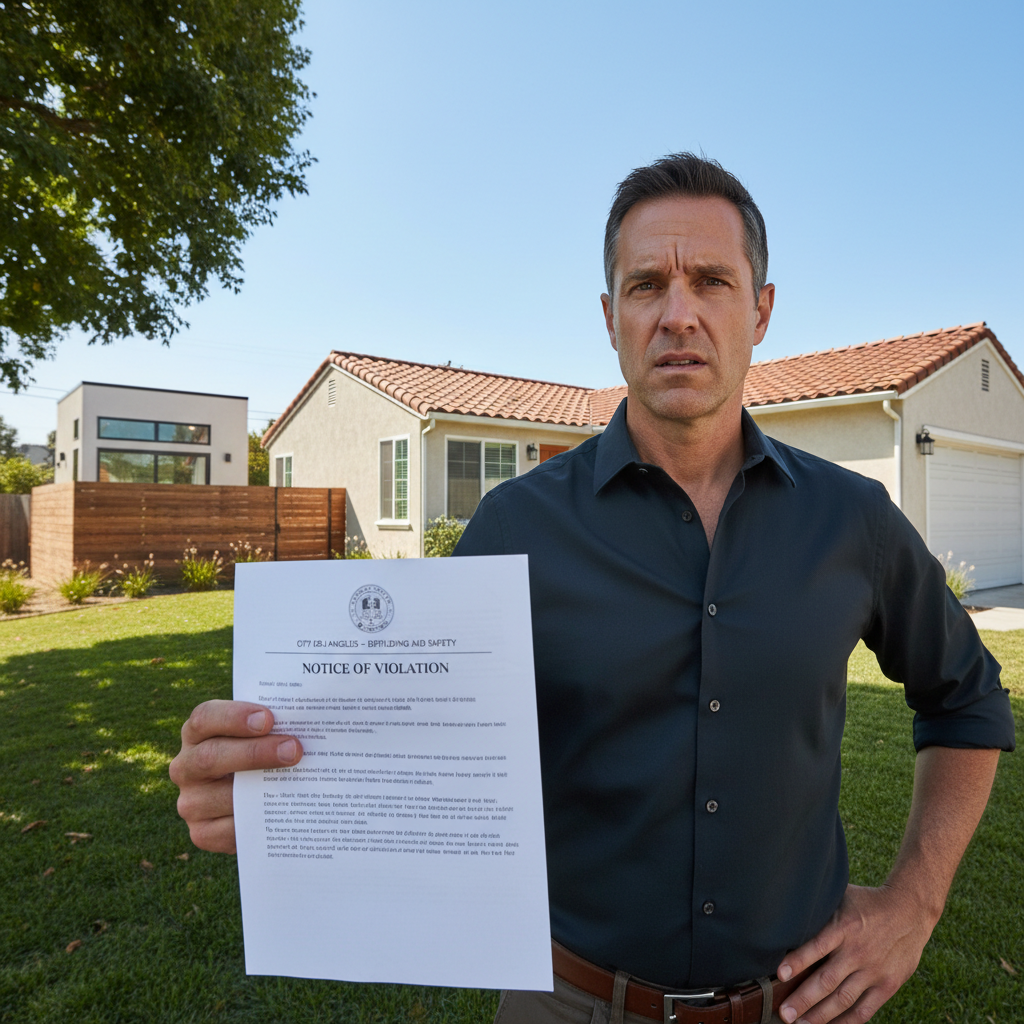
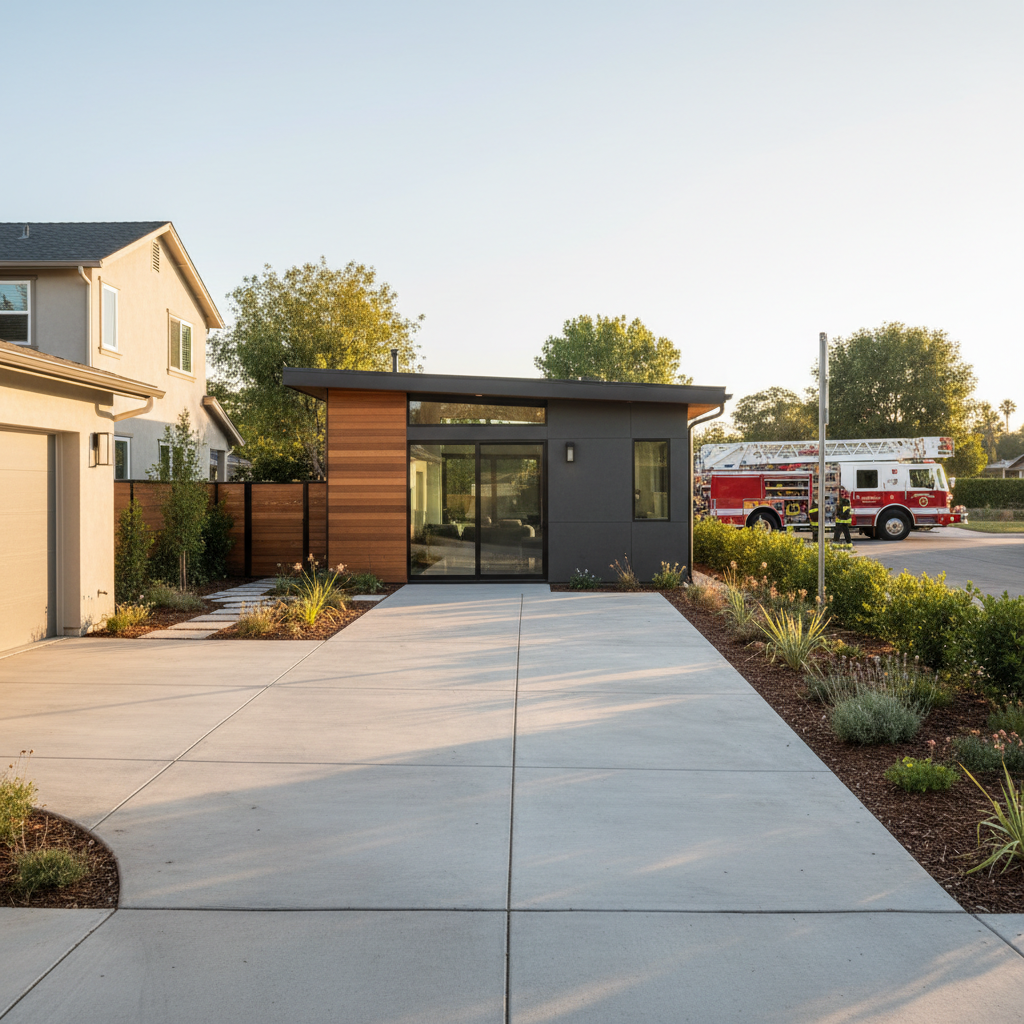
Building an Accessory Dwelling Unit (ADU) in California is an exciting venture, offering homeowners flexibility, rental income, or extra space for family. However, navigating the permitting and approval process can sometimes feel complex, especially when it comes to vital safety requirements. Among the most crucial stages is the ADU fire department review – a comprehensive evaluation ensuring your backyard home meets stringent fire safety and emergency access standards.
This review isn't just a bureaucratic hurdle; it's a fundamental safeguard for your property, your occupants, and the surrounding community. Understanding what an ADU fire department review entails, why it's necessary, and when it occurs can significantly streamline your project and prevent costly delays. At GatherADU, we believe in empowering homeowners with clear, actionable information to make their ADU journey as smooth as possible.
What is an ADU Fire Department Review?
An ADU fire department review is a thorough examination by your local Fire Department (or Fire Marshal's office) of your proposed ADU plans. Their primary goal is to ensure the design and construction of your Accessory Dwelling Unit comply with all applicable fire codes, ordinances, and safety regulations. These regulations are designed to:
- Ensure Life Safety: Protect occupants from fire hazards and provide safe egress in an emergency.
- Protect Property: Minimize the spread of fire to the ADU, primary residence, and neighboring properties.
- Facilitate Emergency Response: Guarantee that fire personnel and equipment can safely and effectively access the site in case of an emergency.
This review goes beyond just checking for smoke detectors. It delves into aspects like emergency vehicle access, water supply for firefighting, building materials, separation distances, and, significantly, fire sprinkler requirements.
Why is an ADU Fire Department Review Necessary?
The necessity of this review stems from several critical factors, particularly in California:
- Public Safety Mandate: Fire departments are tasked with protecting lives and property. New construction, even small ADUs, must adhere to a baseline of safety to prevent tragedies.
- Code Compliance: California has adopted robust building and fire codes, including the California Building Code (CBC) and California Fire Code (CFC), which are regularly updated. These codes include specific provisions for ADUs to address their unique characteristics, such as proximity to existing structures.
- Emergency Access: In an emergency, every second counts. Fire departments need to ensure they can quickly and safely reach any part of your property with their vehicles and equipment. This includes adequate driveway widths, turning radii, and clear pathways.
- Wildland-Urban Interface (WUI) Concerns: Many parts of California are in or near WUI zones, areas where developed land meets undeveloped wildland. In these high-risk areas, fire safety requirements for ADUs (and all structures) are significantly more stringent, focusing on ignition resistance and defensible space.
- Insurance Requirements: Meeting fire safety standards is often a prerequisite for obtaining property insurance, protecting your investment.
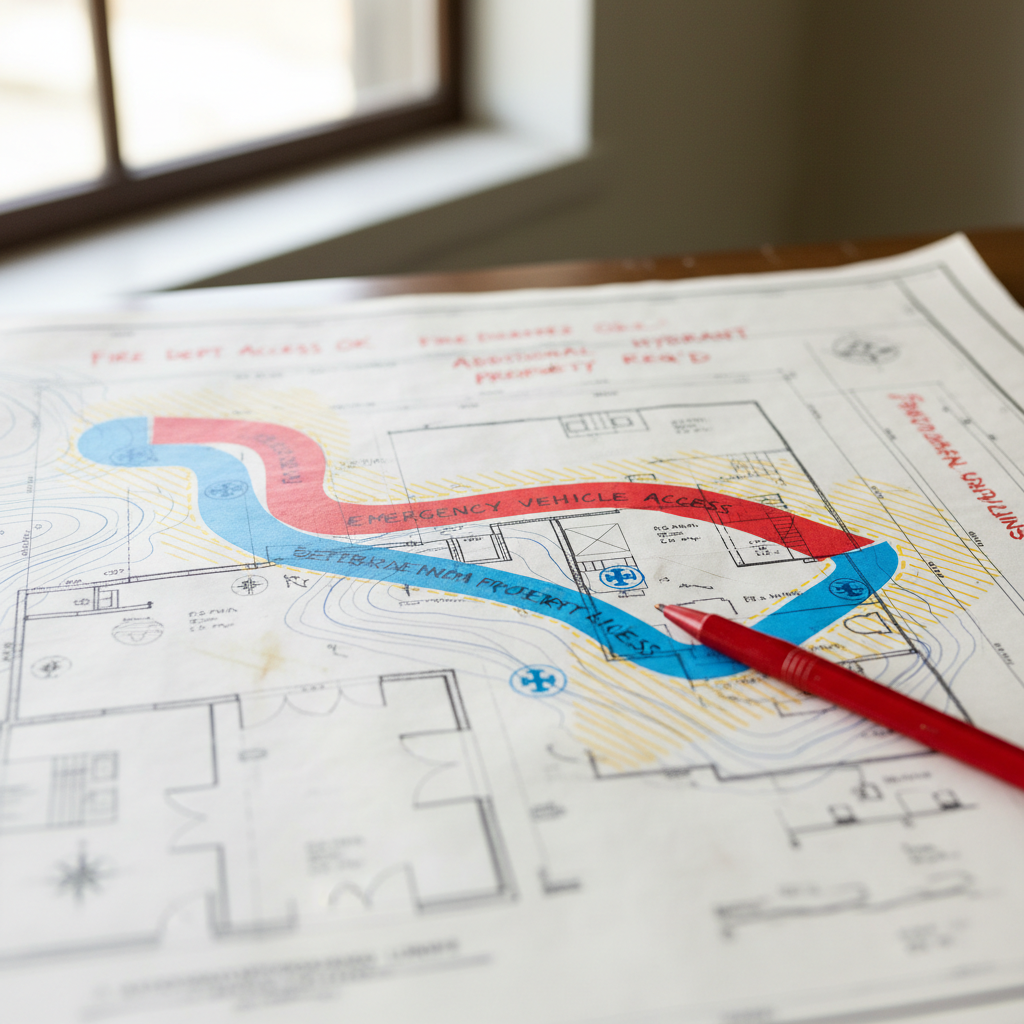
Key Elements Examined During an ADU Fire Department Review
While specific requirements can vary slightly by local jurisdiction, common elements reviewed by fire departments for an ADU include:
1. Emergency Vehicle Access
- Driveway Width and Strength: Sufficient width (often 12-20 feet) and structural integrity to support heavy fire apparatus.
- Turning Radii: Adequate space for large fire trucks to turn around or navigate corners.
- Vertical Clearance: Clear overhead space (typically 13 feet, 6 inches) free of obstructions like tree branches or low-hanging wires.
- Dead-End Access: If your driveway is a dead end, there may be requirements for a turnaround area.
- Gates and Fences: Specifications for emergency access gates, including Knox Box requirements for rapid entry.
2. Water Supply for Fire Suppression
- Fire Hydrants: Proximity and flow rate of existing fire hydrants.
- Fire Sprinkler Systems: This is a significant consideration for ADUs in California. While state law (AB 1033 and others) prohibits local agencies from requiring fire sprinklers for ADUs if sprinklers are not required for the primary residence, there are exceptions. If the primary residence does have sprinklers, the ADU will likely need them too. Additionally, specific local ordinances, WUI requirements, or if the ADU is considered a separate building or has certain square footage, can trigger sprinkler requirements. Understanding these nuances is critical.
3. Building Separation and Fire-Rated Construction
- Distance from Property Lines/Other Structures: ADUs must maintain specific separation distances from the primary dwelling, other accessory structures, and property lines. If these distances cannot be met, fire-rated construction (e.g., walls, eaves, windows designed to resist fire for a specified duration) may be required.
- Ignition-Resistant Materials: Especially in WUI zones, specific exterior materials like roofing, siding, windows, and vents must be ignition-resistant.
4. Egress (Exits)
- Clear Pathways: Ensuring there are clear, unobstructed paths from all habitable rooms to the exterior.
- Window Requirements: Egress windows in bedrooms must meet minimum size and operational standards for emergency escape.
5. Defensible Space (WUI Zones)
For ADUs in WUI areas, defensible space regulations are paramount. This involves creating a buffer zone around the structure by managing vegetation and combustible materials to slow or stop the spread of wildfire. This includes zones of varying distances (e.g., 0-5 feet, 5-30 feet, 30-100 feet) with specific clearance requirements.
Navigating these detailed requirements can be daunting. If you're considering an ADU project, a professional consultation can clarify these points specific to your property. Schedule a free ADU consultation with GatherADU to discuss your specific site and fire safety considerations.
When Does the ADU Fire Department Review Happen?
The fire department review is an integral part of the overall permitting process, occurring at several key stages:
1. During Initial Design and Planning
Ideally, fire safety considerations should be integrated from the very beginning of your ADU design. Working with an experienced designer or builder who understands these codes can help you avoid costly redesigns later. Early consultation with the fire department or a knowledgeable ADU specialist can identify potential issues related to access, water supply, or WUI requirements.
2. With Permit Application Submission
Once your ADU plans are developed, they are submitted to your local planning and building department. As part of this submission, the plans will be routed to the fire department for their review. This is where they thoroughly examine all the elements mentioned above.
3. Plan Check and Corrections
The fire department will review your plans and provide comments or request modifications if any aspects don't meet code. This often involves a back-and-forth process until all concerns are addressed. It's crucial to respond promptly and accurately to these comments.
4. During Construction Inspections
Even after plans are approved, fire department officials may conduct inspections during various phases of construction (e.g., rough framing, before drywall, final inspection) to ensure that what was approved on paper is being built correctly on site. This includes verifying fire-rated assemblies, sprinkler installation, and access pathways.
5. Final Inspection and Occupancy Permit
A final inspection by the fire department (often in conjunction with the building department) is required before a Certificate of Occupancy can be issued. This confirms that all fire safety measures are in place and operational, allowing your ADU to be legally inhabited.
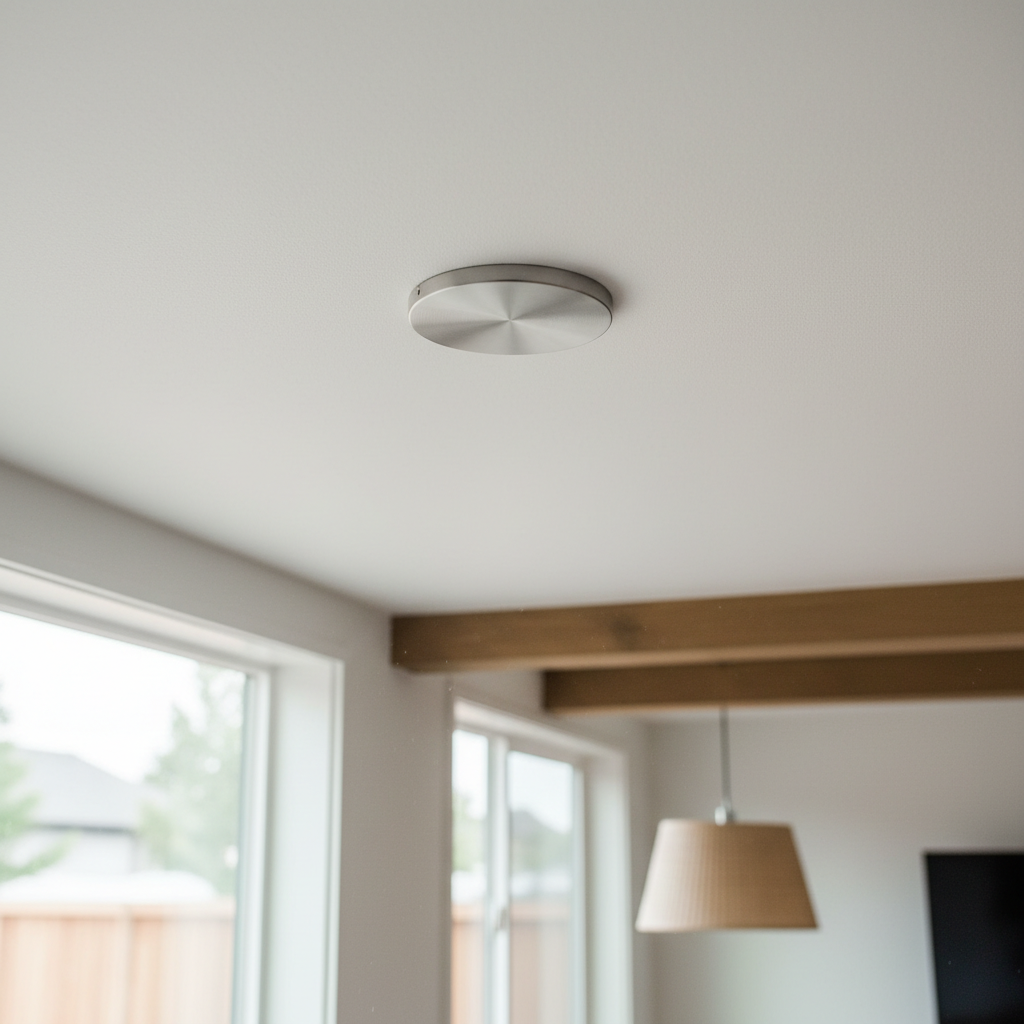
The ADU Fire Review Process: A Step-by-Step Guide
While local processes may vary, here's a general overview of what to expect:
- Design Development: Work with an architect or ADU designer to create plans that incorporate fire safety from the outset, considering access, setbacks, and potential sprinkler needs.
- Preliminary Review (Optional but Recommended): Some jurisdictions offer pre-application meetings or preliminary reviews where you can discuss your plans with the fire department before a formal submission. This can save significant time.
- Permit Application Submission: Submit your complete ADU plans to the local building department. They will then route the plans to the fire department.
- Fire Department Plan Check: Fire officials will meticulously review your architectural and site plans against current fire codes.
- Comments and Revisions: You'll receive a list of comments or deficiencies. Your design team will need to address these, revise the plans, and resubmit them. This cycle may repeat until all issues are resolved.
- Plan Approval: Once the fire department is satisfied, they will stamp the plans as approved, clearing the way for building permit issuance (after other departmental approvals).
- Construction and Inspections: During construction, fire officials will conduct periodic inspections to verify compliance with the approved plans.
- Final Approval: A final inspection confirms all fire safety elements are correctly installed and functional, leading to the Certificate of Occupancy.

Common Challenges and How to Overcome Them
The ADU fire department review can present hurdles, but foresight and expert guidance can mitigate most issues:
- Unexpected Sprinkler Requirements: This is a frequent point of confusion. Research local ordinances early and understand state exceptions.
- Inadequate Emergency Access: Older properties, long driveways, or properties with narrow access points often face challenges. Creative solutions might include fire department turnarounds, specific gate designs, or even alternative access points.
- WUI Zone Complexity: If you're in a WUI area, the added layer of defensible space and ignition-resistant material requirements can be complex.
- Lengthy Review Times: Fire departments, like other municipal agencies, can have backlogs. Thorough, accurate initial submissions reduce the need for multiple revisions and speed up the process.
Overcoming these challenges often requires a deep understanding of local codes and a collaborative approach with city officials. This is where an experienced ADU builder like GatherADU becomes invaluable.
Partnering with Professionals for a Smooth Review
Given the complexities of an ADU fire department review, engaging with experienced professionals is not just helpful—it's often essential. A qualified ADU design and build company:
- Understands Local Codes: They stay up-to-date with the latest California Building Code, Fire Code, and local amendments specific to ADUs.
- Designs for Compliance: They integrate fire safety measures into the design from day one, minimizing revisions.
- Navigates the Review Process: They know the specific requirements of local fire departments and can effectively communicate with officials on your behalf.
- Manages Inspections: They ensure construction adheres to approved plans and are present for inspections to address any questions.
Don't let the intricacies of the fire department review deter you from your ADU dream. With the right team, you can confidently navigate this critical step. Get your free project estimate and see how GatherADU can simplify your ADU journey.
Conclusion
The ADU fire department review is a non-negotiable, yet manageable, part of building an Accessory Dwelling Unit in California. It underscores a commitment to safety and compliance that ultimately protects your investment and ensures peace of mind. By understanding its purpose, key elements, and timeline, you can approach this phase with confidence. Partnering with seasoned ADU professionals, like GatherADU, who are intimately familiar with California's specific fire codes and local review processes, can transform a potentially complex challenge into a smooth, successful step toward your new backyard home.
Ready to build your ADU with confidence and ensure all fire safety requirements are met from the start? Book a free ADU consultation with GatherADU today and let us guide you through every step of the process.