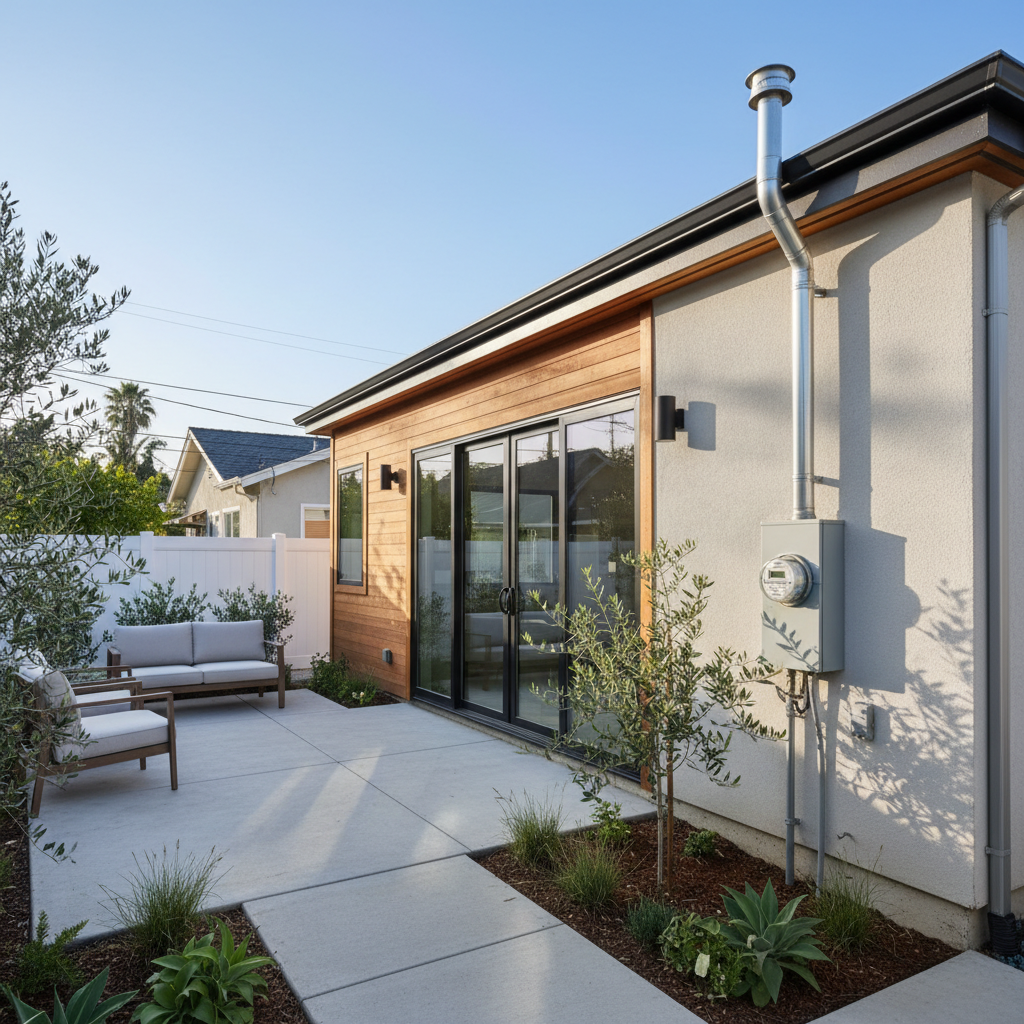
Building an Accessory Dwelling Unit (ADU) in California is an exciting venture, offering homeowners flexibility, rental income, or extra space for family. However, beyond the aesthetic appeal and functional design, ensuring the safety and compliance of your new backyard home is paramount. Among the many critical inspections, understanding the combustion safety test ADU requirements is essential, especially when your ADU includes gas-fired appliances.
This comprehensive guide from GatherADU will demystify combustion safety tests for ADUs, explaining what they entail, why they are so crucial, and when they are legally required for your ADU's mechanical systems. We’ll cover everything from the basic principles to specific California regulations, ensuring you’re well-informed for your ADU project.
What Exactly Is a Combustion Safety Test?
A combustion safety test is a specialized inspection designed to evaluate the safe operation of fuel-burning appliances within a home, including an ADU. These appliances typically use natural gas, propane, or oil to generate heat or power, and include:
- Furnaces and boilers
- Water heaters (tank and tankless)
- Gas stoves, ranges, and ovens
- Gas fireplaces
- Clothes dryers
The primary goal of this test is to ensure that these systems are operating efficiently and, most importantly, safely, preventing the release of dangerous byproducts like carbon monoxide (CO) into the living space. It also verifies proper venting of combustion gases and checks for fuel leaks.
Key Aspects of a Combustion Safety Test:
- Carbon Monoxide (CO) Detection: CO is a colorless, odorless, and highly toxic gas produced by incomplete combustion. The test identifies if any CO is spilling into the conditioned space.
- Proper Venting and Draft: Ensures that flue gases (hot exhaust) are being safely directed outside through the chimney or vent system, preventing them from accumulating indoors.
- Fuel Leak Detection: Checks for any leaks in gas lines or appliance connections, which can pose explosion or fire hazards.
- Adequate Combustion Air: Verifies that appliances have enough fresh air to burn fuel completely and efficiently, preventing CO production.
- Appliance Efficiency: While safety is primary, the test also assesses if appliances are burning fuel efficiently, which can impact energy consumption.
Why Is a Combustion Safety Test Crucial for Your ADU?
The importance of a combustion safety test cannot be overstated. It's not just about meeting building codes; it's about protecting the occupants of your ADU and your property.
1. Health and Safety Protection
- Preventing Carbon Monoxide Poisoning: This is the most critical reason. Malfunctioning gas appliances can produce lethal levels of CO. A combustion safety test identifies these issues before they become life-threatening.
- Mitigating Fire and Explosion Hazards: Gas leaks, if undetected, can lead to fires or explosions. Testing ensures all connections are secure and leak-free.
2. Regulatory Compliance and Permitting
In California, building codes, particularly the California Building Standards Code (Title 24), mandate specific safety measures for new construction and significant renovations. A combustion safety test is often a required step in the permitting and inspection process for any ADU equipped with gas-fired mechanical systems.
3. Appliance Efficiency and Longevity
Appliances that combust fuel inefficiently not only pose safety risks but also waste energy and can lead to premature wear and tear. The test helps ensure your ADU's systems are running optimally, saving you money on utility bills and extending the lifespan of your equipment.
4. Peace of Mind
Knowing that your ADU's mechanical systems have been thoroughly inspected and certified safe provides invaluable peace of mind, whether you're renting it out or housing family members.
When Is a Combustion Safety Test Required for ADU Mechanical Systems?
Understanding the timing of these tests is key to a smooth ADU construction process. Requirements can vary slightly by local jurisdiction, but generally, a combustion safety test is necessary in the following scenarios for your ADU:
1. New ADU Construction
If your new ADU will include any gas-fired appliances (furnace, water heater, stove, etc.), a combustion safety test will be a mandatory part of the final mechanical inspection before your ADU can receive its certificate of occupancy. This ensures that all new installations meet safety standards from day one.
2. Renovation or Appliance Replacement/Relocation
If you're converting an existing structure into an ADU and installing new gas appliances, or if you're replacing old gas appliances with new ones, a combustion safety test is typically required. Similarly, if you relocate existing gas appliances within the ADU, altering their venting or gas lines, a test will likely be mandated by your local building department.
3. Utility Service Changes
In some cases, if your property undergoes a significant change in gas utility service (e.g., a new gas meter, major line upgrades that impact pressure), local authorities might require a re-evaluation of appliance safety.
4. After Remediation of Known Issues
If a previous inspection or incident revealed issues with combustion appliances (e.g., a CO alarm activation), a test is essential after repairs to confirm the problem has been fully resolved and the system is operating safely.
It's always best to consult with your ADU builder and the local building department in your California city or county to understand the specific requirements for your project. Navigating these regulations can be complex, but with GatherADU, you don't have to navigate them alone. Our team is well-versed in all California ADU requirements, ensuring your project meets every safety and building code standard. Get a free project estimate and let us guide you through the process.
The Combustion Safety Test Process: What to Expect
A combustion safety test is performed by qualified professionals, typically licensed HVAC technicians or certified home inspectors with specialized training in combustion analysis. Here’s a general overview of what the process involves:
- Visual Inspection: The technician will visually inspect all gas appliances, their venting systems, and surrounding areas for obvious damage, blockages, or improper installations. They'll check the condition of the flue pipes, the presence of adequate combustion air openings, and the general state of the equipment.
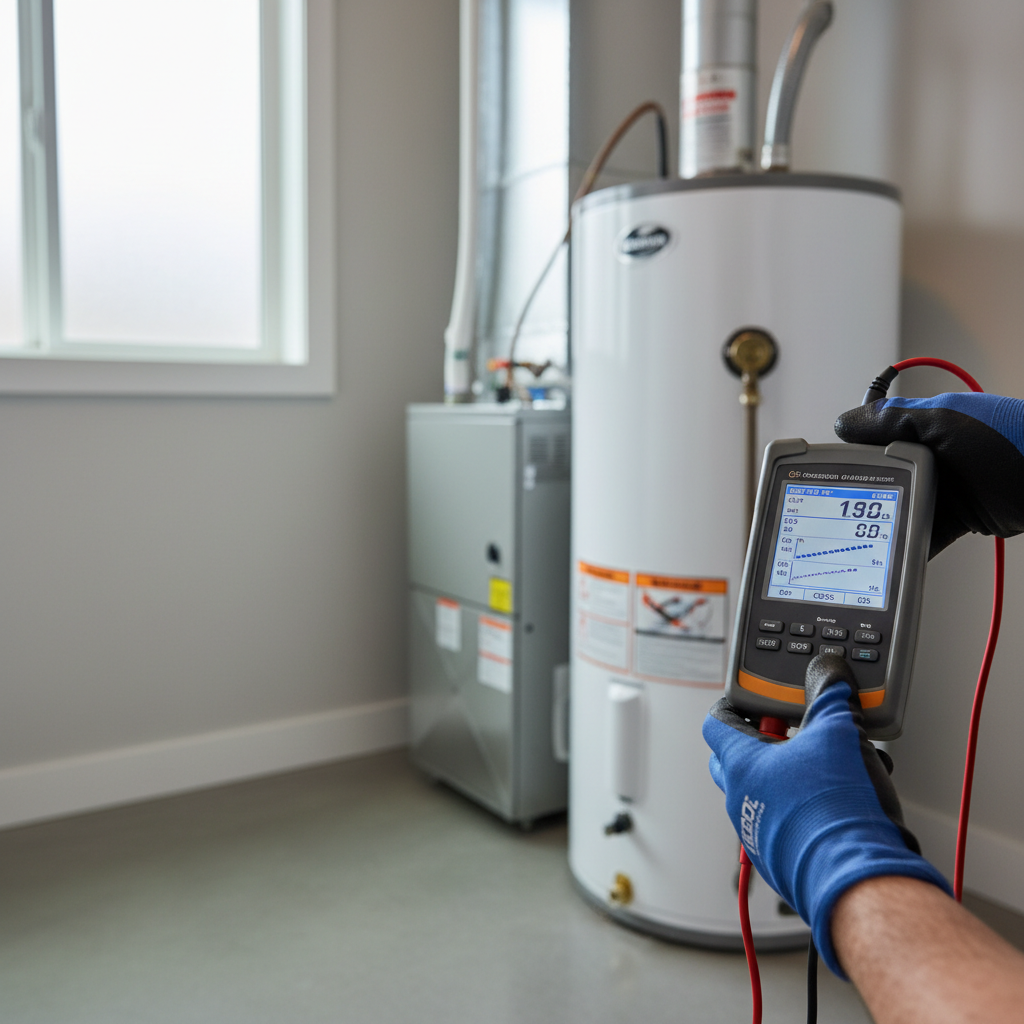
- Combustion Analysis (Flue Gas Analysis): Using a specialized tool called a combustion analyzer, the technician measures the composition of the flue gases directly from the appliance's exhaust. This provides readings for oxygen, carbon dioxide, and crucially, carbon monoxide levels (CO ppm) in the exhaust. These readings indicate how efficiently the fuel is burning and if excessive CO is being produced.
- Draft Testing: This test verifies that the flue gases are being pulled up and out of the vent system properly. Poor draft can lead to flue gases (and CO) spilling back into the living space.
- CO Spillage Testing: The technician will test the area around the draft hood or vent of natural draft appliances (like many water heaters) to detect if any combustion gases are spilling into the room rather than exiting through the vent.
- Gas Leak Detection: A sensitive gas leak detector is used to check all gas connections, valves, and lines for even minute leaks.
- Carbon Monoxide Detector Verification: The technician may also verify the proper placement and function of CO detectors within the ADU.
Upon completion, the technician will provide a report detailing their findings and any recommendations for repair or adjustment if issues are found. It's crucial that any deficiencies are addressed promptly to ensure the safety of your ADU.
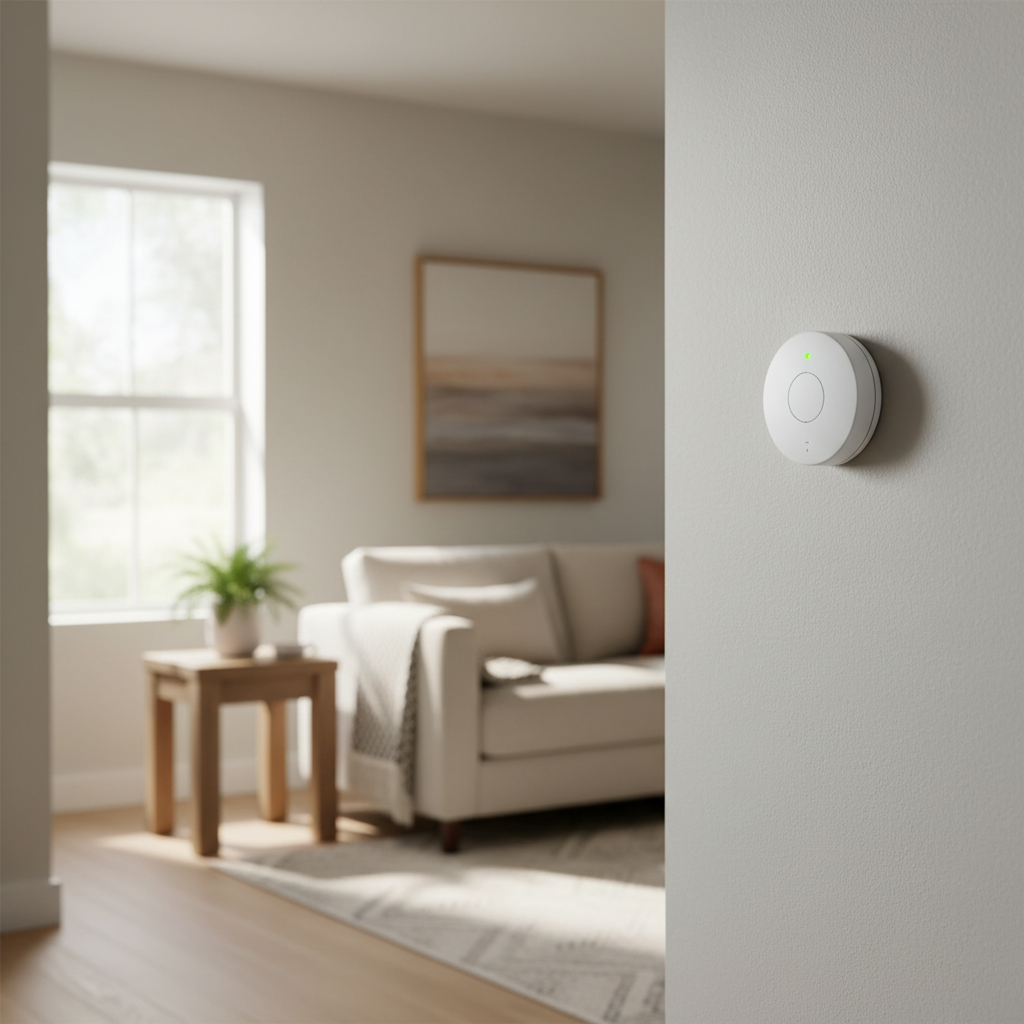
Common Issues Found During a Combustion Safety Test
While many systems pass with flying colors, some common problems identified during these tests include:
- High Carbon Monoxide Levels: Indicating incomplete combustion, often due to poor air-fuel mixture or insufficient combustion air.
- Backdrafting/Spillage: Flue gases entering the living space instead of venting outdoors, usually due to blocked flues, negative indoor air pressure, or improper vent sizing.
- Gas Leaks: From connections, valves, or even the appliance itself.
- Cracked Heat Exchangers: In furnaces, a cracked heat exchanger can allow combustion gases (including CO) to mix with the heated air circulated throughout the home.
- Improper Venting: Incorrectly sized, sloped, or damaged vent pipes can impede the safe removal of exhaust gases.
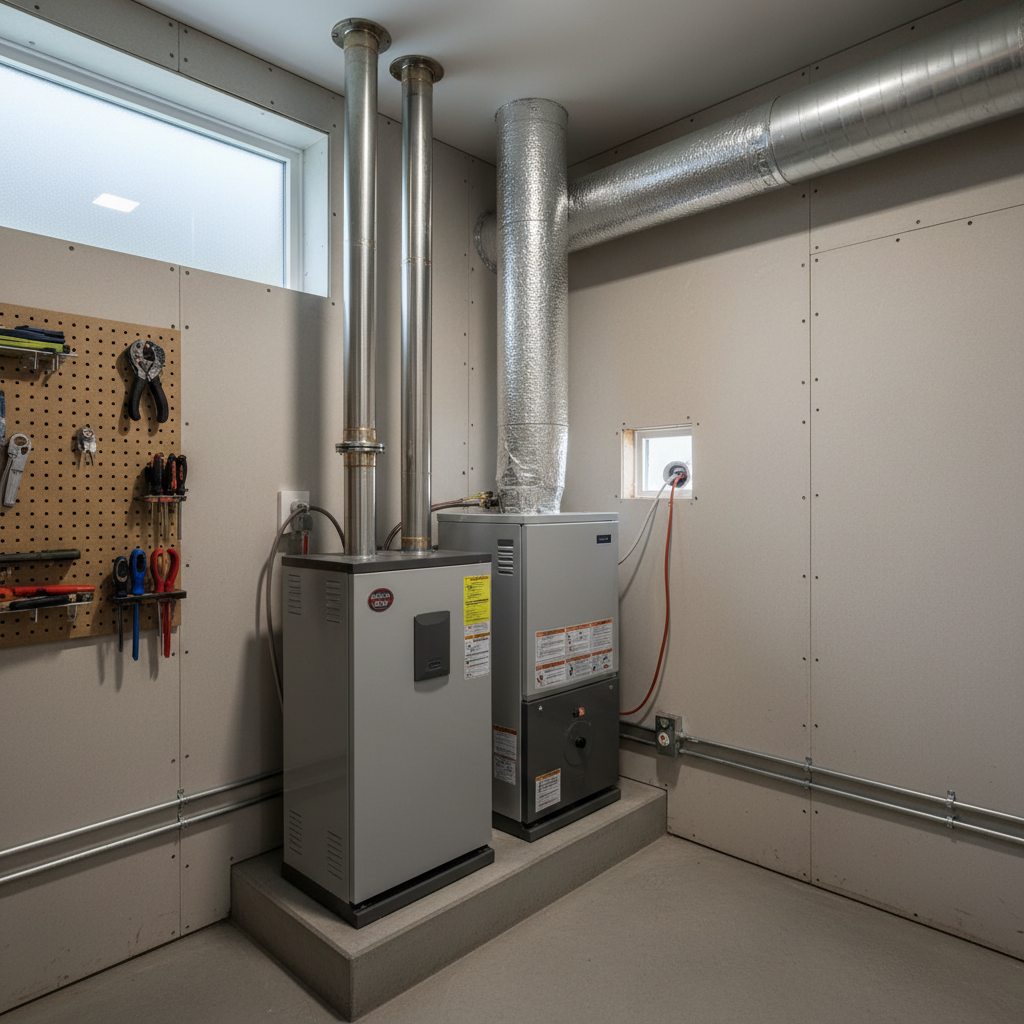
Ensuring Your ADU Passes the Test and Stays Safe
To ensure your ADU not only passes its initial combustion safety test but remains safe for years to come:
- Hire Qualified Professionals: From your ADU designer and builder to your HVAC installer, ensure all contractors are licensed, experienced, and knowledgeable about current safety codes.
- Install Carbon Monoxide Detectors: Install UL-listed CO detectors in appropriate locations within your ADU, as required by code and for added safety.
- Schedule Regular Maintenance: Even after passing the initial test, annual maintenance of gas appliances by a qualified technician can prevent future issues and ensure continued safe operation.
- Never Block Vents or Air Intakes: Ensure that combustion air openings and appliance vents are never obstructed.
GatherADU's Commitment to Safety and Compliance
At GatherADU, we understand that building a safe and compliant Accessory Dwelling Unit is just as important as building a beautiful and functional one. Our design and construction processes are meticulously planned to meet and exceed all California building codes, including rigorous standards for mechanical systems and combustion safety. We partner with licensed professionals who are experts in their fields, ensuring every component of your ADU is installed correctly and safely.
As you navigate the complexities of ADU construction, ensuring every detail meets stringent safety standards is paramount. If you're ready to start your ADU journey with a team that prioritizes safety, compliance, and your peace of mind, we invite you to book a free ADU consultation with GatherADU. We'll help you understand all requirements, including combustion safety tests, from concept to completion.
Conclusion
The combustion safety test is a non-negotiable step in building a safe and compliant ADU, particularly when gas-fired appliances are involved. It’s a critical measure to protect occupants from the silent dangers of carbon monoxide and other combustion hazards. By understanding what these tests entail, why they are required, and when they occur, you can ensure your ADU project proceeds smoothly and results in a living space that is both comfortable and secure.
Don't leave the safety of your ADU to chance. Partner with GatherADU, California's trusted ADU experts, to ensure your backyard home is not only beautiful and functional but also meets every critical safety standard, including comprehensive combustion safety testing. Schedule your free consultation today and build with confidence.