In the vibrant landscape of California, where Accessory Dwelling Units (ADUs) are rapidly transforming backyards into valuable living spaces, structural integrity is not just a buzzword—it's a non-negotiable necessity. When discussing the robust construction of an ADU, one often overlooked yet profoundly critical component is the "hold-down." If you've ever heard this term in the context of building and wondered about its significance, you're in the right place. ADU hold-downs are unsung heroes in ensuring the safety and longevity of your backyard home, acting as vital anchors that resist the formidable forces of nature, particularly prevalent in seismic zones like California. Understanding what a hold-down is, how it works, and why it's indispensable for your ADU is paramount for any homeowner considering or undergoing construction.
What Exactly is a Hold-Down?
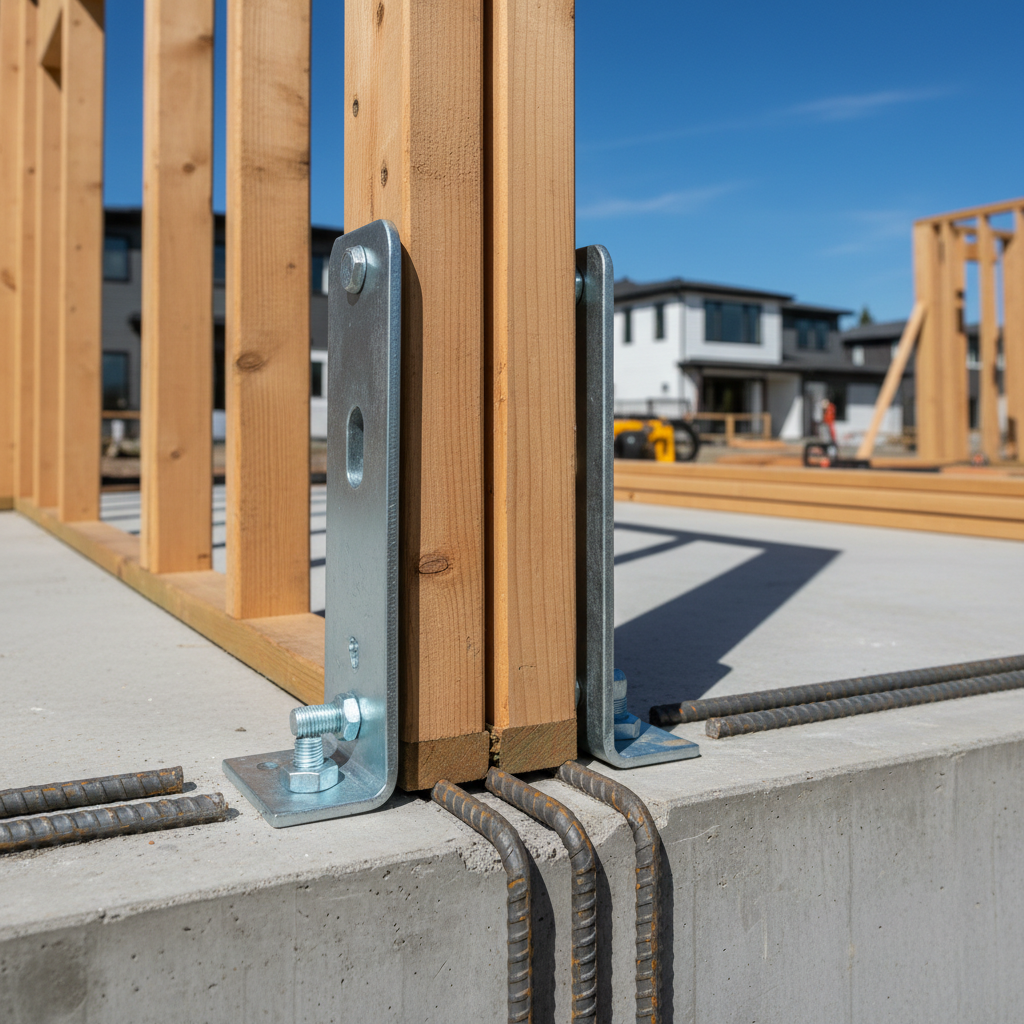
At its core, a hold-down is a specialized hardware device engineered to resist uplift and lateral forces in a building's structure. Imagine a strong anchor, often made of steel, securely connecting the wooden framing of your ADU to its concrete foundation. Its primary job is to prevent the walls of your structure from lifting off the foundation or sliding horizontally during extreme events. In essence, hold-downs work in conjunction with other structural elements, like shear walls, to create a continuous load path that effectively transfers forces from the roof, through the walls, and down into the foundation, ultimately dispersing them into the ground.
The Forces at Play: Why ADUs Need Hold-Downs
California is renowned for its seismic activity, and while modern building codes have evolved to address this, the threat of earthquakes remains a primary concern for any new construction, including ADUs.
Seismic Activity (Earthquakes)
During an earthquake, the ground moves rapidly and unpredictably, creating immense lateral (sideways) forces that push and pull on a building. Without proper anchoring, these forces can cause the structure to literally slide off its foundation or collapse. Hold-downs prevent this separation, ensuring the ADU remains firmly attached to its base, allowing the entire structure to move as a more cohesive unit, significantly reducing the risk of structural failure and protecting occupants.
Wind Uplift and Lateral Forces
Beyond earthquakes, strong winds can exert significant pressure on a building, both pushing laterally and attempting to lift the roof and walls. Coastal areas and regions with high wind exposure are particularly susceptible. Hold-downs counteract these uplift forces, keeping the roof and walls securely fastened to the foundation, preventing catastrophic structural failure. This is especially crucial for taller ADUs or those with larger roof overhangs that can act like wings in high winds.
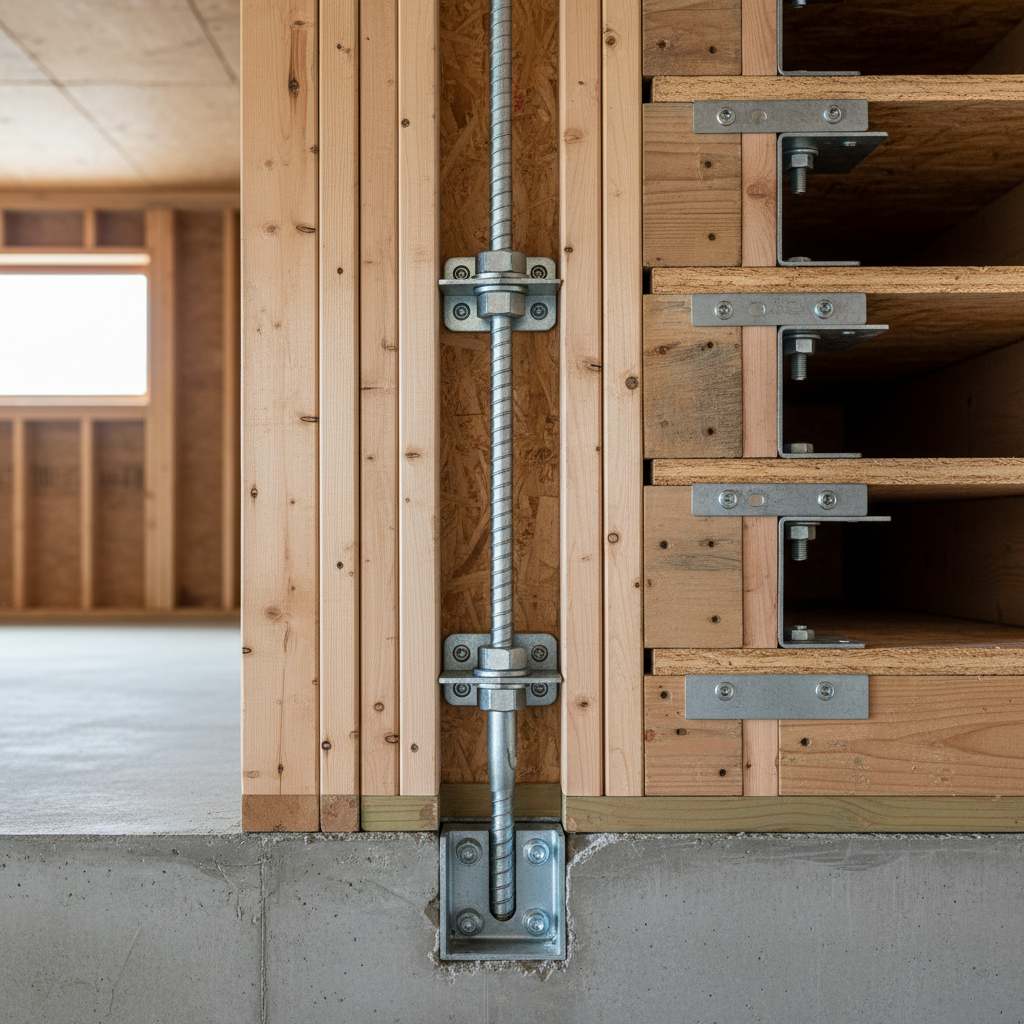
Types of Hold-Downs in ADU Construction
While the principle remains the same, hold-downs come in various forms, each designed for specific applications and load requirements:
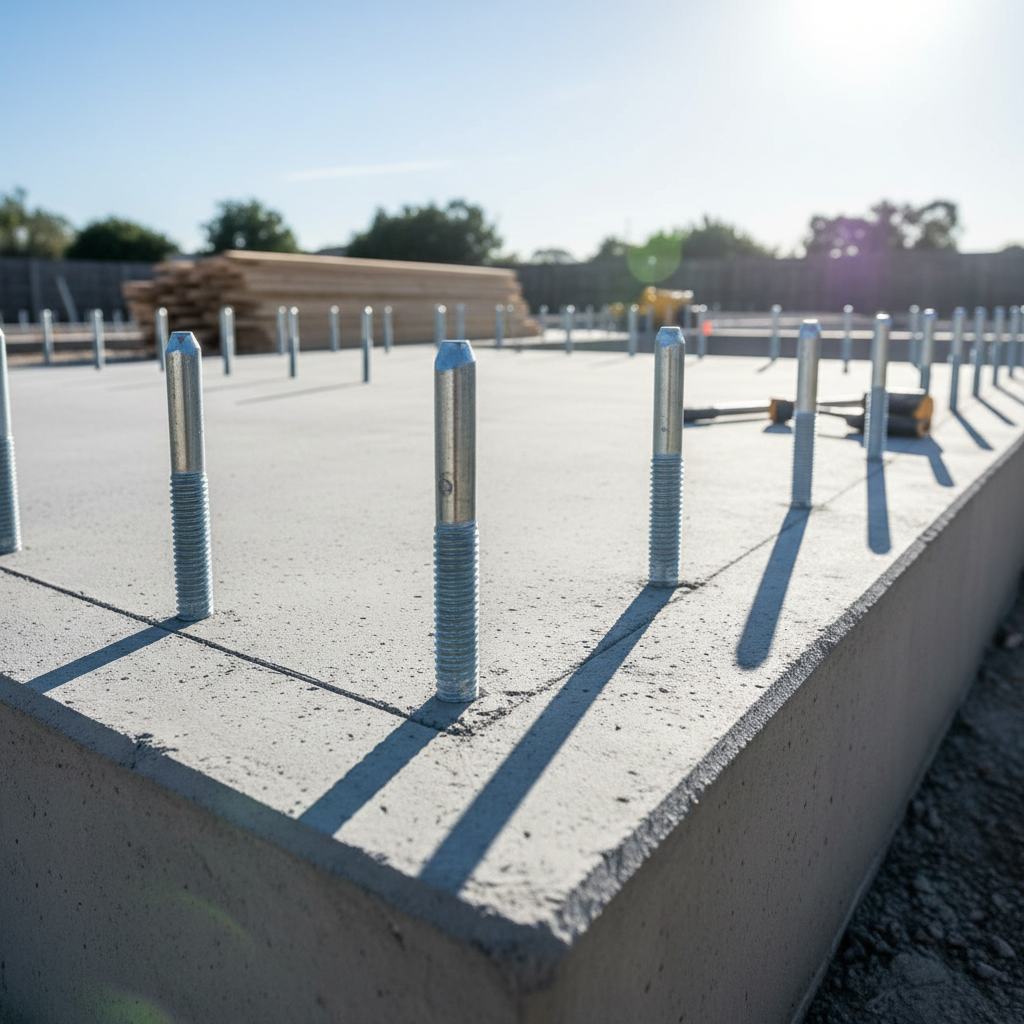
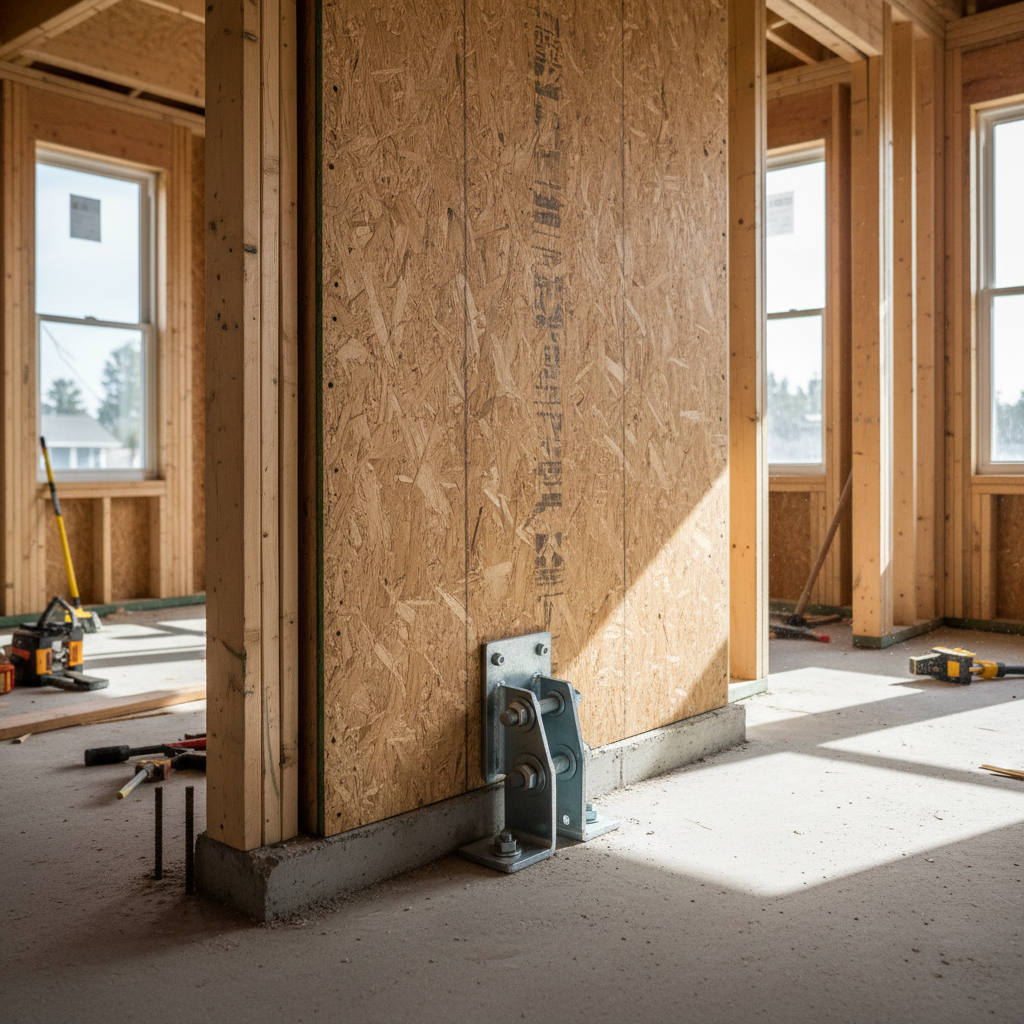
- Foundation Plate Hold-Downs: These are among the most common. They often involve heavy-duty steel straps or brackets that are bolted to the sill plate (the lowest wooden member of a wall frame) and then embedded into or securely bolted to the concrete foundation. Anchor bolts extending from the foundation are often used in conjunction with these.
- Continuous Rod Hold-Down Systems: For taller or more heavily loaded shear walls, continuous rod systems may be employed. These involve a threaded steel rod running vertically from the foundation, up through the wall studs, and connected at various floor levels and the roof. This creates an extremely strong, continuous connection that can withstand very high uplift forces, distributing them more evenly throughout the structure.
- Proprietary Systems: Manufacturers like Simpson Strong-Tie have developed a wide array of specialized hold-down connectors designed for specific structural needs. These often feature unique designs for ease of installation and superior performance, and are engineered to meet stringent building code requirements for specific load capacities.
How Hold-Downs Work with Your ADU's Structure
To truly appreciate the importance of ADU hold-downs, it's crucial to understand their role within the broader structural system, particularly their relationship with shear walls.
The Shear Wall Connection
Shear walls are rigid vertical elements designed to resist lateral forces, preventing a building from racking (skewing out of shape) during an earthquake or high winds. They are typically constructed with plywood or OSB sheathing nailed strategically to wall studs. While shear walls resist the lateral push, they also tend to lift at their ends (called 'overturning') due to the same forces. This is where hold-downs become indispensable. A hold-down is installed at each end of a shear wall, firmly anchoring it to the foundation. This prevents the wall from overturning, allowing it to effectively perform its function of transferring lateral loads down to the foundation. Without hold-downs, even the strongest shear wall could fail by simply lifting off its base, undermining the entire building's stability.
Engineering an ADU for Resilience: The Design Process
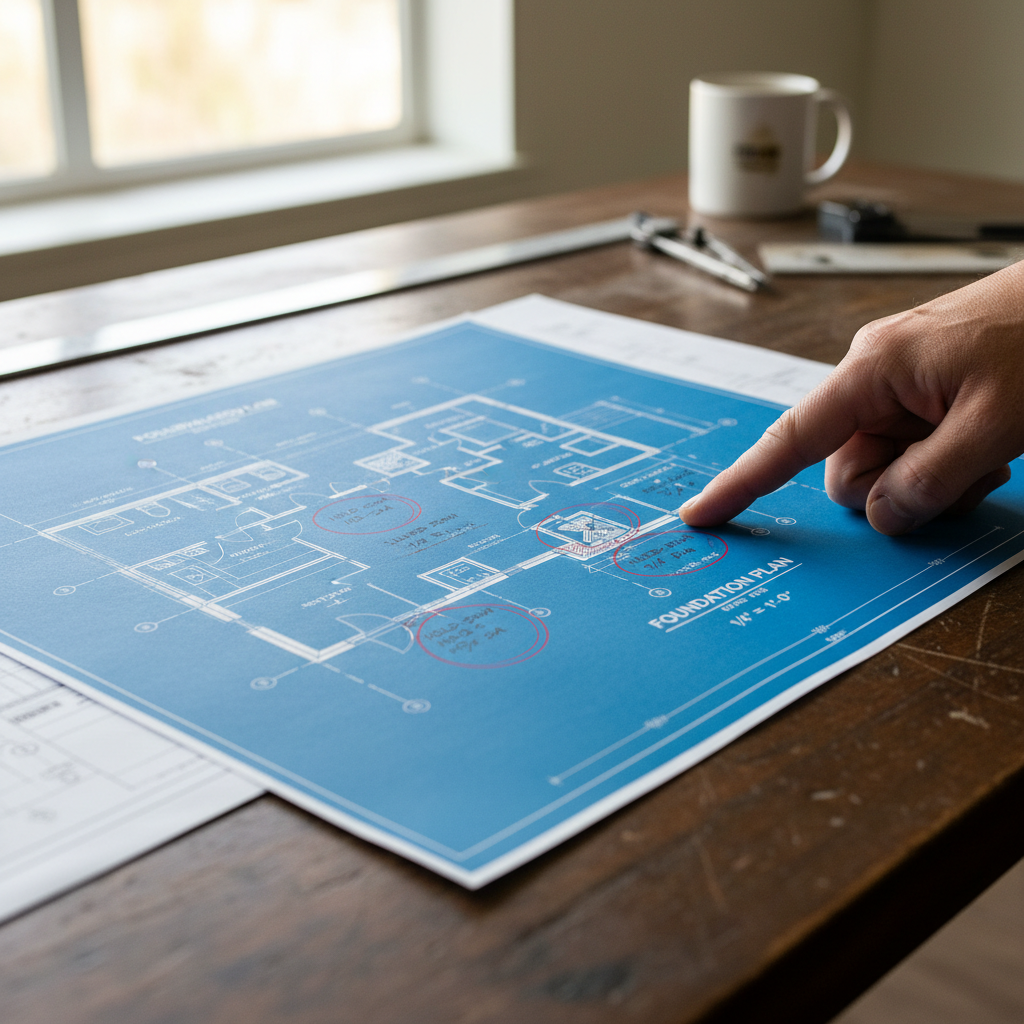
The integration of hold-downs is not an afterthought; it's a critical component of the structural engineering design phase for any ADU.
The Role of a Structural Engineer
A licensed structural engineer is paramount in determining the precise type, size, and placement of every hold-down in your ADU. They perform complex calculations based on:
- The ADU's size, weight, and occupancy.
- Anticipated seismic loads specific to the property's location (seismic design category).
- Wind loads and their directionality.
- Soil conditions and their bearing capacity.
- The overall structural design and load paths, ensuring forces are effectively transferred.
Their expertise ensures that the hold-downs are adequately sized and spaced to resist the maximum anticipated forces, providing the necessary safety margin as mandated by building codes.
Building Code Compliance (California Specific)
California has some of the most stringent building codes in the nation, particularly concerning seismic design. The California Residential Code (CRC) and California Building Code (CBC) mandate specific requirements for hold-downs and shear wall construction for ADUs. Adhering to these codes is not just a legal obligation; it's a fundamental aspect of building a safe, durable, and insurable structure. Your structural engineer and builder will ensure that all hold-down installations meet or exceed these rigorous standards, guaranteeing compliance and safety.
Installation Matters: Ensuring Effectiveness
Even the best-designed hold-down system is only as effective as its installation. Proper installation is critical to its performance.
- Precision and Adherence to Plans: Hold-downs must be installed exactly as specified in the structural plans, including the correct type of connectors, number of nails/bolts, and proper embedment into concrete. Any deviation can compromise their effectiveness.
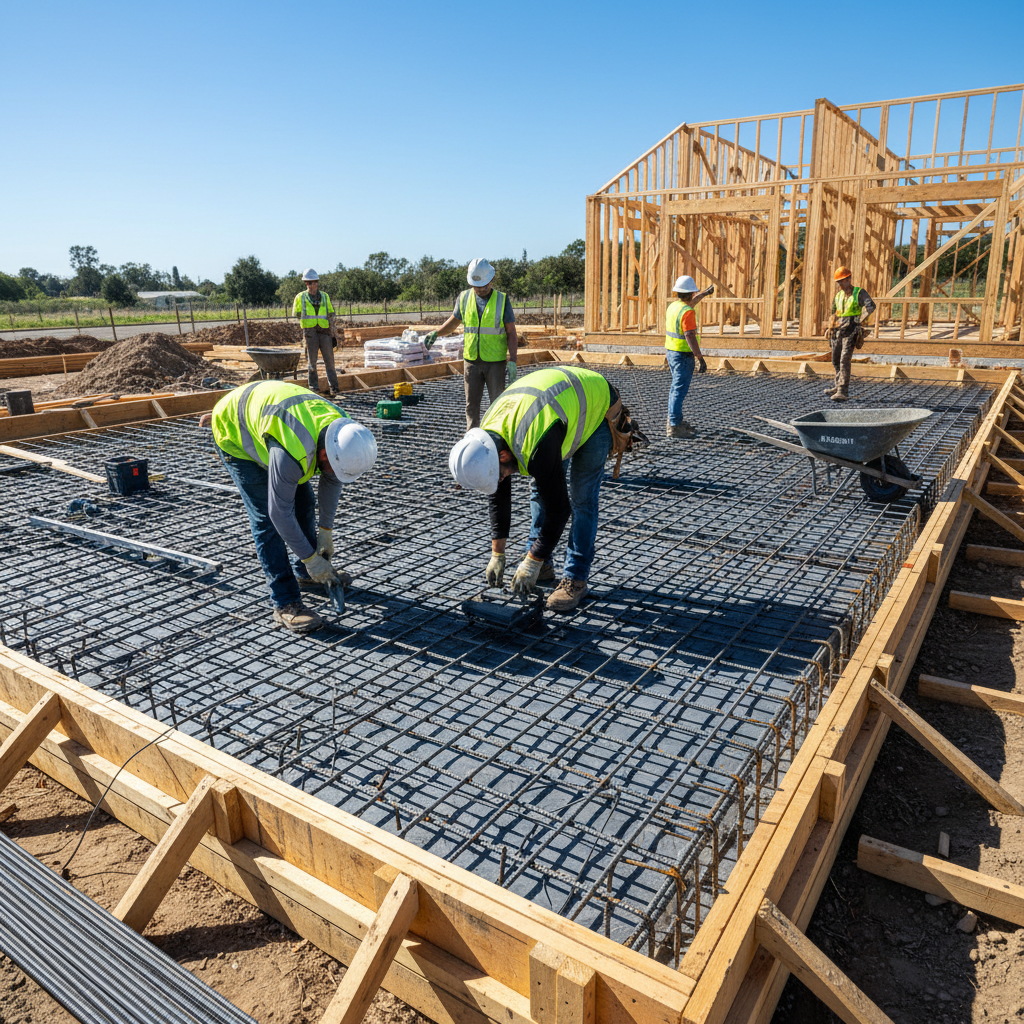
- Quality Control: During construction, regular inspections are conducted by city or county building officials. These inspections specifically check for the correct installation of hold-downs and other structural connections. Failing these inspections can lead to costly delays and rework, underscoring the importance of doing it right the first time.
- Consequences of Faulty Installation: If hold-downs are improperly installed—missing, undersized, or incorrectly fastened—the entire structural system is compromised. In a seismic event or high winds, this could lead to significant damage, partial collapse, or even complete structural failure, posing severe risks to occupants and property.
This highlights why choosing a builder with a strong track record of quality and code compliance is so important for your ADU project. For a partner that prioritizes meticulous structural integrity from concept to completion, consider GatherADU. We invite you to get your free ADU project estimate and discuss how we ensure the resilience of your new backyard home.
Beyond the Basics: What Homeowners Should Know
As an ADU homeowner or prospective builder, understanding the role of hold-downs empowers you to ask informed questions and appreciate the depth of engineering that goes into your investment. It's not just about aesthetics and finishes; it's about the unseen structural integrity that protects your loved ones and your asset. Don't hesitate to discuss structural details, including hold-downs, with your ADU builder and design team. A reputable builder will welcome these questions and be transparent about their commitment to exceeding safety standards.
Understanding these critical structural elements is part of building smart and building safe. If you're embarking on an ADU project in California and want to ensure every aspect of its design and construction meets the highest standards for safety and longevity, it's wise to partner with experienced professionals. To explore how GatherADU integrates superior structural engineering into every project, you can learn more about our ADU design and build process.
Conclusion
In the complex world of ADU construction, ADU hold-downs may seem like small components, but their role is monumental. These unassuming steel connectors are the silent guardians of your backyard home, providing the crucial link between your ADU's frame and its foundation, enabling it to stand resilient against the powerful forces of nature. Especially in seismically active California, prioritizing robust structural engineering, including correctly specified and installed hold-downs, is not just a regulatory requirement—it's a commitment to safety, durability, and the long-term value of your investment.
When you choose to build with GatherADU, you're not just getting a beautiful ADU; you're getting a meticulously engineered and constructed structure designed for peace of mind. We pride ourselves on our unwavering commitment to structural excellence and adherence to California's rigorous building codes. Ready to build an ADU that's not only stunning but also exceptionally safe and resilient? Contact GatherADU today for your free ADU project consultation and let us help you bring your vision to life with confidence.