If you've been researching ways to keep your family close while still giving everyone their own space, you've probably come across the term "mother-in-law suite." It's one of those phrases that gets thrown around a lot in real estate listings and home renovation shows, but what does it actually mean? And more importantly, is it the right choice for your family?
I've spent years helping families in Southern California figure out the best living arrangements for their unique situations. Some want their aging parents nearby so they can help out when needed. Others have adult children returning home after college and everyone agrees that a little separation makes for happier holidays. Whatever your reason, understanding what a mother-in-law suite is and how it works will help you make the right decision for your property and your family.
The Basic Definition: What Exactly Is a Mother-in-Law Suite?
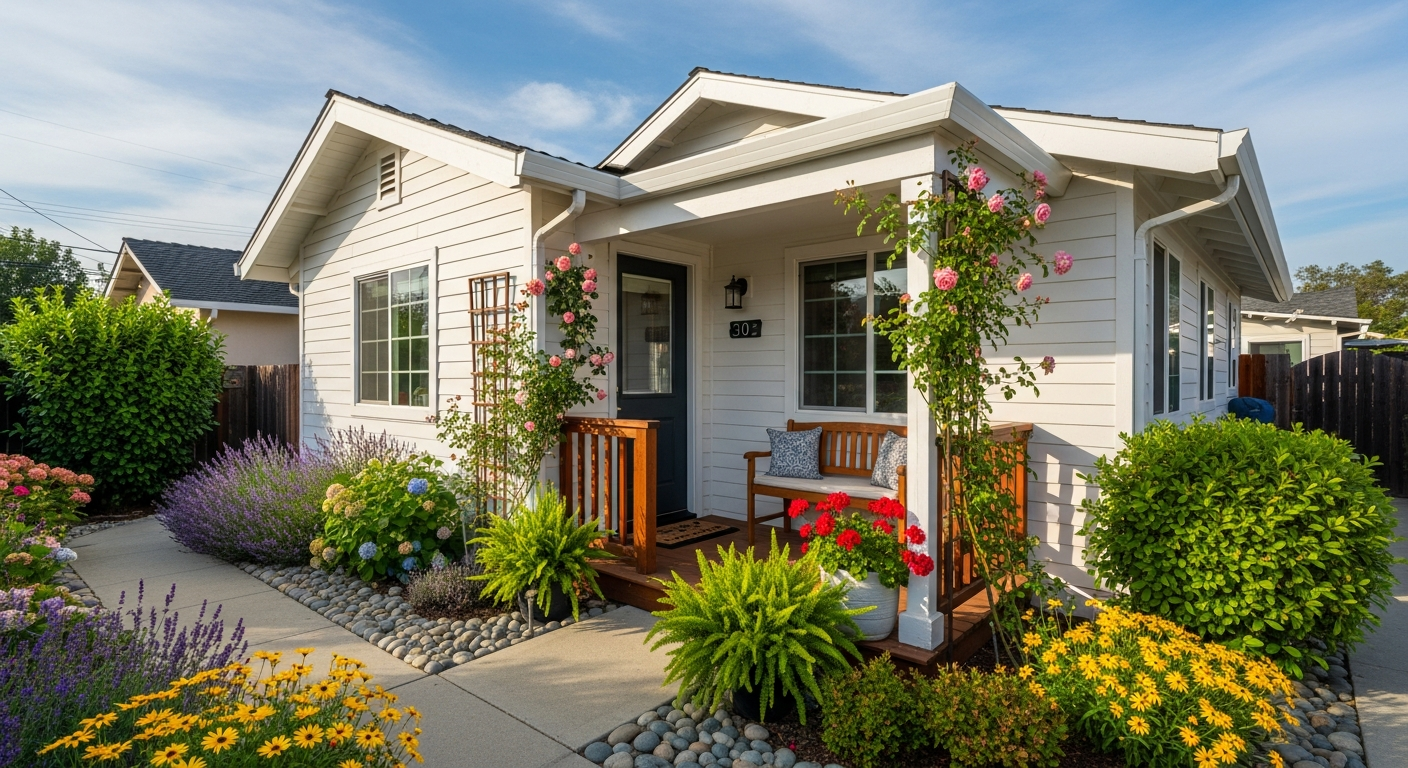
A mother-in-law suite, sometimes called an in-law apartment, granny flat, or secondary suite, is a private living space within or attached to a single-family home. The name comes from the common practice of creating a space for a spouse's mother to live, though of course these spaces can house any family member or even serve as rental units.
What makes a mother-in-law suite different from just having an extra bedroom? The key distinction is self-sufficiency. A true mother-in-law suite includes its own bathroom, sleeping area, and usually some kind of kitchen or kitchenette. The person living there can function independently without needing to share the main home's kitchen or bathroom facilities.
According to a 2023 study from the Pew Research Center, roughly 18% of Americans now live in multi-generational households, up from 12% in 1980. This dramatic increase reflects changing family dynamics, rising housing costs, and an aging population that wants to remain connected to family while maintaining independence.

Mother-in-Law Suite vs. ADU: Understanding the Difference
Here's where things get a little confusing, and I get questions about this almost every day. A mother-in-law suite and an Accessory Dwelling Unit (ADU) can look identical from the outside, but there are important legal and practical differences.
An ADU is a legal classification defined by California state law and local zoning codes. It's a fully permitted, self-contained living unit with its own entrance, kitchen, bathroom, and sleeping space. ADUs can be rented out to non-family members, they have their own address, and they must meet specific building codes.
A mother-in-law suite, on the other hand, is more of a description than a legal term. Some mother-in-law suites are built as permitted ADUs. Others are simply extra bedrooms with an added bathroom. And some fall into a gray area that might not meet current building codes.
Why does this matter? If you're planning to build new construction or significantly renovate an existing space, you'll almost certainly need to go through the ADU permitting process. This ensures your space is safe, legal, and potentially available for rental income in the future.
Quick Comparison: Mother-in-Law Suite Types
| Feature | Basic In-Law Suite | Permitted ADU |
|---|---|---|
| Separate Entrance | Sometimes | Required |
| Full Kitchen | Optional | Required |
| Can Be Rented | Typically No | Yes |
| Adds Property Value | Moderate | Significant |
| Permit Required | Depends | Yes |
| Building Code Compliant | Varies | Yes |
The Benefits of Having a Mother-in-Law Suite
Families choose to build mother-in-law suites for all sorts of reasons. The most common ones I hear about involve caregiving, but the benefits extend far beyond just keeping an eye on aging parents.
Caregiving Made Easier
When a parent or grandparent needs regular assistance but isn't ready for a nursing facility, a mother-in-law suite offers the perfect middle ground. They maintain their independence and dignity while family members are just steps away if needed. No more driving across town to check in or worrying during the night. The peace of mind this provides is honestly hard to put a price on.
Research from AARP indicates that family caregivers provide an estimated $470 billion worth of unpaid care annually in the United States. Having a mother-in-law suite can reduce the physical and emotional burden on caregivers by eliminating travel time and making help available instantly when needed.
Financial Advantages
The financial benefits work in multiple directions. First, your family member saves on rent or assisted living costs, which can easily run $4,000 to $8,000 per month in California. Second, if you build a permitted ADU, you can rent it out now or in the future, creating a valuable income stream. Third, your property value increases significantly with a properly constructed additional unit.
According to data from Freddie Mac, a properly built ADU can increase property values by 20% to 30% in high-demand California markets. Even if you never rent it out, that's a substantial return on investment.
Flexibility for the Future
Life changes. The space you build for your mother-in-law today might become a rental unit in five years, or a home office, or a place for your adult child to live while saving for their own home. Building a flexible, well-designed space means you're ready for whatever comes next.
Common Configurations for Mother-in-Law Suites
Not every property has room for a detached cottage in the backyard, and that's okay. Mother-in-law suites come in many forms, and the right choice depends on your lot, your budget, and your family's specific needs.
Basement Conversions
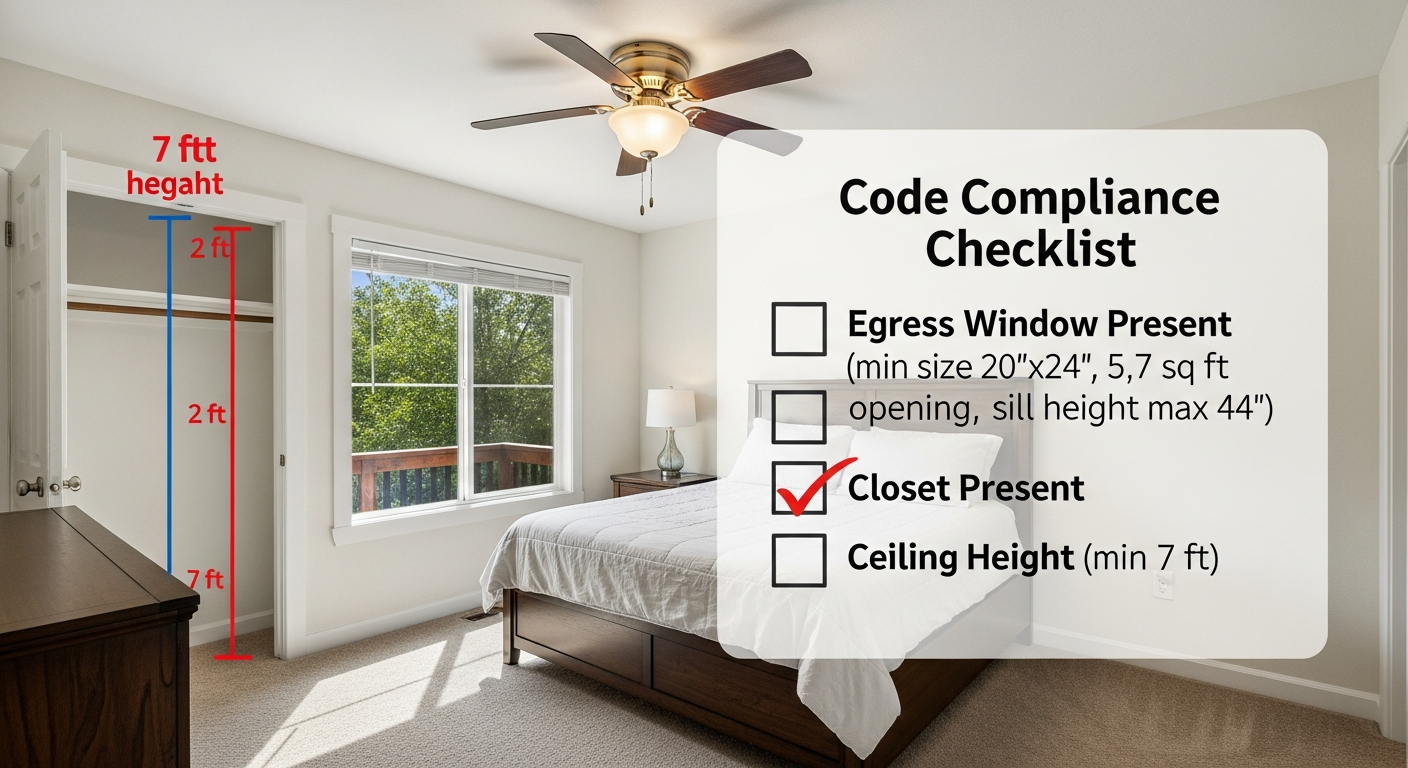
If you have an unfinished basement with decent ceiling height, converting it into a living space can be one of the most cost-effective options. The foundation and roof already exist, so you're primarily dealing with interior work. The main challenges involve ensuring adequate natural light, proper egress windows for emergency exit, and addressing any moisture issues.
Garage Conversions
Converting an attached or detached garage is another popular choice. The space is already there, and the structure is sound. Garage conversions typically cost less than new construction, and in many California cities, the permitting process has been streamlined to encourage this type of development.
Keep in mind that losing your garage means losing parking and storage space. Make sure you have alternative solutions before committing to this route.
Additions to the Main House
Building an addition that connects to your existing home provides the benefits of proximity while still offering separate living quarters. This works well when you want an interior door between the spaces for easy access but also want the in-law suite to have its own exterior entrance.
Detached Units
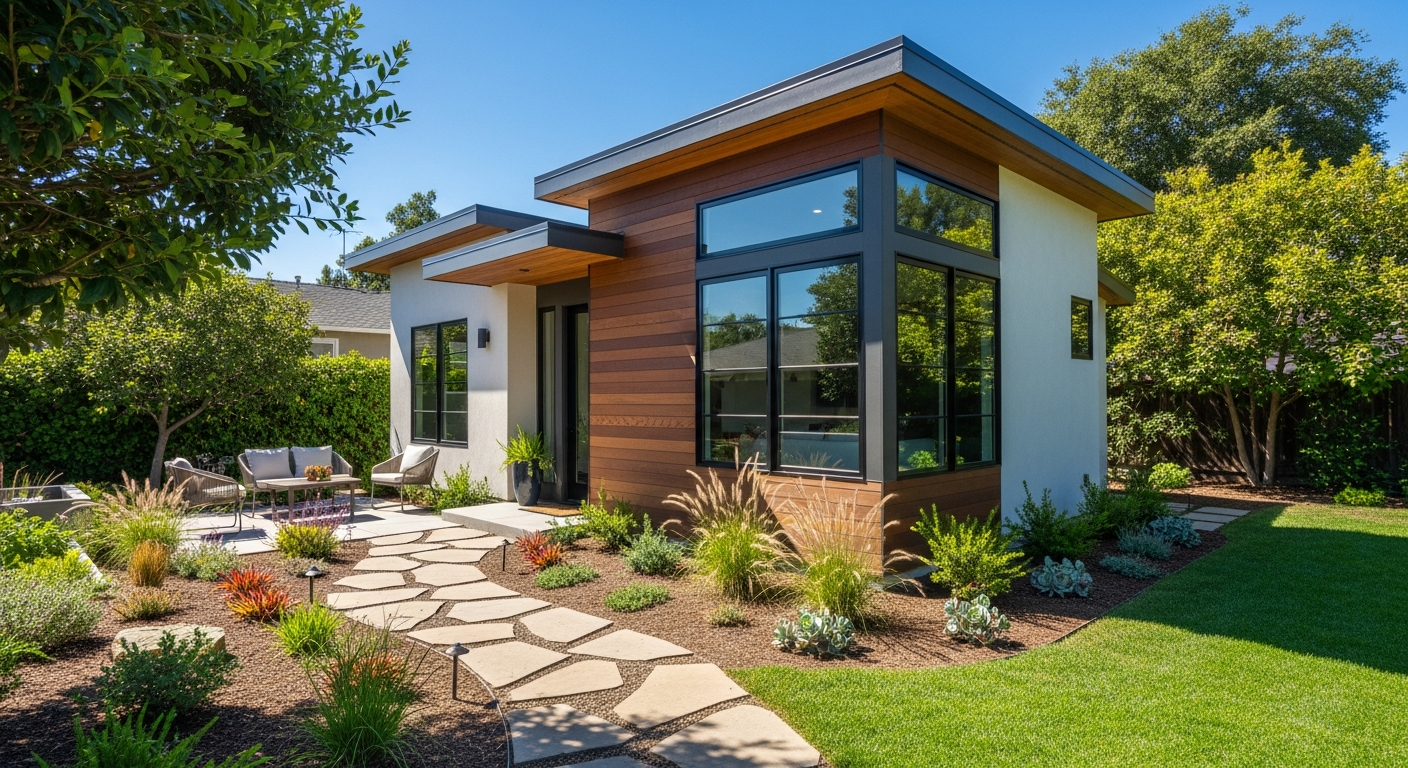
A standalone cottage in the backyard offers the most privacy and separation. These detached ADUs are essentially small homes with their own foundations, utilities, and entrances. They cost more than conversions but provide the greatest flexibility and typically command higher rents if you ever decide to lease the space.

Design Considerations for Comfortable Multi-Generational Living
Building a mother-in-law suite isn't just about square footage and building codes. The design choices you make will determine whether the space actually works for your family long-term.
Accessibility Features
Even if the person moving in is currently mobile and healthy, planning for the future makes sense. Wider doorways accommodate wheelchairs and walkers. Zero-threshold showers prevent tripping hazards. Lever-style door handles are easier to use than knobs for people with arthritis. These features cost very little to include during construction but can be expensive to retrofit later.
Kitchen Decisions
The kitchen question comes up constantly. Do you need a full kitchen or is a kitchenette enough? A full kitchen adds cost and complexity but provides complete independence. A kitchenette with a small refrigerator, microwave, and sink covers most daily needs while encouraging shared family meals in the main house.
California ADU regulations specify minimum kitchen requirements if you're going the permitted route, so check local codes before finalizing your plans.
Privacy and Soundproofing
Living close to family is wonderful until you can hear every footstep and conversation through thin walls. Invest in proper insulation and soundproofing, especially between shared walls. Consider the placement of bedrooms and bathrooms so that noise from one living space doesn't disturb the other.
Separate Utilities and Entrances
A separate entrance isn't just about independence. It allows guests and caregivers to come and go without walking through the main house. Separate utility meters make it easier to split costs fairly and are required if you ever want to rent to non-family members.
California Regulations You Need to Know
California has been at the forefront of ADU-friendly legislation, and recent laws have made it easier than ever to add living space to your property. However, you still need to navigate the permit process correctly.
State law now prohibits cities from requiring parking for ADUs, and setback requirements have been reduced significantly. Many cities have created streamlined approval processes, and some even offer pre-approved plans that can save you time and money on design.
The key regulations to understand include:
- Size limits that typically allow ADUs up to 1,200 square feet for detached units
- Height restrictions that usually cap units at 16 feet unless you're doing an addition above a garage
- Owner occupancy rules that vary by jurisdiction but have been relaxed in many areas
- Impact fees that are waived for smaller ADUs under 750 square feet
Your local planning department can provide specific guidance, and working with an experienced ADU builder will help you navigate the process efficiently.
Costs and Financing Options
Let's talk about money, because that's usually the deciding factor. The cost of building a mother-in-law suite varies enormously depending on the type of project and your location within California.
Garage conversions typically run between $100,000 and $200,000 in most Southern California markets. New construction for a detached ADU usually falls between $200,000 and $400,000, though high-end finishes and challenging sites can push costs higher. Basement conversions, where possible, often come in at the lower end of these ranges.
Financing options have expanded significantly in recent years. Home equity loans and lines of credit remain popular choices. Some lenders now offer construction-to-permanent loans specifically designed for ADU projects. The California Housing Finance Agency (CalHFA) even offers an ADU grant program that provides up to $40,000 for qualifying homeowners.
Ready to Explore Your Options?
Every property and family situation is unique. Our team can help you understand what's possible on your specific lot and how to make the most of your investment.
Call us at (323) 591-3717 or schedule a free consultation to discuss your mother-in-law suite project.
The Emotional Side of Multi-Generational Living
I'd be doing you a disservice if I only talked about square footage and building codes. Living with extended family, even in separate spaces, requires honest conversations and clear expectations.
Before you break ground, sit down with everyone involved and talk through the practical details. Who pays for utilities? Who handles maintenance? How much notice is expected before dropping by? What happens if the arrangement isn't working?
These conversations might feel awkward, but they're far less awkward than dealing with resentment and misunderstandings after the construction is complete. Some families even create informal agreements that outline expectations and responsibilities.
The good news is that most families report positive experiences with multi-generational living. Children benefit from having grandparents nearby. Parents appreciate help with childcare and household tasks. And for many older adults, staying connected to family provides purpose and combats the isolation that can come with aging.
Getting Started with Your Mother-in-Law Suite Project
If you've made it this far, you're probably seriously considering adding a mother-in-law suite to your property. Here's a practical roadmap for moving forward:
First, assess your property. Look at your lot size, the location of your existing home, and any potential obstacles like slopes, trees, or utility easements. Check your local zoning to understand what's allowed.
Second, define your needs. How much space does your family member actually need? What level of independence is important? Are you thinking about eventual rental income?
Third, establish your budget. Get realistic about what you can afford, including financing costs. Remember to budget for permits, design fees, and a contingency for unexpected issues.
Fourth, assemble your team. Working with professionals who understand local regulations and have experience with ADU projects will save you time, money, and frustration. Look for builders who can show you completed projects similar to what you have in mind.
Finally, start the conversation with your family. Make sure everyone understands what's being proposed and has a chance to provide input. The best living arrangements are ones that everyone feels good about from the start.
Making the Right Choice for Your Family
A mother-in-law suite represents a significant investment of money, time, and emotional energy. But for families who value closeness and want to provide for their loved ones while respecting everyone's need for space, it can be one of the best decisions you ever make.
Whether you're planning for aging parents, returning adult children, or simply want to maximize your property's potential, the key is to approach the project thoughtfully. Understand your options, follow the regulations, and design a space that will serve your family well for years to come.
The growing popularity of multi-generational housing reflects a cultural shift back toward family-centered living. After decades of emphasizing independence and separation, many families are rediscovering the benefits of staying close. A well-designed mother-in-law suite makes that possible without sacrificing anyone's privacy or autonomy.
If you're ready to explore what a mother-in-law suite might look like on your property, reach out for a free consultation. We'll walk your property with you, discuss your family's needs, and help you understand the costs and timeline involved. There's no obligation, and you'll come away with a clear picture of what's possible.
Sources cited:
- Pew Research Center. (2023). "Record 64 million Americans live in multigenerational households."
- AARP Public Policy Institute. (2023). "Valuing the Invaluable: 2023 Update on the Economic Value of Family Caregiving."
- Freddie Mac. (2022). "ADUs: Impact on Property Values and Housing Supply."