An Accessory Dwelling Unit (ADU) is more than just an extra living space; it's a strategic investment in your property's future, offering flexibility for rental income, multi-generational living, or a home office. However, to truly maximize its value and utility, it's crucial to design your ADU for long-term use right from the outset. This isn't just about aesthetics; it's about making thoughtful choices in structure, materials, layout, and technology that ensure your ADU remains functional, comfortable, and desirable for decades.
Many homeowners focus on immediate needs, but a truly successful ADU anticipates future changes – whether it's adapting to an aging family member, accommodating new tenants, or simply standing up to the test of time and evolving technological standards. By building in durability, adaptability, and efficiency from the start, you protect your investment and enhance its livability for years to come.
The Core Philosophy: Adaptability and Future-Proofing
The foundation of designing an ADU for long-term use lies in thinking beyond today. Life changes, and so do needs. A well-designed ADU can pivot from housing a young professional to providing care for an elderly parent, or even serving as a quiet retreat for adult children. This requires a proactive approach to design.
Flexible Layouts for Evolving Needs
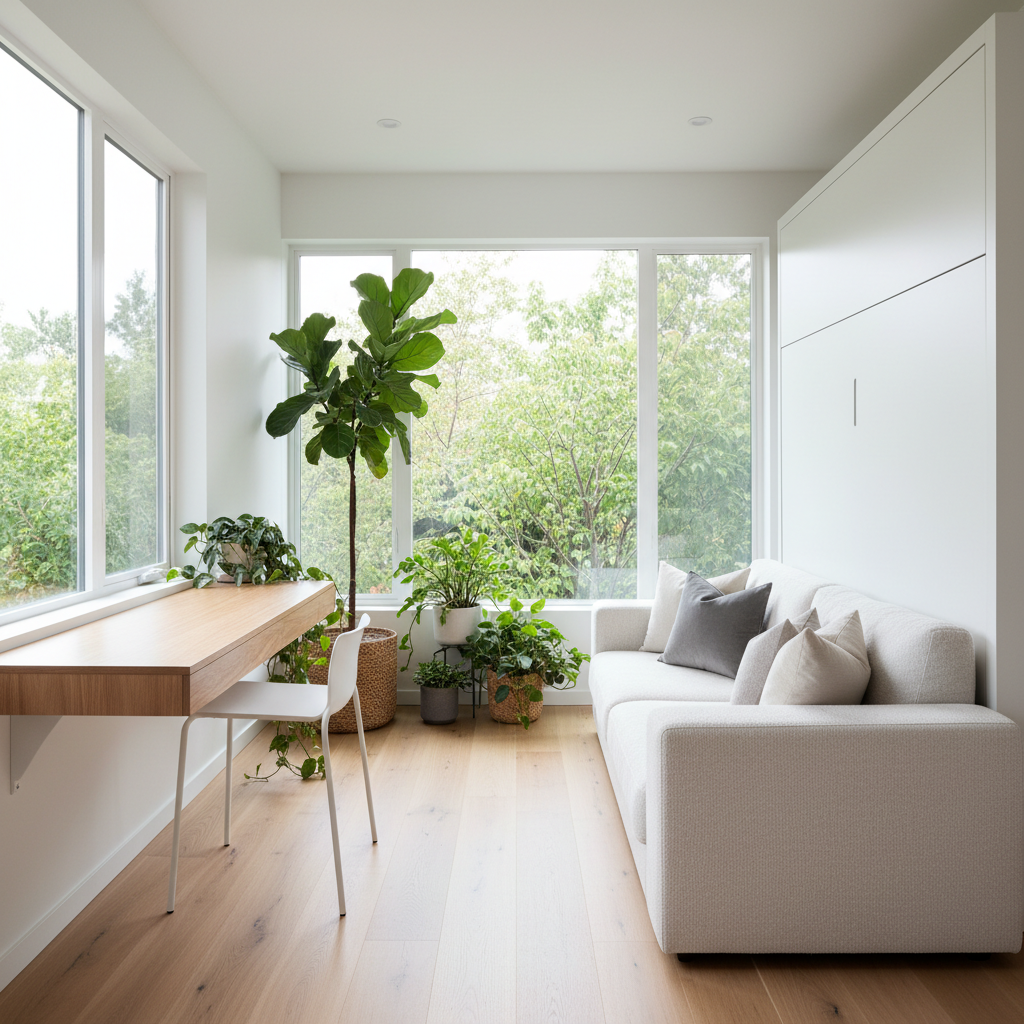
- Open Concept Living: While trends come and go, open-plan living offers inherent flexibility. It allows for easy rearrangement of furniture and can feel more spacious. Consider how spaces might be partitioned later with non-structural elements like large sliding doors or clever furniture arrangements.
- Multi-Purpose Rooms: Design spaces that can serve more than one function. A den that can be a guest room, an office, or a nursery, for example.
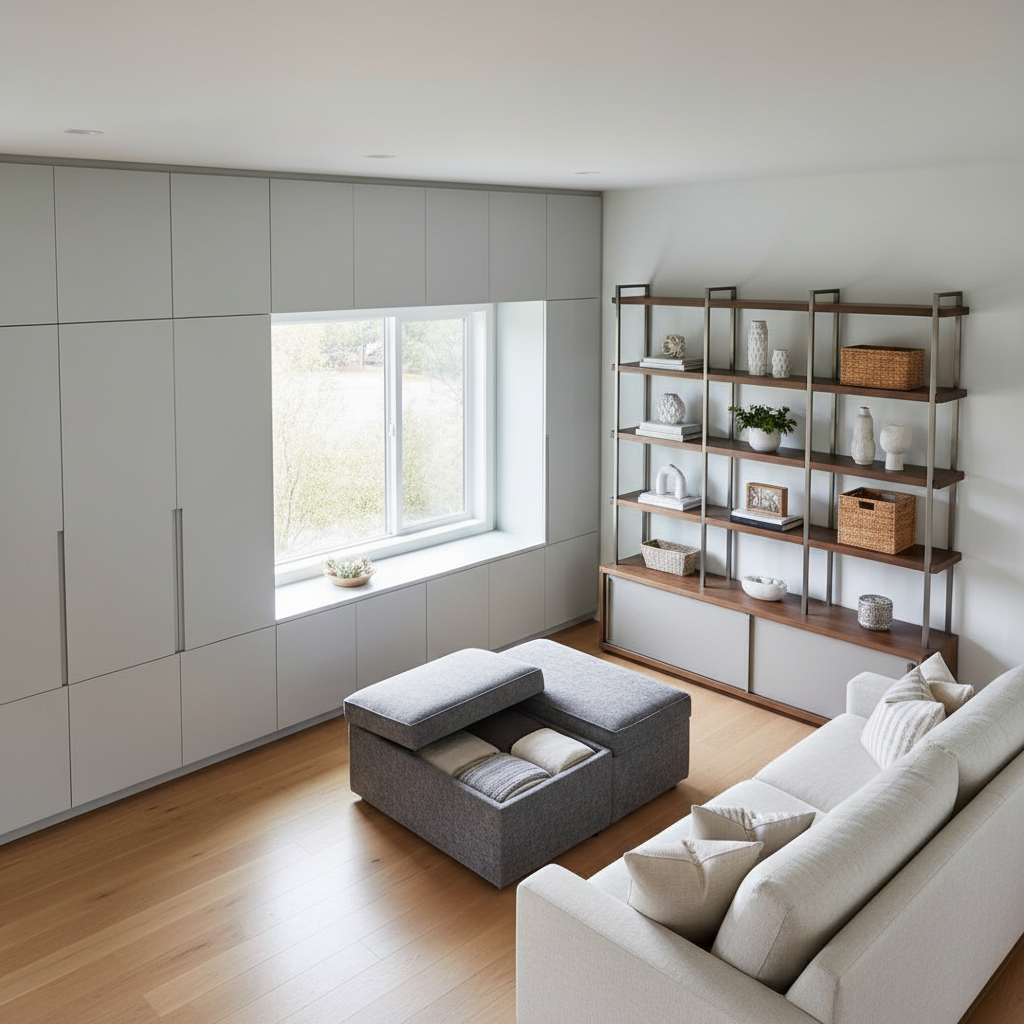
- Ample Storage: Lack of storage is a common complaint. Integrate built-in shelving, generous closets, and even exterior storage for bikes or garden tools. Future occupants will always appreciate extra space for their belongings.
Future Expansion Potential (Even if Not Built Now)
While you might not build a larger ADU today, consider basic provisions that could facilitate future expansion if regulations or needs change. This might include ensuring the foundation could support an additional story or running electrical and plumbing lines to an exterior wall for a future patio kitchen.
Foundation of Durability: Structural & Material Choices
Longevity begins with robust construction and resilient materials. Investing in quality upfront saves significant money and hassle down the line.
Robust Foundations and Framing
The structural integrity of your ADU is paramount. Ensure your foundation is properly engineered for your soil conditions and local seismic requirements (especially critical in California). Quality framing, using treated lumber where necessary, provides a strong skeleton for your home.
Exterior Longevity: Protecting Your Investment
- Roofing: Opt for materials with long warranties and proven durability. Metal roofs, high-quality asphalt shingles (30-50 year life), or even tile can offer superior protection against the elements.
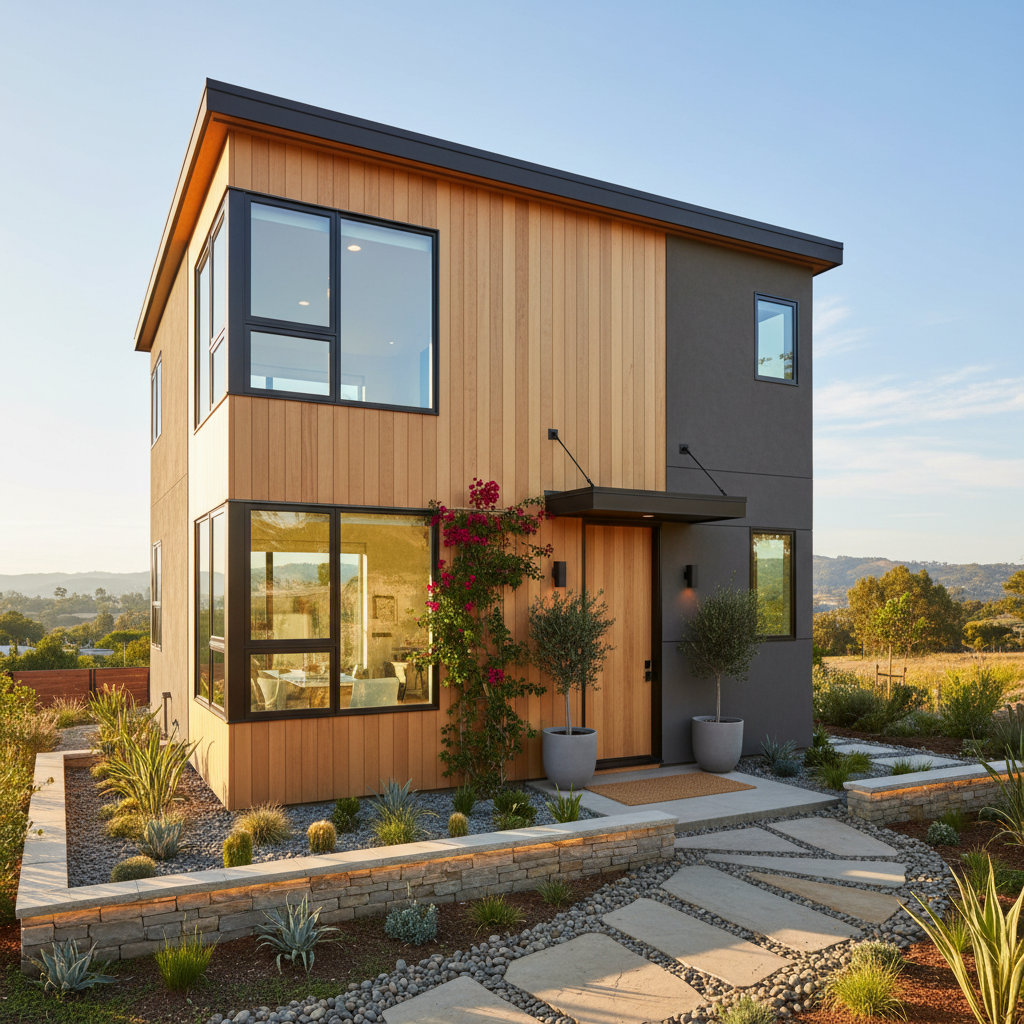
- Siding: Fiber cement board (e.g., HardiePlank), stucco, or engineered wood products offer excellent weather resistance, low maintenance, and a long lifespan compared to traditional wood siding.
- Windows and Doors: Choose energy-efficient, dual-pane windows with low-E coatings. Quality frames (vinyl, fiberglass, or aluminum-clad wood) resist warping and provide better insulation. Durable, weather-sealed exterior doors enhance security and energy performance.
Interior Endurance: Materials That Last
- Flooring: Hard-wearing options like Luxury Vinyl Tile (LVT), engineered hardwood, or ceramic/porcelain tile are excellent choices. They resist wear, are easy to clean, and can withstand various tenants or family lifestyles. Avoid cheap laminates that can delaminate with moisture.
- Cabinetry and Countertops: Invest in solid wood or high-quality MDF cabinetry with durable finishes. Quartz or granite countertops are highly resistant to scratches and heat, offering a timeless look and superior longevity compared to laminate.
- Paint and Finishes: Use high-quality, washable paints in neutral colors. These are easier to touch up and appeal to a wider range of tastes, reducing the need for frequent repainting.
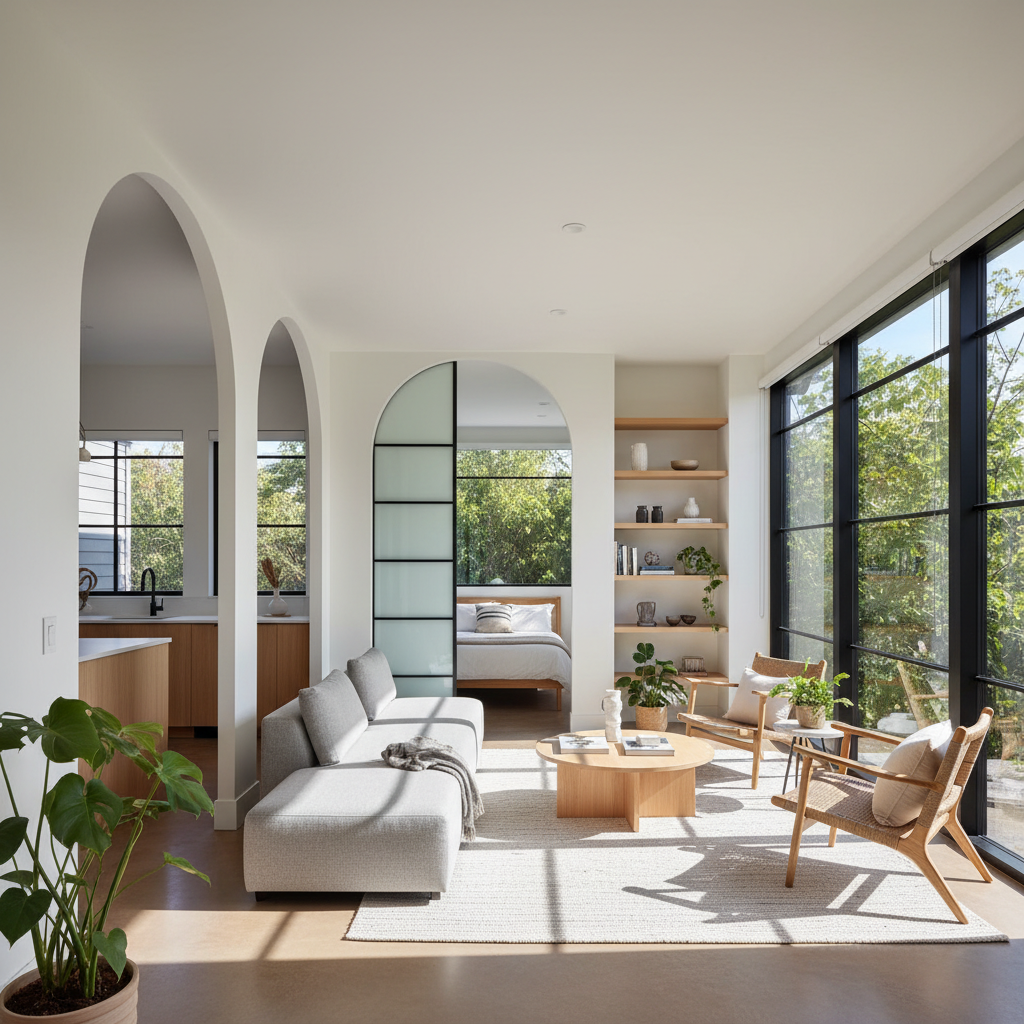
Accessibility: Designing for All Stages of Life
Designing an ADU for long-term use means considering universal design principles. This ensures the unit can comfortably accommodate residents of all ages and abilities, greatly expanding its utility and appeal.
Zero-Threshold Entries & Wider Doorways
Eliminate steps at exterior doors and keep interior thresholds flush. Aim for doorway widths of 36 inches throughout the ADU to allow easy passage for wheelchairs, walkers, or even just moving furniture.
Bathroom Considerations
- Roll-In Showers: Design at least one bathroom with a curbless, roll-in shower. Install blocking in walls for future grab bar installation, even if you don't install the bars now.
- Vanity Heights: Consider installing vanities that can accommodate different heights or are designed for wheelchair access underneath.
- Toilet Placement: Ensure adequate clear space around the toilet for maneuverability.
Kitchen Ergonomics
Design kitchens with flexible counter heights, pull-out shelves in lower cabinets, and easily accessible appliances. Open space beneath sinks can also be beneficial.
Navigating the nuances of accessible design while maintaining aesthetics can be complex. For expert guidance on integrating universal design principles into your ADU, consider reaching out to our team. You can schedule a free ADU consultation with GatherADU to discuss how to make your ADU truly future-proof and inclusive.
Energy Efficiency and Sustainability
A truly long-term ADU is also an energy-efficient and sustainable one. This reduces operating costs, increases comfort, and aligns with growing environmental consciousness.
High-Performance Envelope
- Superior Insulation: Maximize insulation in walls, ceilings, and floors (R-values above code minimums).
- Air Sealing: Pay meticulous attention to air sealing to prevent drafts and heat loss/gain.
- Efficient Windows: As mentioned, low-E, dual-pane windows are crucial for energy performance.
Efficient HVAC Systems
Install high-efficiency heating, ventilation, and air conditioning (HVAC) systems. Ductless mini-split heat pumps are often an excellent choice for ADUs, offering zoned control, heating, and cooling in a compact, energy-efficient package.
Solar Readiness & Water Conservation
- Solar Ready: Design the roof structure to support solar panels, and pre-wire for future solar installation. This is a significant value-add in California.
- Water-Saving Fixtures: Install low-flow toilets, showerheads, and faucets. Consider drought-tolerant landscaping and potentially greywater recycling systems.
Technology Integration: Future-Ready Homes
Technology evolves rapidly. While you can't predict every innovation, you can build in the infrastructure to adapt.
Smart Home Infrastructure
Pre-wire with extra data ports (Cat6), coaxial cables, and ample electrical outlets. Consider a central hub for smart home devices and robust Wi-Fi coverage throughout the unit. Wiring for smart lighting controls, thermostats, and security systems adds significant long-term value.
EV Charging Capability
Even if you don't own an electric vehicle now, future occupants likely will. Install a dedicated 240-volt circuit in the garage or near the parking area for an EV charger. This is a relatively inexpensive upgrade during construction that becomes very costly later.
High-Speed Internet Access
Ensure your ADU has dedicated, high-speed internet access. This is no longer a luxury but a necessity for work, education, and entertainment.
Considering the myriad of choices for making your ADU a lasting asset, it's beneficial to explore all your options. To get a clear picture of what's possible within your budget and property constraints, get your free project estimate from GatherADU today.
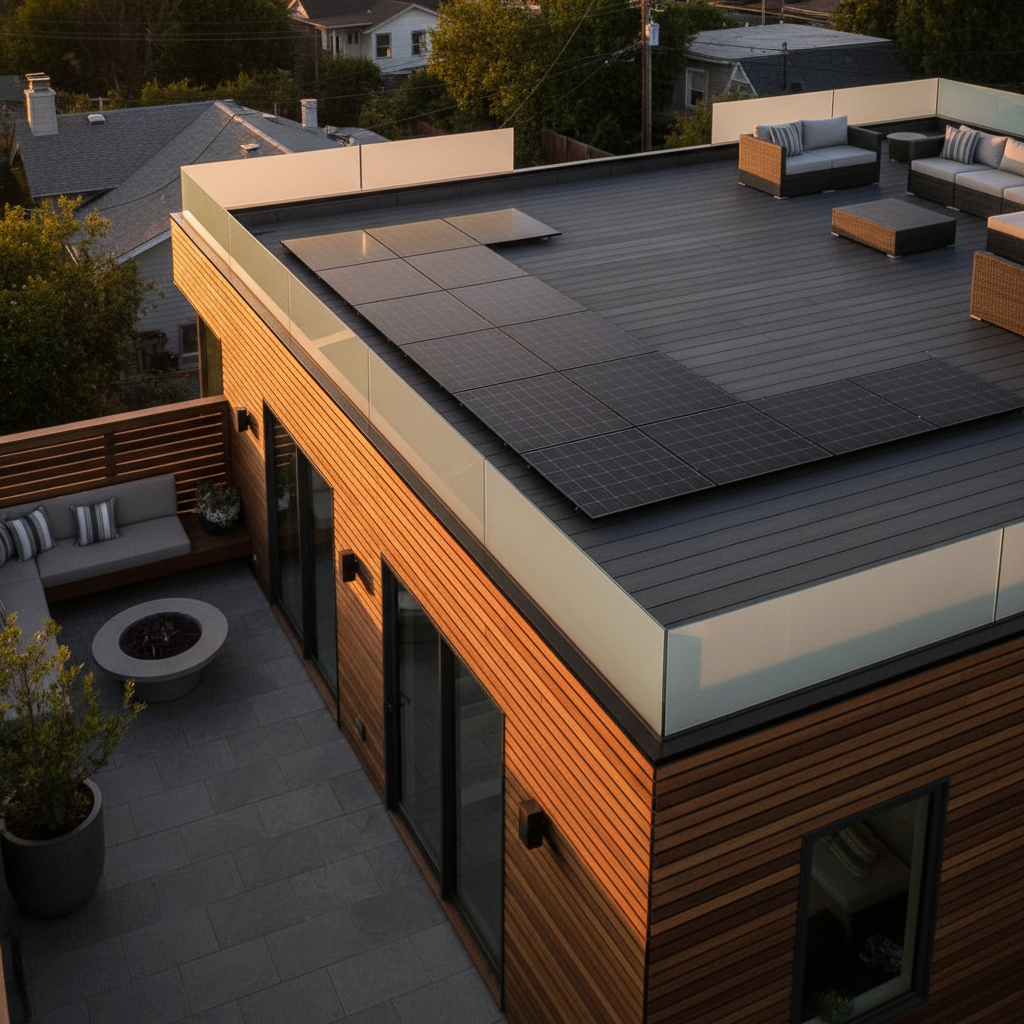
Outdoor Spaces: Extending Livability
In California, outdoor living is a significant part of the lifestyle. Thoughtfully designed exterior spaces enhance the long-term appeal and functionality of your ADU.
Private & Functional Patios
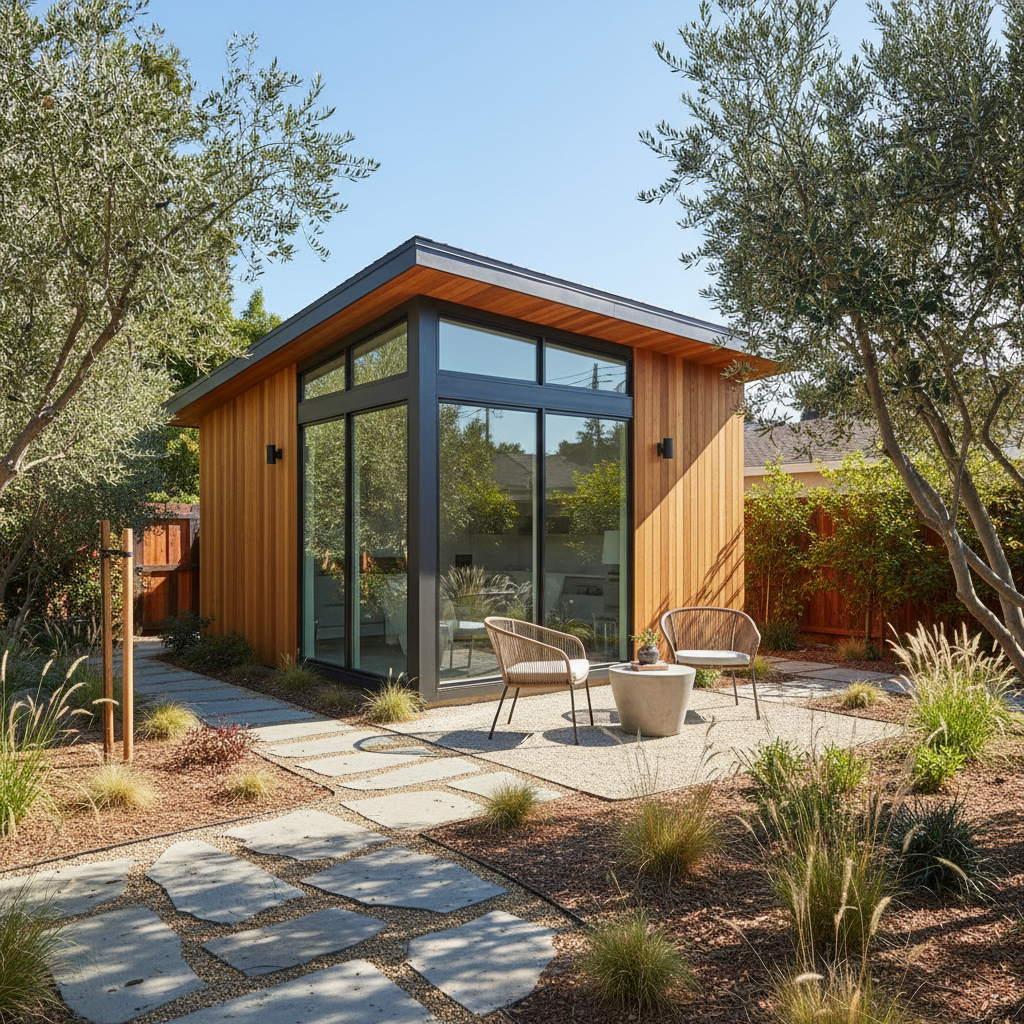
Design a dedicated, private outdoor area for the ADU, whether it's a small patio, deck, or garden space. This extends the living area and provides valuable outdoor enjoyment.
Low-Maintenance Landscaping
Opt for drought-tolerant plants and hardscaping that require minimal water and upkeep. This is both sustainable and appealing to future residents who might not have a green thumb.
Utility Access & Storage
Ensure easy, yet discreet, access to utilities like trash bins, recycling, and potentially a small shed for garden tools or outdoor equipment.
Maintenance & Longevity: What to Consider
Even with durable materials, an ADU will require maintenance. Design with ease of maintenance in mind.
Ease of Access for Repairs
Ensure plumbing shut-offs, electrical panels, and HVAC filters are easily accessible. Plan for future access to major systems without requiring demolition.
Material Choice for Reduced Upkeep
Select materials that require less frequent painting, sealing, or repair. For example, composite decking instead of wood, or pre-finished siding.
Conclusion
Designing an ADU for long-term use is about foresight, quality, and adaptability. By making informed decisions about structural integrity, material selection, flexible layouts, accessibility, energy efficiency, and technology integration, you create a dwelling that not only meets today's needs but also gracefully accommodates tomorrow's challenges. This strategic approach ensures your ADU remains a valuable, comfortable, and desirable asset for many years to come, providing enduring benefits for homeowners and occupants alike.
Ready to build an ADU that stands the test of time? Let GatherADU's expertise guide you through every step of the design and build process. Book a free ADU consultation with us today to start planning your future-proof backyard home.